- hanqi
- Blog
The challenges faced by the electronics manufacturing and assembly industries in protecting sensitive items in the factory environment are many and often complex. Among these is electrostatic discharge (ESD), which accounts for billions of dollars in lost revenue each year as a result of ESD-related failures. To help alleviate this challenge, ESD bins with partitions are practical and effective solutions. ESD bins not only provide better protection for sensitive items, but they can also help keep an organized work environment, therefore enhancing productivity.
Understanding the Importance of ESD Protection
Electrostatic Discharge is a phenomenon that can happen when two surfaces with different amounts of electrostatic charge touch or are in close proximity to one another. A small discharge, if any, has no effect on humans and is of no concern; however, a small discharge can cause permanent damage to sensitive electronic components such as microchips, transistors, and semiconductors. The ESD Association published a report stating that ESD accounts for approximately 25% of all electronic equipment failures across all industry segments, providing strong justification to incorporate ESD preventive measures in today’s manufacturing processes.
With regard to the risk, try ESD bins made from materials designed to dissipate charge, thus, substantially reducing any possibility of electric discharge. In conjunction with dividers, ESD bins provide better methods of working with materials and provide the best efficiency when used in high output assembly.
Key Benefits of an ESD Bin with Partition
An ESD-safe storage bin is more than just a way to organize; it’s an important expense for your business. Here’s how it adds value to your operations:
| Benefit | Description |
|---|---|
| ESD Protection | Prevents electrostatic discharge damage. |
| Open-Access Organization | Partitions allow easy sorting of components for quick access. |
| Durability | Made from robust, anti-static materials that last longer. |
| Workspace Optimization | Streamlines processes on busy assembly lines. |
| Compliance Assurance | Meets industry standards for safe handling of sensitive electronics. |
Applications of ESD Parts Bins
The value of ESD jars, boxes, and bins is demonstrated by their versatility. You will find that they can be used in many ways whether you are assembling PCBs or just organizing electronic components.
1. PCB Assembly Lines
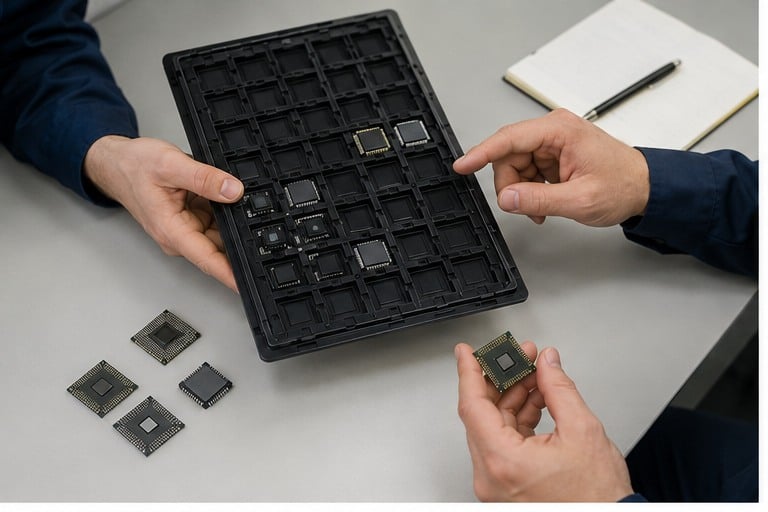
PCB manufacturing facilities absolutely benefit immensely from ESD bins with partitions. These containers allow precision organization of diodes, capacitors, resistors, and other small parts thus helping control the risk of mixing multiple kinds of parts together.
2. R&D and Repair Labs
In research and development settings, having immediate access to organized components is essential to the success of a project. ESD (Electrostatic Discharge) Safe Bins offer not only an organized way to store parts so that they can be readily accessed, but they also provide protection against damage caused by static electricity, which can jeopardize an experiment or piece of equipment.
3. Warehousing and Inventory Management
Safe storage solutions are necessary to maintain a stock of electronics in your warehouse. Poorly packaged items can be damaged if they are stored for long periods of time without an ESD-safe storage solution. ESD storage bins that contain clear dividers and labeling will help you track your inventory more efficiently.
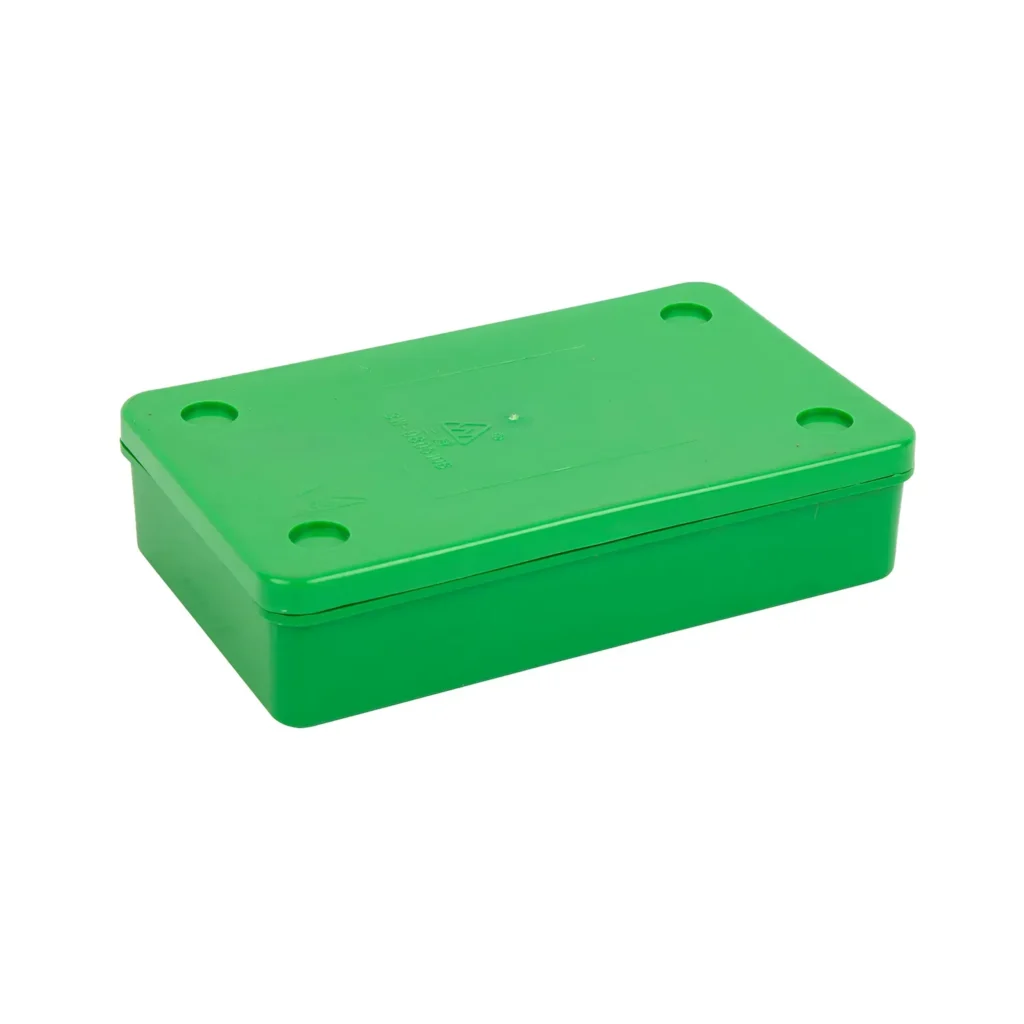
Features to Look for in an ESD Safe Bin
When considering the right ESD bin for your needs, there are several crucial features to look for when selecting a drawer-style bin with partitions.
1. High-Quality Anti-Static Materials: Choose bins made from polypropylene or conductive plastic as they will prevent static charge buildup and easily dissipate static charges.
2. Modular Design: Modular designs give you the flexibility to stack or customize bins based on your workspace size, thus allowing you to save space.
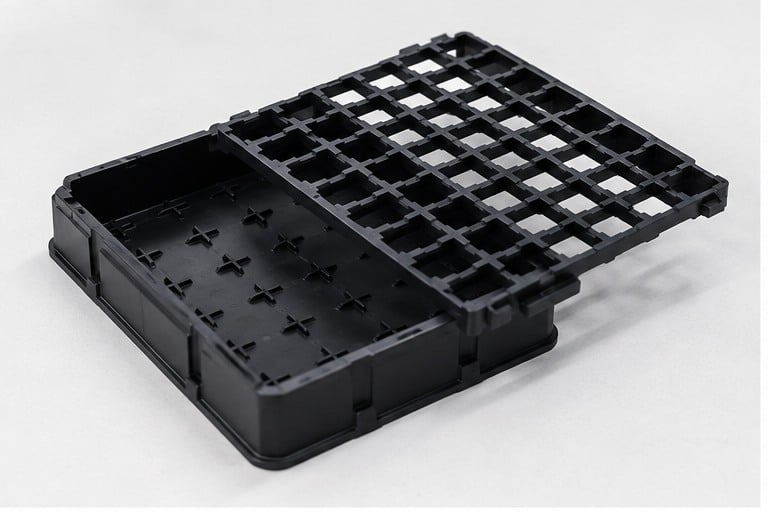
3. Adjustable Partitions: By enabling you to adjust dividers, you’ll find it easy for your bins to accommodate a wide variety of different sized components without needing new containers or other tools.
4. Clear Labeling Options: Efficiently organizing bins on busy assembly lines can be facilitated by either using easily read label(s) or using those with clear visual dividers.
5. Stackability: For producers who require saving room, stackable ESD secure storage boxes are perfect. They provide vertical capacity without sacrificing security.
Market Trends and Statistics
Globally, there has been an increase in demand for electronic products which has in turn created the need for adequate ESD protection methods or solutions. A report published by GrandViewResearch, dated 2022, shows that the global market for ESD protection devices was valued at $2.4 billion, and is projected to continue growing at a CAGR of 5.3% between 2023 and 2030. Most of this growth can be attributed to the increasing use of items that are sensitive to electrostatic discharges (i.e., ESD devices) in various industries; therefore, the need for ESD-safe storage options is critical.
New statistics from Statista indicate that in 2017 the value of the Global Electr. Manufacturing Market is worth more than $500 billion, thus creating an enormous market (and growing) for ESD (electrostatic discharge) protection products, such as ESD bins. Many industries, including the automotive, aerospace, telecom, and consumer electronic industries, see the importance in using ESD safe methods to protect their company’s investment.
FAQs
Q: Can ESD bins be used in environments outside of electronics manufacturing?
A: Yes, ESD bins offer an excellent solution for the safe handling of static charge-sensitive items in environments like R&D labs, repair centers and small electronics manufacturers.
Q: Do ESD bins require maintenance?
You will have minimum maintenance; however, on occasion you will need to clean out the bin with cleaners designed to be anti-static in order to keep the bin performing optimally.
Q: Are there specific certifications or standards for ESD bins?
A: Sure, check for standards ANSI/ESD S20.20 or IEC 61340-5-1. These are the recognized standard in our industry for ESD Safe Materials and Containers.
Q: Is there a difference between conductive and dissipative ESD bins?
A: Absolutely. The use of conductive bins helps to provide a more rapid path to ground for discharge of static; whereas, the use of dissipative bins allows for a controlled, slower discharge of static. This choice is dependent on your specific application requirements.
Q: How do I determine the number of partitions I need?
A: This depends on the variety and size of components you work with. Choose bins that offer adjustable partitions to ensure flexibility for future needs.
An ESD bin with partition is a highly effective and practical solution for businesses dealing with sensitive electronic components. Not only do these bins shield equipment from potential damage due to static electricity, but they also streamline operations and promote a more organized, efficient workspace. In a world where electronics are at the core of technological progress, investing in ESD-safe solutions is no longer optional but essential. By understanding the benefits, features, and market trends, companies can make informed decisions to reinforce their ESD safety strategies.
Leave a Reply