- توربو
- مدونة
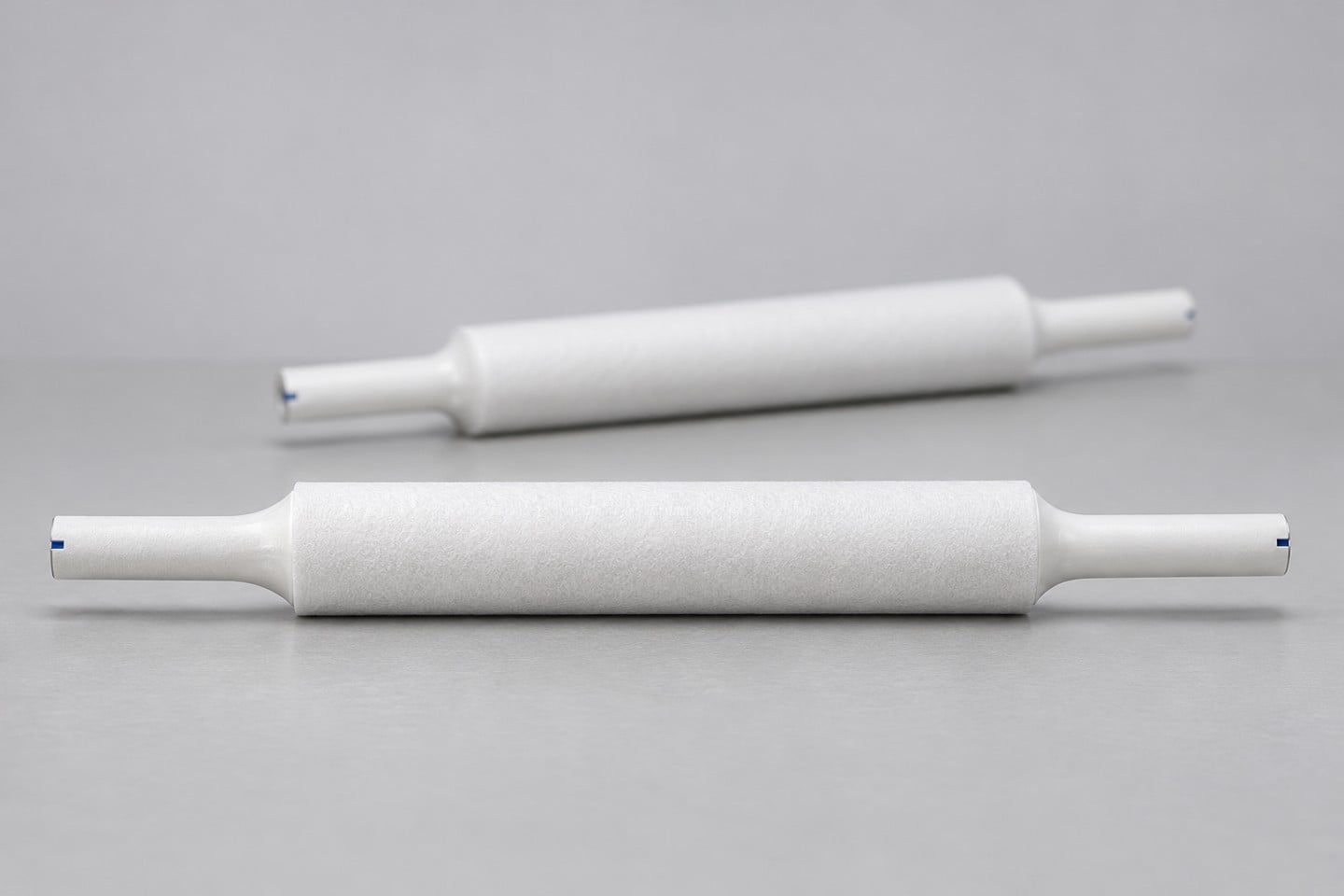
A stencil wiper roll material substitution should be approved against the existing printing and cleaning process, rather than accepted because the roll fits the spindle. Identify the proposed wiping material, compare relevant cleanliness and functional evidence, then run a controlled trial with defined observations and release limits. Keep the current approved roll identifiable as the baseline. A matching width, familiar white appearance or lower unit price does not demonstrate equivalent cleaning performance.
This guide addresses a proposed change in wiping material for an already defined application. It complements routine roll replacement and restart checks. The printer manufacturer’s instructions, approved chemistry, stencil construction, solder paste and local process controls remain the basis for the actual trial; there is no universal substitute approval that covers all printers and products.
Describe the material change separately from the roll dimensions
Request the exact proposed material description, construction and supplier reference. Where relevant, ask about fiber composition, bonding or surface treatment and the technical data available for the delivered variant. An unchanged family name can hide a meaningful construction change, while different names can describe materials that still require the same careful comparison.
ال SWESD stencil wiper product page is a starting point for discussing the required roll. Send the printer model and current consumable specification with the material question. Do not infer a fiber percentage, approved solvent or printer compatibility from a photograph. Confirm what the supplier is proposing before planning the trial.
Mechanical fit is a separate gate. Record material width, core dimensions, end features and feed orientation according to the machine’s requirements. A material trial cannot establish cleaning equivalence if the roll feeds incorrectly. Our دليل اختيار ممسحة القوالب covers those broader purchasing inputs; this review concentrates on the proposed material difference.
Retrieve the baseline recipe and its limits
Record the approved roll identity, printer configuration, wiping sequence and chemistry. Include the stencil and paste used for the comparison, and the existing inspection method. If normal production uses multiple recipes, decide which ones the proposed approval will cover. Do not describe a single successful setup as evidence for every recipe on the line.
Keep a record of the baseline’s current condition. A new candidate compared with an old roll that has been poorly stored or damaged is not a useful equivalence comparison. Use identified, serviceable material and record opening or handling conditions where they could affect the result.
ال stencil wiper retained-sample review explains how reference material can retain its identity and usefulness. A retained sample is supporting comparison evidence; it does not override current process observations or an applicable material specification.
Choose evidence that relates to the application
ال IEST-RP-CC004 public description concerns evaluation of wiping materials for cleanliness and function. It provides a useful framework for asking which characteristics matter. It does not certify a particular roll, and its public summary does not supply a numerical acceptance limit for your stencil process.
The historical IPC-7526 stencil cleaning handbook, published in 2007, discusses automated underside wiping and avoiding residues from wiping materials. Use it as background to the cleaning questions, while checking the applicable current edition and machine guidance for production requirements. Do not treat this older handbook as a universal current specification.
The following table organizes proposed review questions. It is a suggested trial planning aid. Define the relevant method, comparison conditions and acceptance criteria locally before starting. Where the supplier cannot provide a requested result, record the gap and decide how to obtain evidence rather than treating a marketing description as a test report.
| سؤال المراجعة | Evidence to compare | Keep separate from |
|---|---|---|
| Delivered material | Identified construction and relevant technical data | Appearance or family name alone |
| تركيب الآلة | Width, core features and feed compatibility | Cleaning effectiveness |
| Cleaning function | Defined observations before and after the approved sequence | Unrecorded recipe adjustments |
| Residue and fibers | Applicable inspection under consistent conditions | A photograph alone |
| Printing outcome | Approved first-print and subsequent process checks | An assumption that every defect comes from the roll |
| Release scope | Accepted setup, limits and responsible approval | Unrestricted use following a limited trial |
Keep the first comparison controlled
Start with an identified candidate and an identified baseline. Document which settings remain unchanged and why they represent the intended use. If the candidate requires an altered recipe, record that as a separate process change. Otherwise it becomes difficult to tell whether an observation relates to the material or the setting adjustment.
Use a representative stencil and paste under the facility’s approved trial controls. Record the cleaning cycle, condition before and after wiping, feed behavior and any additional intervention. The process owner should determine what inspection and product disposition are required. Do not introduce a new solvent or increase cleaning frequency merely to force an acceptable result without documenting the change.
Stop for feed faults, unexpected residue, material damage or conflict with the safe operating procedure. Preserve the roll identity and relevant observations. A failure seen early can clarify the review, but it should not be dismissed as operator error without investigation. Likewise, one uneventful cycle does not establish a stable production process.
Review cleaning observations and printing observations separately
cURL Too many subrequests by single Worker invocation. To configure this limit, refer to https://developers.cloudflare.com/workers/wrangler/configuration/#limits.
cURL Too many subrequests by single Worker invocation. To configure this limit, refer to https://developers.cloudflare.com/workers/wrangler/configuration/#limits.
نحن cURL Too many subrequests by single Worker invocation. To configure this limit, refer to https://developers.cloudflare.com/workers/wrangler/configuration/#limits cURL Too many subrequests by single Worker invocation. To configure this limit, refer to https://developers.cloudflare.com/workers/wrangler/configuration/#limits.
cURL Too many subrequests by single Worker invocation. To configure this limit, refer to https://developers.cloudflare.com/workers/wrangler/configuration/#limits
cURL Too many subrequests by single Worker invocation. To configure this limit, refer to https://developers.cloudflare.com/workers/wrangler/configuration/#limits.
ال cURL Too many subrequests by single Worker invocation. To configure this limit, refer to https://developers.cloudflare.com/workers/wrangler/configuration/#limits cURL Too many subrequests by single Worker invocation. To configure this limit, refer to https://developers.cloudflare.com/workers/wrangler/configuration/#limits.
If the trial changes the recipe, report cost and consumption for that accepted recipe explicitly. Include the conditions and unresolved limitations. This lets purchasing compare an approved operating option instead of comparing two prices attached to different, incompletely described processes.
Set the release scope before switching stock
The review record should identify the candidate, baseline, trial conditions, results, exceptions and authorized application. Name the person responsible for accepting the evidence. A limited engineering trial should remain limited unless the final decision explicitly extends its scope. Do not let trial rolls become unrestricted line stock through a routine stores transfer.
Decide whether the change applies to a specific printer, stencil family, paste or cleaning chemistry. If multiple conditions require evaluation, track them separately so a completed trial in one condition does not hide an open condition elsewhere. Use the actual risks and production controls to determine the extent of comparison; this guide does not prescribe a universal trial count.
Update the work instruction and approved consumable reference after authorization. Make the old and new stock status clear, including any remaining permitted uses for the previous material. Keep the records needed to identify which material was used if a later process question arises.
Prevent an urgent shortage from becoming silent approval
If supply is tight, tell the process owner which material is available, which evidence is complete and which questions remain open. Discuss a controlled alternative route with the people responsible for quality and production. An emergency purchase order should not be interpreted as technical evidence that the substitute is equivalent.
Provide operators with a clear accepted reference and escalation route. If two rolls look alike, a visual memory test is unreliable. Use the supplied identity and the facility’s material-control method so that the accepted recipe and the issued consumable remain connected.
Ask SWESD for available technical information, sample identification, proposed pack format and notification of relevant material changes. Send the current specification and the intended review questions. This creates a more useful quotation discussion than requesting a “same as existing” roll without the details that define the existing process.
Educational context for wiping-material evaluation
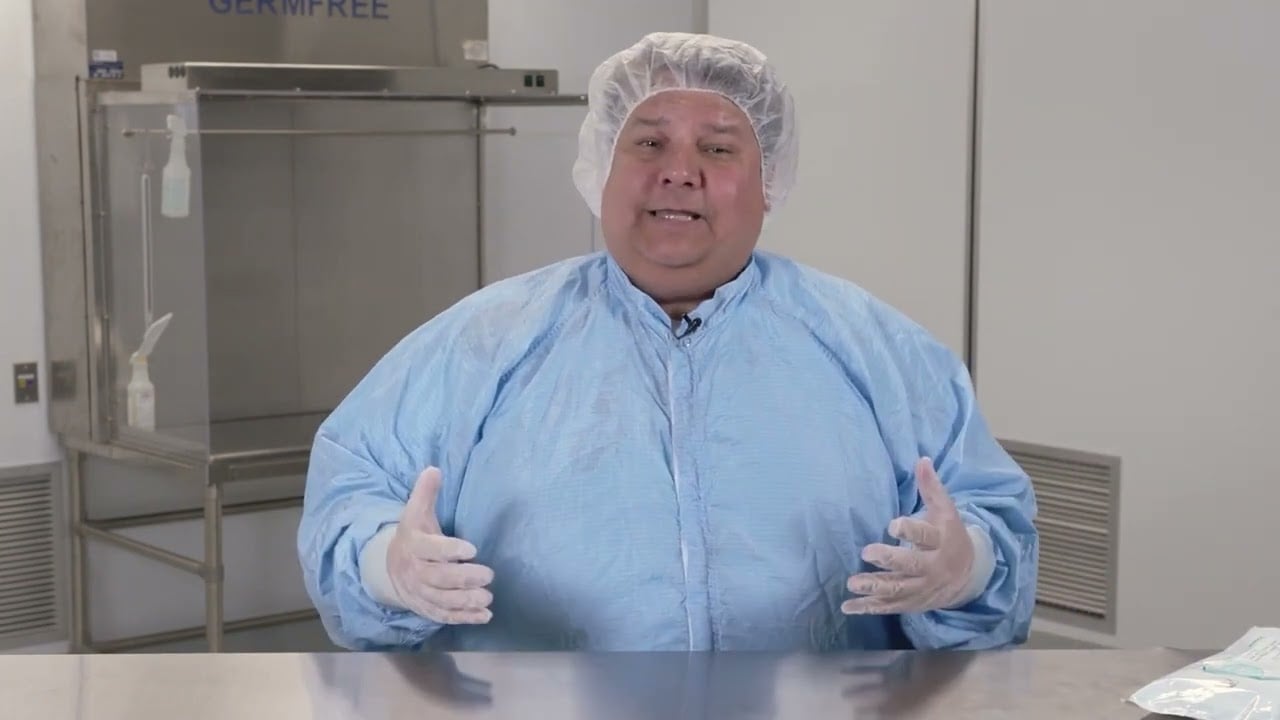
The following IEST video demonstrates cleanroom wiping principles. It provides background on controlling contact and technique when evaluating a wiping material. It is not a printer operating instruction or a demonstration of this roll in an automated understencil unit. Use the printer’s approved procedure for the actual feed and cleaning sequence.
الأسئلة الشائعة
Does matching roll width establish material equivalence?
No. Fit and cleaning performance require separate evidence.
Can the candidate use an adjusted cleaning recipe?
Only under an authorized process review, with the adjustment recorded and evaluated.
Does one satisfactory print approve every application?
No. Approval is limited to the documented evidence and permitted conditions.
Should consumption decide acceptance by itself?
No. Review cleaning and process outcomes before comparing usage and operating cost.
Is the IEST video an automated printer instruction?
No. It provides general wiping context; follow the printer-specific approved procedure.
اترك ردًا