- هانكي
- مدونة
يمكن أن تشكل الكهرباء الساكنة خطرًا كبيرًا على الأجزاء الكهربائية الحساسة في العديد من الصناعات المختلفة، وهي مشكلة خاصة عند التعامل مع لوحات الدوائر المطبوعة (PCBs). يمكن أن يتلف التفريغ الساكن الصغير لوحة الدوائر المطبوعة بشكل دائم ويتطلب إصلاحات مكلفة، أو توقف الإنتاج في مصنعك بسبب خسارة الإنتاج، أو حتى فشل المعدات بالكامل. إذا تم اتخاذ الإجراءات الوقائية، يمكن تقليل مخاطر التفريغ الساكن على لوحات الدوائر المطبوعة، مما يساعد على ضمان موثوقية وسلامة أجهزة إلكترونية أنت تصنع.
علم الكهرباء الساكنة
لفهم التفريغ الكهروستاتيكي في الأجهزة الإلكترونية، من المهم التعرف على كيفية عمل الكهرباء الساكنة. عندما يلتقي مادتان وتحدث بينهما احتكاكات، يمكن أن تصبح مشحونة كهربائيًا وتفتقر إلى توازن الشحنة بسبب هذه العملية. على سبيل المثال، إذا سار شخص ما فوق أرضية مغطاة بالسجاد وتلامس مع جهاز إلكتروني، فإن النتيجة يمكن أن تكون تفريغًا كهروستاتيكيًا (ESD) بآلاف الفولتات في غضون ثوانٍ قليلة.
في لوحات الدوائر المطبوعة (PCBs)، يشكل كهرباء الساكنة خطرًا أكبر بكثير مقارنة بأي نوع آخر من الأجهزة الإلكترونية. نظرًا لأن لوحات الدوائر المطبوعة تتكون من أجزاء صغيرة ومعقدة وتقوم بمهام معقدة عند تجميعها، يمكن أن تسبب كهرباء الساكنة ماسًا كهربائيًا (سوء توصيل) في الرقائق الدقيقة وأشباه الموصلات والعديد من المكونات المادية الأخرى القابلة للتلف داخل لوحة الدوائر المطبوعة، مما قد يؤدي بدوره في النهاية إلى تعطل لوحة الدوائر المطبوعة. لذلك، يجب اتخاذ عناية صارمة أثناء الإنتاج والاختبار والتجميع للوحات الدوائر المطبوعة للحماية من كهرباء الساكنة.
أمثلة على مخاطر الكهرباء الساكنة
فيما يلي أمثلة على كيفية تسبب الكهرباء الساكنة في إلحاق الضرر بالدوائر المطبوعة (PCBs) من خلال استخدامها في الحياة اليومية من خلال فهم كيفية تأثير الكهرباء الساكنة على دوائرها.
يمكن أن يؤدي التعامل الخاطئ في تصنيع/فحص لوحات الدوائر المطبوعة إلى تلف ناتج عن التفريغ الكهروستاتيكي (ESD)، مما يؤدي إلى عيوب في المنتج، وبالتالي إنتاج منتج ذي جودة منخفضة بسبب تلف لوحة الدوائر المطبوعة.
عندما لا يتم تأريض معدات خط التجميع (الناقلات، الأدوات، إلخ) بشكل صحيح، فقد تنتج كهرباء ساكنة يمكن أن تسبب أضرارًا للوحات الدوائر قبل تركيبها.
يمكن أن يتطور الكهرباء الساكنة نتيجة للتغليف غير السليم أثناء الشحن والتسليم. إذا لم يتم تثبيت لوحات الدوائر المطبوعة حاويات مقاومة للتفريغ الكهروستاتيكي, ، فهم معرضون لخطر التفريغ الكهروستاتيكي.
التخزين غير السليم: عندما تفتقر تجميعات لوحات الدوائر (CBA) إلى حماية التفريغ الكهروستاتيكي (ESD)، فإنها تكون أكثر عرضة لتراكم الشحنات الكهربائية الضارة عند تخزينها بشكل غير صحيح أو بدون حماية.
العنصر البشري: العمال الذين لا يرتدون قفازات آمنة من التفريغ الكهروستاتيكي (ESD) يمكن أن ينقلوا عن طريق الخطأ التفريغ الكهروستاتيكي (ESD) من أيديهم مباشرة إلى لوحة الدوائر المطبوعة (PCB) ويسببوا تدهورًا في وظيفة لوحة الدوائر المطبوعة (PCB).

هل الكهرباء الساكنة سيئة للإلكترونيات؟
نعم، يمكن للكهرباء الساكنة أن تلحق الضرر بالإلكترونيات. الدوائر الإلكترونية هشة بطبيعتها، لذا فإن تفريغًا صغيرًا يمكن أن يسبب مشاكل كبيرة مع عطل كامل أو انخفاض في العمر الافتراضي. بالإضافة إلى ذلك، قد لا يتسبب التفريغ الكهروستاتيكي (ESD) في توقف الجهاز عن العمل تمامًا، بل قد يتسبب أيضًا في حدوث عيب “غير مرئي” يؤدي إلى عمل الجهاز بشكل متقطع و/أو ضعيف.
مع تزايد الاتجاه نحو استخدام الأجزاء الأصغر، والاعتماد على تقنيات أكثر تقدمًا في التصنيع، ازداد بشكل كبير الحاجة إلى الحماية من التفريغ الكهروستاتيكي (ESD). في صناعات مثل الاتصالات، والفضاء، والسيارات، والإلكترونيات، والإلكترونيات الاستهلاكية، أصبح توفير تدابير وقائية للوحات الدوائر المطبوعة (PCBs) من الكهرباء الساكنة أمرًا ضروريًا وليس اختياريًا.
هل لوحات الدوائر المطبوعة حساسة لتفريغ الشحنة الكهروستاتيكية؟
بالتأكيد. تتكون لوحات الدوائر المطبوعة (PCB) من مكونات إلكترونية مترابطة (مثل الصمامات الثنائية والترانزستورات والمكثفات والمقاومات) والمجال الكهربائي المقابل يكون قريبًا جدًا من مواد لوحة الدوائر المطبوعة المستخدمة في بنائها. عند حدوث تفريغ كهروستاتيكي (ESD)، قد يتداخل ذلك مع العديد من المكونات الإلكترونية الحساسة المستخدمة على لوحة الدوائر المطبوعة، مما قد يتسبب في فشل بعضها فورًا أو إنشاء نوع آخر من العيوب الكامنة التي لن يتم اكتشافها إلا لاحقًا. قد تظهر هذه العيوب الكامنة لاحقًا وتكون مصدر قلق كبير للمصنعين ويتسبب بالفعل في ضيق كبير للمستخدمين.
للتوضيح، عادةً ما تحتوي التصميمات الرقمية عالية السرعة على مسارات بالغة الرقة ووحدات تحكم متكاملة كثيفة للغاية، مما يجعلها عرضة بشكل كبير للكهرباء الساكنة. يزداد خطر التفريغ الكهروستاتيكي بسبب زيادة حجم الإنتاج وكذلك زيادة كثافة التصميم الإلكتروني.
كيف تحمي لوحات الدوائر المطبوعة (PCB) من التفريغ الكهروستاتيكي؟
الجانب المشرق هو أنه من الممكن إدارة حماية لوحات الدوائر المطبوعة الخاصة بك من تلف التفريغ الكهروستاتيكي (ESD) حيث أن العديد من المصنعين والمستخدمين لديهم أدوات أو تقنيات وقائية مناسبة للمساعدة في الحفاظ على عمل الأجهزة الإلكترونية والأجزاء الموجودة بداخلها بشكل صحيح.
1. استخدام صواني ESD لوحات الدوائر المطبوعة
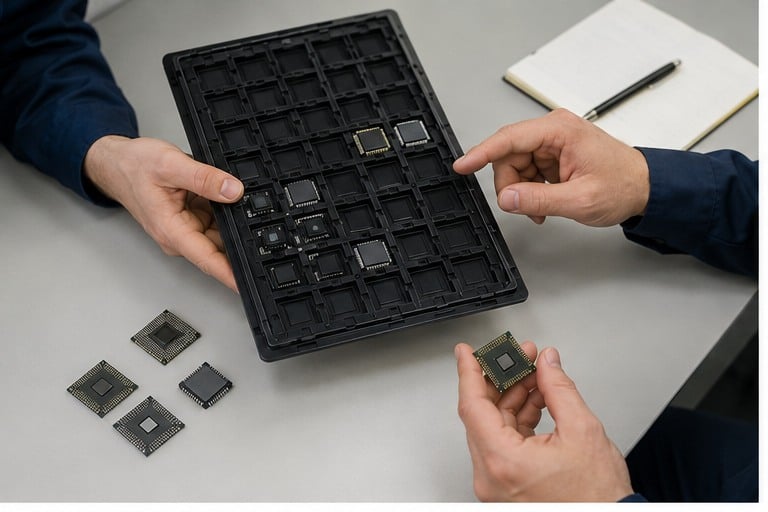
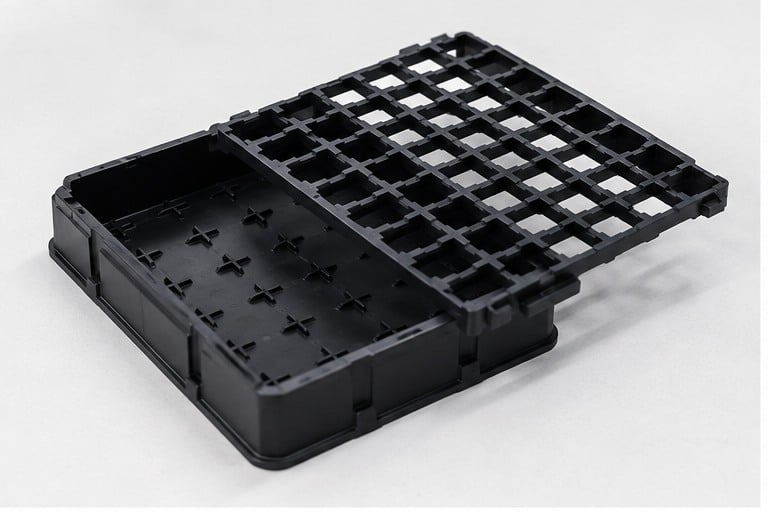
صواني ESD مخصصة لتوفير الحماية للوحات الدوائر المطبوعة (PCB) من الأضرار التي قد تحدث أثناء نقل لوحات الدوائر المطبوعة وتخزينها و/أو التعامل معها. ستستخدم صينية ESD مادة موصلة أو تبديدية للمساعدة في امتصاص أي كهرباء ساكنة. سيؤدي استخدام صواني ESD إلى تقليل خطر التفريغ الكهروستاتيكي غير المقصود أثناء الإنتاج والتوزيع للمصنعين.
2. تخزين لوحات الدوائر المطبوعة (PCBs) في علب ESD
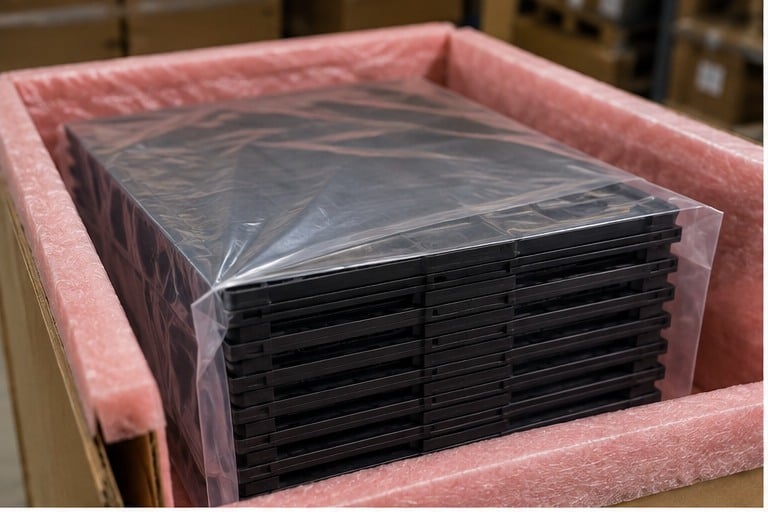
يجب استخدام صناديق ESD عالية الجودة للوحات الدوائر المطبوعة (PCBs) عندما لا تكون لوحات الدوائر قيد الاستخدام. تعتبر الصناديق ضرورية لعملية تصنيع متواصلة مع تخزين آمن لأعداد كبيرة من المكونات في بيئة خاضعة للتحكم في التفريغ الكهروستاتيكي (ESD).
3. التنظيف بفرش ESD
لتحقيق الأداء الأمثل للوحة الدوائر المطبوعة (PCB)، يجب إجراء صيانة دورية باستخدام أدوات التنظيف اليومية الخاصة بك. يُعد فرشاة التفريغ الكهروستاتيكي (ESD) مفضلة لقدرتها على عدم إنتاج تراكم كهرباء ساكنة أثناء عملية التنظيف، وكذلك إزالة المواد الملوثة بفعالية. عادةً ما تنتج فرشاة غير ESD كمية معينة من التفريغ الكهربائي، مما يزيد من احتمال إحداث ضرر للوحة الدوائر بسبب ذلك.
4. تأمين النقل باستخدام صناديق ESD
تُستخدم صناديق التعبئة الكهربائية لمكافحة التفريغ الكهروستاتيكي (ESD) أثناء نقل ولوح الدوائر المطبوعة. صناديق ESD هي صناديق قوية تمنع تراكم الشحنات الساكنة وتوفر الحماية من المخاطر الناتجة عن تفريغ المجال الكهروستاتيكي (EFD). يتم الاحتفاظ بالمكونات الكهربائية الحساسة الموجودة في هذه الصناديق بعيدًا عن التلامس العرضي مع الكهرباء الساكنة.
5. الحفاظ على مساحات عمل آمنة من التفريغ الكهروستاتيكي
تتعرض لوحات الدوائر المطبوعة (PCBs) لخطر الكهرباء الساكنة، ولذلك، يجب اعتبار حصائر مضادة للكهرباء الساكنة، وأحزمة معصم، وأنظمة تأريض كطرق حماية أساسية. سيساعد استخدام هذه الأدوات في تخفيف فرص حدوث تفريغ كهرباء ساكنة غير مقصود وخلق بيئة عمل أكثر أمانًا للموظفين وبيئاتهم. توفر السيور الناقلة الآمنة من الكهرباء الساكنة لتجميعات لوحات الدوائر المطبوعة الحساسة أيضاً وسيلة لا تقدر بثمن لنقل لوحات الدوائر المطبوعة بين خطوط الإنتاج مع القضاء على الأضرار الناجمة عن الكهرباء الساكنة.
أفضل الممارسات لإدارة تفريغ الشحنات الكهروستاتيكية (ESD) في عمليات لوحة الدوائر المطبوعة (PCB)
لإنشاء بيئة عمل آمنة من التفريغ الكهروستاتيكي (ESD)، هناك عناصر متعددة تحتاج إلى أخذها في الاعتبار. فيما يلي بعض أفضل الممارسات الأساسية التي ستوفر أقصى حماية للوحدات المطبوعة (PCBs).
تدريب موظفيك على كيفية التعامل مع المكونات الإلكترونية الحساسة بشكل صحيح وآمن سيساعد في الحفاظ على حماية مؤسستك بأكملها ضد التفريغ الكهروستاتيكي (ESD).
المراجعات المستمرة: التأكد من الامتثال لإجراءات التحكم في التفريغ الكهروستاتيكي حسب متطلبات الصناعة وإجراء مراجعات دورية وفقًا لذلك.
مستلزمات ESD: هناك أنواع مختلفة منتجات ESD (صواني، صناديق، فرش، علب، إلخ) التي يجب استخدامها بشكل متكرر في كلا المنتجين المصنوعين، لغرض الإنتاج والصيانة.
يجب أن تظل مستويات الرطوبة في أرضيات الإنتاج عند المستويات المثلى. الظروف الجافة للغاية تخلق احتمالية لتكون الكهرباء الساكنة.
ممارسات الاختبار: قم بإجراء اختبارات روتينية للمكونات الحساسة لتحديد نقاط الفشل المحتملة المتعلقة بتفريغ الشحنات الكهروستاتيكية وحلها.
تكاليف تجاهل مخاطر الكهرباء الساكنة
يمكن أن يتسبب فشل تنفيذ طرق الحماية من التفريغ الكهروستاتيكي (ESD) في عواقب مالية سلبية لجميع الأطراف المعنية؛ فالشركة التي تنتج أو تبيع المنتجات الحساسة للتفريغ الكهروستاتيكي والمستخدم النهائي الذي يتلقى مثل هذا المنتج. قد يتحملون تكاليف باهظة لاستبدال أو إصلاح المنتجات التالفة، ويعانون من انخفاض موثوقية إنتاج المنتج، ويتكبدون أضراراً لسمعتهم. في الصناعات ذات مستويات الإنتاج العالية من المنتجات التي يجب أن تعمل بشكل موثوق، يكون هناك تأثير طويل الأجل أكبر في حالة وجود فشل كامل أو جزئي للتفريغ الكهروستاتيكي، مثل فقدان العملاء أو خسارة الحصة السوقية.
بناء استراتيجية استباقية للتفريغ الكهروستاتيكي
بيئة عمل آمنة من التفريغ الكهروستاتيكي واستخدام أدوات ESD هما أفضل الطرق لمكافحة الكهرباء الساكنة بشكل استباقي. استخدام جودة عالية صواني ESD للوحات الدوائر المطبوعة هو استثمار رائع في برنامج الحماية الخاص بك من التفريغ الكهروستاتيكي (ESD). بالإضافة إلى ذلك، فإن إنشاء برامج تدريب على التفريغ الكهروستاتيكي، وإجراء عمليات تفتيش منتظمة، وتنفيذ نواقل أو مساحات عمل آمنة من التفريغ الكهروستاتيكي في إعدادات التصنيع الخاصة بك يخلق فوائد قابلة للقياس، مثل انخفاض فشل المنتجات وزيادة موثوقية المنتجات.
عندما ترغب الشركات في الحفاظ على قدرتها التنافسية، يجب عليها أيضًا أن تأخذ قضايا التفريغ الكهروستاتيكي (ESD) كجزء من استراتيجية أعمالها الناجحة. يمكن لتطبيق تدابير سلامة التفريغ الكهروستاتيكي أن يقلل المخاطر بشكل كبير، ويوفر حماية أكبر للاستثمارات، ويقدم منتجات عالية الجودة للمستخدم النهائي إذا تم النظر فيها بطريقة شاملة.
البقاء في المقدمة في صناعة الإلكترونيات يعتمد على الابتكار، وأساس قوي لمراقبة الجودة، وكيفية حماية نفسك من المخاطر مثل الكهرباء الساكنة.
ختاماً، يتطلب حماية لوحات الدوائر المطبوعة (PCBs) ضد الكهرباء الساكنة يقظة مستمرة واستثماراً مناسباً في أدوات آمنة للكهرباء الساكنة مثل صواني ESD، وصناديق ESD، وصناديق ESD، وفرش ESD، وسيور ESD. يجب على المصنعين والموزعين وفنيي الخدمة تقييم الحاجة باستمرار لحماية منتجاتهم من التلف المحتمل بسبب الكهرباء الساكنة من خلال إعطاء الأولوية للحماية من الكهرباء الساكنة حتى يتمكنوا من الحفاظ على موثوقية منتجاتهم طوال عمرها. من خلال تطبيق الإجراءات المقترحة في هذه المقالة، ستقلل من المخاطر وتساهم في طريقة أكثر كفاءة للتعامل مع لوحات الدوائر المطبوعة في أي بيئة.
أحدث مشاركة
-
-
-
 IC Tray Inserts: Pocket Design, Fit Checks and RFQ Guide06 سبتمبر,2026
اترك ردًا