- Turbo
- Blog
ESD boots vs shoes for cleanrooms should be compared through the required coverage, gowning interface, actual work route, and documented footwear arrangement. A taller shaft may change coverage and dressing, but it does not automatically establish better ESD control, cleanliness, slip performance, or physical protection. Identify the exact products and hazards, evaluate representative wearing and movement, and keep each technical requirement supported separately. This guide focuses on cleanroom high-boot and low-shoe formats, rather than assuming that appearance or an ESD label qualifies every workplace use.
Define the coverage requirement before choosing height
Write down what the process requires around the foot, ankle, trouser opening, and lower leg. Determine which interfaces matter during the permitted movements and dressing sequence. A tall boot format and a low shoe format create different arrangements, but the process owner must decide which arrangement is acceptable for the actual work area.
Avoid choosing height from a generic cleanroom photograph. The required coverage may depend on the garment, work posture, issue and cleaning method, and area procedure. Record the approved route and relevant transitions. A product accepted for one controlled area should not be carried into another area automatically just because both places use cleanroom clothing.
Identify the exact boot and shoe constructions
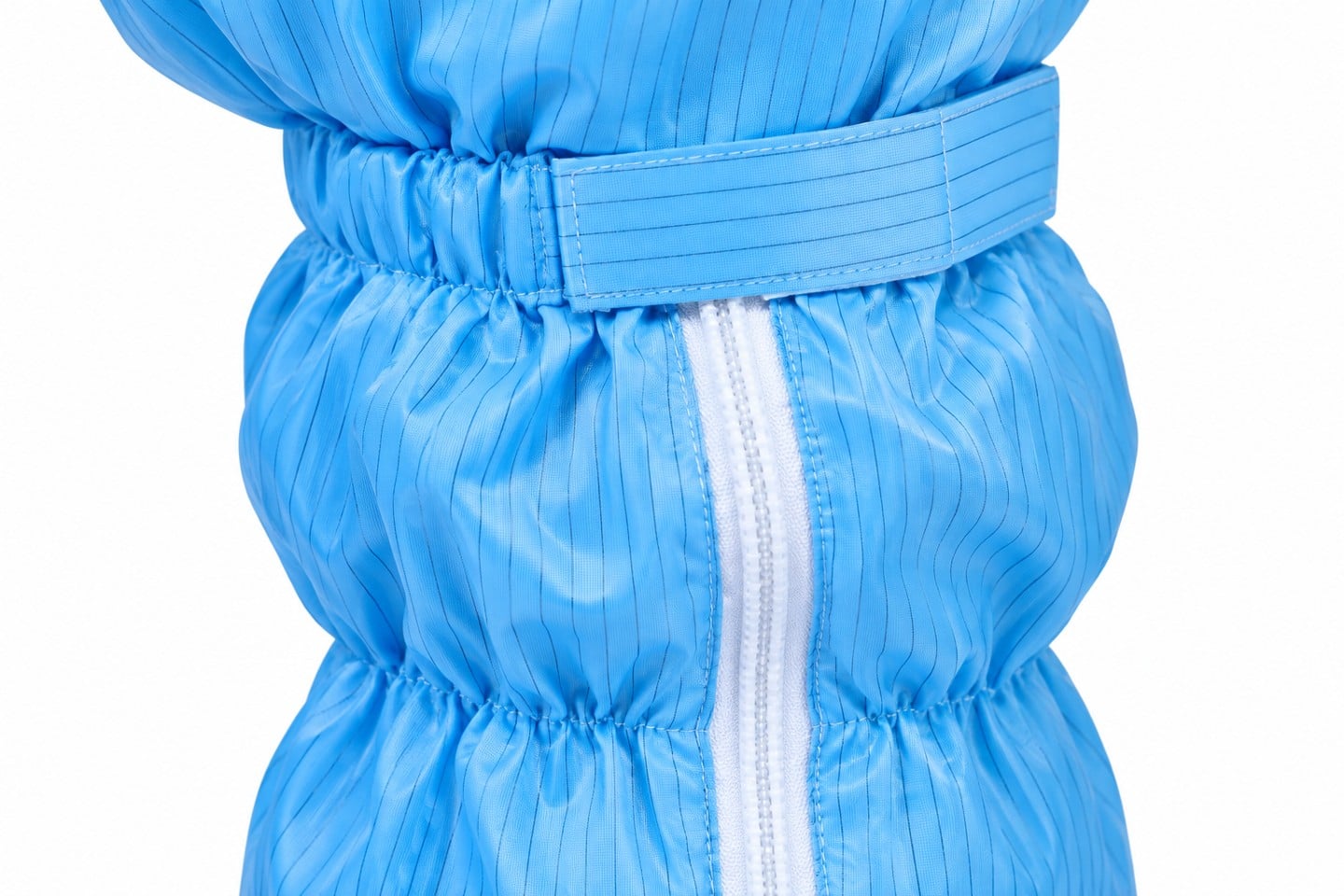
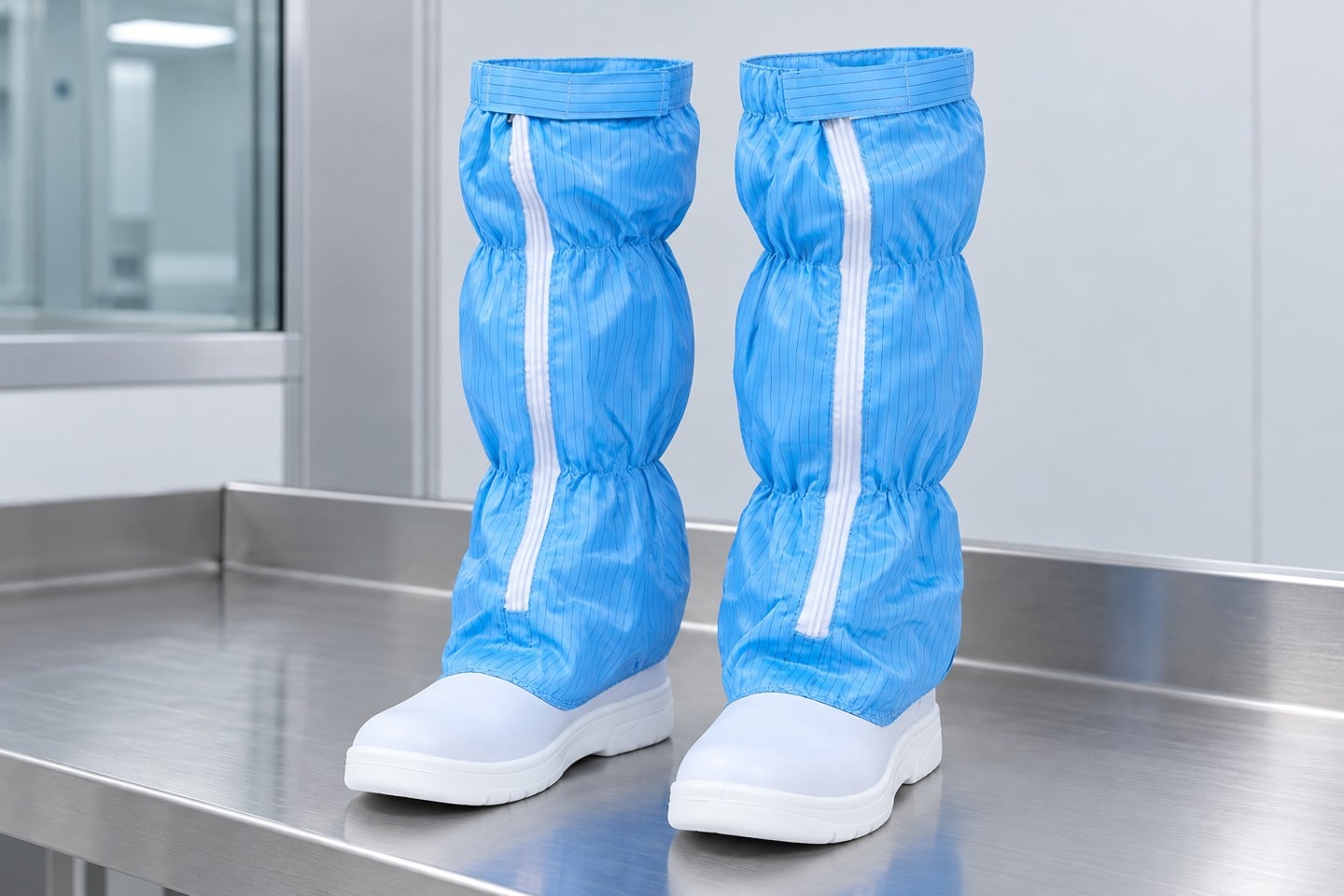
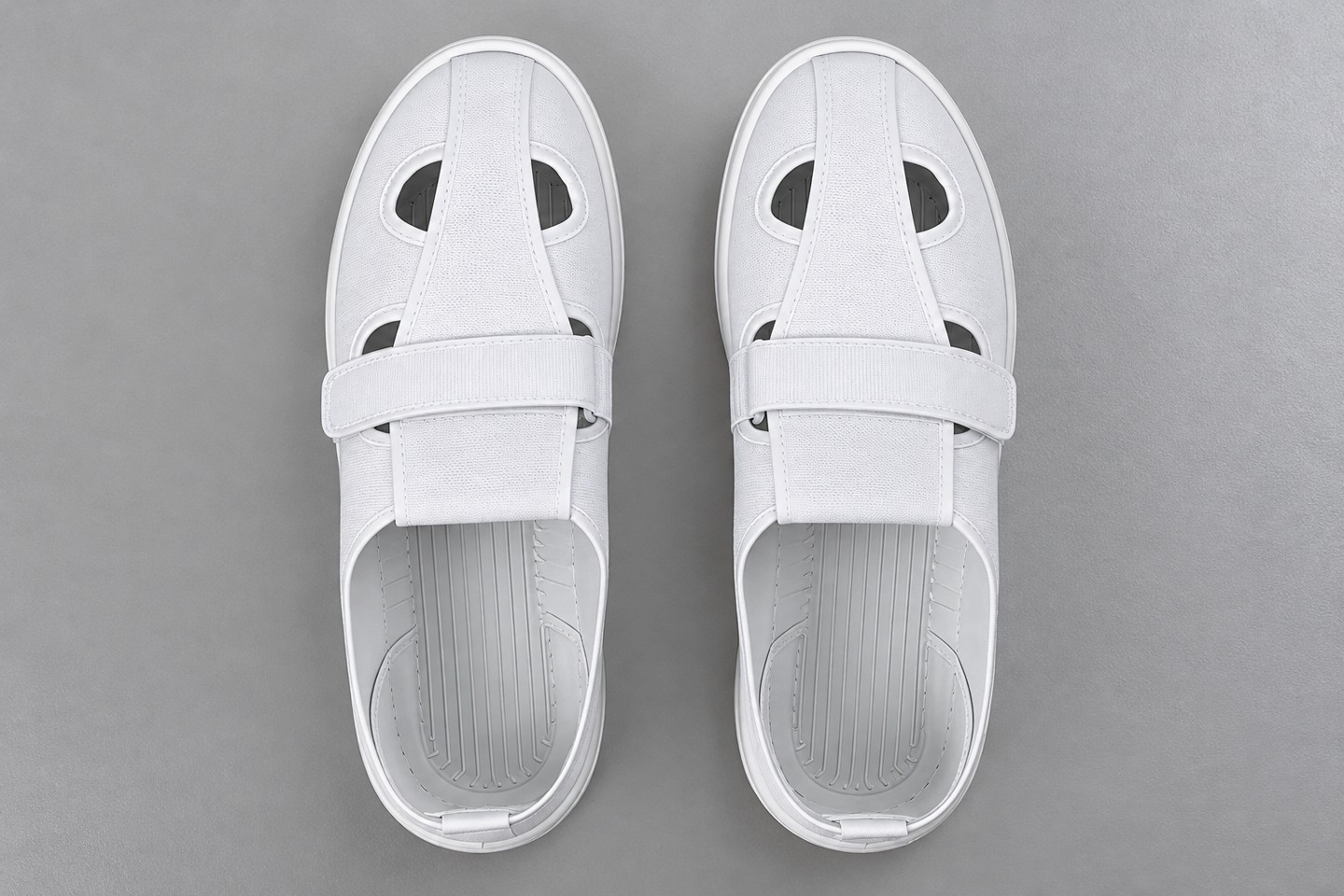
The SWESD high cleanroom boot provides a product reference with a tall blue fabric section, closure features, and a light-colored sole. The SWESD ventilated cleanroom shoe provides a separate low-footwear reference. Match actual delivered samples to the proposed product identities before comparing them.
Ask for the supplied construction, size system, fastening instructions, care restrictions, and relevant reports. A tall cover-and-sole arrangement should not be assumed equivalent to a protective industrial boot. Likewise, a low ventilated shoe should not be assigned the properties of another model because the upper looks similar. Product photographs support identification, not electrical or safety certification.
Review hazards separately from ESD labeling
The Canadian Centre for Occupational Health and Safety footwear guidance explains selecting footwear for the workplace hazards and distinguishing protective functions. Use the actual safety assessment. An ESD label does not establish toe, puncture, chemical, slip, or electric-shock protection.
If the task requires a particular protective function, request suitable evidence for the exact model or consider another approved arrangement. Do not infer protection from a tall shaft or a closed toe. The slippers versus safety footwear guide addresses that separate selection boundary and helps keep physical protection distinct from the cleanroom coverage comparison here.
Qualify the electrical arrangement independently
The EOS/ESD Association material-control overview discusses footwear and flooring as part of the complete personnel-control program. A taller product is not automatically a better grounding arrangement. Identify what the product must demonstrate and how it is intended to be used with the wearer and floor.
The ESD shoe resistance guide distinguishes material, footwear, and worn-system questions. Request reports that identify the actual specimen and method. A low-shoe report should not be extended to a high-boot assembly, or the reverse, without a documented basis. Follow the applicable requirements and approved program rather than assigning a universal resistance number in a purchasing comparison.
Compare the formats with a process matrix
| Decision | High-boot question | Low-shoe question |
|---|---|---|
| Coverage | Does the shaft meet the defined garment interface? | Is ankle and trouser coverage acceptable? |
| Dressing | Can the authorized sequence be followed? | Can the shoe be issued and worn correctly? |
| Movement | Do closures and shaft remain suitable on the route? | Does retention remain suitable during the task? |
| Electrical | Is this complete arrangement supported? | Is this exact shoe-floor arrangement supported? |
| Other requirements | Is cleanliness and hazard evidence applicable? | Are the same independent needs addressed? |
The matrix should identify decisions and observations, not award points simply because one product has more material or a taller opening. Different work routes may justify different accepted products, provided the scope and issue process are controlled. Record limitations as well as successful observations.
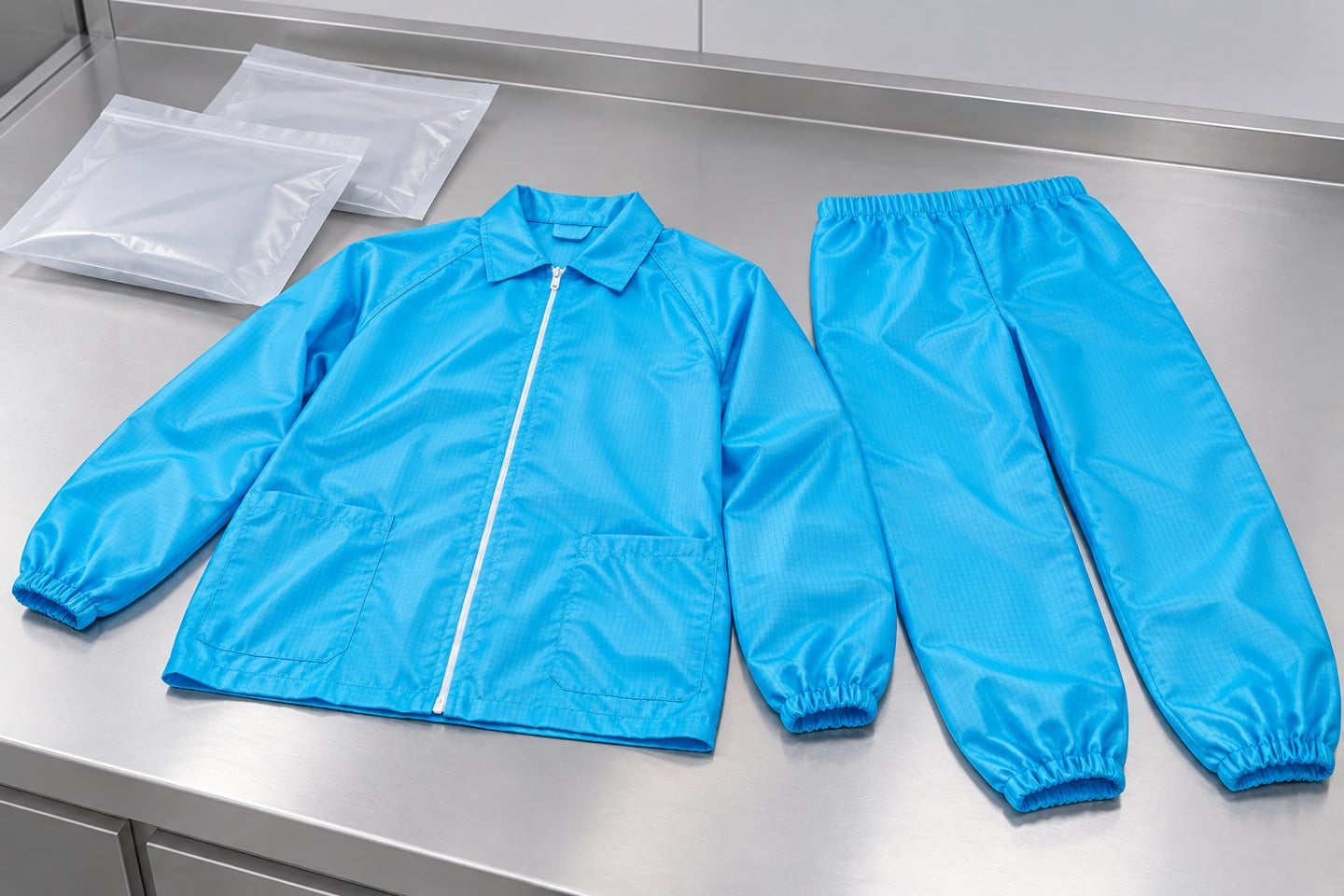
Include the actual garment and any other required items in the comparison. A boot trial performed without the trousers that will be used in production can miss an interface problem. A low-shoe trial can likewise omit a relevant ankle or trouser-opening requirement. The complete approved arrangement needs to be visible in the trial record.
Evaluate fit and dressing in the real space
Use the supplier’s size and wearing instructions. Check foot fit, retention, closure operation, shaft adjustment where provided, and the relationship with the garment. Do not assume that ordinary shoe size maps perfectly to every product family. Request clarification where the manufacturer’s size basis is unclear.
Observe the authorized dressing and removal sequence in the actual or representative gowning space. Record whether users can complete it without unintended contact, unstable positioning, or an unapproved workaround. This evaluation should use the workplace’s safe arrangements. Difficulty with dressing is a process finding, not something to hide behind a successful static product inspection.
Observe movement over the permitted route
Include normal walking, turning, sitting, standing, and relevant transitions. Record retention, closure movement, garment interaction, and any condition needing review. A comfortable stationary fit does not establish suitability for the complete route. Do not improvise a hazardous slip test or treat a short walk as a certified slip-performance assessment.
Where staff operate equipment, move materials, or work around particular hazards, involve the responsible owners in evaluating that use. Keep the trial within its authorized scope. A product selected mainly for coverage may still be unsuitable for another important task requirement. The approval should state where the footwear may be used and where another arrangement is required.
Treat cleanliness as a documented product requirement
Specify the cleanliness evidence and supplied state the process requires. A cleanroom product name does not establish sterility, a universal particle limit, or suitability for every class of controlled area. Request the relevant report or supplier-supported information for the exact construction.
Review how the product is handled, stored, cleaned if permitted, and issued. The taller format may require a different handling sequence or storage arrangement, but the appropriate decision depends on the actual workplace and product instructions. An accepted supplied state can be undermined by unsuitable handling. Keep used, awaiting-review, cleaned, and accepted items distinguishable where those states exist in the approved route.
Verify the permitted care and service route
Obtain cleaning, drying, storage, inspection, and replacement instructions. Do not assume that the fabric shaft, sole, closure, and other components tolerate the same treatment as another shoe or garment. If the product is serviced, identify which checks are needed before return to use.
Track relevant changes in condition, fit, closure function, and required performance. A visible repair or replacement component may need technical review. Do not extend the original approval automatically to an altered assembly. The test report requirements guide helps connect required evidence to a defined specimen and preparation rather than to an untraceable family claim.
Review the closure details in the actual dressing arrangement. A zipper or adjustment band that is accessible before the trousers are positioned may be difficult to operate afterward. Record whether the approved sequence allows correct closure and later inspection without disturbing other required items. Do not add straps, clips, adhesive tape, or another fastening aid to compensate informally. Such a modification changes the supplied arrangement and should return to the responsible product and process review.
Release a clearly defined footwear option
Document the accepted model, size range, wearing instructions, garment interface, floor and route, required reports, care route, inspection criteria, and replacement triggers. Specify how visitors or workers without an accepted fit are handled. An authorized alternative is better than an improvised substitution at the entrance.
Train issue staff and users to distinguish the approved formats and their limitations. A high boot accepted for a particular gowning arrangement should not be described as universally safer or electrically superior. Review product, floor, garment, process, or route changes before extending the decision. Keep the supplier’s change-notification expectations in the purchase specification.
Educational background and the final comparison
The following introductory EOS/ESD Association lecture explains the electrostatic-control context of the separate footwear approval. It does not compare these models, provide protective-footwear ratings, or certify a cleanroom class. Use the actual product evidence and site assessments for those decisions.
A defensible comparison identifies which construction meets the defined coverage and operating requirements, under which conditions, and with which remaining limits. It may approve a high boot for one route and a low shoe for another. The result should give procurement and production a repeatable scope rather than a broad claim that one footwear height is always best for cleanrooms.
Frequently asked questions
Are taller boots automatically better for ESD control?
No. Qualify the exact footwear and flooring arrangement.
Does a high shaft establish protective-footwear ratings?
No. Request evidence for the actual workplace hazards and exact model.
Can a low-shoe report cover a high boot automatically?
No. Establish the scope and any documented basis for applying the evidence.
Does a cleanroom product name establish sterility?
No. Specify and verify the actual required supplied state and cleanliness evidence.
What should an approval identify?
Identify model, size, garment interface, route, reports, care, inspection and replacement conditions.
Leave a Reply