- Блог
“Маркировки ”ESD safe“ и ”ESD protected» не являются полными спецификациями. Покупатель должен связать каждую фразу с этапом обработки, границей защищаемой зоны, ролью упаковки или контейнера и доказательствами, требуемыми для конкретной модели.
Часть 1. Что означают термины «безопасный от ЭСР» (ESD safe) и «защищенный от ЭСР» (ESD protected) в закупочной документации?
Практическое различие заключается в области применения. Выражение “ESD safe” часто используется как общее описание изделия или метода работы; “ESD protected” должно описывать определенное контролируемое условие, такое как предмет внутри защищенной зоны или упаковка, предназначенная для контроля воздействия во время определенной передачи.
Ни одна из фраз сама по себе не доказывает поверхностное сопротивление, экранирование, заземление, сертификацию или пригодность для конкретной модели. Ассоциация ESD описывает контроль электростатического разряда как скоординированную программу, включающую персонал, заземление, материалы и процедуры, поэтому контейнер следует рассматривать как одну из частей этой программы.
Часть 2. Какую формулировку должен использовать покупатель на каждом этапе обработки?
| Закупочная фраза | Лучший вопрос | Доказательства для запроса |
|---|---|---|
| Антистатический контейнер | Для какого предмета и этапа обработки это безопасно? | Декларация материалов, чертеж и применимый протокол испытаний |
| Хранение с защитой от электростатического разряда | Защищен от какого воздействия и в течение какого времени? | Описание маршрута, план упаковки и метод испытаний |
| Антистатическая коробка или лоток | Определено ли поведение для этого SKU? | Код модели, ревизия и актуальное техническое описание |
| Упаковка для защиты от электростатического разряда | Предназначен ли этот пакет для использования EPA или для передачи за ее пределы? | Обработка граничных условий и спецификации упаковки |
Используйте формулировку, соответствующую утверждаемому решению. В заказе на покупку нельзя оставлять термин “безопасно” неопределенным, когда процессы приемки, подачи на линию и отгрузки связаны с разными рисками.
Часть 3. Когда коробка, лоток или контейнер подходят для процесса?
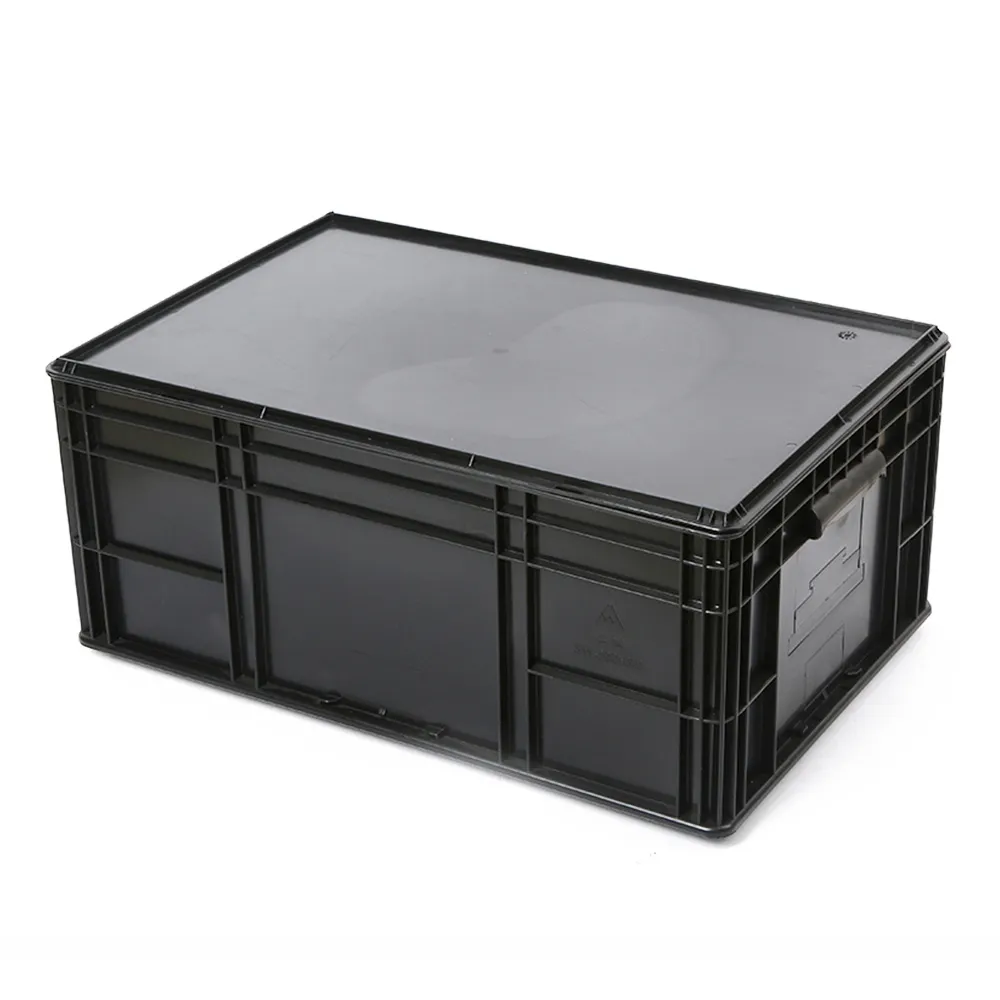
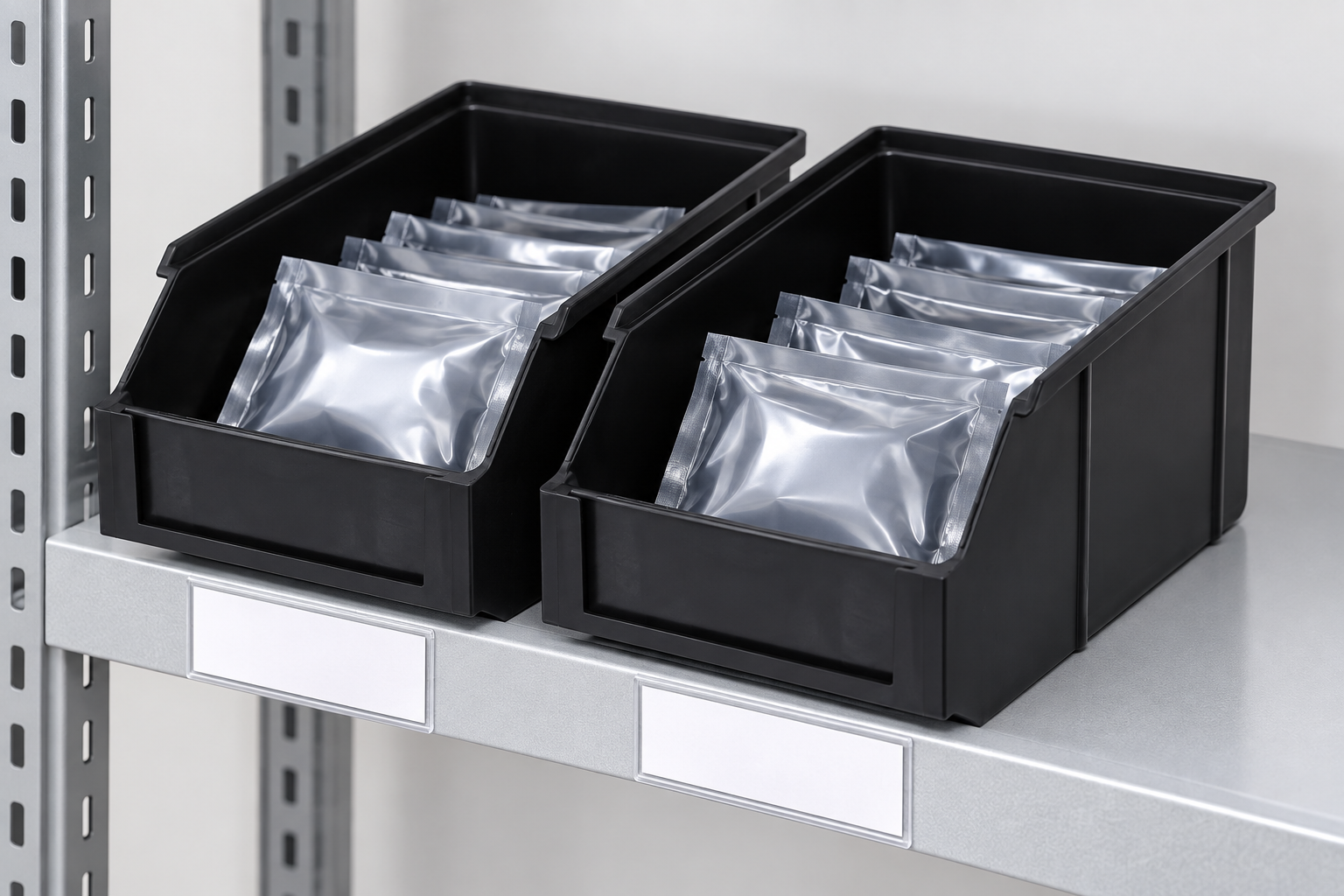
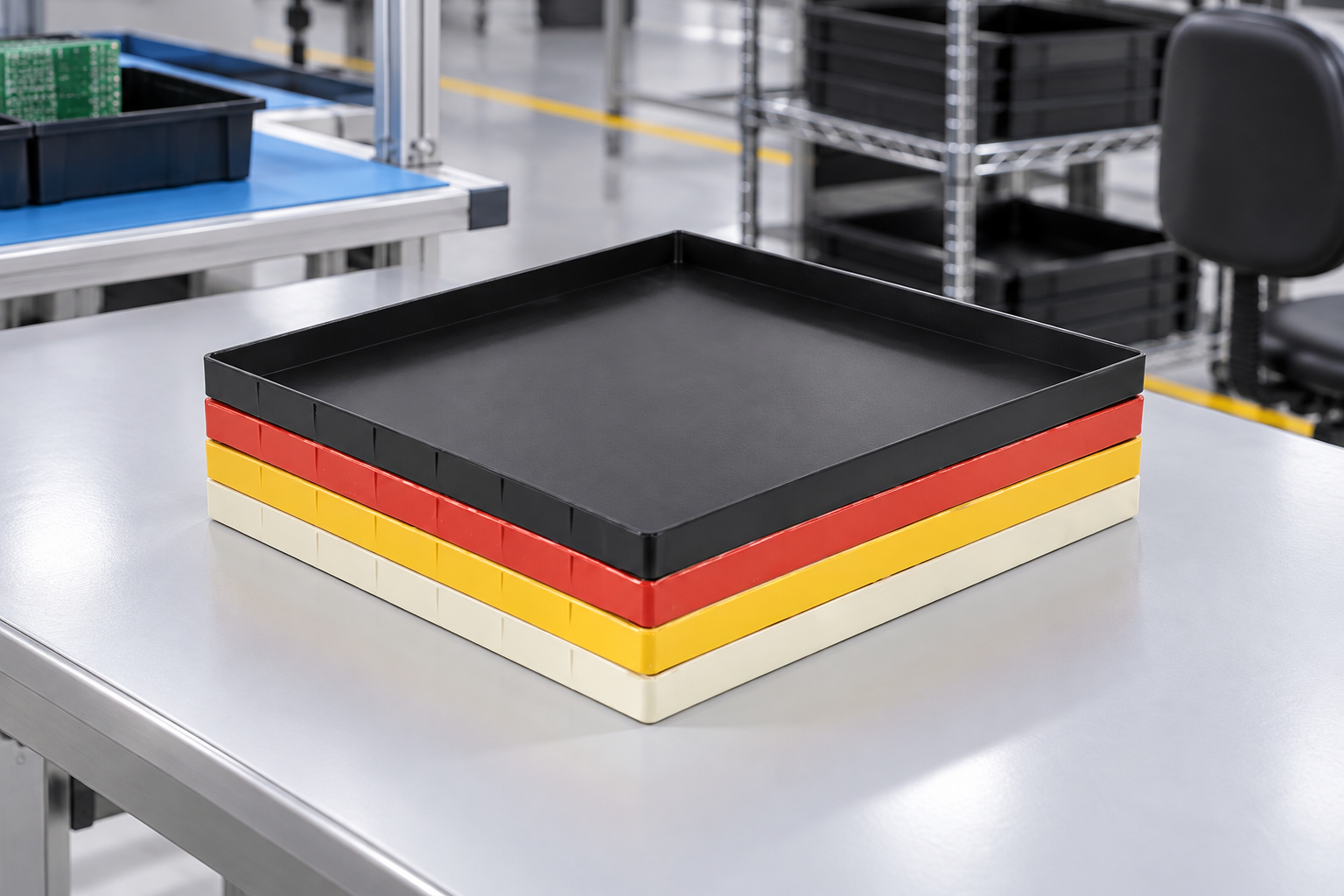
Закрытый ящик — более надежная отправная штатная точка, когда детали требуют защиты, штабелирования или документированного маршрута перемещения. Открытый лоток может подойти для прицеховой подачи, если технологический процесс удерживает изделие в пределах заданной защищенной зоны, а сопряжение с лотком проверено. Контейнер может подойти для комплектации компонентов, когда доступ и маркировка важнее защищенности.

Граница зоны прилегания меняется за пределами защищенной зоны. Руководство ESDA разграничивает процедуры в защищенной зоне и ситуации, когда требуется защитная упаковка; поэтому открытый лоток не должен автоматически рассматриваться как защита при транспортировке. Укажите маршрут, передачу и воздействие в спецификации перед выбором семейства.
Важно: Этикетка, черный цвет или фотография изделия не доказывают электрические характеристики. Требуйте точные доказательства по модели и применимое требование к программе управления перед утверждением.Стандарты Ассоциации электростатического разряда)
Часть 4. Какие доказательства должен предоставить поставщик?
Запросите компактный, пригодный для проверки пакет доказательств:
- Точная модель, ревизия, чертеж и размеры.
- Описание материалов или конструкции в рамках утвержденного объема.
- Метод испытания, дата и условия для любой электрической претензии.
- Предполагаемый этап обработки и остается ли предмет в защищенной зоне.
- Инструкции по упаковыванию, маркировке и инспекции.
- Действующий сертификат или стандарт ссылается только на те случаи, когда это применимо к модели и программе.
Земля Указатель стандартов ESD Association является более надежной отправной точкой, чем датированный PDF-файл, скопированный в цитату. Покупатель должен зафиксировать, какое требование проверялось, кем и по какой редакции.
Часть 5. Какие краткие пути создают закупочные риски?
Цвет — это не спецификация. “Проводящий” в названии — это не протокол испытаний. “Сертифицирован” без указания сферы применения, редакции и выдавшего органа недостаточно для утверждения модели. Страница категории может идентифицировать семейство продукции, но она не может заменить чертеж и подтверждающие документы для выбранного артикула.
Можно избежать трех распространенных ошибок:
- указание контейнера без описания маршрута за пределами охраняемой зоны;
- смешивание требований к лоткам для линии сборки и требований к исходящей упаковке;
- принятие претензии поставщика без кода модели и условий испытаний.
Исправьте формулировку перед оформлением заказа на закупку. Это гарантирует, что отделы инжиниринга, контроля качества и закупок будут работать в рамках единых требований.
Часть 6. Какие входные данные покупателя определяют проверяемый запрос на утверждение?
| Покупатель должен предоставить | Почему это важно | Ответ поставщика на запрос |
|---|---|---|
| Тип предмета, размеры и диапазон количества | Определяет соответствие и коммерческий объем | Сопоставление чертежей и моделей |
| Маршрут EPA, чистая зона, прилинейный или исходящий маршрут | Определяет границу воздействия | Рекомендуемое примечание по семейству и обращению |
| Открытая или закрытая презентация | Отделяет доступ от корпуса | Варианты конфигурации и крышек |
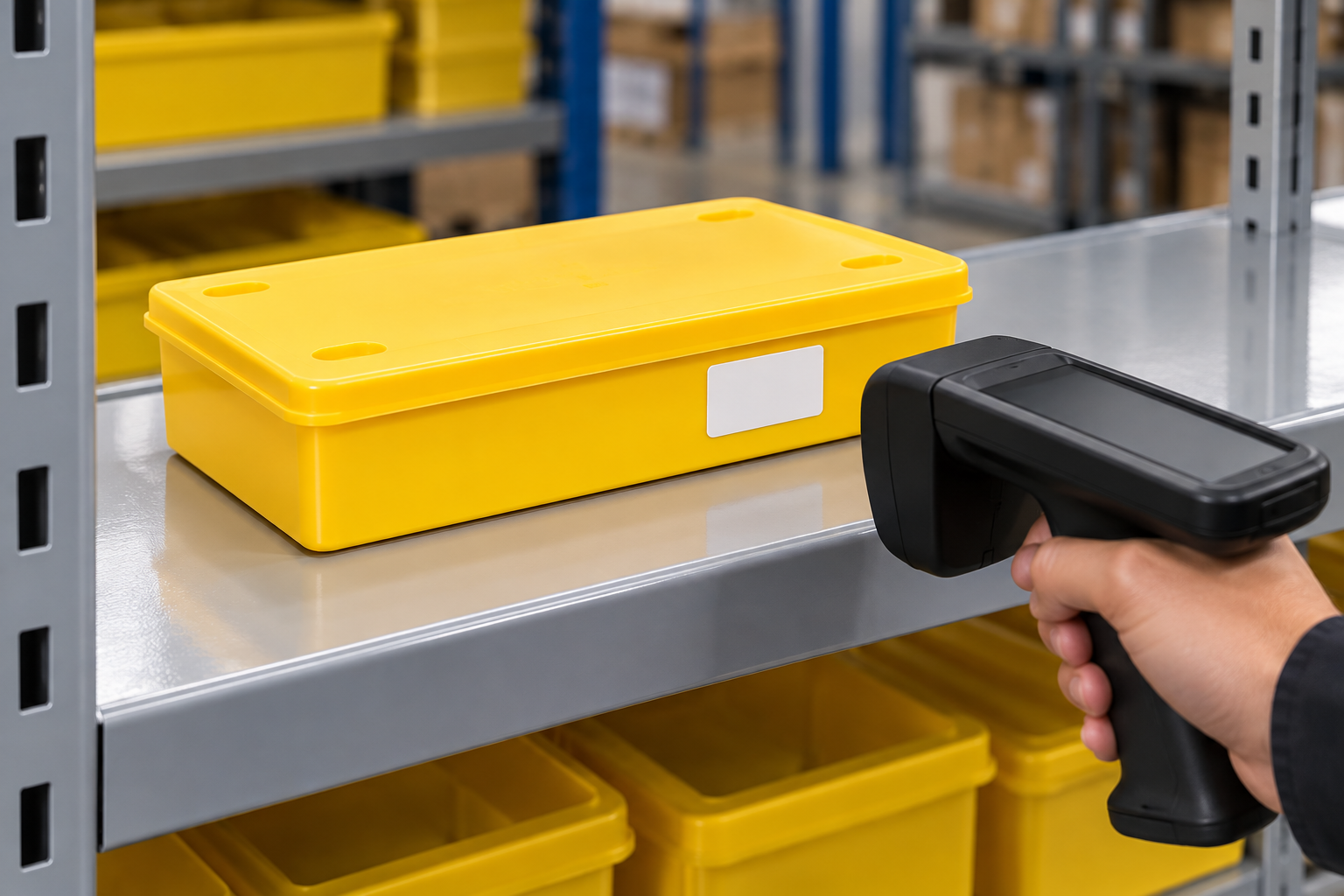
| Потребности в инспекции и прослеживаемости | Определяет получение доказательств | Тестовая запись и контроль версий |
| Применимый стандарт или внутреннее правило | Предотвращает расплывчатые формулировки о соответствии требованиям | Документы, соответствующие области применения |
Отправьте эти поля с Запрос на контакт Sanwei. Запросите ответ, специфичный для конкретной модели, вместо стандартной фразы “безопасно для электростатического разряда”.
Часть 7. Какое семейство продуктов Sanwei покупателям следует рассмотреть в первую очередь?
Начать с Категория антистатических ящиков когда защита корпуса, штабелирования или при транспортировке имеет центральное значение. Рассмотрите Категория антистатических лотков когда на первом месте стоят линейное представление и повторяемость размещения. Страницы категорий определяют доступные семейства; размеры, материалы, электрические характеристики и пригодность для трасс остаются предметом запроса предложений (RFQ).
Для получения более подробной информации о компании и контексте OEM/ODM см. О Санвэй и OEM/ODM. Не выбирайте модель только по цвету или общему названию.

Часто задаваемые вопросы
Эквивалентны ли понятия «безопасный от электростатического разряда» и «защищенный от электростатического разряда»?
Нет. Рассматривайте эти фразы как описания границ и определите этапы обработки, границы и доказательства до утверждения.
Доказывает ли черный контейнер, что он является проводящим?
Нет. Цвет — это не результат испытаний. Запросите материальные и электрические подтверждения для конкретной модели.
Может ли открытый антистатический лоток защитить плату во время транспортировки?
Не автоматически. Воздействие условий транспортировки и требования к упаковке должны рассматриваться отдельно от обработки на линии.
Каковы первые исходные данные для запроса коммерческого предложения (RFQ)?
Укажите габариты товара, категорию количества, маршрут обработки и информацию о том, остается ли товар внутри защищенной зоны.
Должны ли коробка и лоток использовать один и тот же метод утверждения?
Они могут совместно использовать элементы управления документами, но критерии посадки, доступа, корпуса и трассировки должны проверяться для каждого конкретного случая использования.
Может ли страница категории подтверждать электрическое значение товара?
Нет. Используйте его для определения семейства продуктов, а затем запросите точные данные о модели и условиях испытаний.
Оставить ответ