- Blog
“ESD safe” and “ESD protected” are not complete specifications. A buyer should connect either phrase to the handling step, the protected-area boundary, the package or container role, and the evidence required for the exact model.
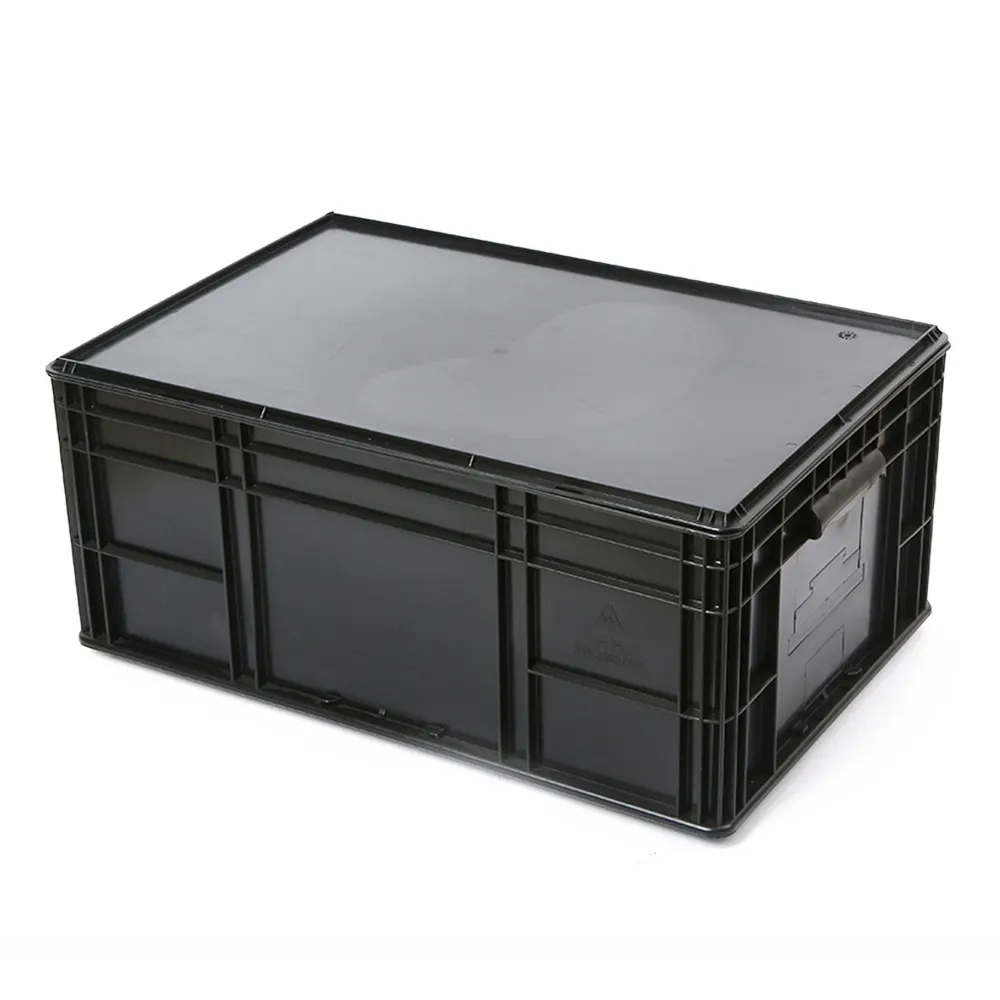
Part 1. What do ESD safe and ESD protected mean in a procurement document?
The practical distinction is scope. “ESD safe” is often used as a broad description of an item or work practice; “ESD protected” should describe a defined control condition, such as an item inside a protected area or a package intended to control exposure during a specified transfer.
Neither phrase, by itself, proves surface resistance, shielding, grounding, certification, or suitability for a named model. The ESD Association describes ESD control as a coordinated program involving people, grounding, materials, and procedures, so a container should be reviewed as one part of that program.
Part 2. Which wording should a buyer use for each handling stage?
| Procurement phrase | Better question | Provas a solicitar |
|---|---|---|
| ESD safe container | Safe for which item and handling step? | Material declaration, drawing, and applicable test record |
| ESD protected storage | Protected from which exposure and for how long? | Route description, packaging plan, and test method |
| Anti-static box or tray | Is the behavior defined for this SKU? | Model code, revision, and current datasheet |
| Embalagem ESD | Is the package for EPA use or transfer outside it? | Handling boundary and packaging specification |
Use the phrase that matches the decision being approved. A purchase order should not leave “safe” undefined when the receiving, line-side, and outbound steps have different risks.
Part 3. When does a box, tray, or bin fit the process?
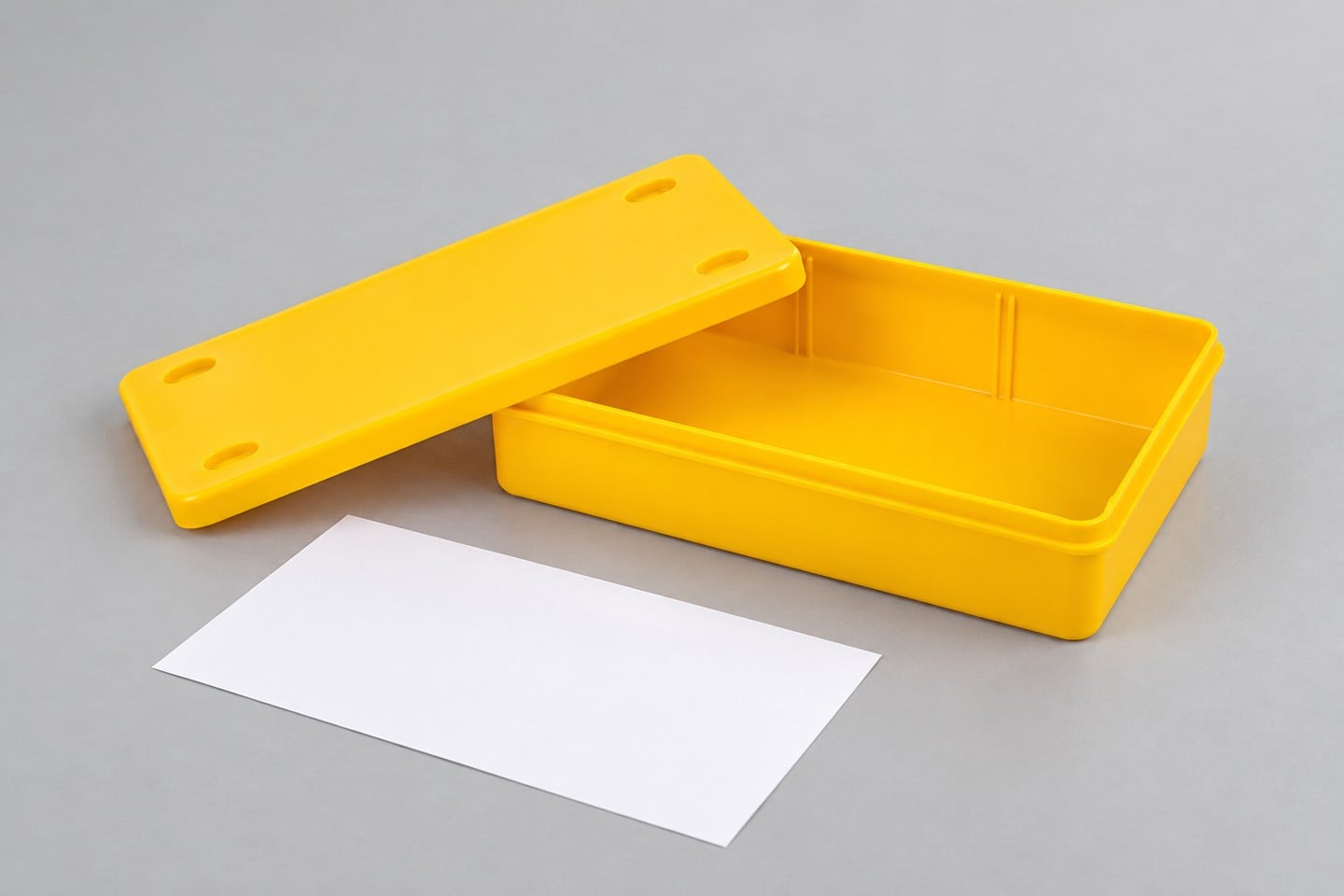
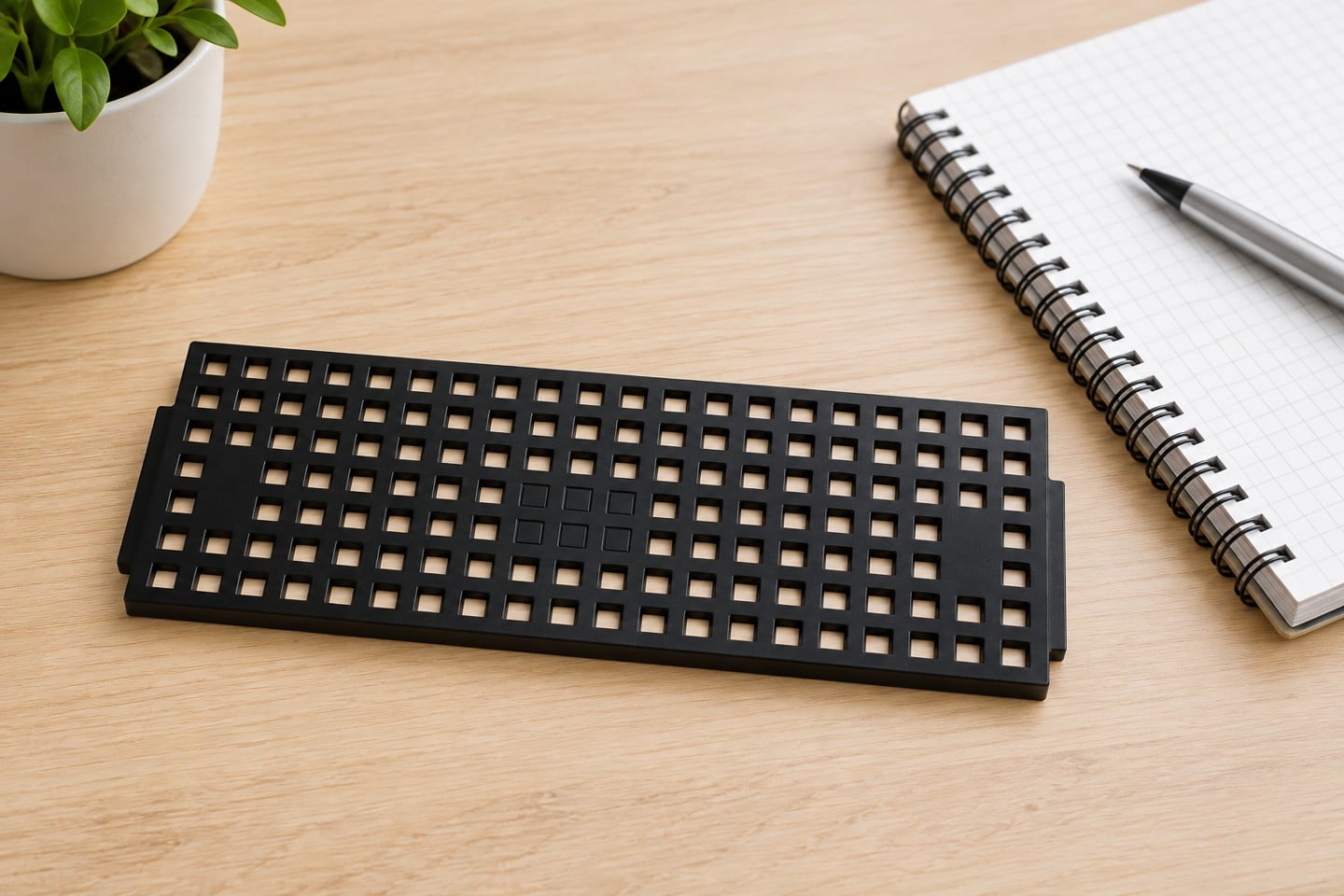
A covered box is a stronger starting point when parts need enclosure, stacking, or a documented transfer route. An open tray can fit line-side presentation when the process keeps the item inside the defined protected area and the tray interface is verified. A bin can suit component staging when access and labeling matter more than enclosure.

The fit boundary changes outside the protected area. ESDA guidance distinguishes protected-area procedures from situations where protective packaging is needed; therefore an open tray should not automatically be treated as shipment protection. State the route, handoff, and exposure in the specification before selecting a family.
Importante: A label, black color, or product photograph does not prove electrical behavior. Require the exact model evidence and the applicable control-program requirement before approval. (Normas da ESD Association)
Part 4. What evidence should a supplier provide?
Ask for a compact, reviewable evidence pack:
- Exact model, revision, drawing, and dimensions.
- Material or construction description within the approved scope.
- Test method, date, and conditions for any electrical claim.
- Intended handling stage and whether the item remains in the protected area.
- Packaging, labeling, and inspection instructions.
- Current certificate or standard reference only when it applies to the model and program.
O ESD Association standards index is the safer starting point than an undated PDF copied into a quotation. The buyer should record which requirement was checked, by whom, and against which revision.
Part 5. Which shortcuts create procurement risk?
Color is not a specification. “Conductive” in a title is not a test report. “Certified” without a scope, revision, and issuing body is not enough to approve a model. A category page can identify a product family, but it cannot replace the drawing and evidence for a selected SKU.
Three common errors are avoidable:
- specifying a container without describing the route outside the protected area;
- mixing a line-side tray requirement with an outbound packaging requirement;
- accepting a supplier claim without a model code and test conditions.
Correct the wording before issuing the purchase order. This keeps engineering, quality, and procurement reviewing the same boundary.
Part 6. Which buyer inputs define a reviewable approval request?
| O comprador deve fornecer | Porque é que isso importa | Supplier response to request |
|---|---|---|
| Item type, dimensions, and quantity band | Determines fit and commercial scope | Drawing and model mapping |
| EPA, cleanroom, line-side, or outbound route | Defines exposure boundary | Recommended family and handling note |
| Open or covered presentation | Separates access from enclosure | Configuration and lid/cover options |
| Inspection and traceability needs | Defines receiving evidence | Test record and revision control |
| Applicable standard or internal rule | Prevents vague compliance language | Scope-matched documents |
Send these fields with the Sanwei contact request. Ask for a model-specific response rather than a generic “ESD safe” sentence.
Part 7. Which Sanwei product family should buyers review first?
Começar com o ESD Box category when enclosure, stacking, or transfer protection is central. Review the ESD Tray category when line-side presentation and repeatable placement are central. The category pages identify the available families; dimensions, materials, electrical evidence, and route suitability remain RFQ questions.
For a broader company and OEM/ODM context, see About Sanwei e OEM/ODM. Do not select a model from color or a generic label alone.

FAQ
Is ESD safe the same as ESD protected?
No. Treat the phrases as scope descriptions and define the handling stage, boundary, and evidence before approval.
Does a black container prove that it is conductive?
No. Color is not a test result. Request model-specific material and electrical evidence.
Can an open ESD tray protect a board during shipment?
Not automatically. Shipment exposure and packaging requirements must be reviewed separately from line-side handling.
What is the first RFQ input to provide?
Provide the item dimensions, quantity band, handling route, and whether the item stays inside the protected area.
Should a box and tray use the same approval method?
They can share document controls, but the fit, access, enclosure, and route criteria should be reviewed for each use.
Can a category page confirm a product’s electrical value?
No. Use it to identify a product family, then request the exact model evidence and test conditions.

Deixar uma resposta