- Блог
Сквозное хранение и обращение с печатными платами становится проще контролировать, когда у каждого носителя есть одна основная задача. Используйте стойку для разделения плат, лоток для сохранения ориентации, коробку или контейнер для защиты маршрута и тележку для перемещения выбранного носителя. При каждой передаче фиксируйте статус, владельца, соответствие платы и условие, разрешающее выдачу.
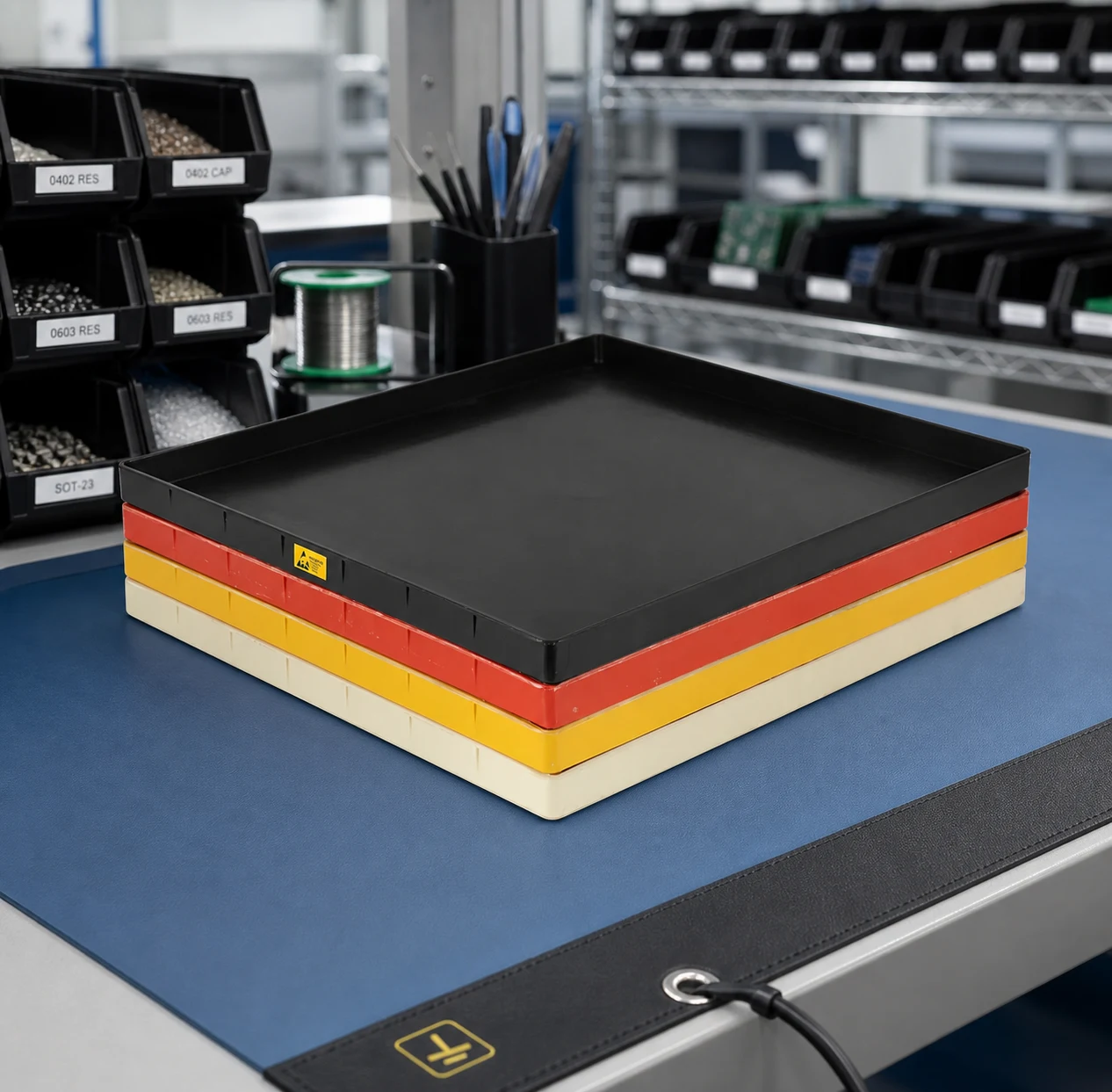
Построить иерархию хранилища
Земля Принципы ESD Association требуется программа, которая защищает конфиденциальные объекты по мере изменения условий. Таким образом, хранение — это технологическое решение, а не просто покупка стеллажей.
| Основная работа | Исходная точка перевозчика | Решение о записи |
|---|---|---|
| Разделить несколько досок | Журнальница | габарит платы, слот/интерфейс и метка состояния |
| Сохраняйте одну ориентацию или комплект | Лоток | контактная кромка, ориентация и полость/перегородка |
| Замкнуть маршрут или обратную петлю | Коробка или сумка | крышка/затвор, этикетка, чистка и повторное использование |
| Переместить загруженный носитель | Тележка | маршрут, право собственности, ограничения проходов/дверных проемов |
Земля Каталог оборудования для работы с печатными платами GoToPAC разделяет тележки, стеллажи и несущие конструкции. Используйте это разделение при планировке завода, чтобы тележка не была перегружена неопределенной функцией хранения.
Спроектируйте передачу чека на линию
При получении проверьте личность и состояние перед тем, как поместить плату в носитель. На подаче линии покажите номер партии и статус процесса. При контроле или доработке сделайте задержки видимыми. На готовой продукции определите, остается ли носитель внутри EPA или поступает в утвержденную упаковку.
Земля Руководство по хранению данных в Metro соединяет стационарные и мобильные накопители с электронной средой. Инструкция по обращению с ALLPCB подчеркивает ценность контролируемых контейнеров и осторожного контакта.
Приспособить лоток под решение для реальной платы
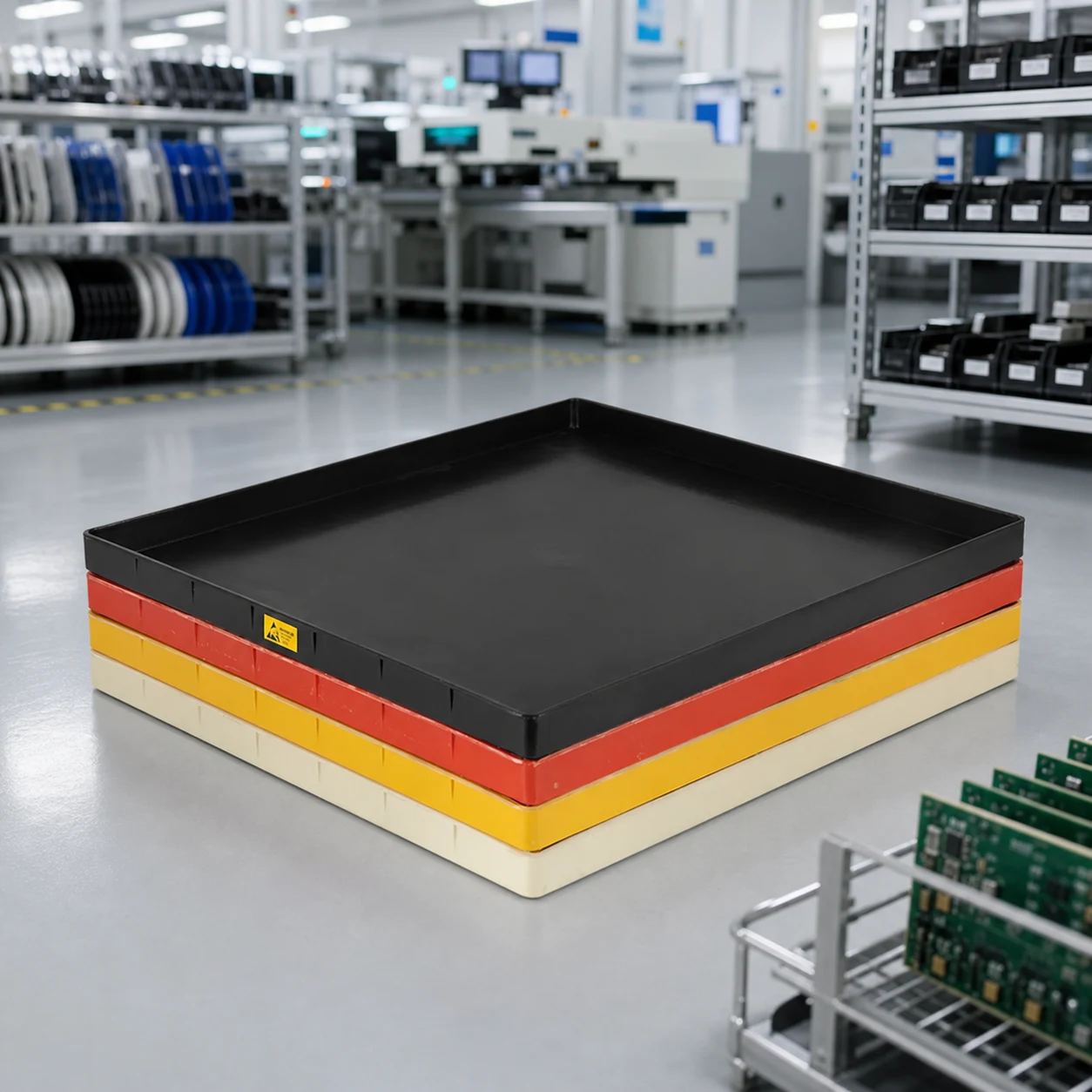
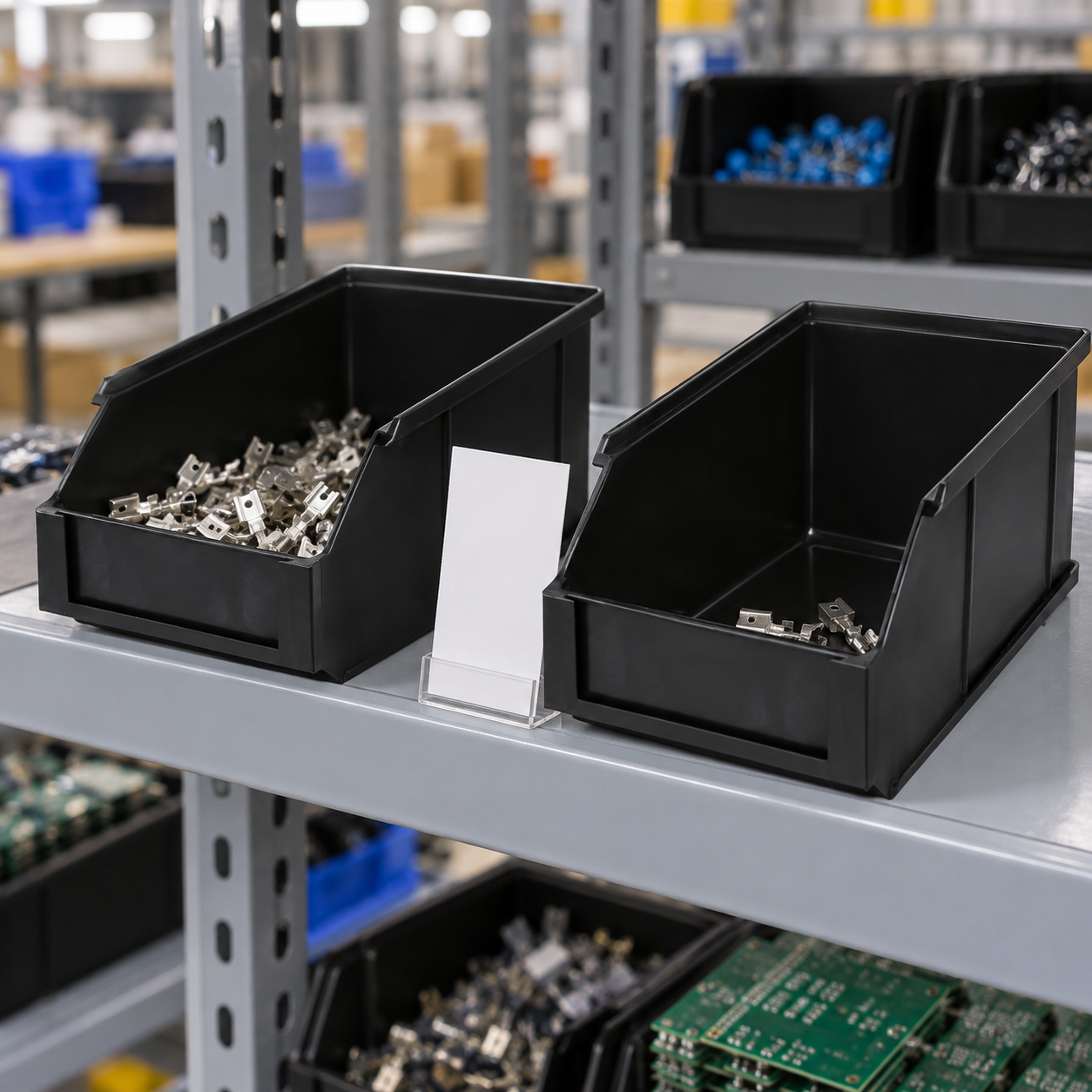
Земля Обзор лотков Elsepack и Объяснение лотка MKTPCB оба указывают на геометрию и управляемость в качестве критериев выбора. Подтвердите максимальный заполненный объем, запретные зоны для компонентов, допустимые контактные кромки, направление нагрузки, метод извлечения и видимость маркировки с помощью реальной платы.
Не определяйте количество пазов, шаг, термостойкость или поведение поверхности по фотографии. Протестируйте заполненный держатель с операторами, которые осуществляют его загрузку и разгрузку. Осмотрите плату и держатель после предполагаемого цикла перемещения и очистки.
Управление движением и исключения
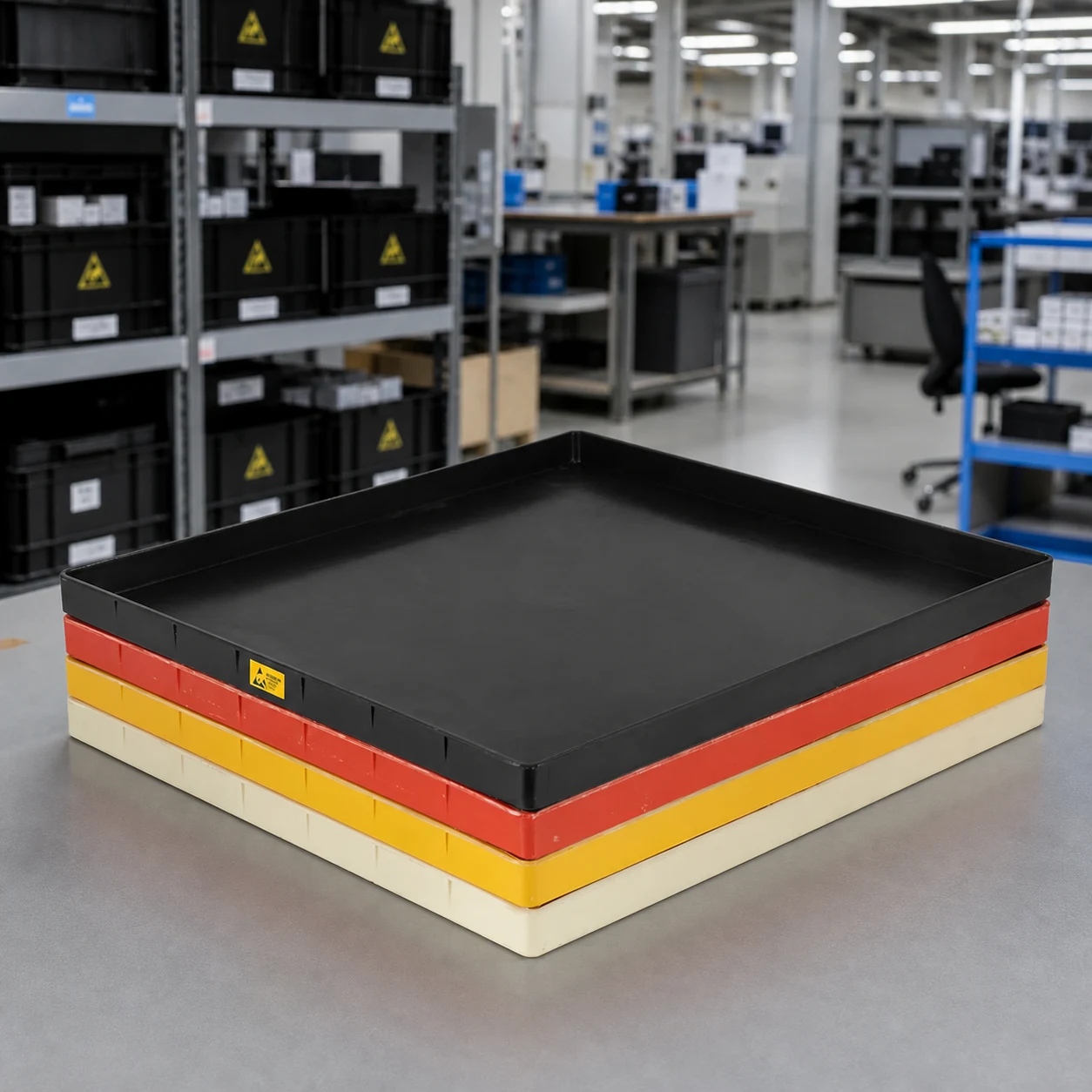
Перед тем как тележка покидает станцию, отправитель фиксирует статус и пункт назначения. Получатель принимает на себя ответственность и проверяет перевозчик. Если маршрут выходит за пределы зоны EPA, примените процедуру упаковки, описанную в Руководство по материалам Ассоциации ESD. . Обзор антистатической защиты EPA (ESD Protected Area) полезно для определения границы, но собственная процедура сайта определяет правило выпуска.
| Контрольно-пропускной пункт | Владелец | Предоставить доказательства |
|---|---|---|
| Выбор перевозчика | Инженерия | чертеж и утвержденный интерфейс |
| Загрузка | Оператор | личность, ориентация и статус |
| Движение | Машинист погрузчика | условия назначения и перевозчика |
| Чек | Владелец следующего процесса | количество, маркировка и внешнее состояние |
| Исходящий переход | Координатор по защите от электростатических разрядов | утвержденный пакет и запись |
Скомплектовать комплект циркуляционного оборудования
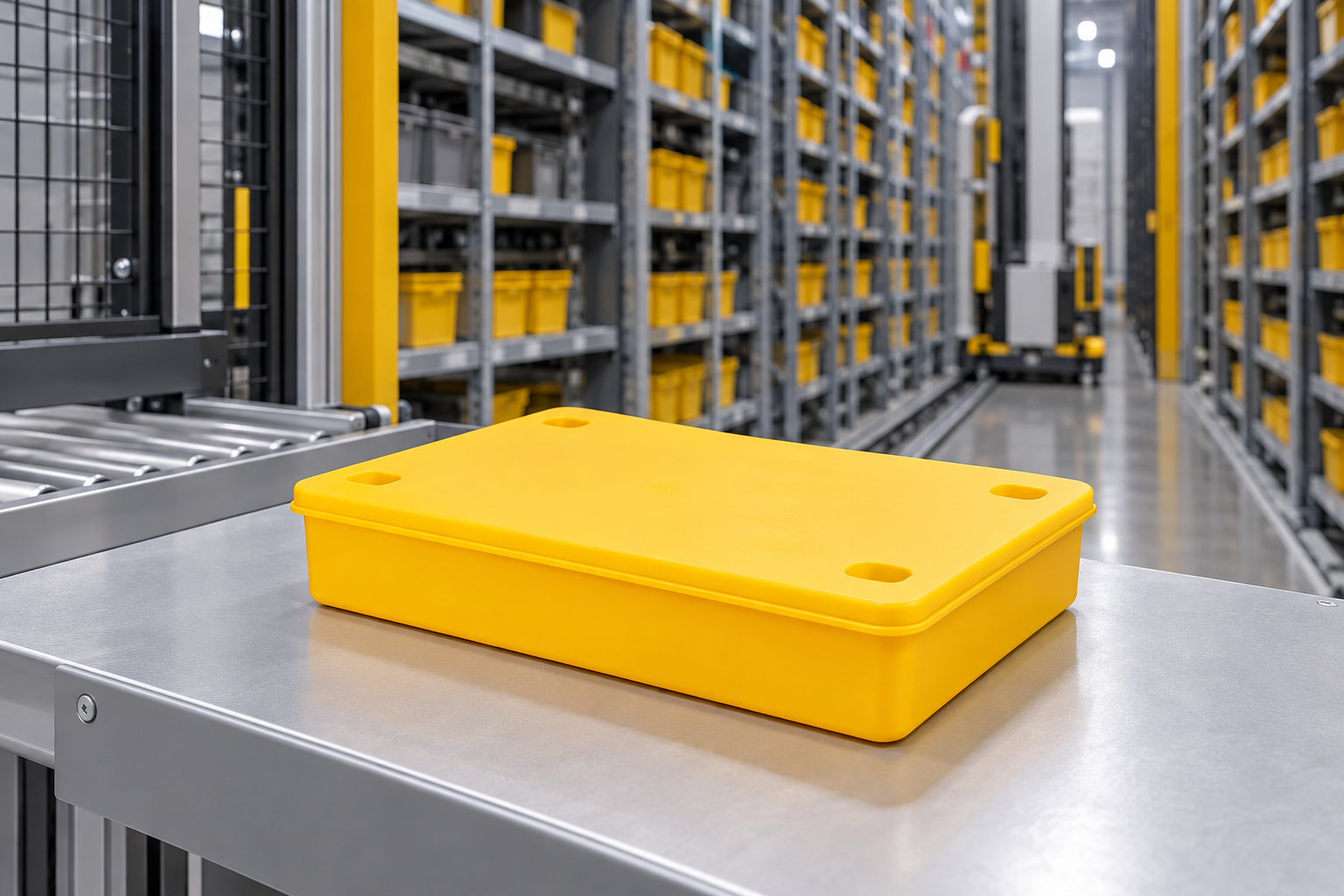
Используйте Лоток ESD SWESD маршрут для работы с ориентрованными платами, затем сравните ESD-коробка и ESD Тележка маршруты для вольера и перемещения. Отправить Свяжитесь с Санвэй чертеж платы, количество, маршрут, метод контроля статуса, очистка, ограничения для пола и дверных проемов, требуемый метод испытаний на электростатический разряд (ESD), план пробных испытаний и пункт назначения.
Часто задаваемые вопросы
Достаточно ли стеллажа для перемещения печатных плат?
Не обязательно. Стеллаж разделяет платы; для перемещения по маршруту все еще может потребоваться тележка или другой разрешенный способ транспортировки.
Должна ли каждая печатная плата быть помещена в закрытый корпус?
Нет. Выберите защитную упаковку на основе маршрута, условий окружающей среды, частоты обработки и программы защиты от электростатического разряда (ESD) покупателя.
Что доказывает, что переноска подходит?
Чертеж конфигурации, согласованный метод приемки и испытание с реальной платой и технологическим процессом служат более весомым доказательством, чем общее изображение.
Ссылки
- Ассоциация электростатического разряда — Принципы защиты от электростатического разряда
- Ассоциация электростатического разряда — Базовые процедуры и материалы по защите от электростатического разряда
- Метро — Руководство по хранению электроники
- ALLPCB — Безопасное для электроники обращение с печатными платами (ESD-Safe)
- GoToPAC — Обработка печатных плат
- Эльспак — Антистатические лотки для печатных плат
- MKTPCB — Антистатические лотки (ESD)
- PCBCart — Электростатический разряд при поверхностном монтаже
- Antistat — зона, защищенная от электростатических разрядов (ЗЗЭР)
Оставить ответ