- Ханьци
- Блог
В связи с растущим числом гаджетов, для производства которых требуются высокоточные электронные компоненты, а также с уменьшением размеров этих компонентов и их повышенной чувствительностью к электростатическому разряду (ЭСР), экспоненциально растет потребность в эффективных средствах для хранения и обработки электронных материалов. Тенденция к автоматизации и соблюдению стандартов чистых помещений указывает на то, что производители отказываются от использования традиционных пластиковых контейнеров и переходят на использование ЭСР-безопасных систем хранения, таких как проводящие или статические диссипативные контейнеры, для обеспечения надежной защиты материалов при немедленном и частом товарообороте, а также в логистических операциях.
Тем не менее, существуют области, где большинство покупателей хотят быть уверены, что их выбор соответствует общим требованиям, таким как совместимость в долгосрочной перспективе, контроль статического электричества, долговечность материала, прочность при штабелировании и международная сертификация ESD. Экономическая эффективность и доступность по-прежнему являются важными факторами при принятии решений о покупке.
Цель данной статьи — предоставить обзор того, как ESD ящики для хранения вносить вклад в безопасность производства, минимизировать вероятность отказа компонентов и повысить эффективность в электропроизводстве.
Типы ESD-контейнеров для хранения
ESD компонентный ящик
Контейнер для компонентов ESD идеально подходит для хранения мелкие электронные компоненты таких как интегральные схемы (ИС), резисторы, конденсаторы и разъемы. Она изготовлена из антистатических материалов и защищает компоненты от электростатического разряда при хранении или обращении.
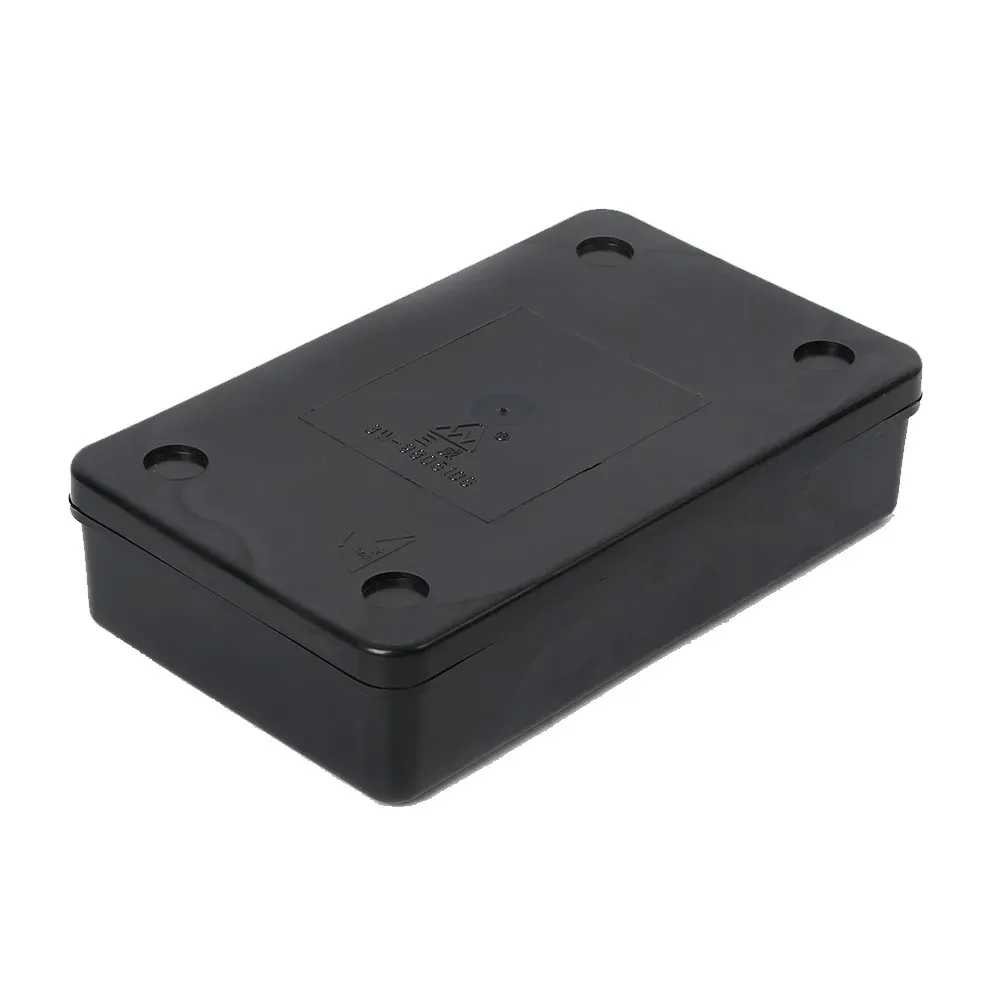
ESD-Компонентный бокс с ящиком
Лоток ESD-контейнер обеспечивает закрытое хранение для лучшей защиты от пыли и классификации. Он идеально подходит для организации чувствительных компонентов на рабочих станциях, в лабораториях и зонах сборки.
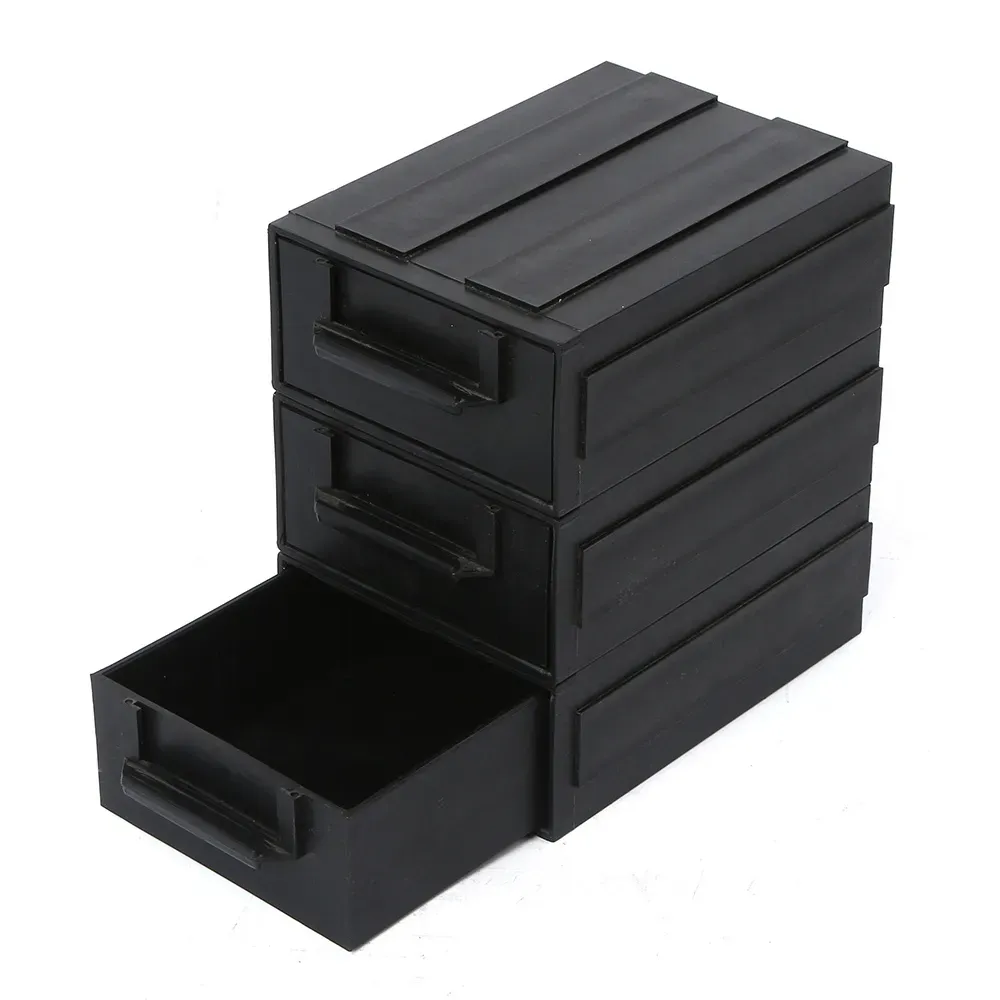
ESD ящик для компонентов с передним открытием
Фронтальное открывание Контейнер для хранения электростатически чувствительных устройств обеспечивает быстрый доступ к деталям без необходимости снимать коробку с полки или стеллажа. Коробка идеально подходит для хранения ESD-компонентов в производственных условиях, зонах комплектации и на складах электронных компонентов.
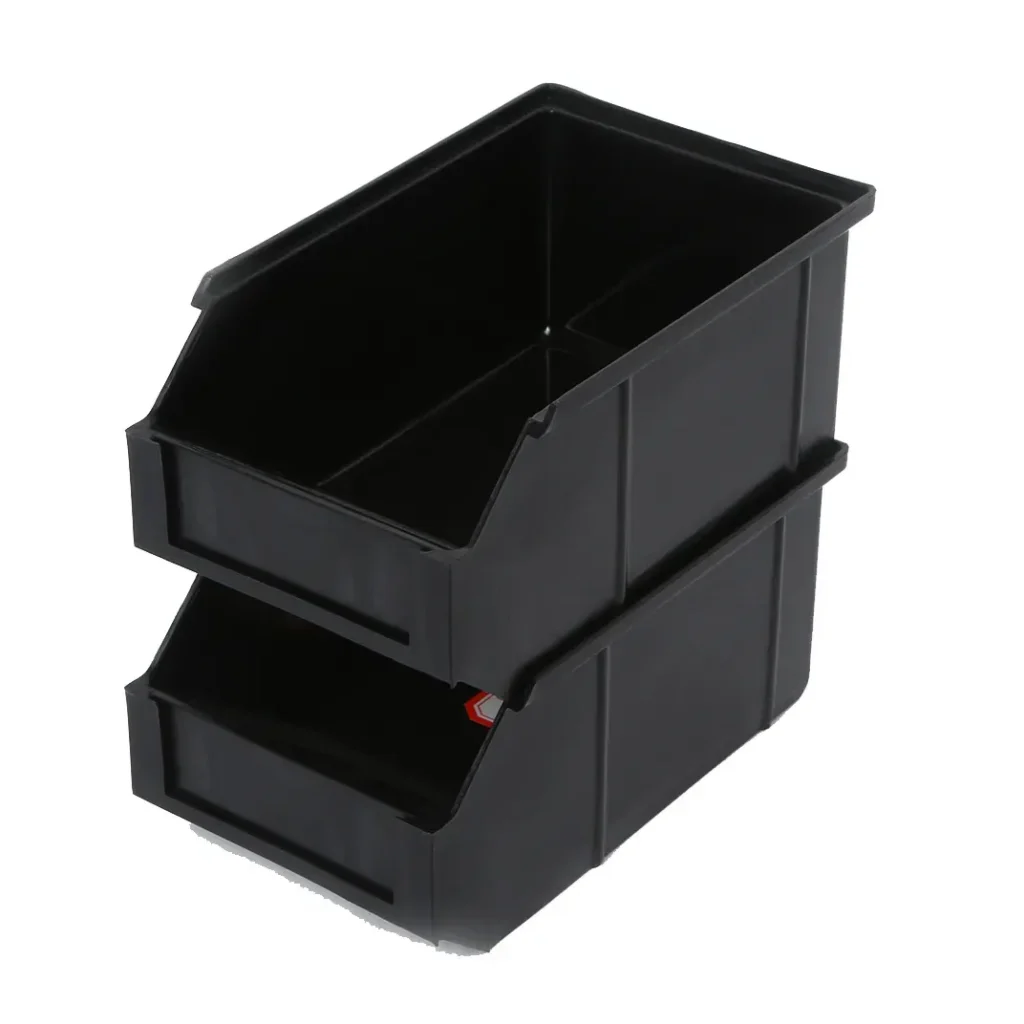
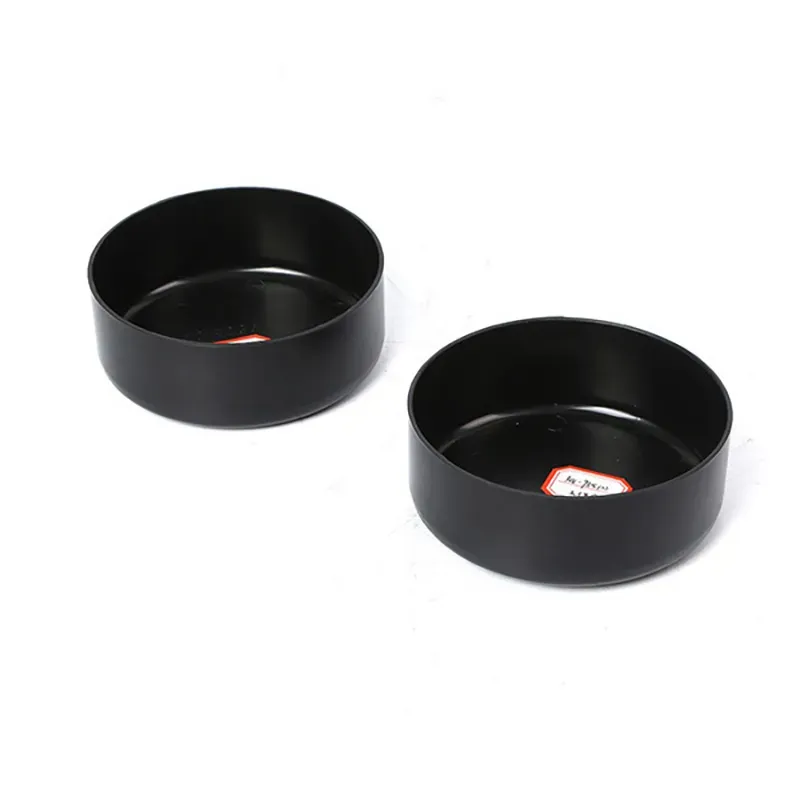
ESD Компонентный лоток круглый
Ан ESD Круглая корзина является удобным способом для временного хранения, транспортировки и обработки мелких предметов. Кроме того, конструкция обладает антистатическими свойствами, которые минимизируют любые риски, связанные со статическим электричеством, во время сборки, проверки и/или ремонта.
Сравнение соответствия стандартам
| Стандартная система | Покрытие | Цель | Выгода |
|---|---|---|---|
| IEC 61340-5-1 | Глобальный контроль ЭСП | Требования к электростатической защите | Обеспечивает соответствие международным нормам |
| ANSI/ESD S20.20 | Промышленная программа ЭПС | Система контроля электростатического разряда в производстве | Повышает надежность процесса |
| Военные стандарты | Высоконадежные среды | Защита электроники оборонного уровня | Обеспечивает стабильность в экстремальных условиях |
| СГС / РОХС | Безопасность материалов | Химическое и экологическое соответствие | Гарантии безопасного использования материалов |
Где использовать токопроводящие ESD-контейнеры
- Заводы по производству полупроводников (т.е. заводы по производству полупроводников) используются для обработки пластин, сборки микросхем и создания временных запасов, все для минимизации риска возникновения электростатического разряда во время производственного процесса.
- Производственные линии SMT используются для подачи компонентов, сборки печатных плат и транспортировки материалов на рабочие станции, чтобы обеспечить безопасное обращение со всеми деталями.
- Сборочные цеха электроники: Обычно встречаются в сервисных центрах и зонах ручной сборки, где часто возникают взаимодействия с интегральными схемами (ИС) и печатными платами (ПП).
- Чистые помещения обеспечивают безопасную среду для поддержания статической безопасности, а также соответствуют строгим стандартам контроля материалов и загрязнений, необходимым для поддержки конкретных отраслей промышленности.
- Системы, которые помогают в организации и транспортировке товаров в электронном виде без риска их повреждения; таким образом, облегчая штабелирование, сортировку и отгрузку товаров.
Преимущества проводящих контейнеров
- Защита от статического электричества (электростатического разряда) обеспечивает определенный уровень гарантии от неожиданного, внезапного накопления статического заряда, которое может потенциально повредить электронные компоненты и схемы из-за электростатических разрядов.
- Эффективность обработки материалов повысилась за счет стандартизированных конструкций ящиков, которые облегчают сортировку, комплектацию и хранение материалов.
- Созданы для работы в суровых производственных условиях: Специально разработаны для многократного штабелирования, перемещения и частого использования в соответствующих производственных средах.
- Стабильные электрические характеристики: Проводники способны сохранять свое поверхностное сопротивление без значительных изменений в течение длительного периода использования.
- Эффективный производственный процесс: снижение уровня брака / отказа продукции из-за статических повреждений / общих производственных потерь.
Проводящий Позволяет электрическим зарядам свободно перемещаться и быстро разряжаться.
Рассеивающий Управляет потоком статического электричества и медленно безопасно его рассеивает.
Почему ESD-контейнеры критически важны в электронной и полупроводниковой промышленности
- Высокоценные компоненты требуют защиты; полупроводниковые чипы, интегральные схемы (ИС) и микроэлектроника (совместно называемые микроэлектронными устройствами) очень восприимчивы к повреждению от электростатического разряда даже при низких уровнях.
- Поскольку компоненты становятся меньше и сложнее из-за постоянного развития технологий, статическое электричество оказывает на них большее влияние.
- Производственная среда с высокоскоростной автоматизацией: Современные SMT-линии и производство полупроводников используют материалы, которые движутся с очень высокой скоростью, что увеличивает потенциал для генерации статического электричества.
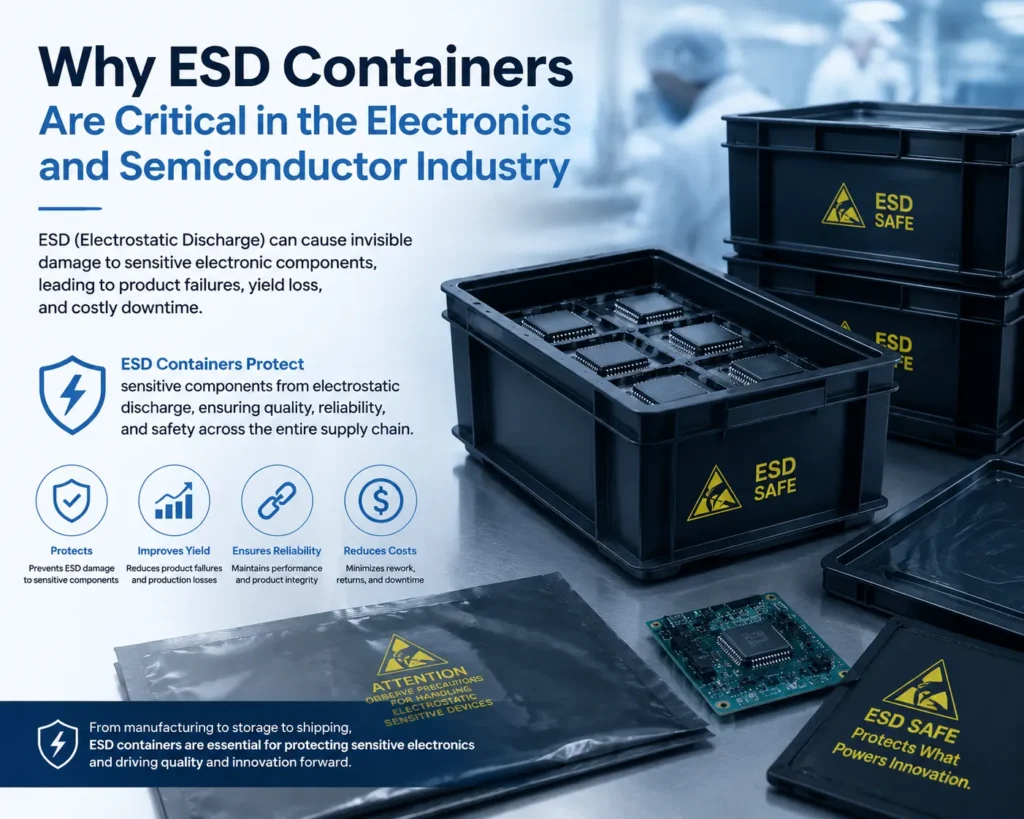
Производство и контроль качества антистатических контейнеров Sanwei ESD
На производстве ESD-контейнеры изготавливаются посредством контролируемого процесса, охватывающего состав материала, прецизионное литье под давлением и функциональное тестирование. Каждая единица проверяется на стабильность поверхностного сопротивления, точность размеров и долговечность, чтобы обеспечить стабильную работу в промышленных условиях.
Все решения соответствуют IEC 61340-5-1 и Стандарты ANSI/ESD S20.20, и проверены испытаниями SGS и RoHS на соответствие международным стандартам качества и безопасности.
В практических применениях контейнеры Sanwei ESD используются на предприятиях по упаковке полупроводников для снижения повреждений компонентов при высокочастотной передаче между сборочными и инспекционными станциями. На производственных линиях SMT клиенты сообщают об улучшении эффективности организации материалов и снижении дефектов, связанных с манипуляциями, после перехода от обычных пластиковых контейнеров к проводящим контейнерам для хранения. Операторы чистых помещений также используют наши штабелируемые ESD-контейнеры для оптимизации использования пространства при одновременном поддержании безопасных условий в отношении статического электричества.
Благодаря постоянным инновациям в материалах и дизайну, ориентированному на применение, Sanwei предлагает надежные решения для ESD-хранения, которые поддерживают более безопасные и эффективные процессы производства полупроводников.
Поскольку электростатические риски в производстве полупроводников и электроники продолжают расти, выбор надежных решений для хранения с защитой от электростатического разряда (ЭСР) стал необходимым для обеспечения качества продукции и стабильности производства. От перемещения компонентов до хранения в чистых помещениях, правильно спроектированные контейнеры с защитой от ЭСР играют ключевую роль в снижении отказов, связанных со статическим электричеством, и повышении эффективности рабочего процесса.
Если вы ищете стабильную, высокопроизводительную Решения для ESD-контейнеров для вашей производственной линии, свяжитесь с Sanwei сегодня, чтобы получить индивидуальные рекомендации и техническую поддержку для ваших нужд, или узнайте больше о нашем полном ассортименте антистатических систем хранения.
Часто задаваемые вопросы
Q1: Что означает ESD?
ESD расшифровывается как Electrostatic Discharge (электростатический разряд), что означает внезапный поток статического электричества между двумя объектами с разным электрическим потенциалом. Он может повредить чувствительные электронные компоненты, такие как интегральные схемы, чипы и полупроводники.
Q2: Какие материалы используются для ESD-безопасного хранения компонентов?
ESD-контейнеры обычно изготавливаются из проводящих или антистатических материалов, таких как ПП (полипропилен), АБС или композиты на основе инженерных полимеров с добавлением углерода или проводящих добавок.
В3: Где обычно используются ESD-контейнеры?
Они широко используются на заводах по производству полупроводников, производственных линиях SMT, в цехах сборки печатных плат, чистых комнатах и на складах электронных компонентов.
В4: Как ESD-контейнеры защищают электронные компоненты?
ESD-контейнеры безопасно рассеивают статические заряды, снижая риск внезапного разряда, который может повредить микросхемы или узлы.
В5: В чем разница между проводящими и антистатическими контейнерами?
Проводящие контейнеры позволяют электрическим зарядам быстро перемещаться через материал, в то время как антистатические контейнеры снижают генерацию статического электричества.
В6: Являются ли антистатические контейнеры для хранения многоразовыми и прочными?
Да, высококачественные ESD-контейнеры рассчитаны на длительное промышленное использование при многократном штабелировании и обращении.
В7: Соответствуют ли ESD-контейнеры международным стандартам?
Да, они обычно тестируются в соответствии со стандартами IEC 61340-5-1 и ANSI/ESD S20.20.
В8: Можно ли настроить ESD-контейнеры для различных производственных линий?
Да, доступны OEM/ODM-настройки, включая размер, цвет, маркировку и дизайн конструкции.
Ссылки
- IEC 61340-5-1 – Стандарт защиты от статического электричества
- ANSI/ESD S20.20 – Стандарт программы контроля электростатического разряда (Ассоциация ESD)
- Стандарт NASA по качеству изготовления ESD (NASA-HDBK-8739.21)
- JEDEC Solid State Technology Association – Стандарты полупроводников
- IEEE Xplore – публикации по исследованию электростатического разряда
- ESD Ассоциация – Авторитет в области электростатического разряда

Оставить ответ