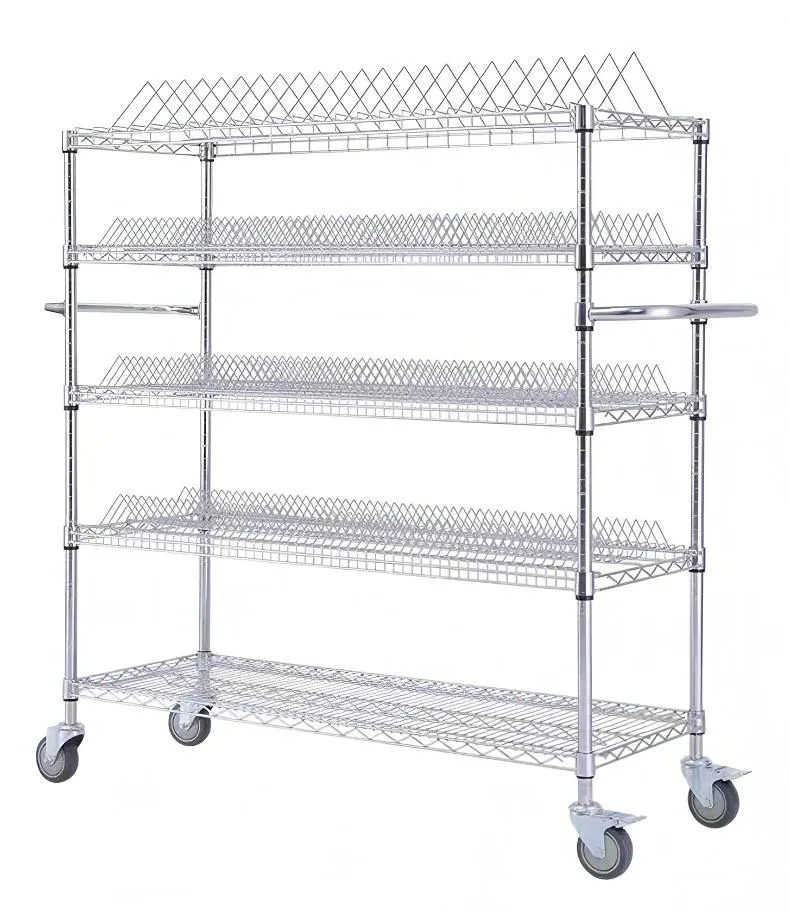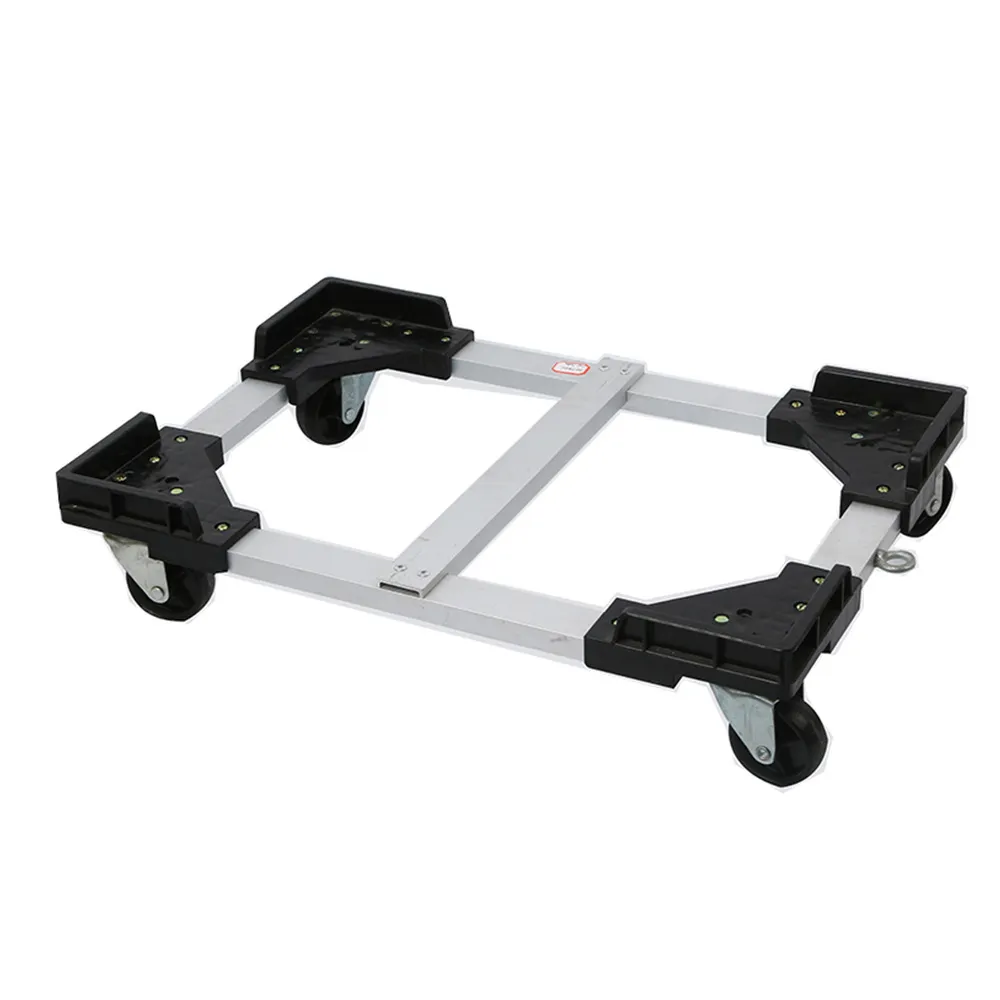
Carrinho ESD com Rodas PU Silenciosas Carrinho de Transporte Anti-Estático 3W-9806101
Visão geral:
Technical advantages
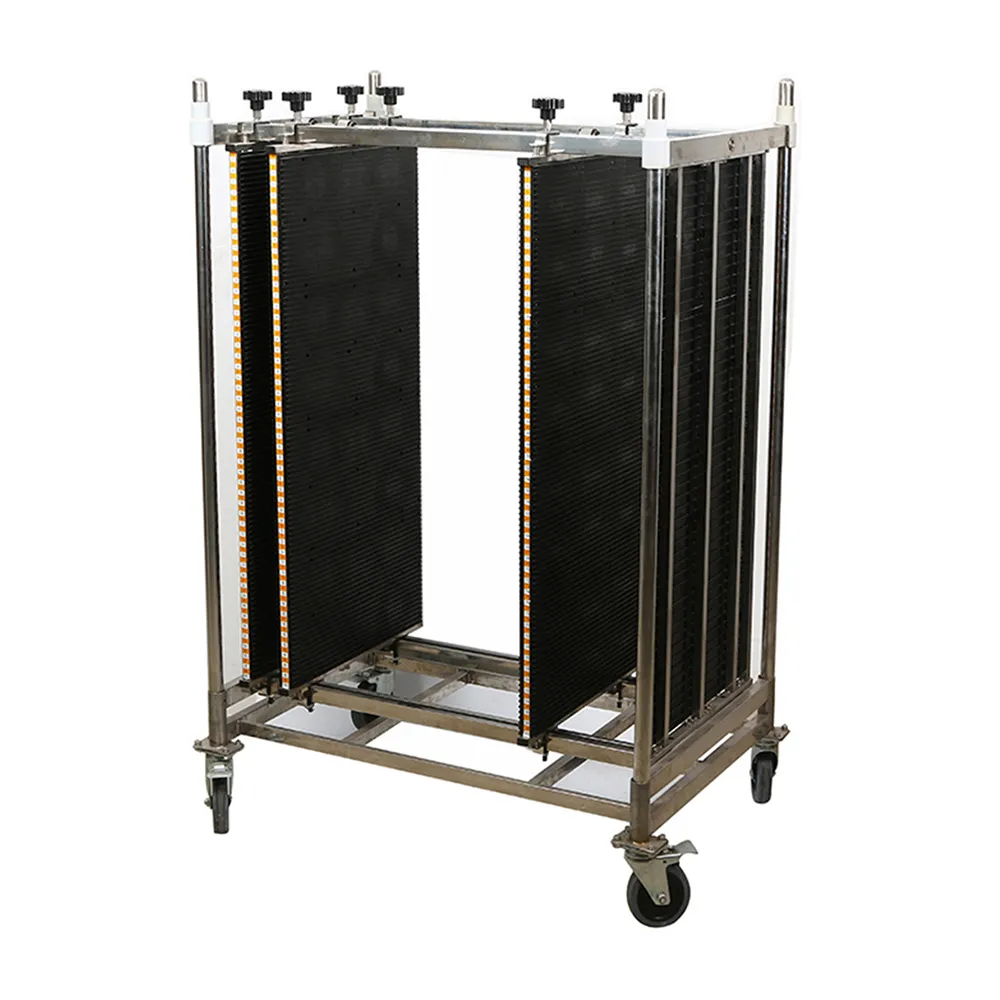
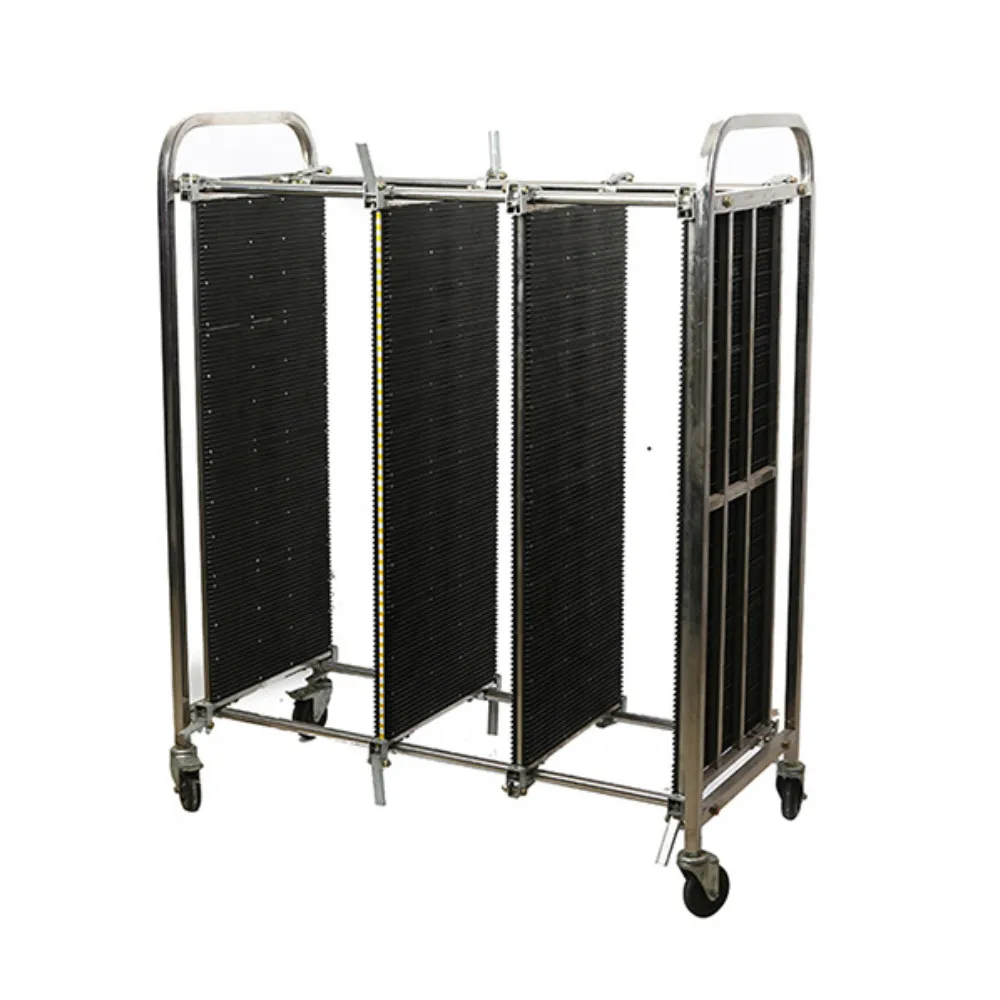
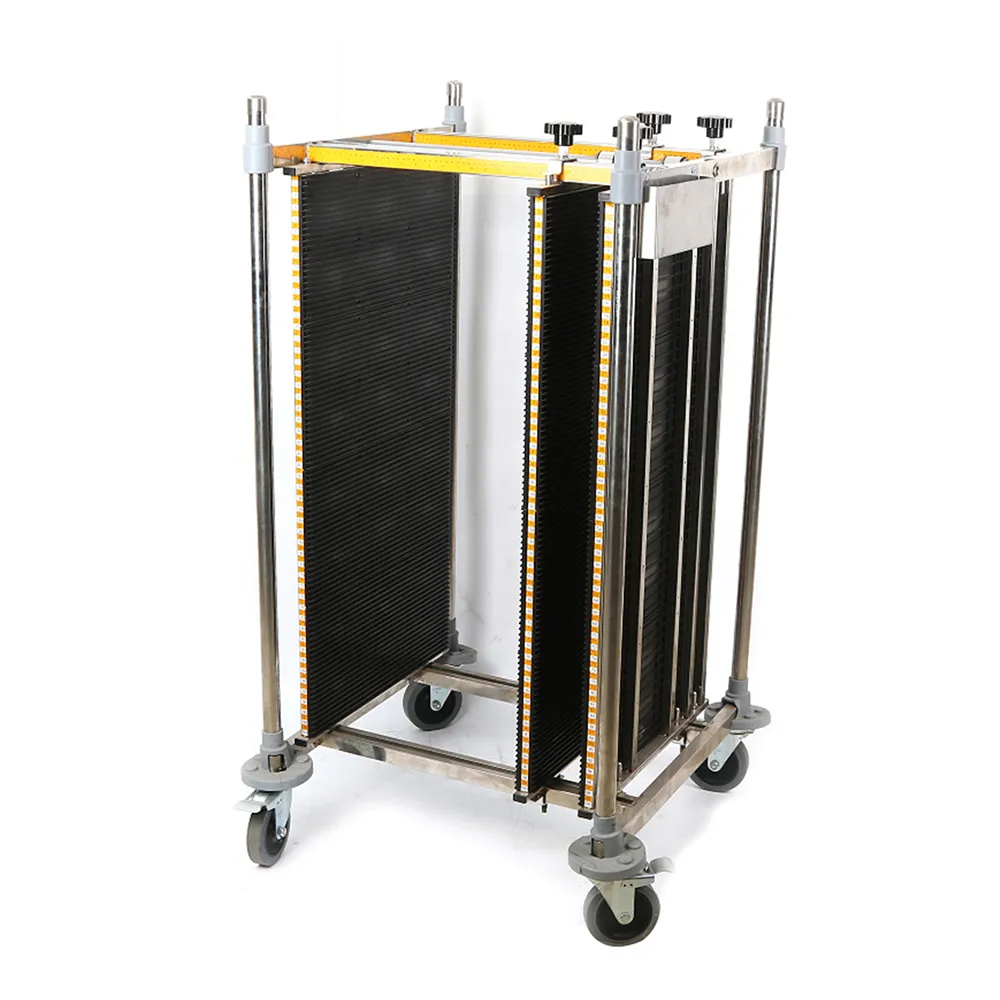
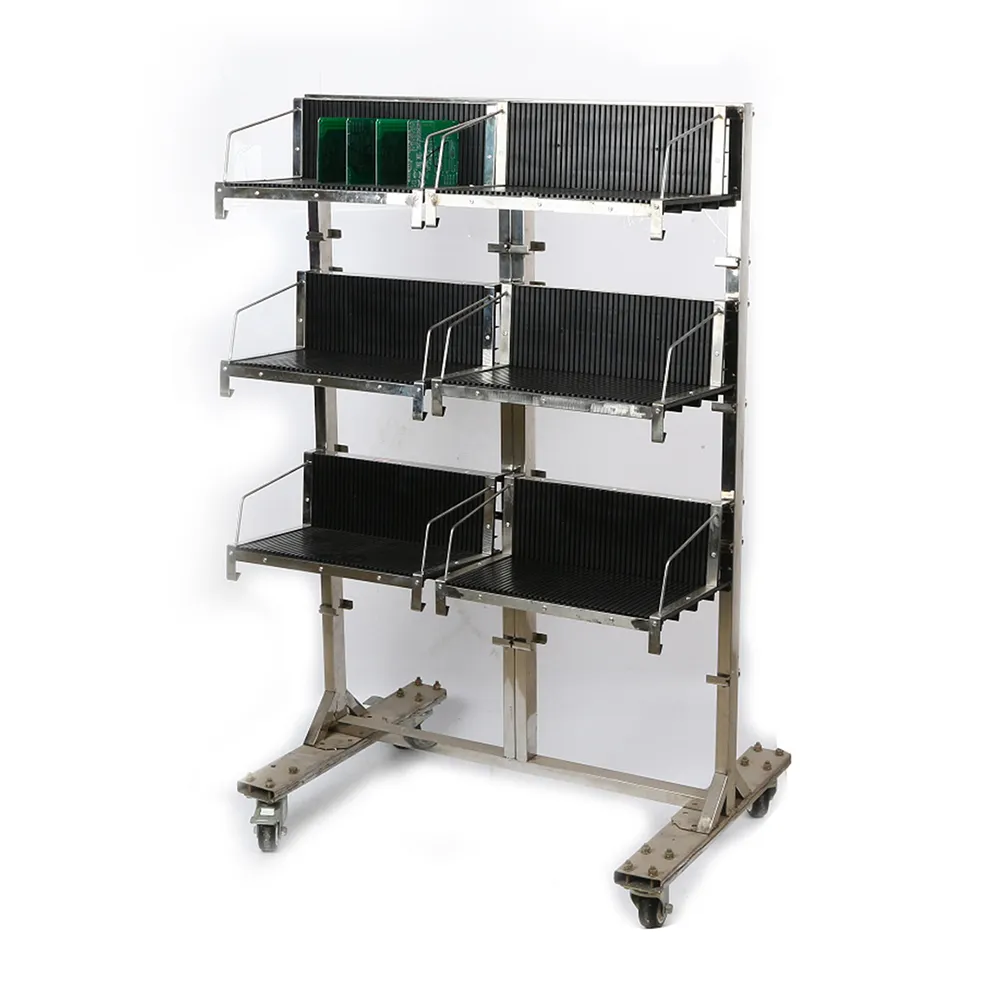
Anti-static turnover carts, also known as PCB board turnover carts, transfer carts, or storage carts, are industrial equipment specifically designed to prevent the accumulation and discharge of static electricity. They are widely used in static‑sensitive working environments. By employing special materials and processes, they effectively eliminate static electricity and inhibit its re‑accumulation, ensuring safety and stability during production processes.
As a typical ESD PCB storage trolley, this cart is constructed with anti‑static materials featuring a surface resistance ranging from 10⁶ to 10⁹ ohms, which can quickly dissipate accumulated static charges and prevent damage to electronic components. A metal grounding chain installed at the bottom of the cart ensures reliable static discharge even if the wheels are affected by dust that might impair their conductivity, further guaranteeing effective static elimination.
Equipped with high‑quality anti‑static plastic wheels or conductive rubber wheels (some with brakes), the esd trolley moves flexibly and stably, facilitating the transport of goods between workshops, warehouses, and other locations. The wheel design ensures low noise during movement, minimizing disturbance to the working environment.
The frame is typically made of high‑quality stainless steel or carbon steel, offering excellent compression and wear resistance. It can withstand heavy loads and maintain a long service life even in harsh working conditions. For example, some models use 304 stainless steel frames, which are not only strong and durable but also possess good corrosion resistance, fully meeting the demands of frequent and long‑term turnover applications.
Especificação Técnica
| Nome do produto | Carrinho ESD | |
| Modelo de produto | 3W-9806101 | |
| Parâmetros de especificação | ●Maximum external dimensions: | 810*470*140mm (length and width can be customized) |
| Descrição do produto | ◆Material da roda anti-ruído: material PU | |
| ◆The trolley used for the turnover of magazine racks and turnover boxes | ||
| ◆Índice estático: 10e4-10e8Ω | ||
| Acessórios opcionais | □Anti-static Label | |
| □Grounding chain | ||
Capacidade de Fabrico ESD de Classe Mundial
Ao recorrer à Sanwei, está a fazer uma parceria direta com um fabricante OEM/ODM líder de mercado. Operamos um serviço topo de gama Instalação de produção integrada com mais de 70.000 m² no Parque Industrial Central de Yueqing, em Zhejiang, gerindo cada processo individual, desde a formulação de material próprio até à moldagem final de alta precisão.
Balança integrada
Instalação avançada com mais de 70.000 m², equipada com máquinas de moldagem por injeção de precisão para trabalhos pesados, capaz de gerir encomendas grossistas em grandes quantidades com prazos de entrega estáveis.
Controlo de Cadeia Completa
Controlo interno completo que abrange a I&D de material antiestático proprietário, engenharia de moldes estruturais, fabrico automatizado e entrega logística global rápida.
Inspecção Rigorosa
Os rigorosos testes às matérias-primas, combinados com medições multiponto da resistividade superficial na linha de produção, garantem a conformidade do 100% com as diretrizes das normas internacionais de ESD.
Anti-estático Produtos e Soluções
Fornecer proteção eletrostática abrangente em todo o seu ciclo de vida de fabrico e operacional.
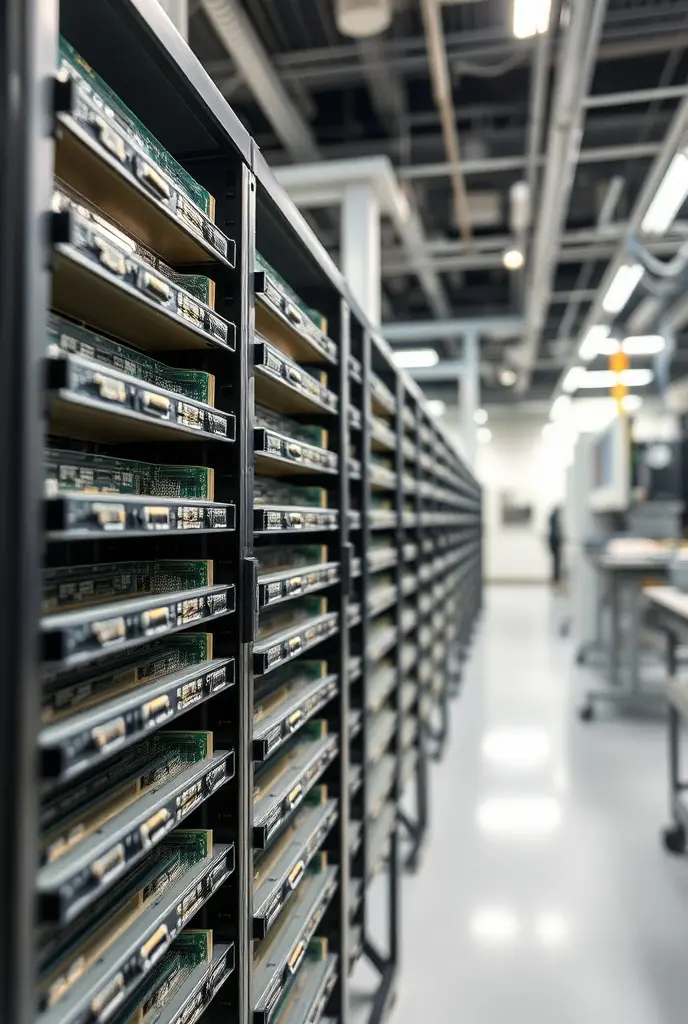
Equipamento SMT
Caixas de recolha e suportes anti-estáticos para linhas automatizadas.

Armazenamento e Logística
Carrinhos de rotação, prateleiras, caixas, tabuleiros e contentores de componentes.
Posto de trabalho e EPI
Cadeiras anti-estáticas, tapetes, braceletes e proteção pessoal.
Desenvolvimento à medida
Desenvolvimento de moldes personalizados e materiais anti-estáticos especiais.
AS NOSSAS VANTAGENS OEM/ODM

Investigação e Desenvolvimento Avançados e Inovação de Materiais
Materiais antiestáticos desenvolvidos internamente com patentes de invenção nacionais e resistência ao calor até 200℃. Nós não nos limitamos a moldar — formulamos compostos.

Capacidade de Produção em Escala Total
Fábrica de 30.000 m² com sistemas completos de moldagem por injeção, granulação e processamento de apoio para um fornecimento estável e eficiente.

Personalização de Processo Completo
Resistividade do material, cor, tamanho, logótipo, embalagem e certificações — personalizáveis para cumprir as normas IEC61340-5-1, ANSI/ESD S20.20 ou normas militares.

Qualidade Certificada e Conformidade Global
“A Sanwei desenvolveu com sucesso tabuleiros personalizados de cor natural limpa, resistentes a altas temperaturas, para a nossa linha de montagem de semicondutores, substituindo produtos importados, garantindo uma excelente segurança ESD e cumprindo os elevados requisitos de limpeza da oficina.”
UTILIZADO POR LÍDERES GLOBAIS DA FORTUNE 500
As nossas soluções proprietárias de ESD estão implementadas em instalações de produção de elite em todo o mundo, incluindo: Intel, Motorola, Siemens, IBM, Panasonic, Nokia e Dell.
Procura tamanhos personalizados ou preços de revenda por grosso?
Apoiada pela nossa robusta equipa interna de I&D, a Sanwei disponibiliza opções completas de OEM/ODM adaptadas às suas linhas de produção SMT específicas ou ao layout do seu armazém. Contacte hoje os nossos especialistas para moldes personalizados, códigos de cores ou consultoria integrada de armazenamento 5S.
Perguntas Frequentes (FAQ)
1. What is an ESD trolley?
An ESD trolley (anti‑static turnover cart) is a mobile handling device designed for static‑sensitive environments. It is made of static‑dissipative materials, equipped with grounding chains and anti‑static wheels, to safely remove or dissipate electrostatic charges and protect electronic components from ESD damage during transport.
2. How to make a cart ESD safe?
To convert a standard cart into an ESD‑safe one:
-
Use anti‑static materials (surface resistance 10⁶–10⁹ Ω) for the shelf or work surface.
-
Install a metal grounding chain or grounding wire to ensure a path to earth.
-
Replace wheels with anti‑static or conductive rubber ones (some with brakes).
-
Bond all metal parts together and connect them to ground.
-
Regularly test the surface resistance and ground continuity (e.g., weekly) to maintain compliance.
3. What is an ESD safe material?
An ESD safe material is one that controls static generation or dissipates static charge quickly. Its surface resistance typically lies between 10⁵ and 10¹¹ Ω (commonly 10⁶–10⁹ Ω in industry). Examples include anti‑static plastics (ABS, PVC), conductive rubber, static‑dissipative composites, and metal‑fibre blended fabrics. These materials prevent charge build‑up and avoid spark discharge risks.
4. How often should an ESD trolley be tested?
It is recommended to test surface resistance and ground continuity at least once a week. In high‑use or dusty environments, daily checks are advisable. If values fall outside the specified range, clean or replace the affected parts immediately.
5. Can an ordinary cart be converted into an ESD cart?
Yes, but you must replace all critical components: add an anti‑static mat/shelf, install a grounding chain, change to anti‑static wheels, and ensure proper bonding to ground. After conversion, the cart must pass electrostatic testing. However, performance is often less reliable than that of a purpose‑built ESD trolley.
6. What are the common applications of ESD trolleys?
They are widely used in electronics manufacturing (PCBs, semiconductors, chip assembly), precision instrument assembly, medical equipment production, aerospace parts processing, and laboratories. Their main role is to safely transport static‑sensitive components and assemblies between production lines, warehouses, and workstations.