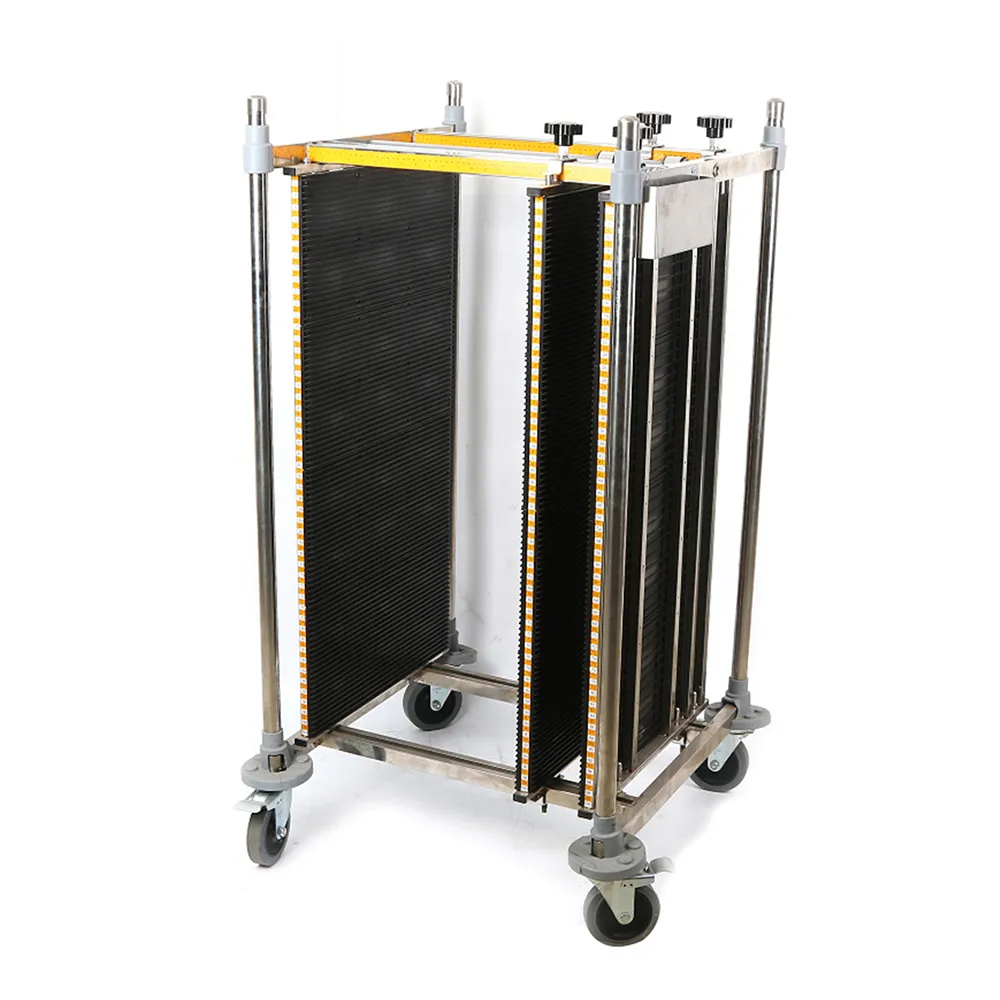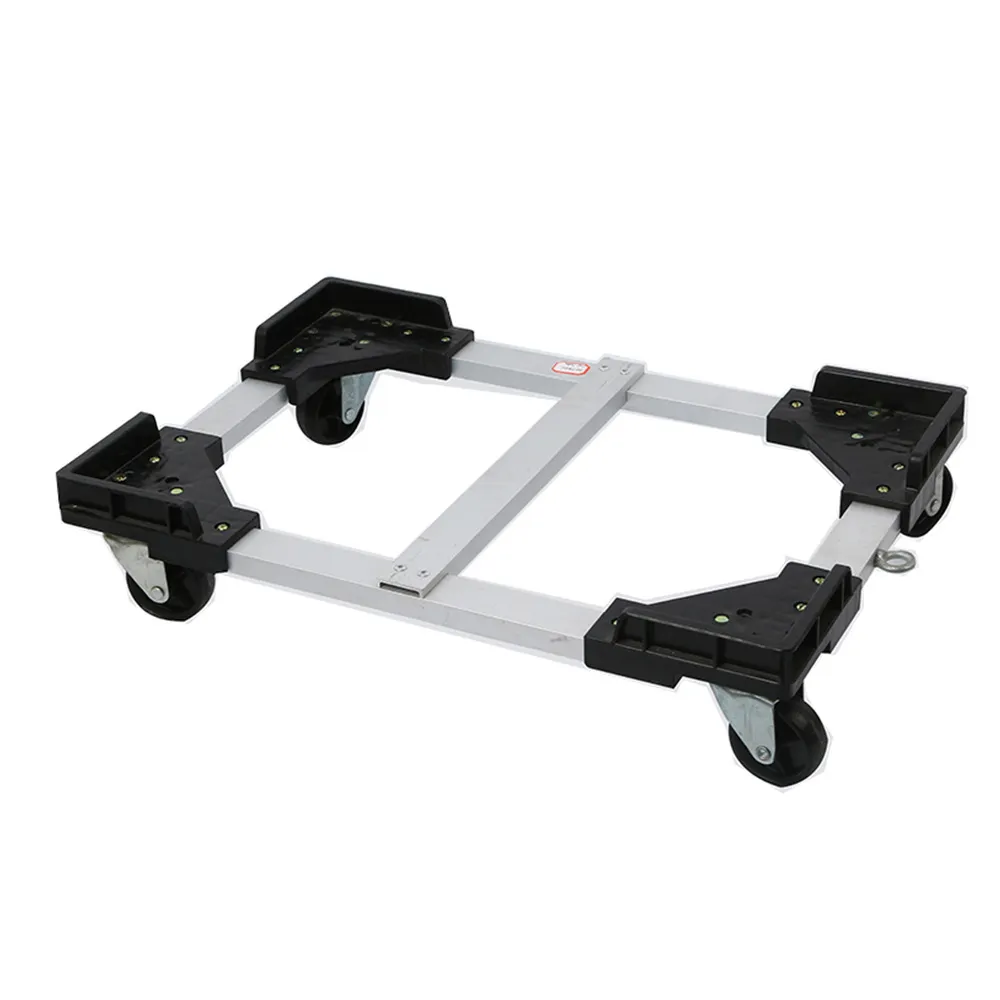
Wózek ESD Ciche Kółko PU Antystatyczny Wózek Transportowy 3W-9806101
Przegląd:
Zalety techniczne
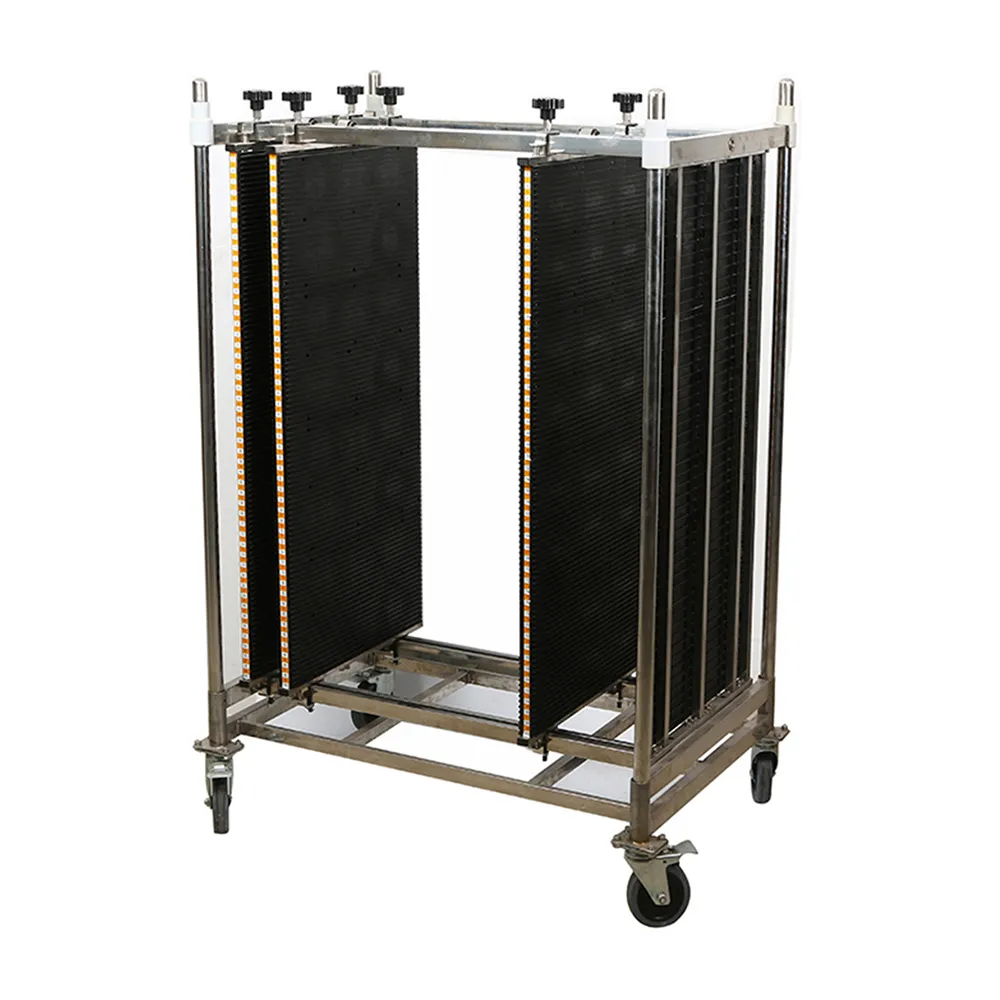
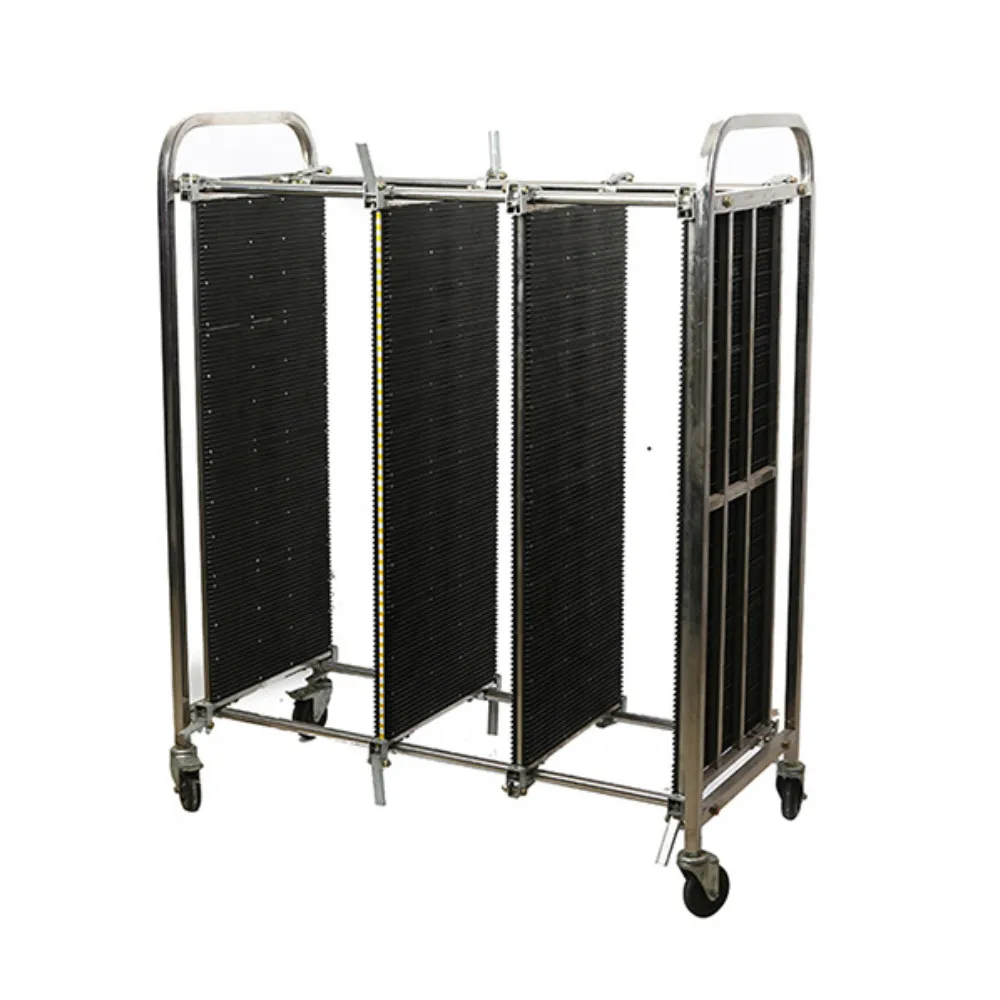
Anti-static turnover carts, also known as PCB board turnover carts, transfer carts, or storage carts, are industrial equipment specifically designed to prevent the accumulation and discharge of static electricity. They are widely used in static‑sensitive working environments. By employing special materials and processes, they effectively eliminate static electricity and inhibit its re‑accumulation, ensuring safety and stability during production processes.
As a typical ESD PCB storage trolley, this cart is constructed with anti‑static materials featuring a surface resistance ranging from 10⁶ to 10⁹ ohms, which can quickly dissipate accumulated static charges and prevent damage to electronic components. A metal grounding chain installed at the bottom of the cart ensures reliable static discharge even if the wheels are affected by dust that might impair their conductivity, further guaranteeing effective static elimination.
Equipped with high‑quality anti‑static plastic wheels or conductive rubber wheels (some with brakes), the esd trolley moves flexibly and stably, facilitating the transport of goods between workshops, warehouses, and other locations. The wheel design ensures low noise during movement, minimizing disturbance to the working environment.
The frame is typically made of high‑quality stainless steel or carbon steel, offering excellent compression and wear resistance. It can withstand heavy loads and maintain a long service life even in harsh working conditions. For example, some models use 304 stainless steel frames, which are not only strong and durable but also possess good corrosion resistance, fully meeting the demands of frequent and long‑term turnover applications.
Specyfikacja techniczna
| Nazwa produktu | Wózek ESD | |
| Model produktu | 3W-9806101 | |
| Parametry specyfikacji | ●Maximum external dimensions: | 810*470*140mm (length and width can be customized) |
| Opis produktu | ◆ Materiał kółek zapobiegających hałasowi: materiał PU | |
| ◆The trolley used for the turnover of magazine racks and turnover boxes | ||
| ◆Indeks statyczny: 10e4-10e8Ω | ||
| Opcjonalne akcesoria | □Anti-static Label | |
| □Grounding chain | ||
Światowej klasy potencjał produkcyjny ESD
Wybierając współpracę z Sanwei, partnerujesz bezpośrednio z wiodącym w branży producentem OEM/ODM. Posiadamy nowoczesne Zintegrowany zakład produkcyjny o powierzchni ponad 70 000 m² w Centralnym Parku Przemysłowym Yueqing w prowincji Zhejiang, zarządzając każdym pojedynczym procesem, od opracowania własnych formulacji materiałowych po ostateczne formowanie produktów o wysokiej precyzji.
Zintegrowana skala
Ponad 70 000 m² nowoczesnego zakładu wyposażonego w wytrzymałe, precyzyjne wtryskarki do obsługi hurtowych zamówień masowych z zachowaniem stabilnych terminów realizacji.
Kontrola całego łańcucha
Pełna kontrola wewnętrzna obejmująca badania i rozwój własnych materiałów antyelektrostatycznych, projektowanie form konstrukcyjnych, zautomatyzowaną produkcję oraz szybką globalną logistykę dostaw.
Rygorystyczna inspekcja
Rygorystyczne badania surowców w połączeniu z wielopunktowym pomiarem rezystywności powierzchniowej na linii produkcyjnej gwarantują zgodność modelu 100% z wytycznymi międzynarodowych norm dotyczących ochrony przed wyładowaniami elektrostatycznymi (ESD).
Antystatyczny Produkty i rozwiązania
Zapewnienie kompleksowej ochrony elektrostatycznej w całym cyklu produkcyjnym i operacyjnym.
Sprzęt SMT
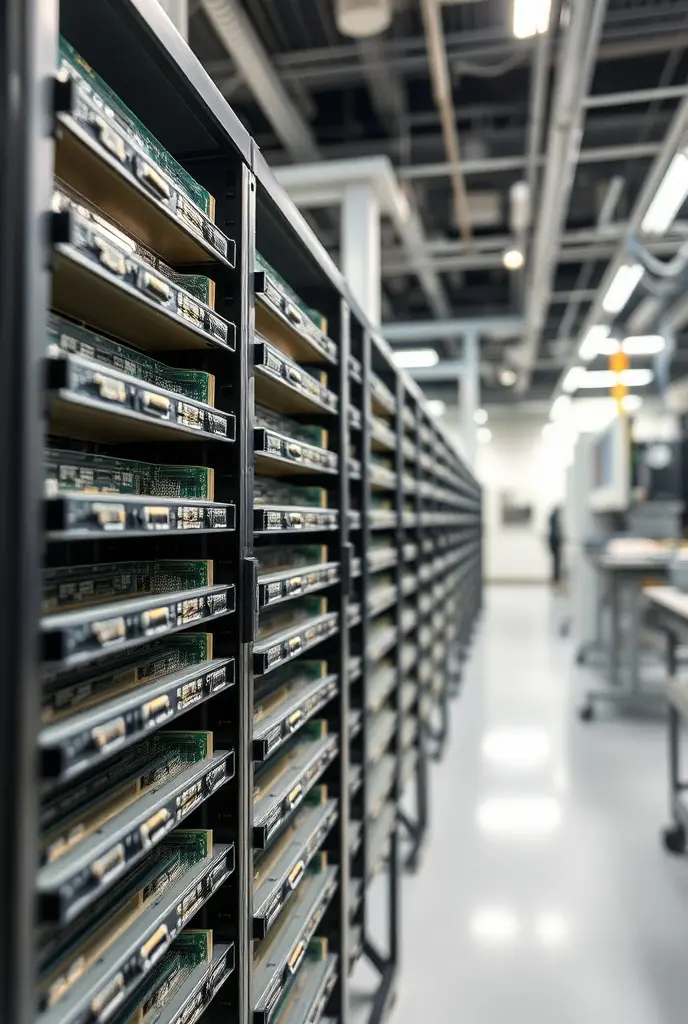
Antystatyczne pojemniki zbiorcze i stojaki do linii zautomatyzowanych.

Magazynowanie i logistyka
Wózki technologiczne, półki, skrzynie, tace i pojemniki na komponenty.
Stanowisko robocze i ŚOI
Antystatyczne krzesła, maty, paski na nadgarstek oraz ochrona osobista.
Wdrożenia dedykowane
Rozwój niestandardowych form oraz specjalne materiały antystatyczne.
NASZE ZALETY OEM/ODM

Zaawansowane prace B+R i innowacje materiałowe
Własne materiały antystatyczne opracowane wewnątrz firmy, objęte krajowymi patentami na wynalazki i odporne na temperaturę do 200℃. My nie tylko formujemy – my tworzymy związki chemiczne.

Pełnomocna zdolność produkcyjna
Fabryka o powierzchni 30 000 m² z kompletinymi systemami formowania wtryskowego, granulacji i przetwarzania wspomagającego dla zapewnienia stabilnych i wydajnych dostaw.

Kompleksowa personalizacja
Rezystywność materiału, kolor, rozmiar, logo, opakowanie i certyfikaty – możliwość dostosowania do norm IEC61340-5-1, ANSI/ESD S20.20 lub norm wojskowych.

Certyfikowana jakość i globalna zgodność z przepisami
“Firma Sanwei z powodzeniem opracowała niestandardowe, odporne na wysokie temperatury tace o czystym, naturalnym kolorze dla naszej linii montażowej półprzewodników, zastępując produkty importowane, zapewniając doskonałe bezpieczeństwo ESD i spełniając wysokie wymagania dotyczące czystości warsztatu.”
ZAUFALI MIĘDZYNARODOWYM LIDEROM RYNKOWYM Z LISTY FORTUNE 500
Nasze autorskie rozwiązania ESD są wdrażane w elitarnych zakładach produkcyjnych na całym świecie, w tym: Intel, Motorola, Siemens, IBM, Panasonic, Nokia i Dell.
Szukasz niestandardowych rozmiarów lub hurtowych cen?
Wspierani przez nasz silny, wewnętrzny zespół Badawczo-Rozwojowy (R&D), oferujemy kompleksowe opcje OEM/ODM dostosowane do Twoich konkretnych linii produkcyjnych SMT lub układu magazynu. Skontaktuj się z naszymi specjalistami już dziś w sprawie niestandardowych form, kodowania kolorami lub zintegrowanego doradztwa w zakresie magazynowania 5S.
Często zadawane pytania (FAQ)
1. Co to jest wózek ESD?
An ESD trolley (anti‑static turnover cart) is a mobile handling device designed for static‑sensitive environments. It is made of static‑dissipative materials, equipped with grounding chains and anti‑static wheels, to safely remove or dissipate electrostatic charges and protect electronic components from ESD damage during transport.
2. Jak zapewnić bezpieczeństwo ESD wózka?
To convert a standard cart into an ESD‑safe one:
-
Use anti‑static materials (surface resistance 10⁶–10⁹ Ω) for the shelf or work surface.
-
Install a metal grounding chain or grounding wire to ensure a path to earth.
-
Replace wheels with anti‑static or conductive rubber ones (some with brakes).
-
Bond all metal parts together and connect them to ground.
-
Regularly test the surface resistance and ground continuity (e.g., weekly) to maintain compliance.
3. Co to jest materiał bezpieczny pod względem ESD?
An ESD safe material is one that controls static generation or dissipates static charge quickly. Its surface resistance typically lies between 10⁵ and 10¹¹ Ω (commonly 10⁶–10⁹ Ω in industry). Examples include anti‑static plastics (ABS, PVC), conductive rubber, static‑dissipative composites, and metal‑fibre blended fabrics. These materials prevent charge build‑up and avoid spark discharge risks.
4. Jak często należy testować wózek ESD?
It is recommended to test surface resistance and ground continuity at least once a week. In high‑use or dusty environments, daily checks are advisable. If values fall outside the specified range, clean or replace the affected parts immediately.
5. Czy zwykły wózek można przekształcić w wózek ESD?
Yes, but you must replace all critical components: add an anti‑static mat/shelf, install a grounding chain, change to anti‑static wheels, and ensure proper bonding to ground. After conversion, the cart must pass electrostatic testing. However, performance is often less reliable than that of a purpose‑built ESD trolley.
6. Jakie są powszechne zastosowania wózków ESD?
They are widely used in electronics manufacturing (PCBs, semiconductors, chip assembly), precision instrument assembly, medical equipment production, aerospace parts processing, and laboratories. Their main role is to safely transport static‑sensitive components and assemblies between production lines, warehouses, and workstations.