- Turbo
- Blog
Choosing ESD slippers vs ESD shoes for an electronics factory starts with two separate requirements: the electrostatic-control arrangement and the workplace hazards. Slippers may be considered only where the approved process, movement, hygiene, and safety assessment permit their design. Where protective footwear is required, select a documented protective shoe that also meets the applicable ESD requirements for the actual wearer and floor system. An ESD label does not establish toe protection, puncture resistance, slip performance, or electric-shock protection. This comparison gives purchasing and factory teams a task-based approval process, rather than assuming either footwear format is universally safer or better for grounding.
Separate static control from physical protection
ESD control concerns protection of susceptible devices within the site’s approved program. Workplace protective footwear concerns the hazards faced by the wearer. These requirements can coexist, but neither should be inferred from the other. A heavy closed shoe can lack the electrical evidence needed for an ESD application; an ESD-marked slide can lack the physical protection required for a warehouse or maintenance task.
The CCOHS protective-footwear guidance explains choosing footwear for the actual hazards and distinguishes protective functions, including impact, penetration, electrical, and static-control considerations. Apply the relevant jurisdiction and the site’s assessment. This is safety-selection context, not an ESD footwear test specification or a statement that every electronics workstation requires the same protective shoe.
Ask the safety owner to document the required protective features and acceptable evidence. Ask the ESD coordinator to document the grounding-control requirements and verification for the proposed application. Purchasing should combine these requirements into one approved specification. A single checkbox labeled ESD safety shoe leaves too much room for a supplier or operator to interpret two different properties as one claim.
Compare formats through the task and route
An open-front or open-heel slide differs from a retained sandal, a closed work shoe, and a certified protective shoe. The differences may affect retention, coverage, cleaning, movement, and task suitability. Describe the actual design rather than treating every slipper as identical. A product that works for a controlled changing area does not automatically suit cart handling, stairs, outdoor travel, or maintenance work.
Map the full route used by the wearer. Include receiving, stores, production, offices, toilets, break areas, and emergency movement where relevant. A role may spend most of its time at an electronics bench but still handle heavy material elsewhere. The footwear policy must account for these tasks, or provide an approved change procedure before entering another area. Do not base the purchase on the lowest-risk part of the shift alone.
Our ESD shoe introduction covers the broader category, and ESD slippers for electronics work provides background on that format. This article adds the comparative approval decision: which tasks permit which design, what evidence is needed, and how to manage movement between areas. It does not repeat a general definition or recommend a model without application evidence.
Use an approval matrix rather than a universal winner
The following qualitative matrix helps organize the decision. It does not declare any SWESD product certified for a listed hazard. The safety assessment, manufacturer documentation, and applicable ESD evidence must decide the actual approval. Treat unresolved requirements as actions before procurement, not as minor notes after footwear is issued.
| Task or decision | Required review | Approval evidence |
|---|---|---|
| Protected bench work with an approved slipper policy | Actual movement, footwear retention, process and ESD arrangement | Site-approved design plus relevant electrical and process evidence |
| Material receiving or heavy-item handling | Impact, compression and other identified hazards | Documented protective features for the exact shoe plus ESD evidence where required |
| Routes with stairs, ramps or contaminated floors | Retention, movement and floor-specific risks | Safety approval and practical trial, not a generic slipper or shoe label |
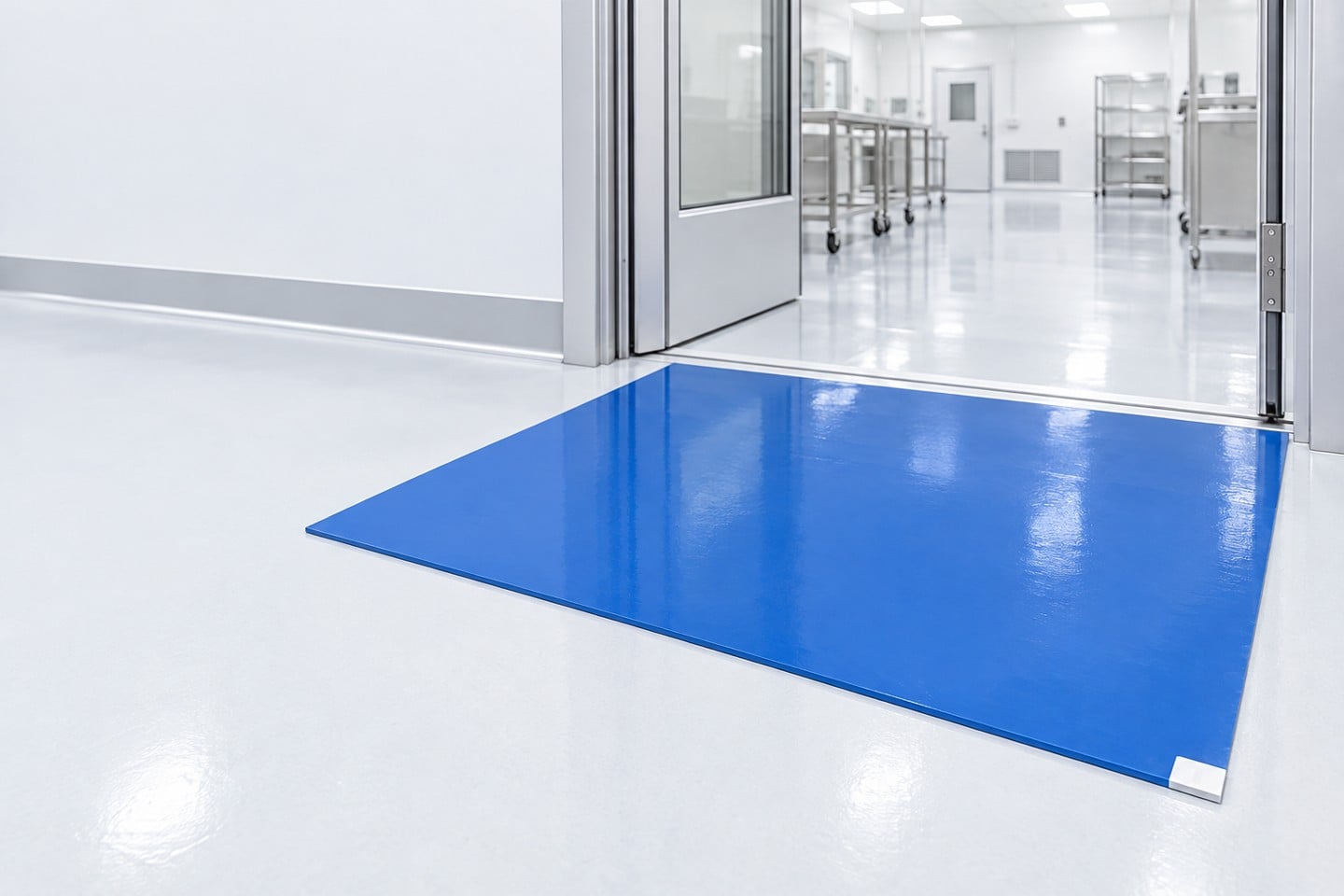
| Cleanroom work | Particle, residue, cleaning and gowning compatibility | Separate process qualification; ESD marking alone is insufficient |
| Work involving an electrical hazard | Qualified electrical-safety assessment | Required protective equipment and procedure; ESD designation is not insulation evidence |
| Movement between differently controlled areas | Which footwear is permitted at each point and when to change | Clear route policy, accessible approved replacements and required verification |
Keep the decision traceable to a role or task group. If one person changes areas, define when footwear must change and where the alternate pair is stored. A practical policy should prevent an operator from borrowing an unidentified pair or walking through an ESD area in unapproved footwear because the correct item is inconvenient to retrieve. Include supervisors and temporary visitors in the same route review.
Request protective evidence for the exact shoe
If the assessment calls for protective footwear, request documentation for the exact model and construction. Identify the claimed protection, applicable standard, marking, test or certification evidence, and any limitation. Check that the size range and supplied revision are covered. A seller’s use of the words safety shoe or steel toe in a catalog title is not sufficient evidence by itself.
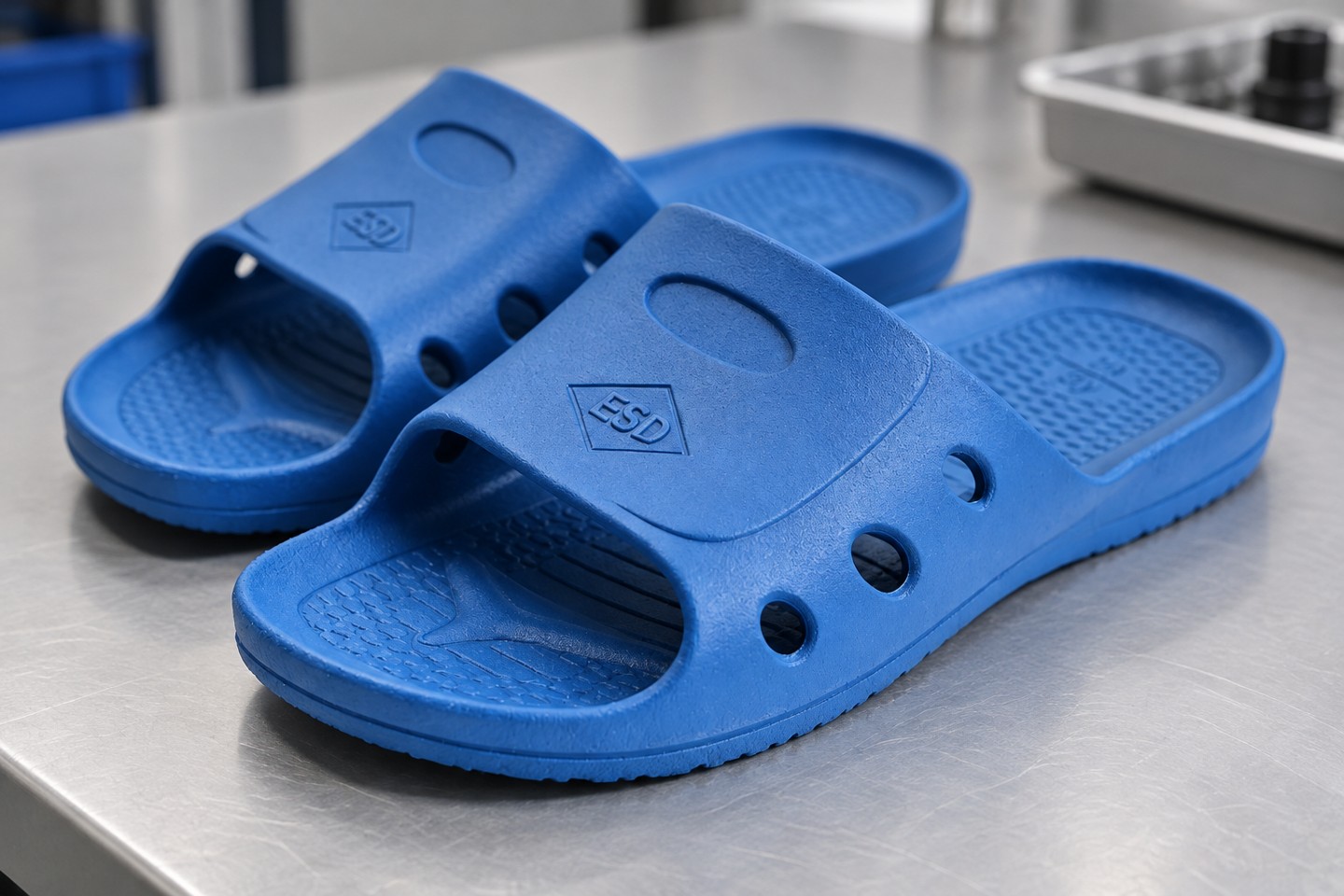
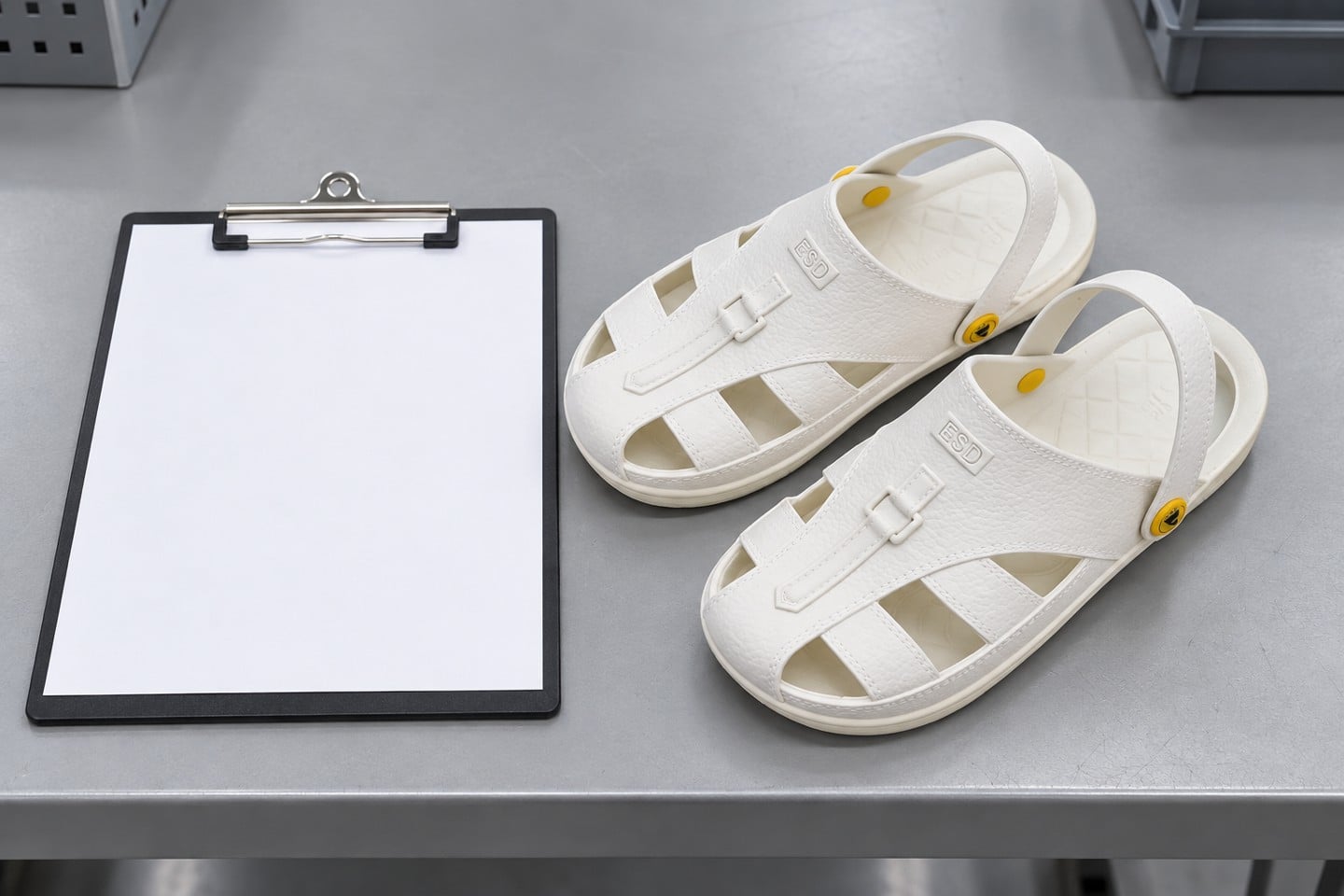
Do not infer a protective toe from an enclosed front or hard-looking upper. Similarly, a thick sole does not establish puncture resistance or grip under the actual floor contamination. Request the relevant data and have the safety owner assess it against the task. The ESD illustrations in this article show confirmed SWESD slides only; they do not portray, certify, or recommend an unverified protective-shoe model.
For tasks involving electrical hazards, the relevant safety requirements must be determined by qualified personnel. ESD footwear intended to manage charge should not be treated as electrical insulating protection. Avoid a purchase specification that combines conflicting assumptions without review. The safety owner and ESD coordinator need to resolve the actual control arrangement before approving a shoe for such work.
Qualify the ESD arrangement independently
Request electrical evidence for the actual footwear construction, not only a sole material or an ESD logo. The evidence must identify the specimen, method, conditioning, result, and criteria. A supplier’s report may support product qualification, but it cannot establish every wearer-flooring combination used in the factory. Evaluate the system as required by the approved program.
The EOS/ESD Association basic control-procedures guidance describes personnel grounding and footwear-flooring arrangements in context. The method and application determine which checks are required. Do not transfer a resistance limit from an unrelated material table or treat an entrance-check pass as proof of every other system property.
For evidence review, see our ESD footwear resistance-testing guide. It separates a specimen report, a worn-operator check, and a person-footwear-flooring evaluation. Keep these scopes visible in the footwear specification and trial record. This is especially useful when two candidate formats show different results: confirm that the measurements describe comparable arrangements before deciding which product is preferable.
Assess fit, retention and movement in a controlled trial
Evaluate fit using the approved clothing and socks, and the normal tasks that the policy permits. Check whether the footwear stays in place during walking, turning, standing, and other authorized movement. A loose fit can affect practicality even if a laboratory specimen passed its electrical test. Do not expose staff to an unapproved physical hazard simply to assess how a slipper behaves.
Gather observations from representative users and sizes. Record the task, duration, fit concern, discomfort, and any observed bypass of the footwear policy. A short showroom fitting cannot predict every shift condition. Provide an agreed route for reporting problems after issue and for obtaining a suitable replacement. Avoid presenting comfort as a numerical product capability unless supported by a defined evaluation.
Separate preference from acceptance. An operator may prefer a lightweight slide, but the hazard assessment may require a protective shoe. Another may prefer a closed shoe that has not been qualified for the ESD arrangement. The final decision must satisfy both controls. User feedback helps select among acceptable options; it should not override unresolved safety or electrostatic requirements.
Consider cleanliness and cleaning compatibility
An ESD description does not establish cleanroom suitability. Determine whether the process needs specific particle, residue, chemical, or hygiene evidence and whether the footwear’s cleaning instructions are compatible with the approved routine. An open design and a closed design may create different practical concerns, but appearance alone cannot establish the contamination outcome. Have the process owner define the criteria.
Ask how the manufacturer permits cleaning, drying, storage, and replacement of insoles or straps. Unapproved cleaning products or component changes can alter the item being evaluated. Record the allowed process in the footwear policy and train staff accordingly. Do not allow an uncontrolled personal insole substitution when the construction’s electrical behavior is part of the approval.
The EPA entrance personnel-grounding checklist helps connect the footwear choice to daily entry controls. Ensure that changing shoes, changing socks, or entering another floor area does not silently bypass the required check. Define how a failed check is handled and where an approved alternative is available.
Control issuing, storage and replacement
Identify approved footwear by model and revision, and keep the issuing record suitable for the site’s needs. Store accepted and rejected pairs separately. Shared footwear requires a policy addressing fit, hygiene, identification, and verification; do not assume a pair remains acceptable merely because another wearer used it successfully. Make approved sizes and replacements available so that staff can follow the policy.
Define inspection and removal triggers. Damage, worn retention features, contamination, failed applicable checks, or unauthorized component changes may require withdrawal under the approved procedure. A fixed replacement interval can be useful where evidence supports it, but no universal age rule applies to all formats and tasks. Preserve repeated-failure records to identify a supplier, cleaning, floor, or use-condition problem.
Require notification of relevant material and construction changes. If a supplier changes a sole, upper, lining, insole, or manufacturing process, review whether existing evidence still applies. A product name remaining unchanged does not guarantee an unchanged construction. Link the accepted evidence to the item on the purchase order and define when a new trial is required.
Write a purchasing specification that prevents confusion
Include the task and area, allowed routes, required physical protection, electrostatic-control scope, applicable methods, evidence requirements, sizing, cleaning, replacement, and change-control obligations. Ask the supplier to identify any requirement it cannot demonstrate. Review gaps before ordering rather than treating a shipment inspection as the first opportunity to discover missing certification or incompatible footwear.
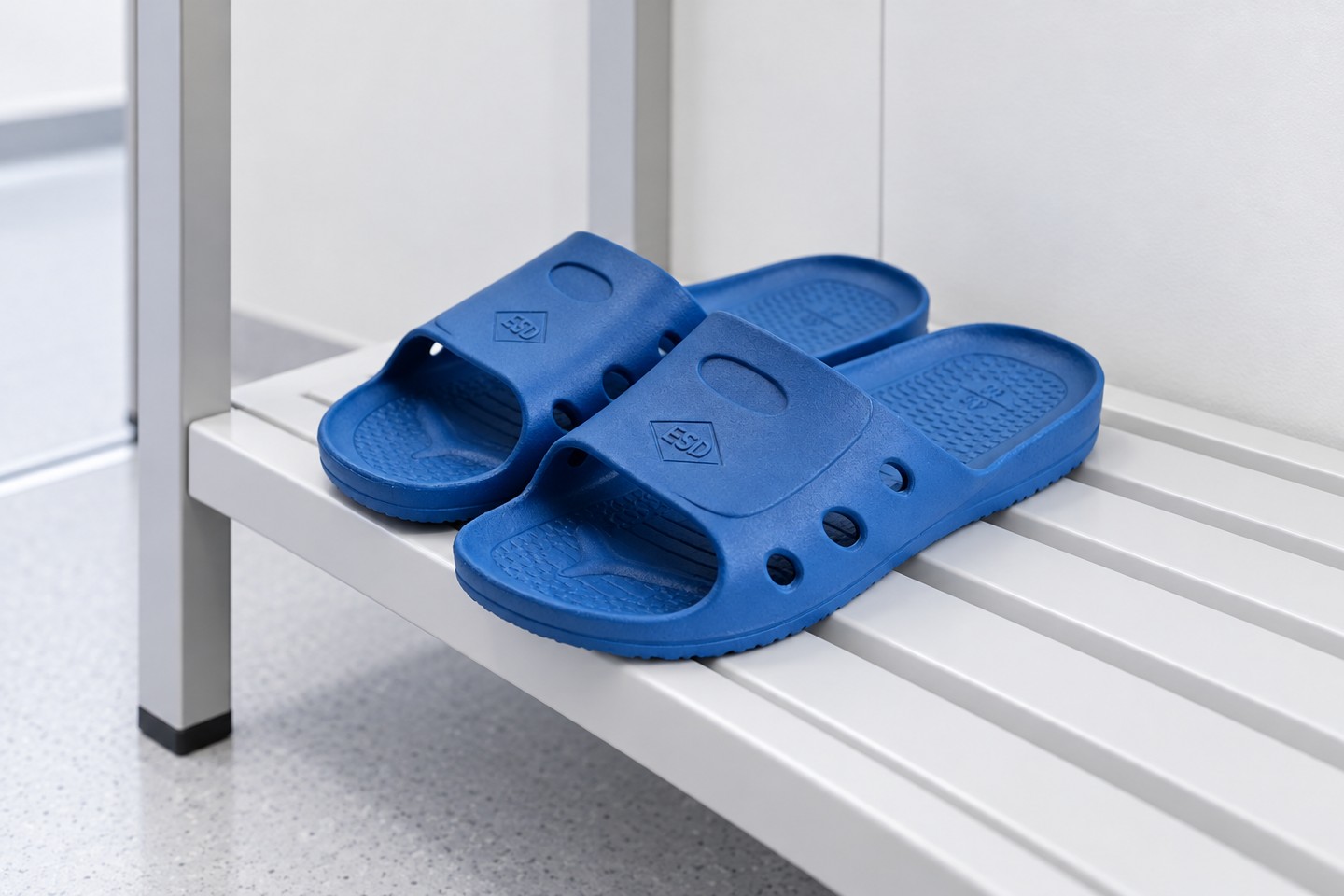
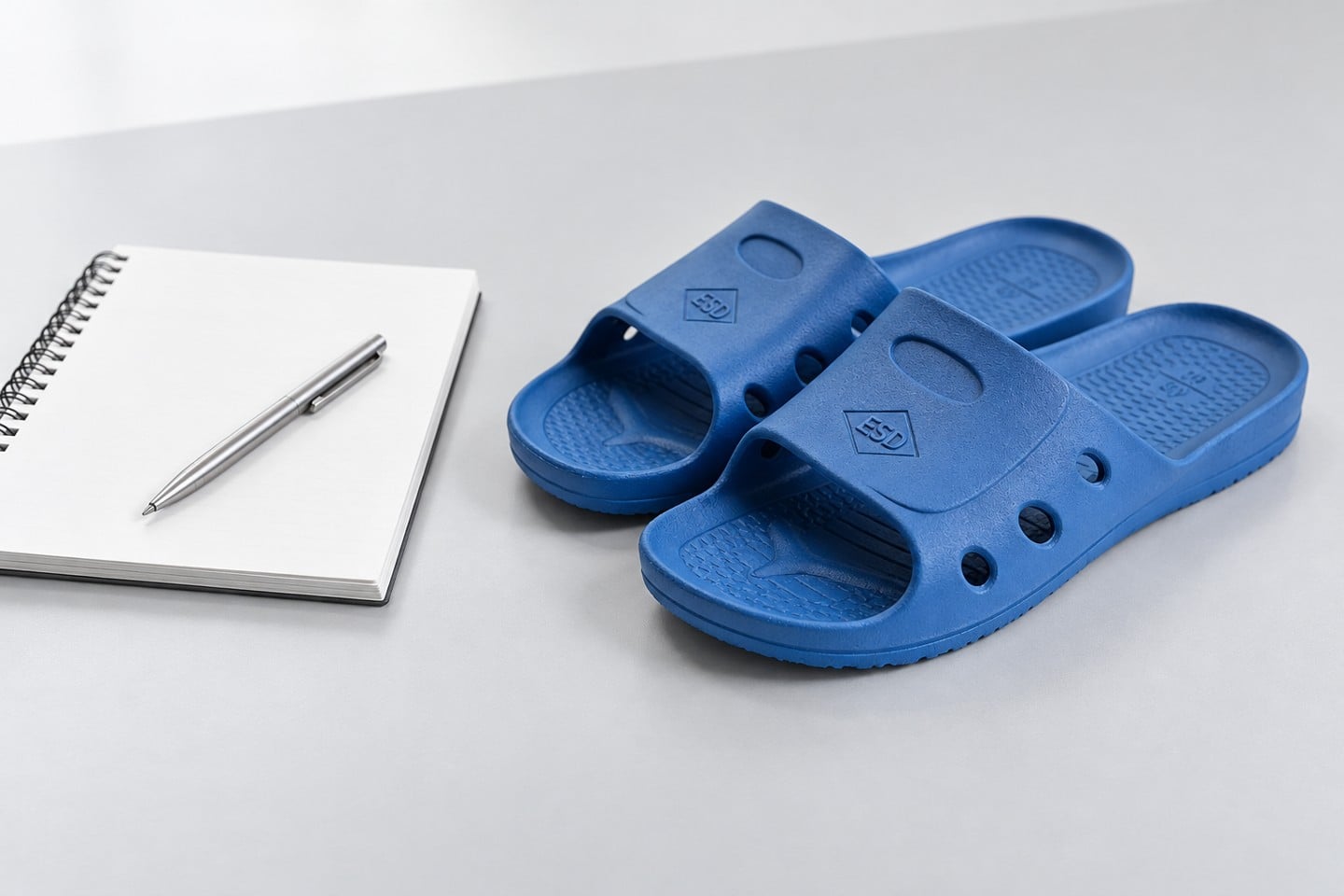
The SWESD ESD slide product page provides a confirmed product reference for a footwear inquiry. The visible blue molded slides illustrate the open format discussed here. Their photo does not establish protective-toe performance, electrical values, cleanroom qualification, or suitability for a specific factory route; request the necessary documentation and application evaluation.
Further learning
The EOS/ESD Association educational video below introduces electrostatic-control principles. It supports the ESD half of the comparison and does not provide protective-footwear certification or replace a workplace hazard assessment. Use both the safety decision and the electrostatic evidence to approve the actual item. A defensible choice is a documented match to the job, rather than a blanket rule that slippers or closed shoes are always the better option.
Soalan Lazim
Are ESD slippers always suitable for electronics production?
No. The approved tasks, routes, safety assessment, process requirements and electrostatic-control arrangement must permit the actual design.
Does an ESD label prove protective-toe or puncture performance?
No. Physical protection needs separate documentation for the exact model and the hazards identified by the safety assessment.
Are closed shoes automatically better for ESD grounding?
No. The construction and the actual wearer-flooring arrangement require the applicable electrical evidence and checks.
Can ESD footwear be treated as electrical insulating protection?
No. Have qualified personnel specify the protection required for electrical hazards; an ESD designation does not establish insulating performance.
What should purchasing put in the footwear specification?
Include tasks and routes, required physical protection, ESD scope and evidence, fit, cleaning, replacement, traceability and change-control requirements.
Tinggalkan Balasan