- Turbo
- Blog
Cleanroom sticky mat used sheet disposal should keep collected dirt contained from the moment the layer is lifted until it reaches the assigned waste route. Prepare the receiving container first, control traffic, remove the sheet using the approved slow inward technique, and check the new surface before reopening the entrance. Do not carry an exposed dirty sheet through a clean area or assume every used adhesive sheet belongs in ordinary waste. The correct route depends on what the mat has collected and the facility’s waste assessment. This guide focuses on the removal-to-disposal handoff, rather than choosing a mat or setting a universal replacement interval.
Define the task before lifting the sheet
The clean side of a mat is easy to recognize; the dirty sheet becomes less obvious once it has been folded and moved. A useful procedure therefore defines three things together: where the operator stands, where the contaminated surface goes, and who checks that the entrance is ready afterward. If these decisions are left until the sheet is already in someone’s hands, the operator may put it on a cart or floor while looking for a suitable container.
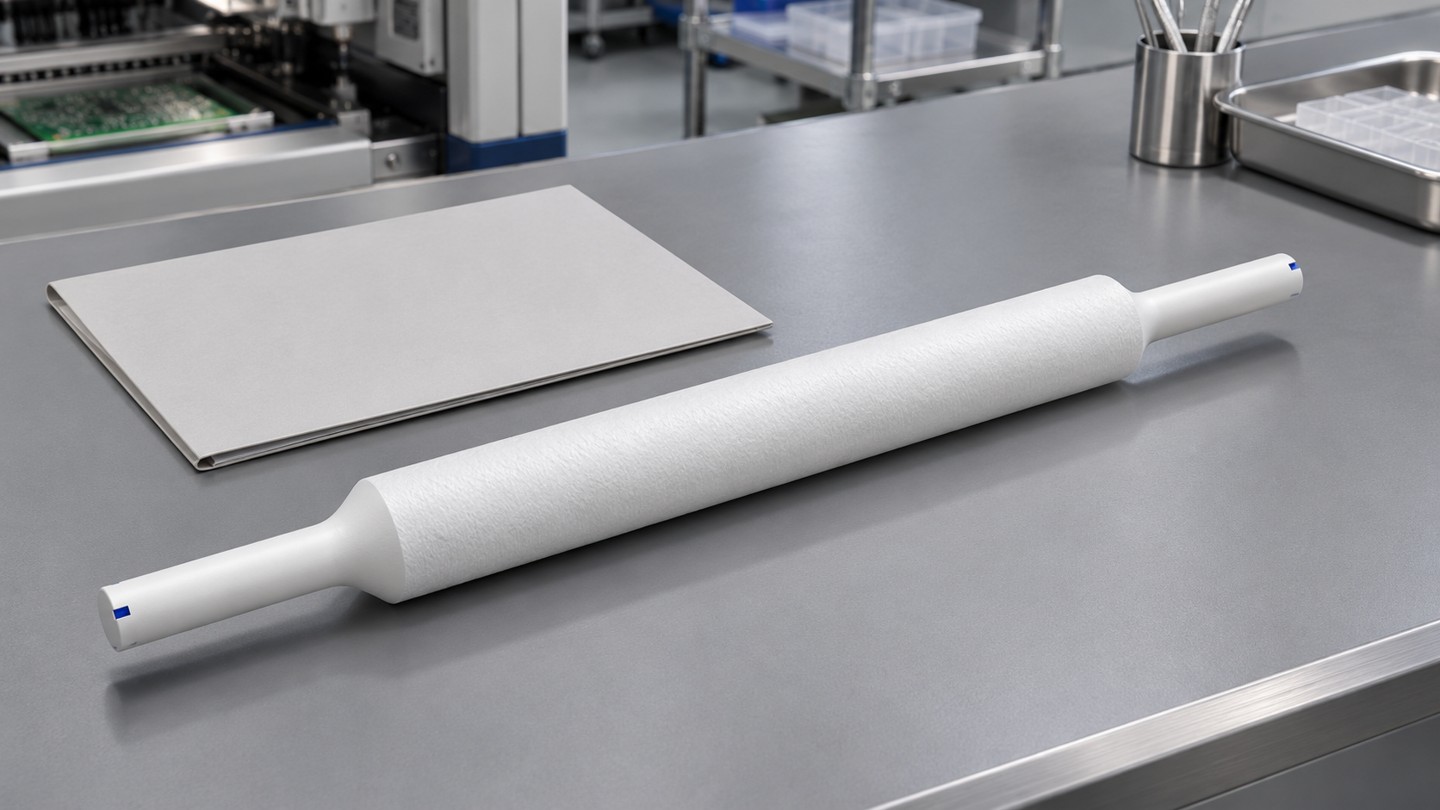
The SWESD sticky mats product page provides the relevant product reference. Confirm the delivered construction and current supplier instructions before selecting a removal method. The illustrations here show the blue multilayer mat; they do not establish a cleanliness classification, waste classification, or measured electrostatic performance. A product photo cannot establish those properties, and an attractive new surface cannot establish that the entire entrance process is effective.
Separate replacement decisions from disposal decisions
A surface may need changing because it is visibly loaded, damaged, or otherwise outside the site’s acceptance criteria. That decision does not automatically answer how to handle the removed material. A mat near an ordinary assembly entrance and a mat near a process involving controlled substances may look similar while requiring different handling. The waste owner should determine the route using process knowledge, not the color of the adhesive film.
Gunakan panduan pemilihan tikar melekit for the broader product decision. The peel tab condition review addresses access to individual layers. Those checks support this task but do not replace it: even a correctly selected mat with an intact tab can be mishandled after the dirty layer is removed.
Prepare a receiving point and keep the route clear
Before starting, identify an approved receiving container or transfer arrangement close enough to avoid carrying an open sheet through unnecessary work areas. Confirm that it has room for the sheet and that the operator can use it without touching clean supplies. Its location should not obstruct the entrance, emergency access, or the next person’s footpath. If collection requires opening or touching a lid, include that action in the working sequence so it does not contaminate hands that must subsequently inspect the fresh layer.
CCOHS guidance on workplace housekeeping explains the role of planned waste collection, storage, and clear access. For this specific operation, convert that general principle into a simple preparation check: container ready, destination known, route available. If the container is full or the route is unavailable, pause before lifting the layer. Leaving the sheet half removed is a poor substitute for a complete transfer plan.
Remove slowly and contain the dirty face
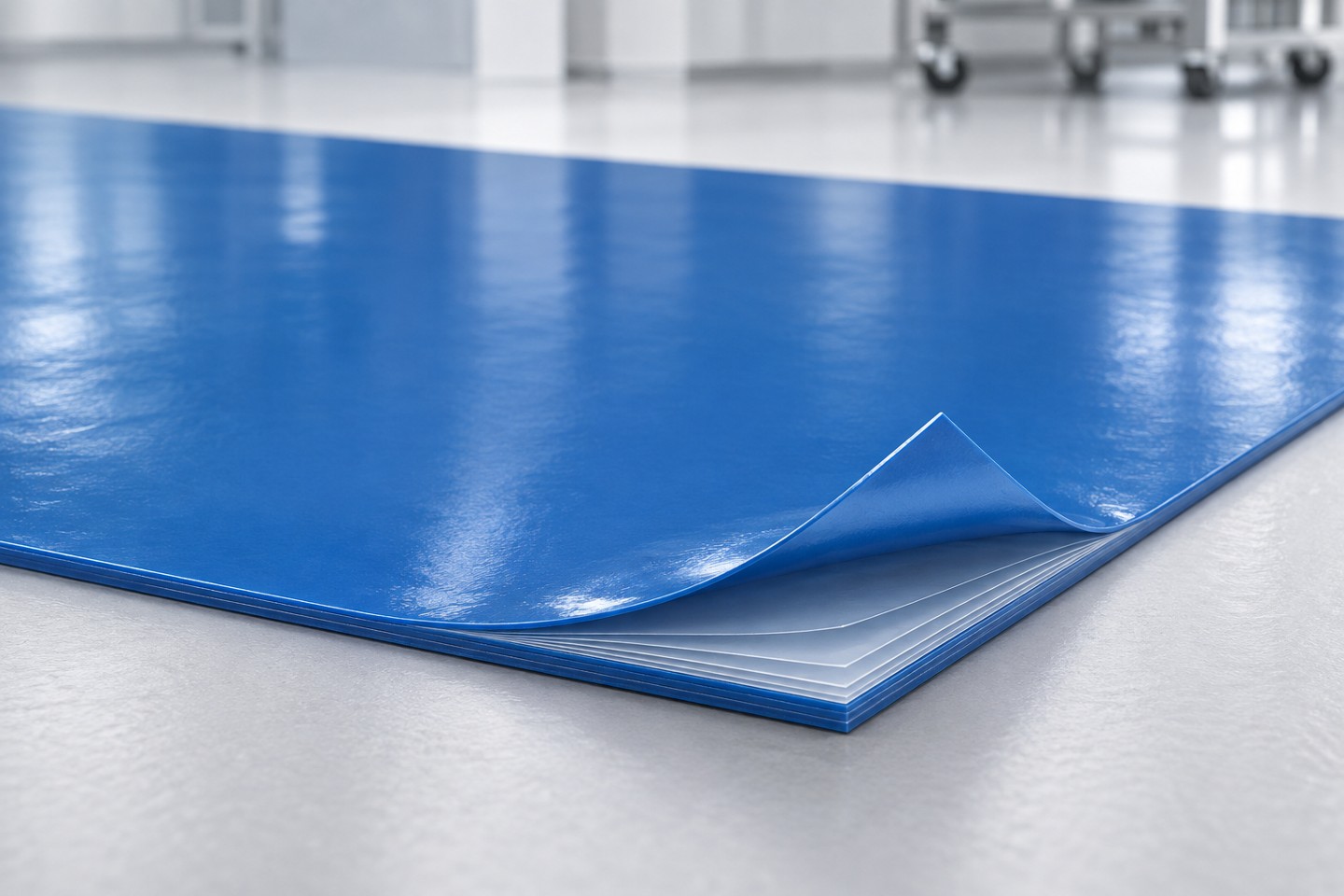
An older housekeeping excerpt hosted by MIT’s laboratory network describes slow removal with the corners gathered inward, creating a pocket that contains deposited contamination. Treat it as explanatory material, then apply the current procedure approved for the actual mat and facility. Do not use it as evidence that this article reproduces every requirement of the current recommended practice.
The practical aim is to avoid flicking, snapping, or shaking the loaded film. Keep the contaminated face inward as the layer is gathered, while preserving control of the remaining mat. Do not drag the removed material across the fresh adhesive face. If the supplier’s construction requires a different handling detail, resolve that difference before routine use. Gloves, posture, and the exact standing position should be specified by the facility’s assessment rather than improvised from an illustration.
Use a handoff checklist that follows the sheet
The following table is a proposed operational checklist, not a set of regulatory waste categories or numerical cleanliness limits. It translates the housekeeping and containment principles into observations that an operator can act on. The process owner should adapt it to the approved waste route, mat instructions, and entrance configuration.
| Peringkat | Verify before continuing | Tindakan jika tidak diselesaikan |
|---|---|---|
| Persediaan | Assigned container and route are available | Pause before lifting the sheet |
| Penghapusan | Dirty face stays contained; remaining mat stable | Stop and follow the deviation procedure |
| Transfer | Removed film reaches its assigned receiving point | Keep it controlled; obtain assistance |
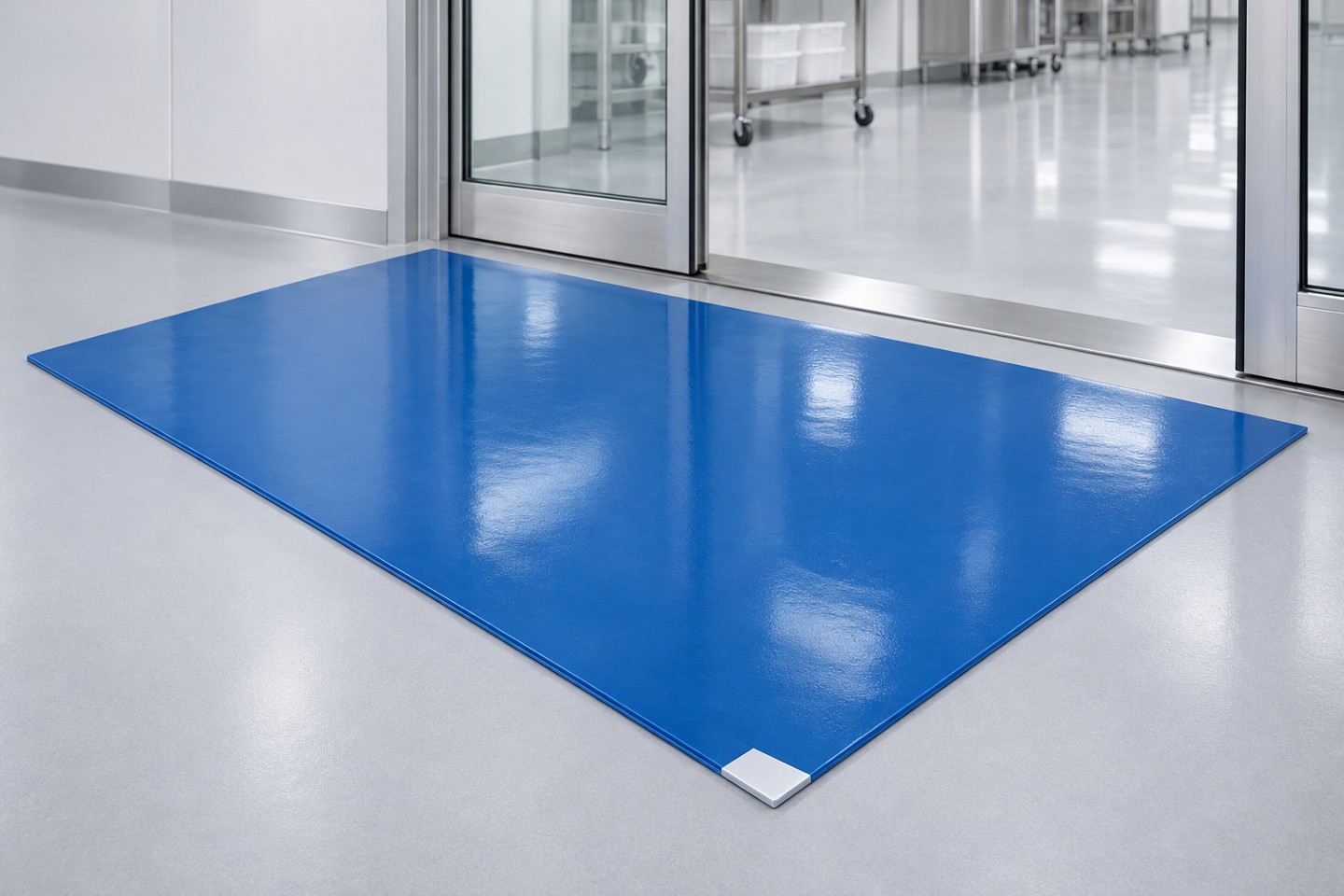
| Fresh layer | No tear, loose material or lifted edge | Keep traffic controlled pending correction |
| Reopening | Area ready and exception recorded if needed | Obtain the responsible release decision |
A checklist is most useful when it makes the next action unambiguous. “Dispose correctly” gives little help when the receiving point is full. “Do not start removal until the designated container is available” prevents the problem earlier. Similarly, “check the next layer” should name the visible conditions that matter, including damage, foreign material, and a lifted edge. Acceptance criteria need to be understandable at the actual entrance, not only in an office document.
Avoid transferring contamination through hands and tools
The operator may need to touch a door handle, container lid, mat tab, and inspection record during the task. Map those contacts in their real order. Otherwise, a person may correctly fold the dirty film inward and then touch the fresh surface with the same contaminated glove. Where the approved method calls for changing gloves or cleaning hands, place that step before contact with the clean side or adjacent supplies.
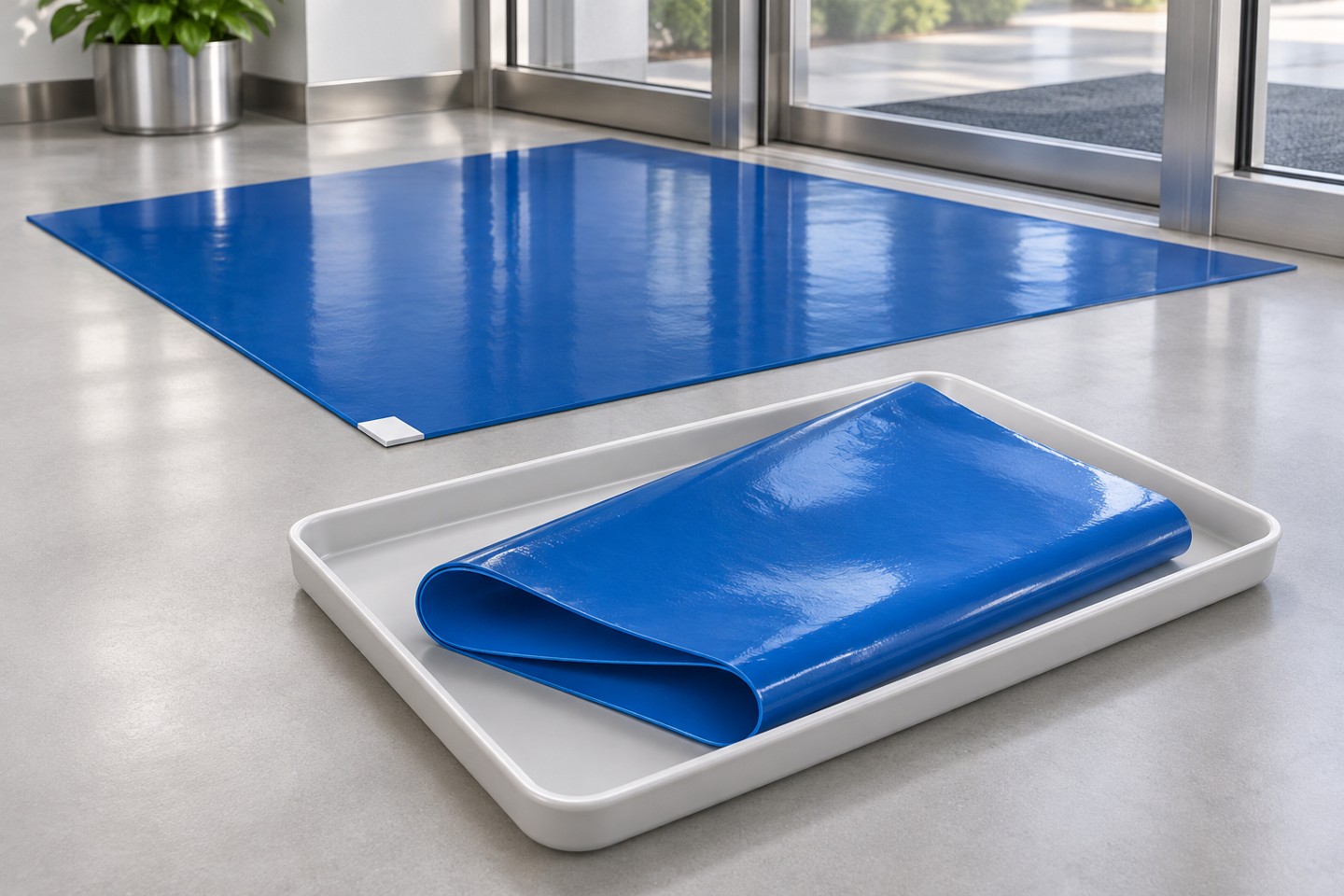
Keep any reusable handling aids within their assigned cleanliness status. A tray used to receive a removed layer should not immediately become a tray for unopened replacement mats. If a transfer aid is permitted, give it an identified storage location and cleaning or replacement rule. These are process controls to be established locally; this article does not prescribe a disinfectant, chemical concentration, or universal cleanroom gowning sequence.
cURL Too many subrequests by single Worker invocation. To configure this limit, refer to https://developers.cloudflare.com/workers/wrangler/configuration/#limits
cURL Too many subrequests by single Worker invocation. To configure this limit, refer to https://developers.cloudflare.com/workers/wrangler/configuration/#limits.
cURL Too many subrequests by single Worker invocation. To configure this limit, refer to https://developers.cloudflare.com/workers/wrangler/configuration/#limits cURL Too many subrequests by single Worker invocation. To configure this limit, refer to https://developers.cloudflare.com/workers/wrangler/configuration/#limits. cURL Too many subrequests by single Worker invocation. To configure this limit, refer to https://developers.cloudflare.com/workers/wrangler/configuration/#limits.
cURL Too many subrequests by single Worker invocation. To configure this limit, refer to https://developers.cloudflare.com/workers/wrangler/configuration/#limits
cURL Too many subrequests by single Worker invocation. To configure this limit, refer to https://developers.cloudflare.com/workers/wrangler/configuration/#limits.
cURL Too many subrequests by single Worker invocation. To configure this limit, refer to https://developers.cloudflare.com/workers/wrangler/configuration/#limits.
Keep useful records without inventing precision
For routine work, a record might identify the entrance, date and shift, operator, replacement reason, condition after removal, and any exception. Where traceability is required, connect the installed mat to the receiving or open-pack record. Do not invent a particle count or removal-efficiency percentage because the form has an empty field. Use the site’s actual monitoring method when a measured result is required.
Review exceptions over time. Repeated tears may point to handling technique, access difficulty, storage damage, or a product variation. Frequent interruptions because the container is unavailable indicate a collection arrangement problem. These observations can improve the work sequence without claiming that every occurrence has the same root cause. Confirm the cause using evidence from the actual entrance before changing the product or procedure.
Purchasing questions that prevent disposal problems
When requesting mats, ask the supplier to identify the layer construction, tab arrangement, instructions for use, storage conditions, and any restrictions relevant to the intended entrance. Explain the traffic pattern and the facility’s handling constraints. Do not ask for an unsupported blanket guarantee that the mat makes an area contamination-free or that discarded layers qualify for a particular waste route.
For an existing installation, a photograph of the mat position and an accurate description of the removal problem can be more useful than ordering a different size immediately. Provide the product reference and batch information when available, keeping sensitive process details out of unnecessary correspondence. Separate the supplier’s product advice from the site’s decision on waste classification and disposal. Each has a different owner and evidence base.
Further learning: understand the ESD boundary
The educational video below introduces general ESD awareness. It is included because adhesive-film handling can occur near sensitive electronics, not because it demonstrates this mat’s removal technique or certifies a specific product. Follow the site’s ESD control plan for the actual area. Containing dirt and controlling static are related operational concerns, but neither one proves that the other has been satisfied.
Soalan Lazim
Can a used sticky mat sheet always go into ordinary waste?
No. Use the waste route established for the contamination and facility process.
Should the dirty film be shaken before disposal?
No. Keep deposited contamination contained and follow the approved removal method.
What if the collection container is full?
Arrange an approved receiving point before starting removal rather than leaving a partly removed sheet.
Does the fresh layer need checking?
Yes. Check for damage, loose material and lifting before restoring normal traffic.
Does slow removal prove electrostatic compliance?
No. It does not replace the applicable site ESD controls and verification.
Tinggalkan Balasan