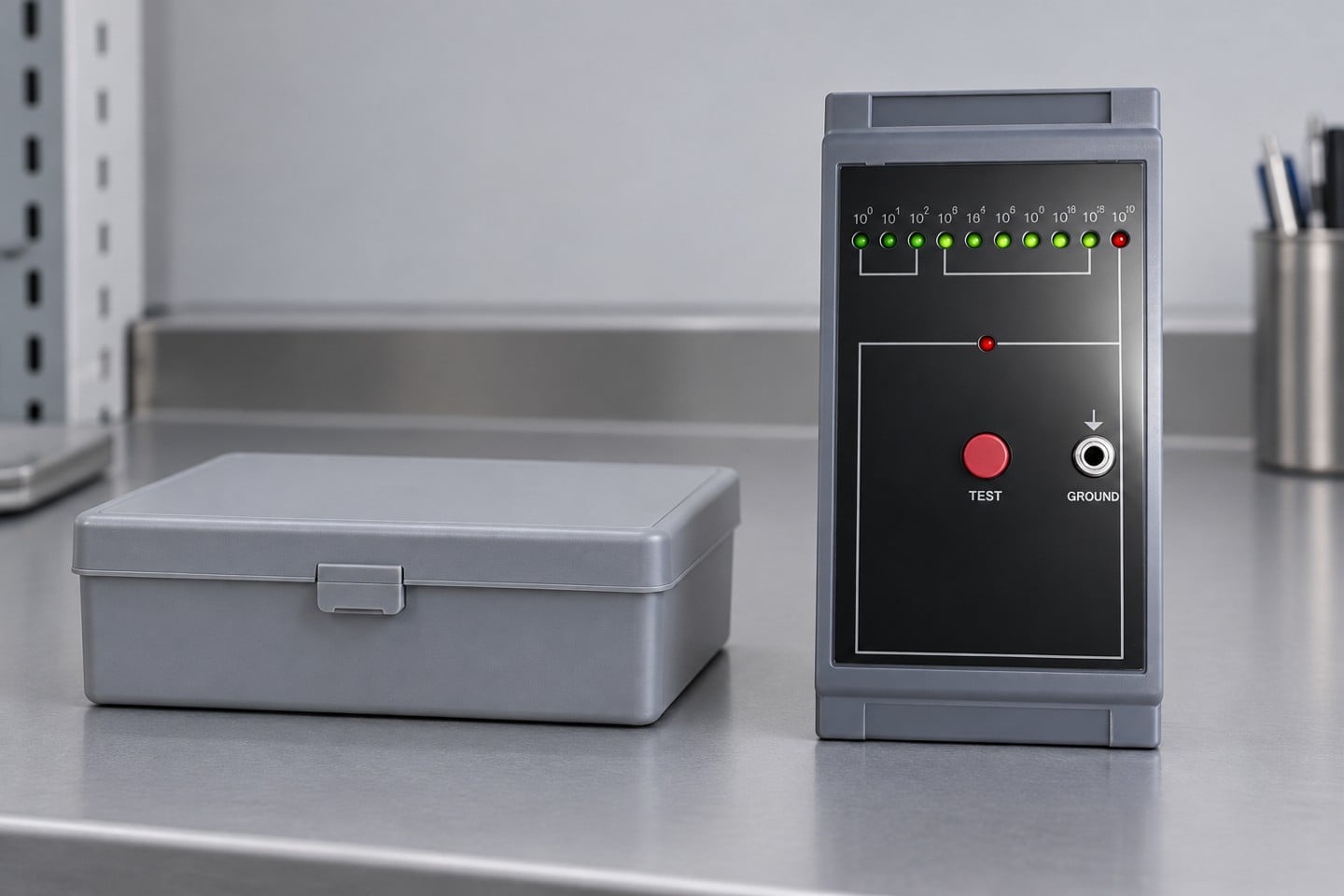
Control humidity comparisons in ESD surface-resistance testing with specimen conditioning, consistent methods, individual results and supplier evidence.
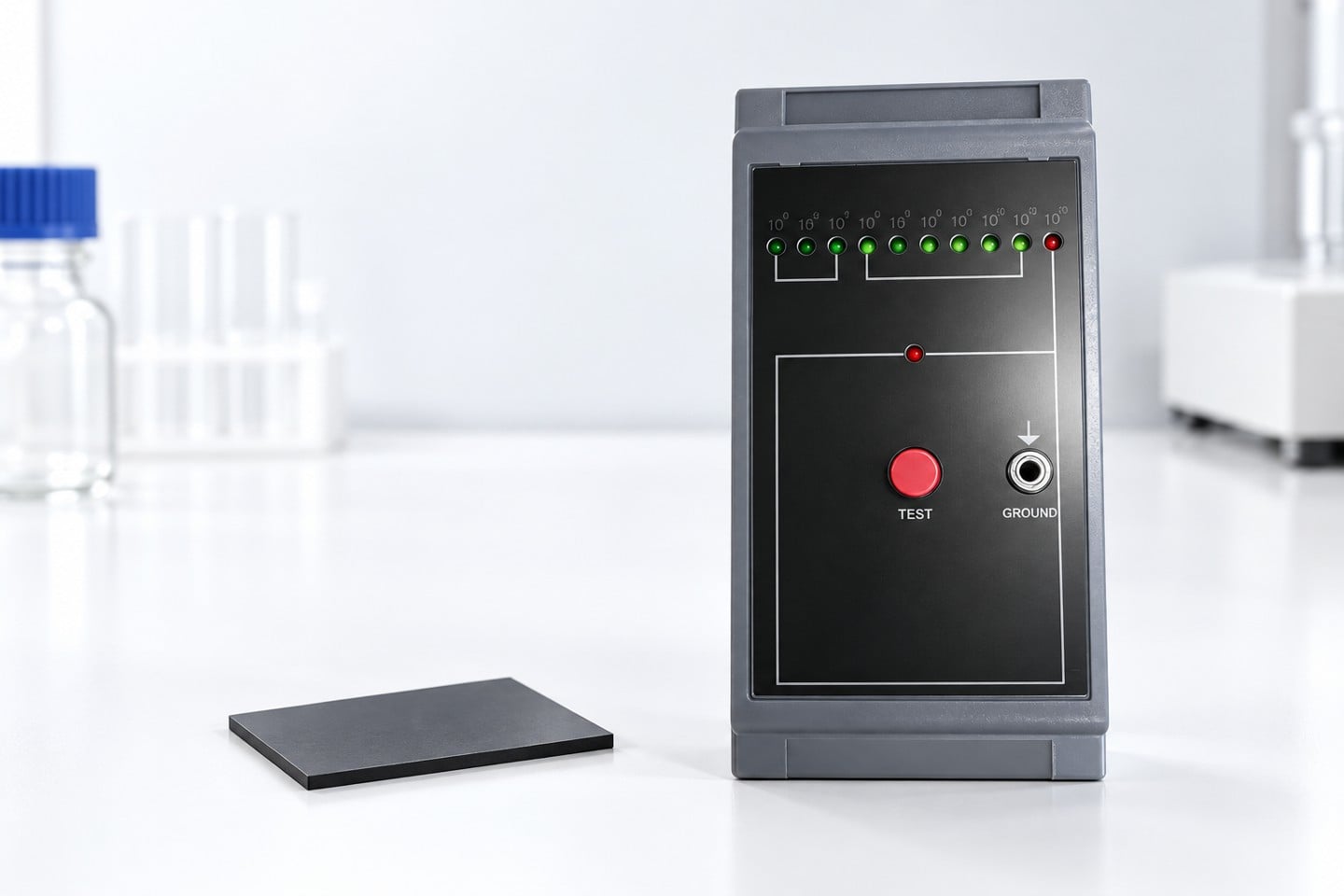
Compare two-point probes and concentric electrodes by measurement quantity, contact geometry, specimen limits and instrument compatibility.
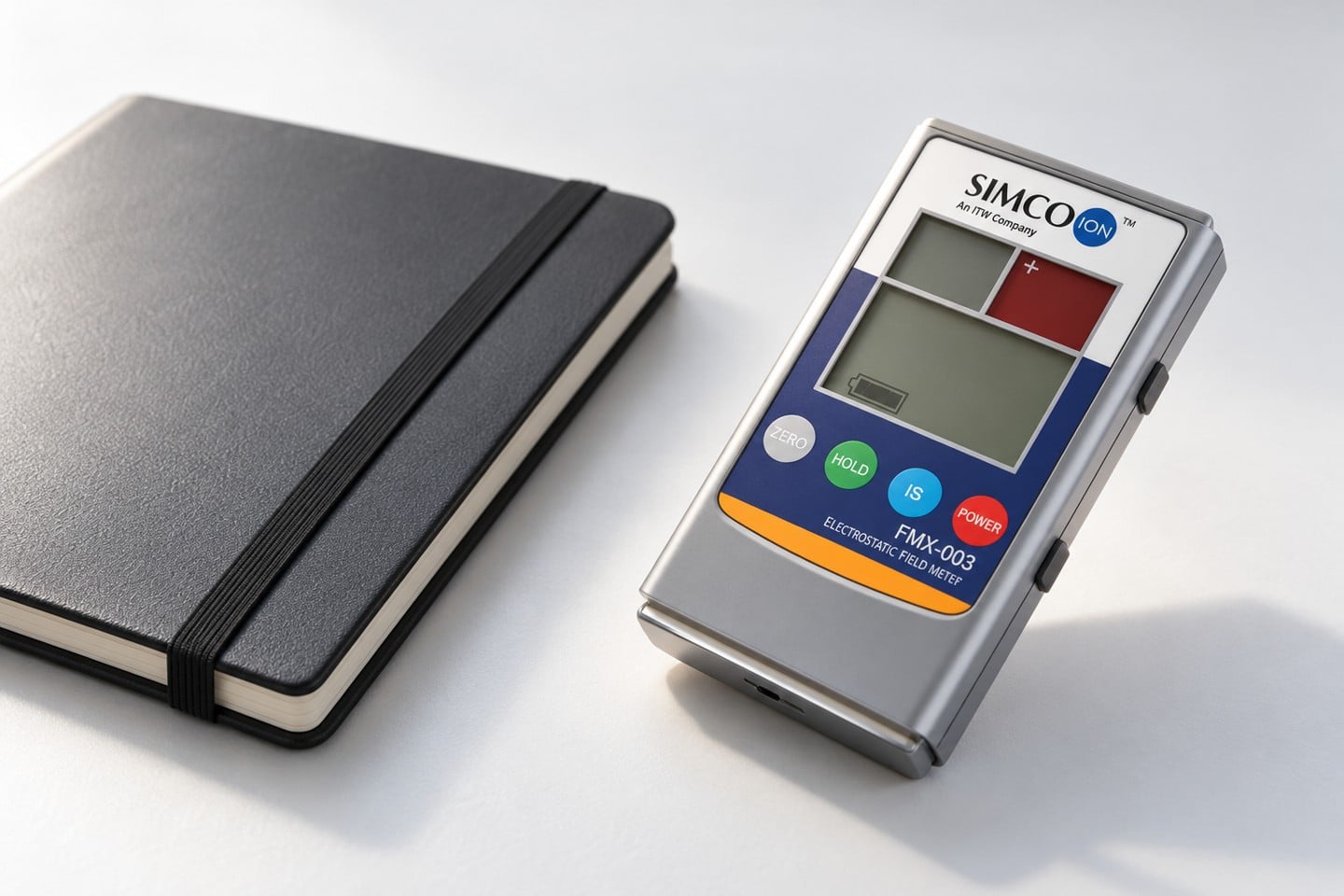
Plan electrostatic field meter checks between calibrations with controlled references, repeatable geometry, records and clear failure decisions.
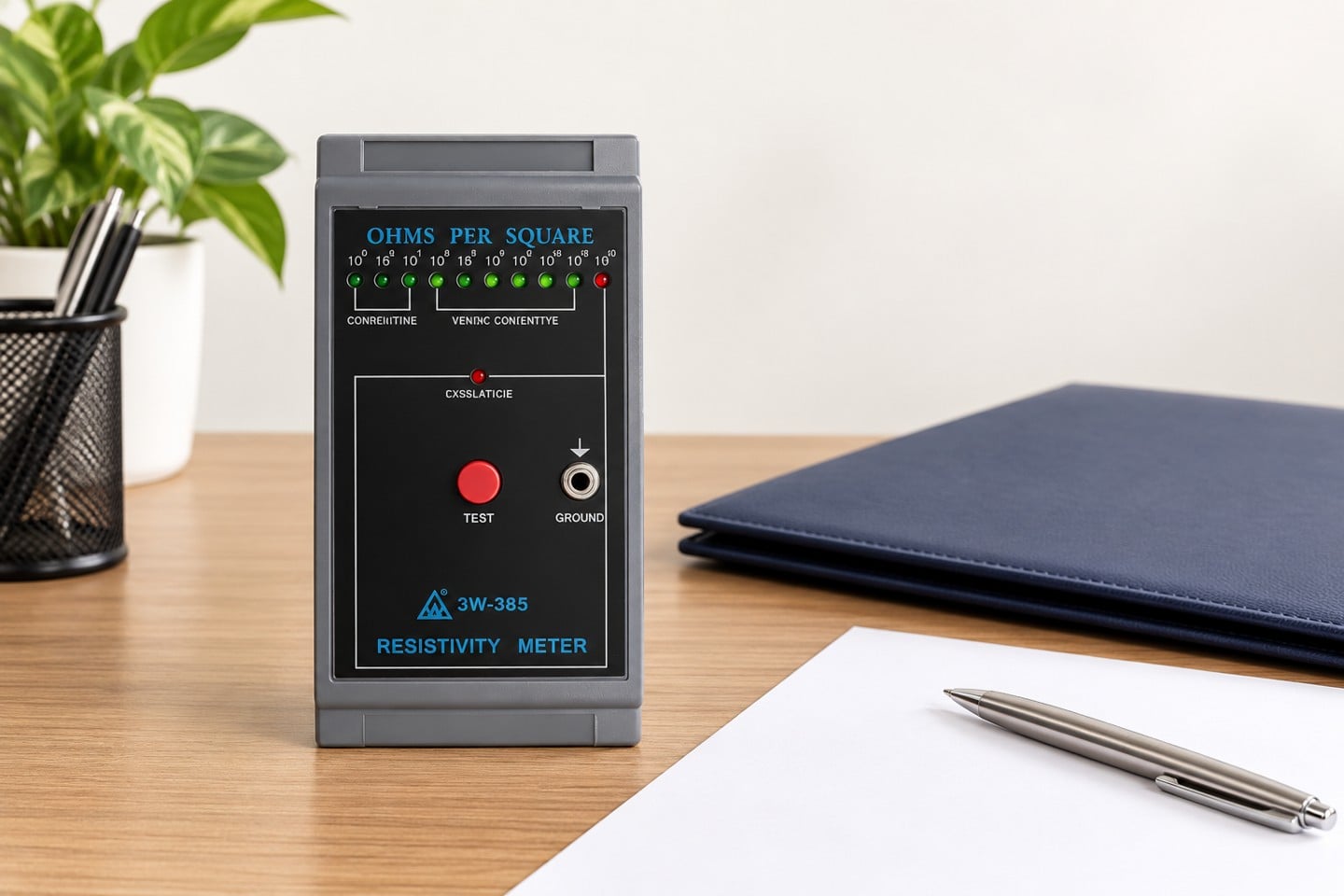
Review an ESD test report with sample identity, test scope, conditions, measurement evidence, acceptance rules and a practical procurement checklist.
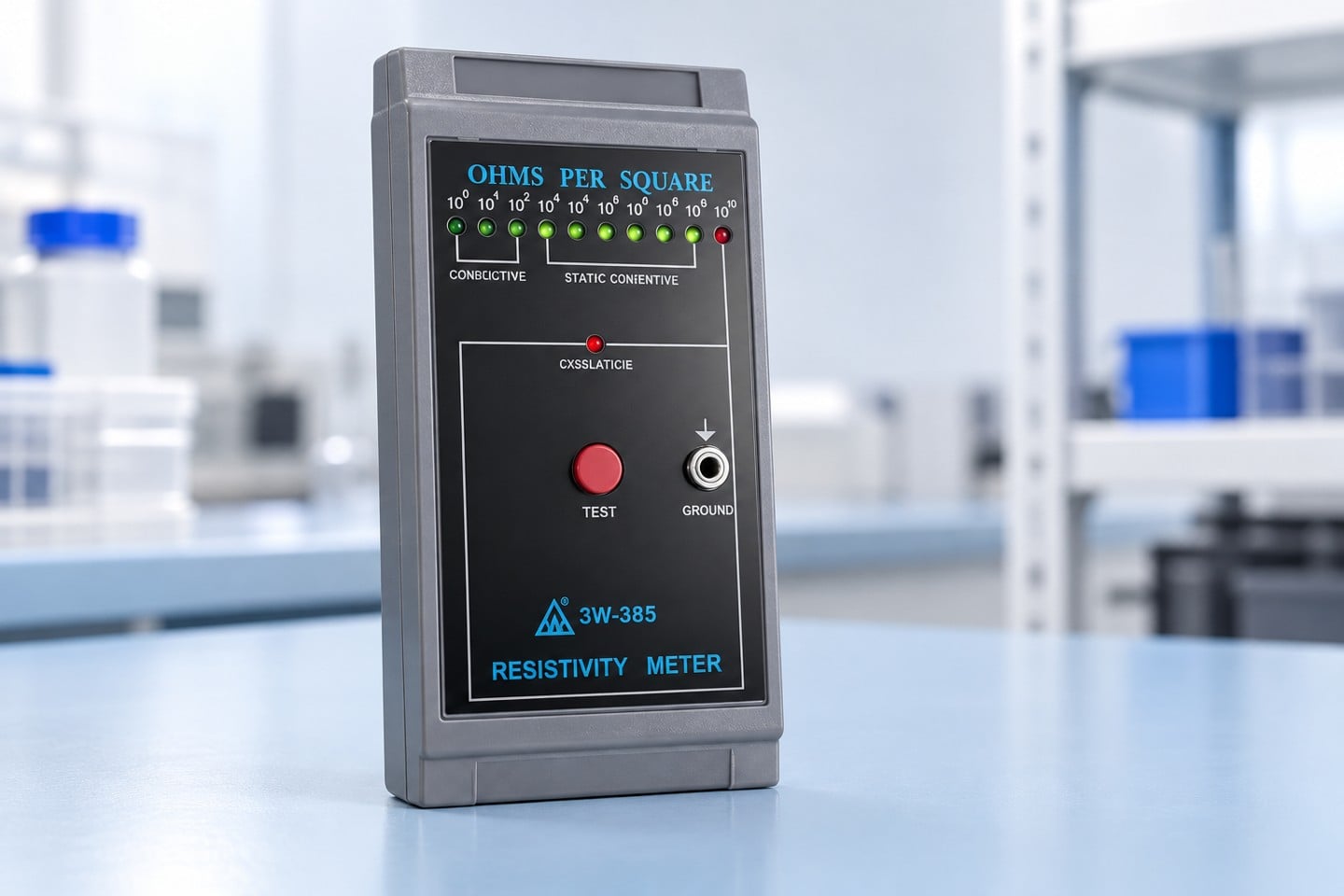
Compare surface resistance and surface resistivity in ESD specifications, with geometry limits, an illustrative calculation and supplier-report checks.
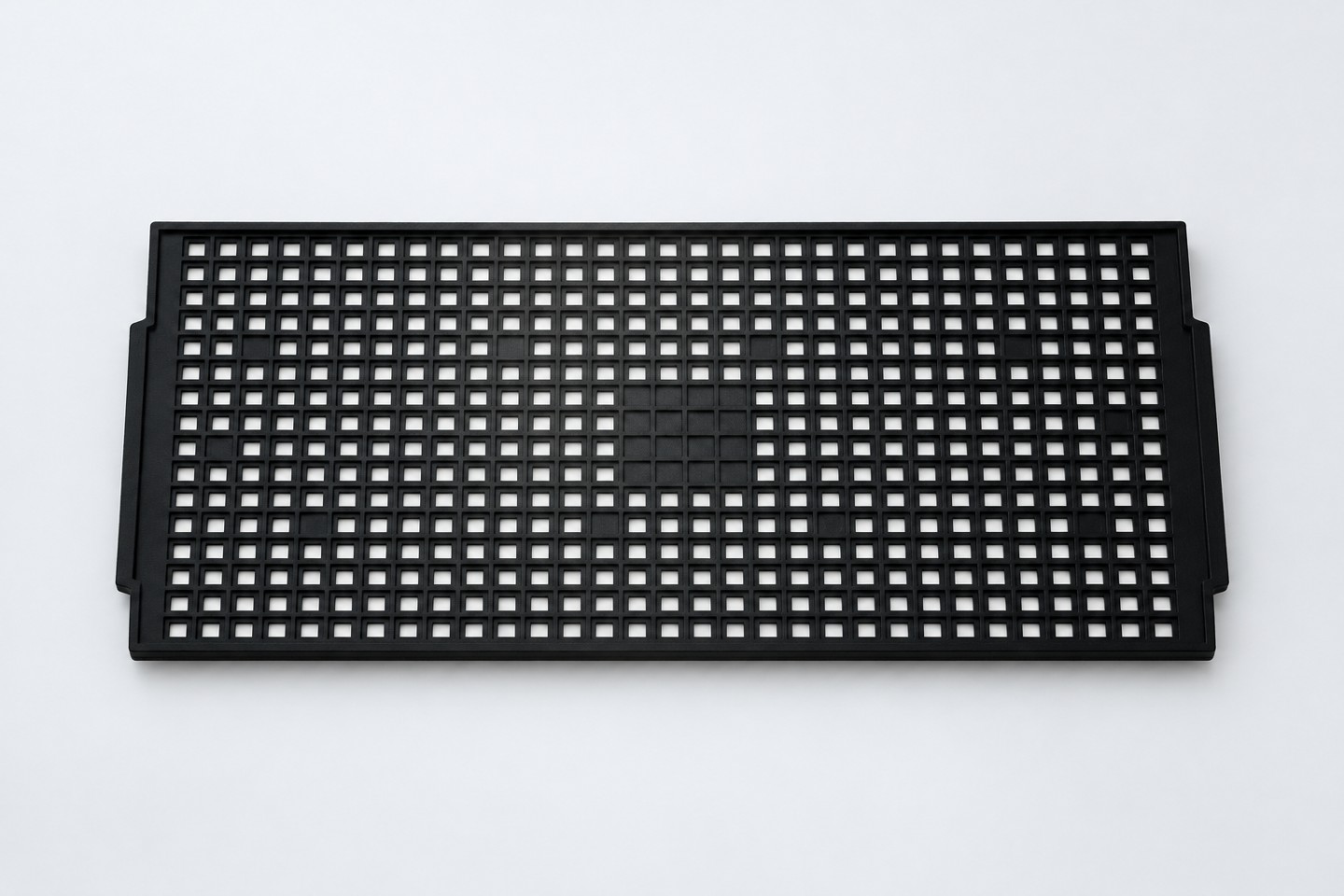
Define JEDEC tray pocket orientation with carrier drawings, package references, machine recipes and receiving checks before automated IC handling.
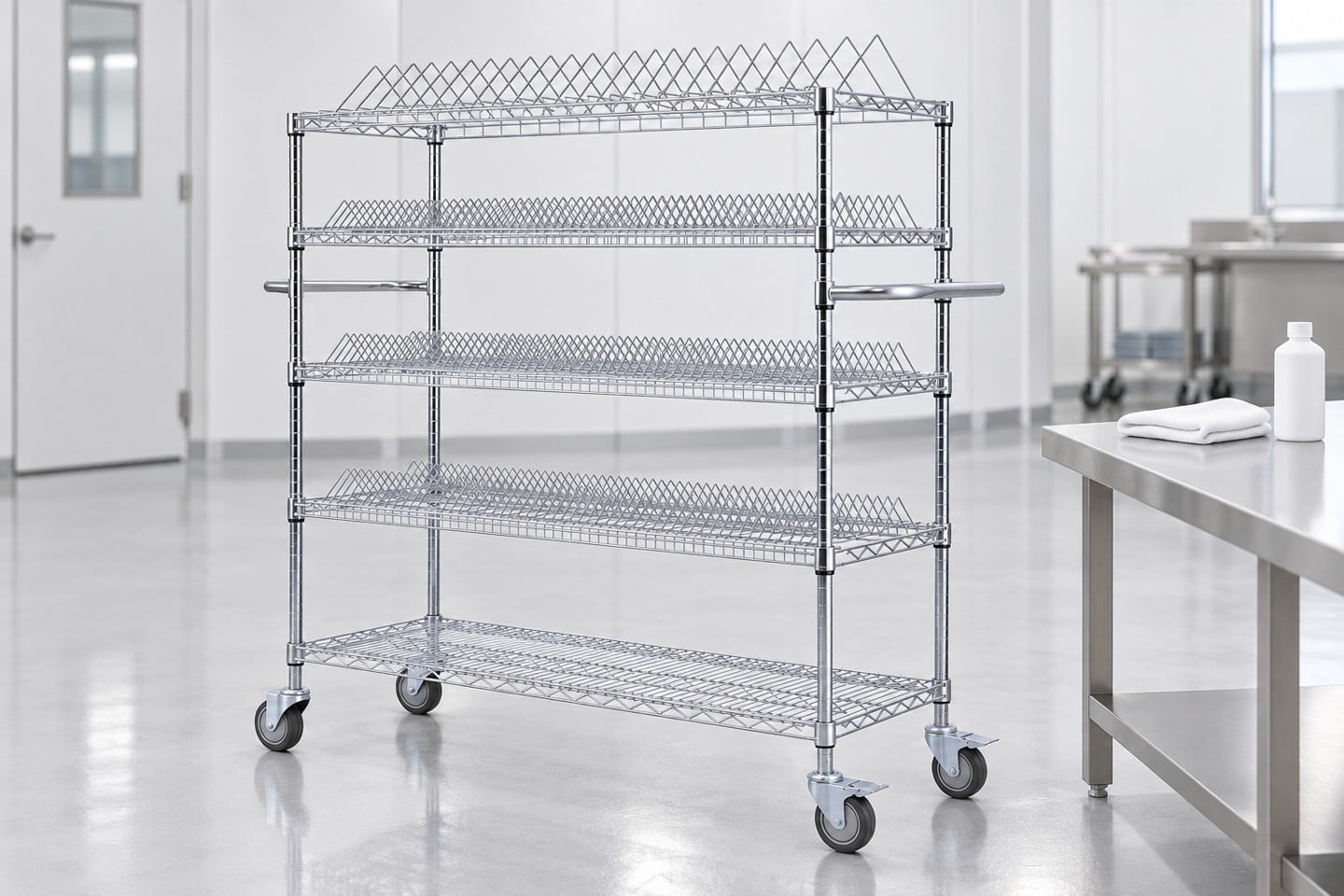
Plan ESD trolley cleaning with compatible methods, controlled inventory transfer, condition checks and separate electrical and mechanical return-to-service acceptance.
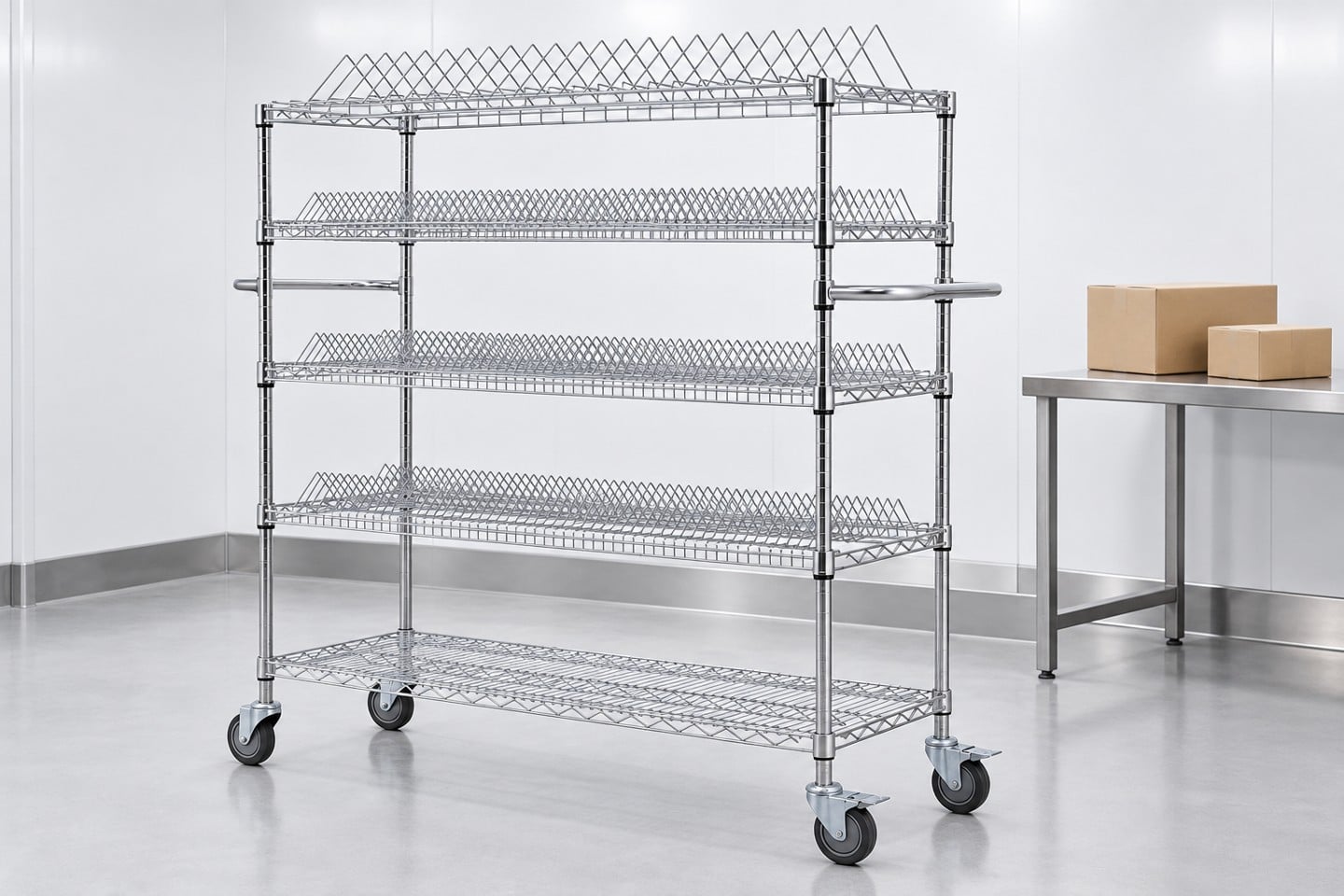
Specify ESD trolley shelf spacing using complete loaded package envelopes, support geometry, retrieval motion and approved mixed-load configurations.
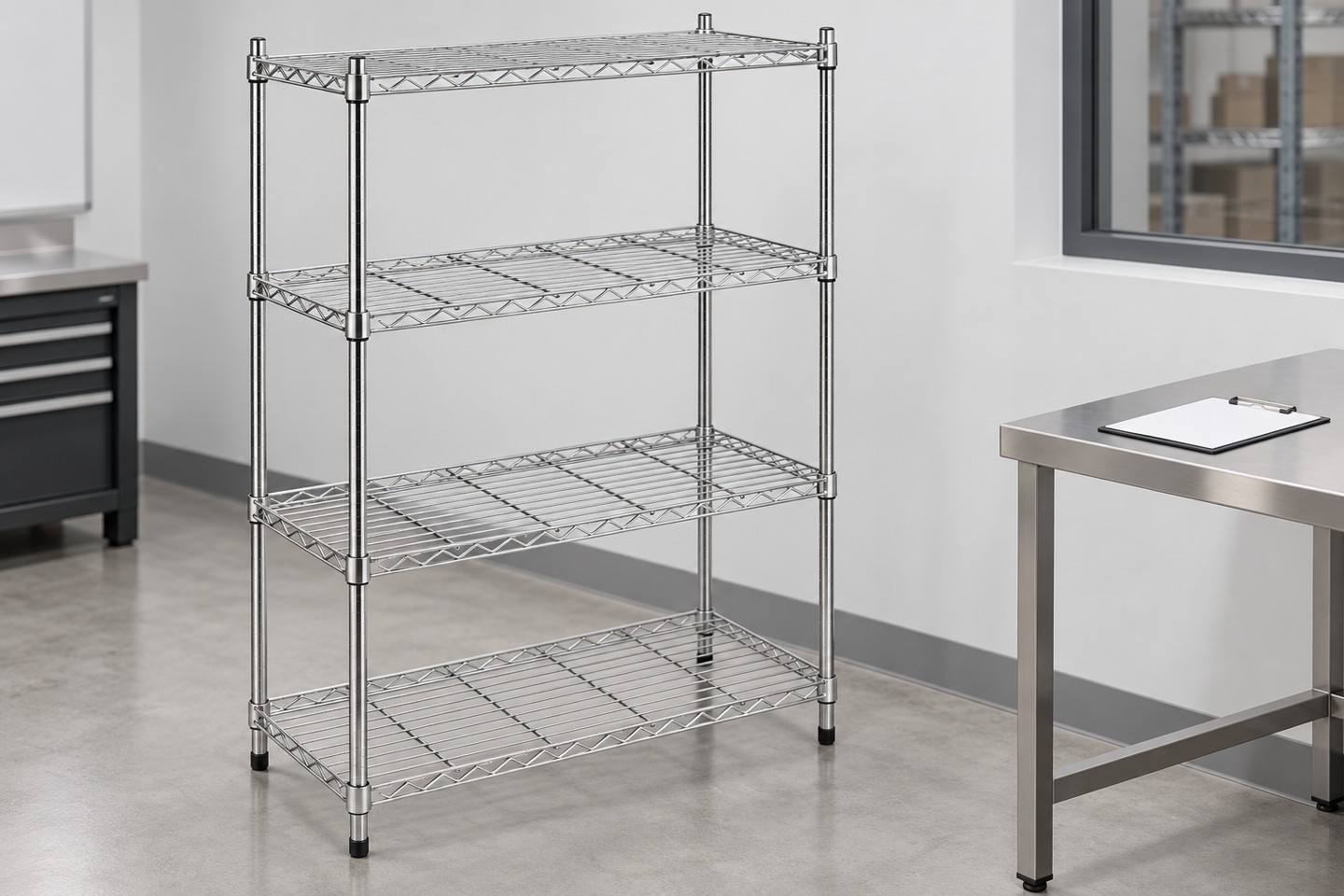
Plan fixed ESD shelf grounding by actual assembly paths, approved connections, suitable verification methods and documented changes; distinguish continuity from qualification.
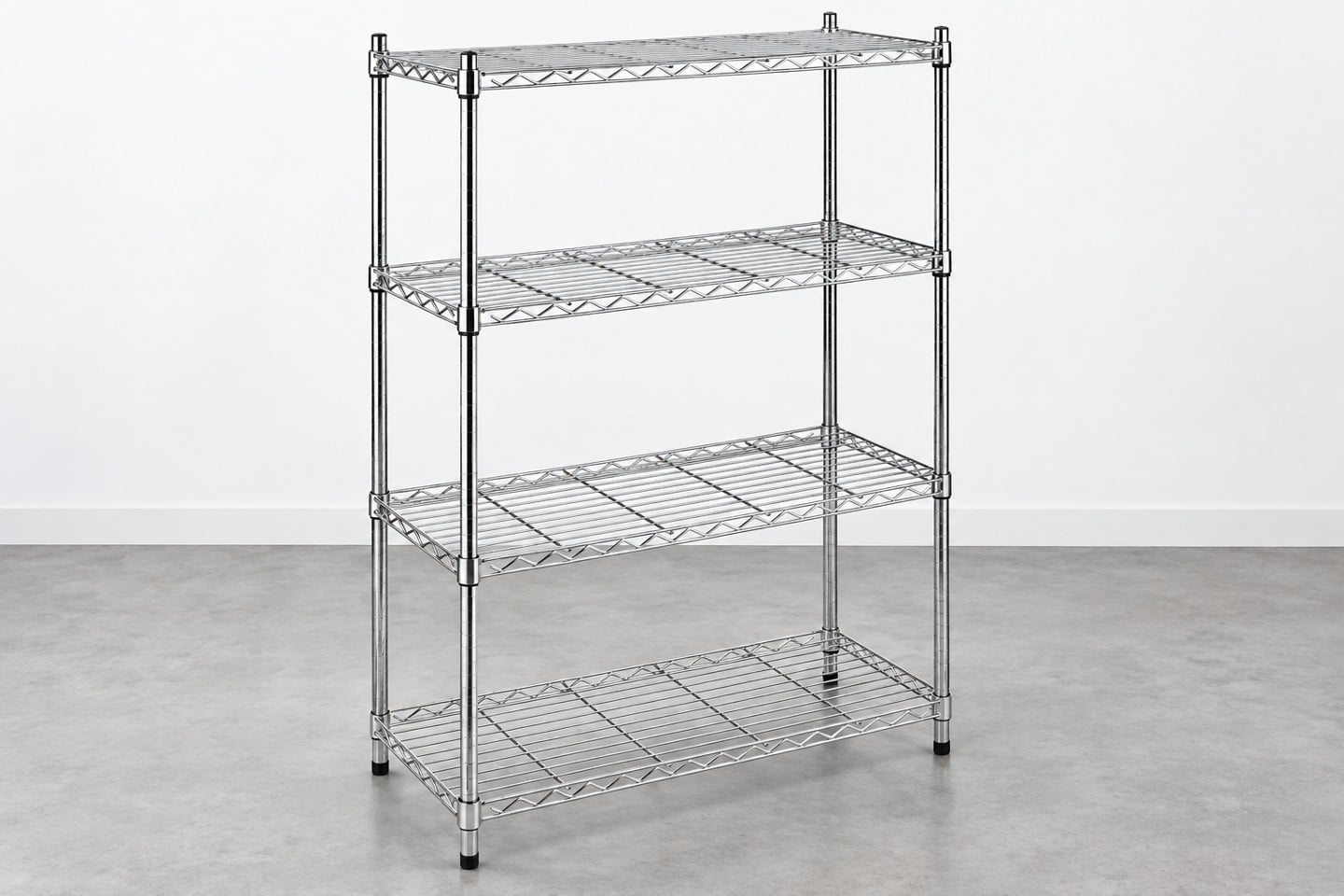
Review ESD rack shelf and frame ratings, load distribution, installation evidence, stability and site-specific anchoring before approving production storage.
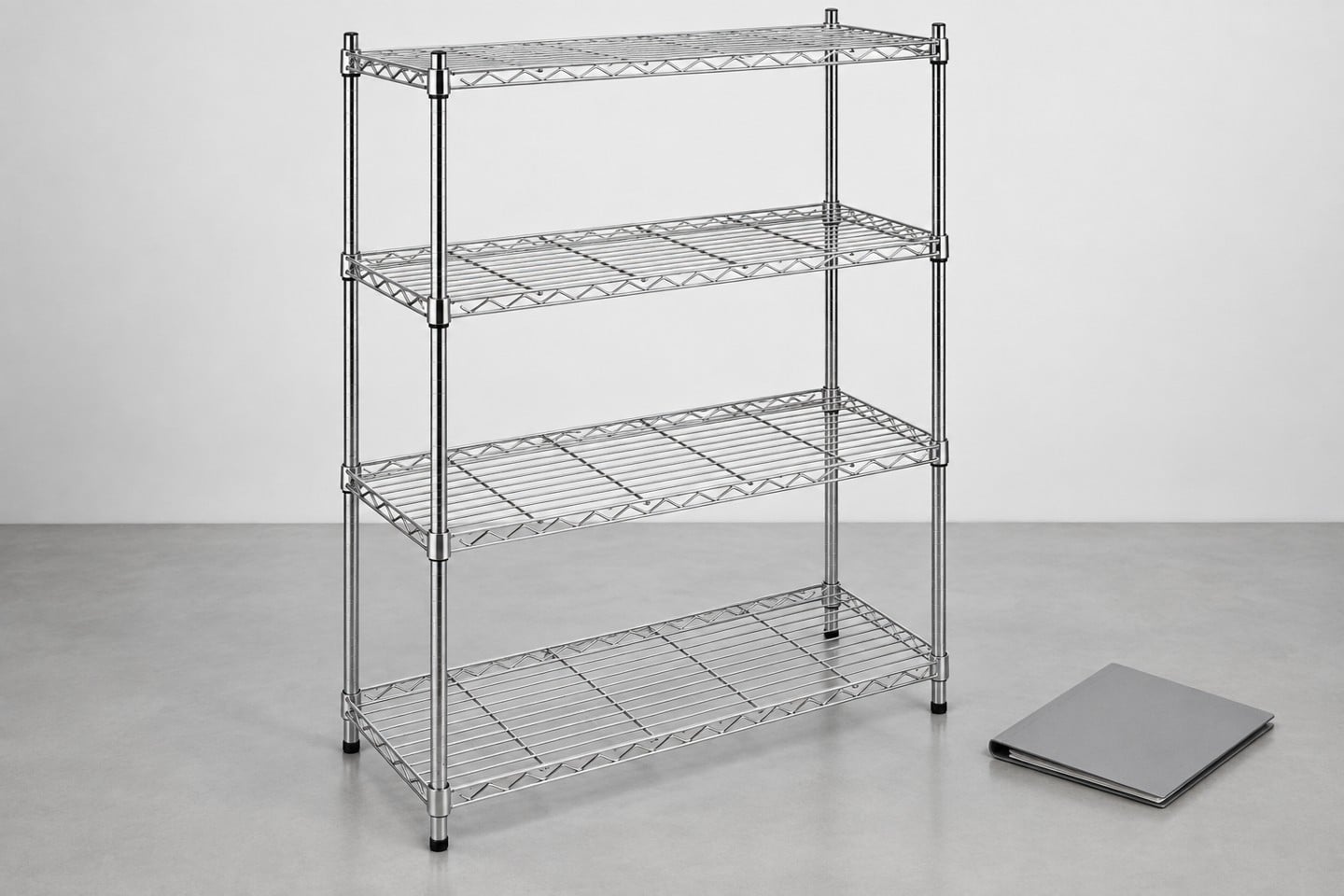
Specify rack surface treatments by actual substrate, application, complete electrical paths, cleaning exposure and repair acceptance rather than coating color.

Verify JEDEC tray bake temperature against the exact carrier specification, device drying procedure, load configuration and documented pre-bake release checks.