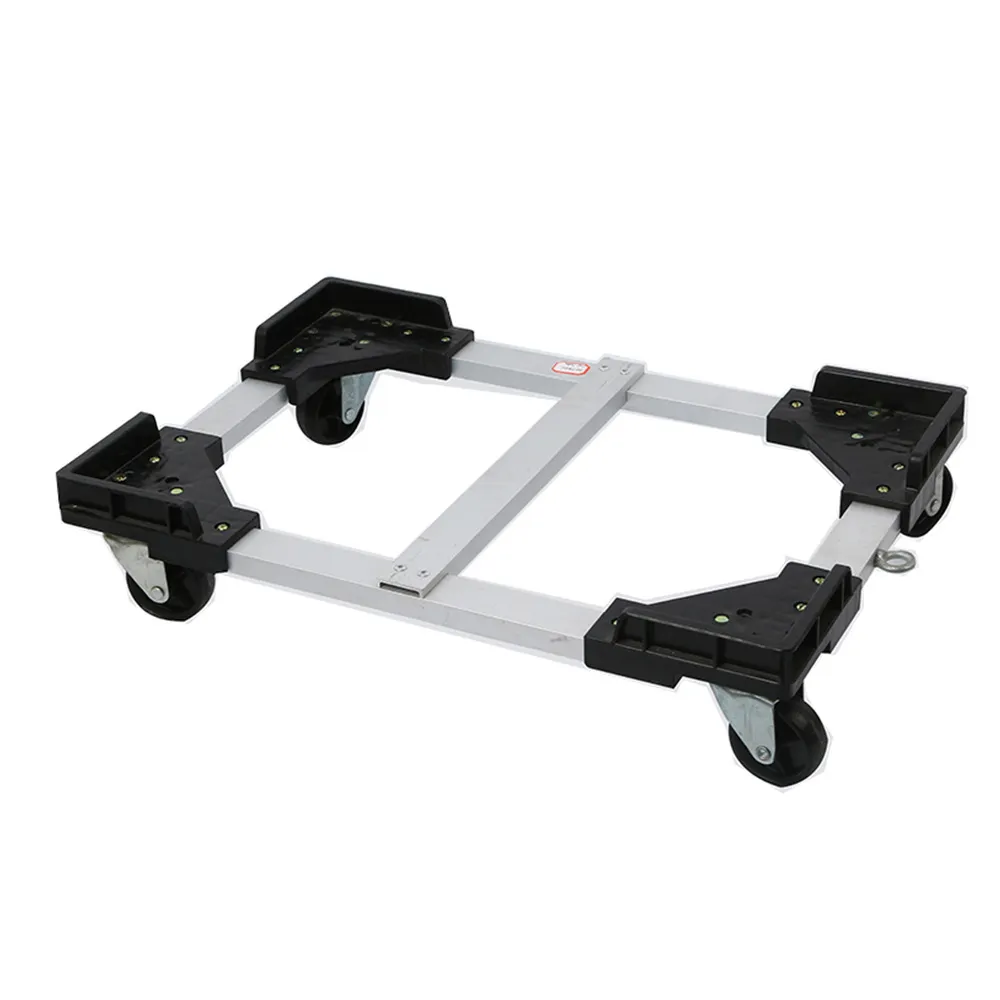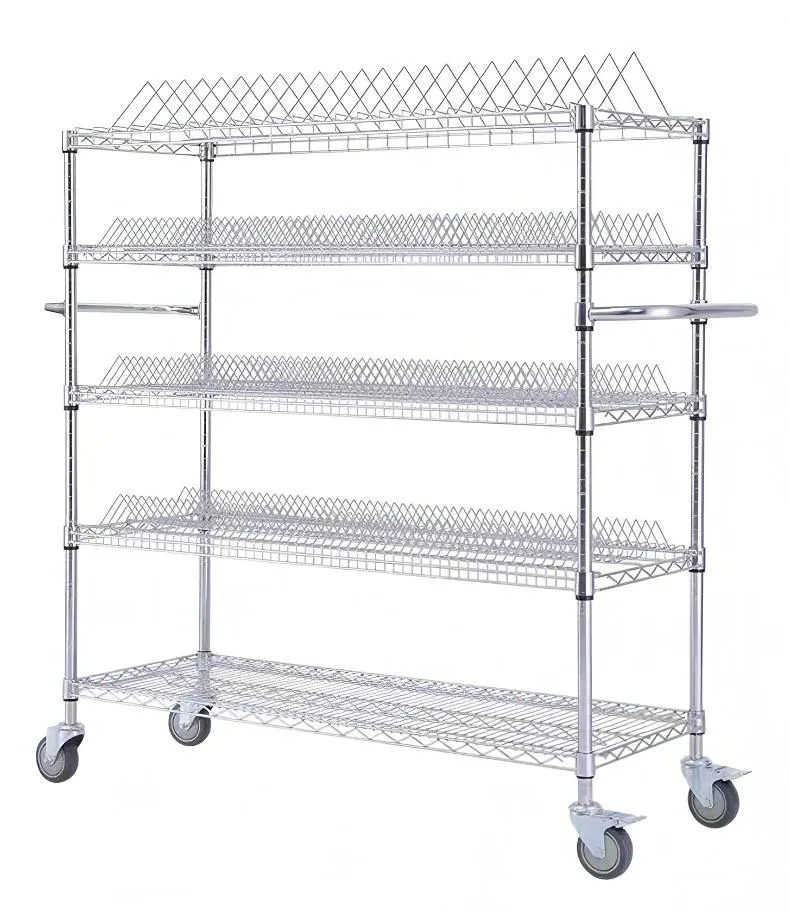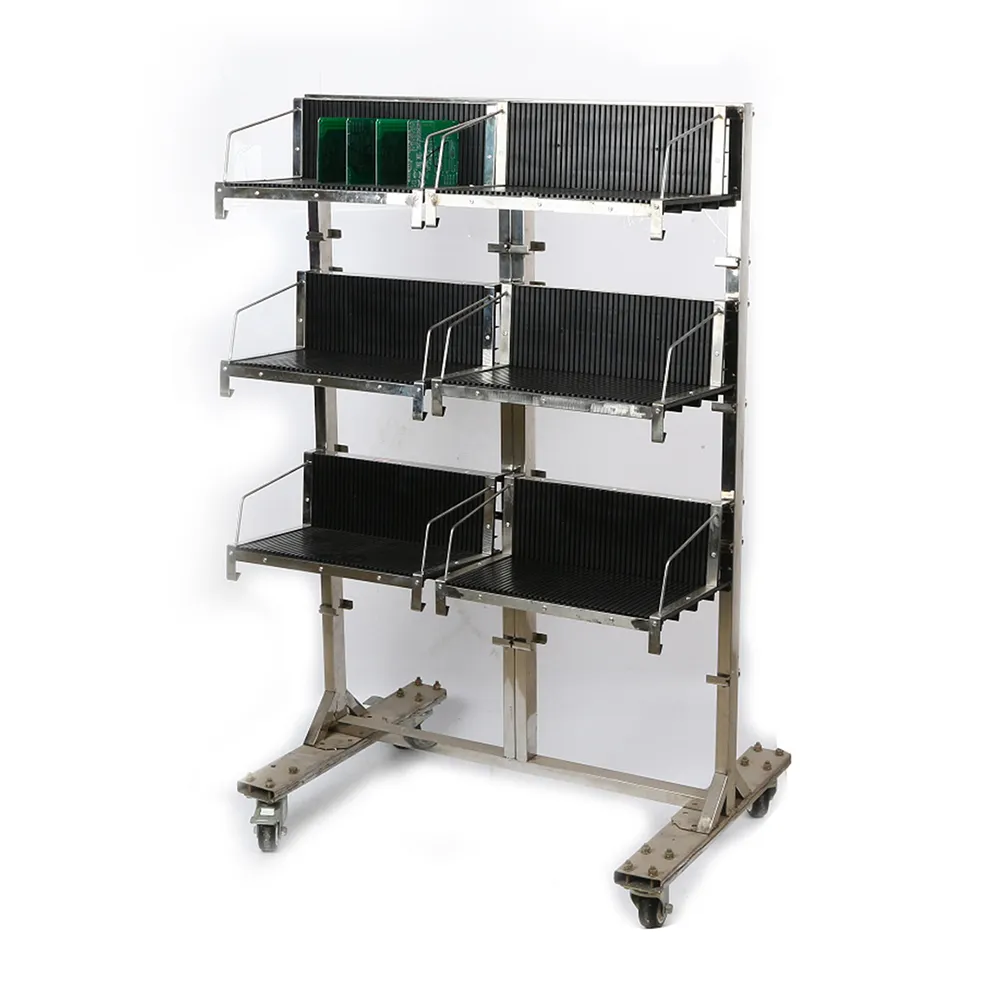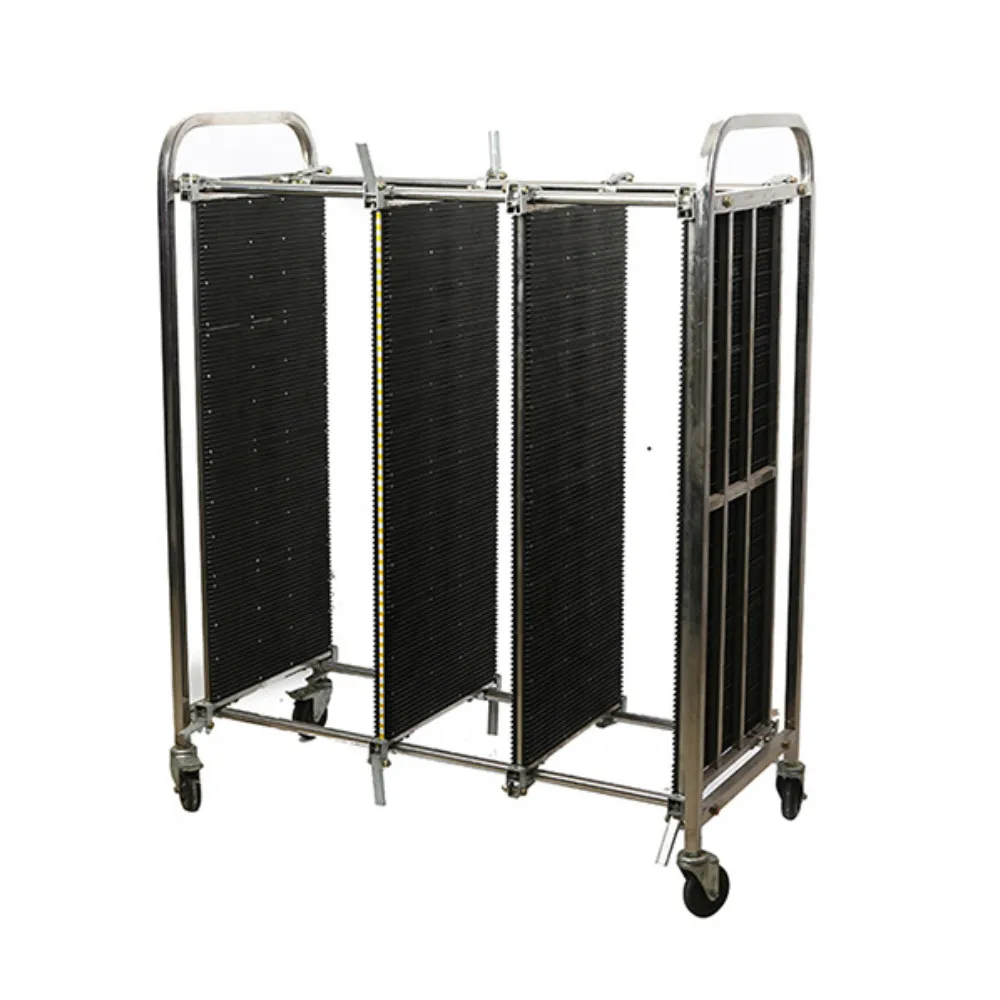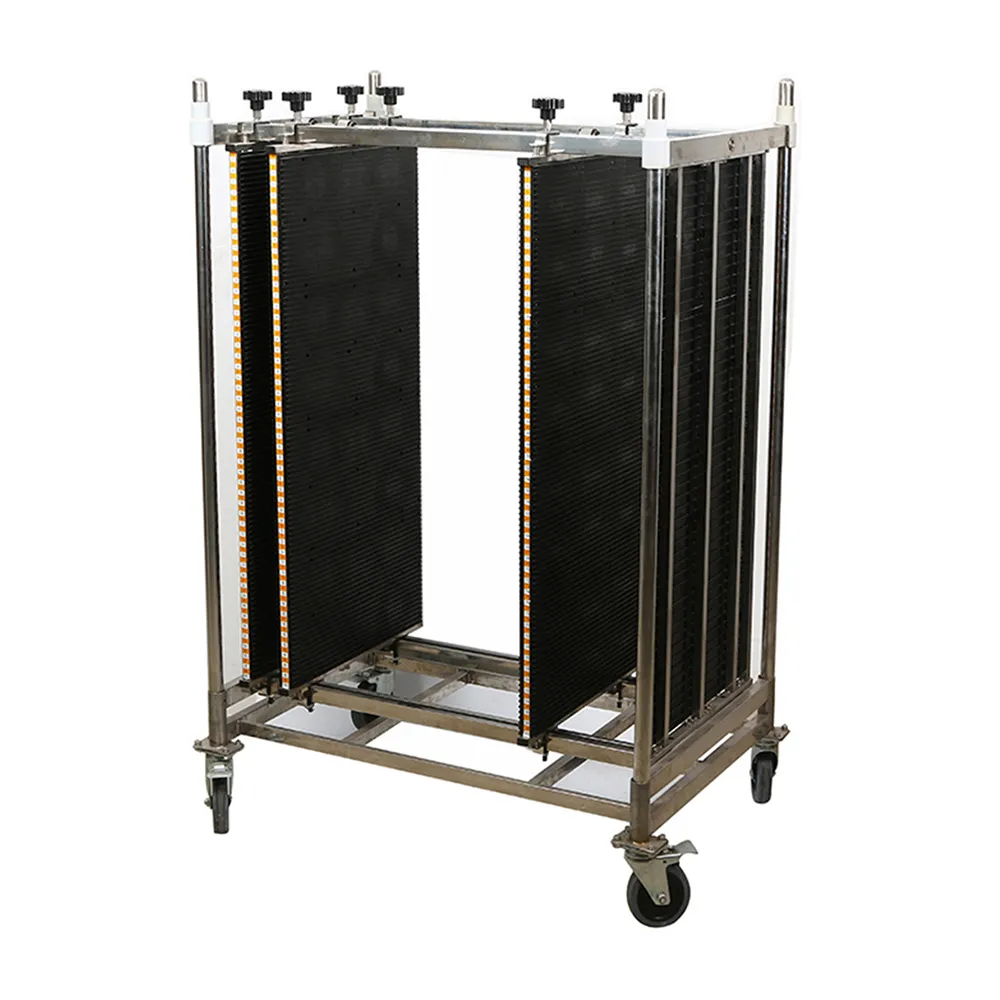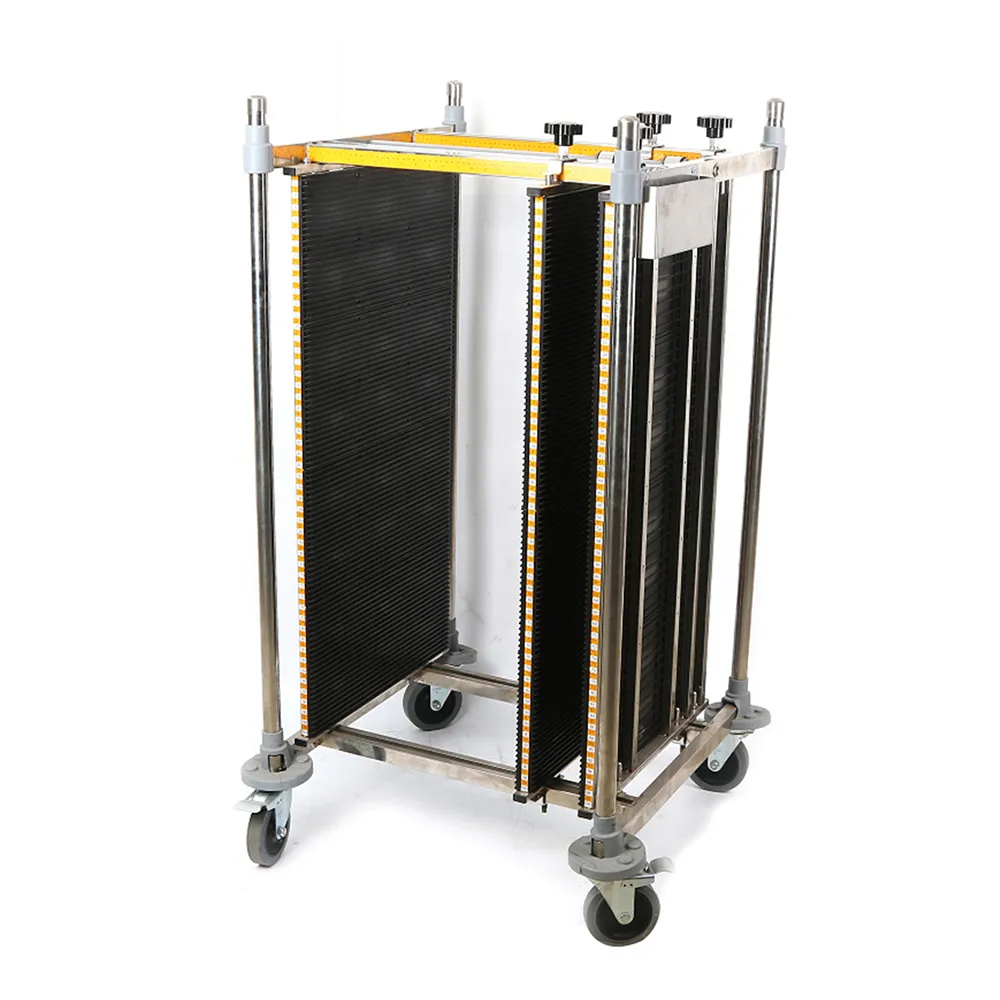
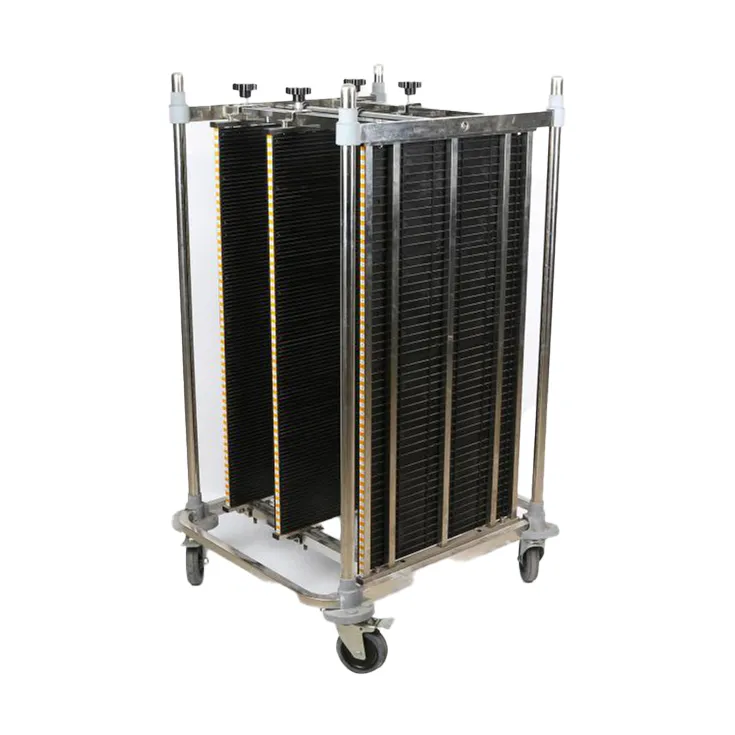
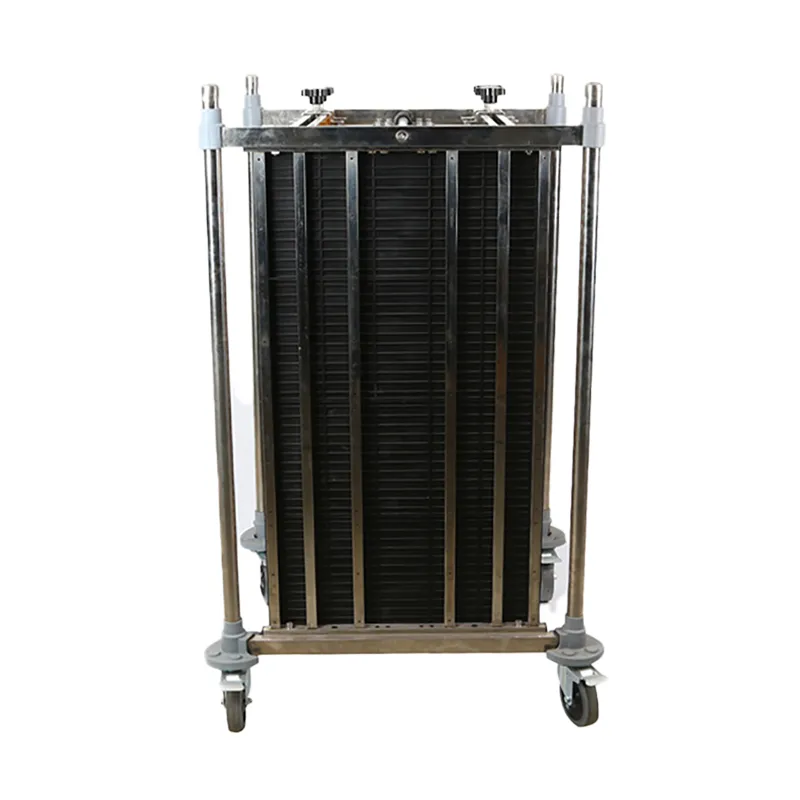
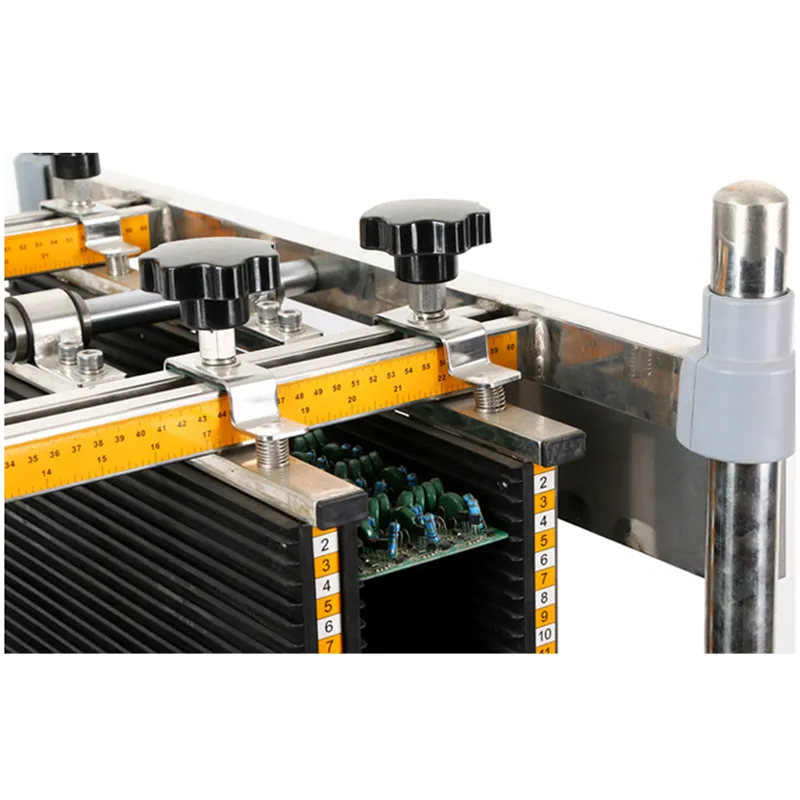
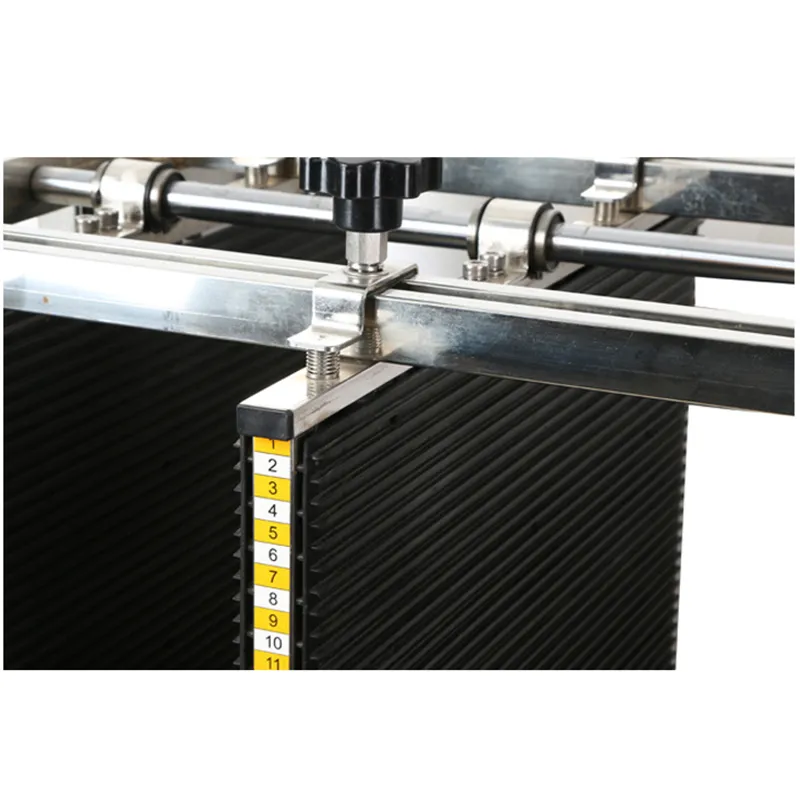
Chariot de stockage pour PCB antistatique ESD 3W-9805208 745×715×1350 mm
Aperçu
Avantages techniques
Un ESD safe trolley also referred to as a PCB board turnover cart, transfer cart, or storage cart—is industrial equipment specifically engineered to prevent static charge accumulation and discharge. It is widely deployed in static‑sensitive work environments, where its special materials and construction effectively eliminate static electricity and safeguard process stability.
These carts are fabricated from anti‑static materials with a surface resistance of 10⁶ to 10⁹ ohms, enabling rapid dissipation of built‑up charges and protecting electronic components from ESD damage. A metal grounding chain mounted at the bottom provides an alternative discharge path even if the wheels become contaminated with dust, further ensuring reliable static elimination.
Equipped with high‑quality anti‑static plastic or conductive rubber wheels (some with brakes), Chariots ESD offer flexible, stable movement for transporting goods between workshops, warehouses, and other areas. The wheel design ensures quiet operation, minimising noise interference in the workplace.
The body frame is typically constructed from stainless steel (e.g., 304 grade) or carbon steel, delivering excellent compression and wear resistance. This allows the cart to withstand heavy loads and maintain a long service life even under harsh conditions, while also providing good corrosion resistance where required.
Spécification technique
| Nom du produit | Chariot ESD | |
| Modèle de produit | 3W-9806208 | |
| Paramètres de spécification | ●Dimensions extérieures : | 745*715*1350mm |
| ●Taille latérale : | 1028x545x30 (simple) /40 (double) mm | |
| ●Taille de la palette : | 525*250mm | |
| ●Structure du panneau latéral : | Platine 4 pièces enfichable | |
| ●Largeur réglable : | 0-445 mm (Max) | |
| Profondeur de rainure : | 4 mm | |
| Largeur de la rainure : | 7 millimètres | |
| Pitch : | 10 mm | |
| ●Nombre d'emplacements : | 100 | |
| ●Poids : | 47,5 kg | |
| ● Capacité de stockage de la carte PCB : | 200 comprimés | |
| ●mise en charge: | 150 kg | |
| Description du produit | ◆Conception de roulements, mouvement fluide | |
| Dispositif de verrouillage à double bouton | ||
| 2 panneaux simple face et 1 panneau double face | ||
| Matériau de roulement anti-bruit : Matériau PU | ||
| Indice statique : 10e4-10e8Ω | ||
| Options de résistance à la température | 口100°C 口120°C 口150°C | |
| Accessoires optionnels | Boîte de classement | |
| □Code d'emplacement libellé | ||
| Étiquette antistatique | ||
| Garde-corps anti-collision | ||
La résistance à la température désigne la température maximale de la carte de circuit imprimé que le chariot de retournement peut supporter.
Capacité de fabrication ESD de classe mondiale
En vous approvisionnant auprès de Sanwei, vous vous associez directement à un fabricant OEM/ODM leader de l'industrie. Nous exploitons un site de pointe Installation de production intégrée de plus de 70 000 m² dans le parc industriel central de Yueqing, dans le Zhejiang, en gérant chaque processus, de la formulation des matériaux propriétaires au moulage final de produits de haute précision.
Échelle intégrée
Base de production avancée de plus de 70 000 m² équipée de machines de moulage par injection de haute précision pour charges lourdes afin de traiter les commandes en gros avec des délais stables.
Contrôle de bout en bout
Maîtrise interne complète couvrant la R&D de matériaux antistatiques propriétaires, l'ingénierie des moules structurels, la fabrication automatisée et la livraison logistique mondiale rapide.
Inspection rigoureuse
Des contrôles rigoureux des matières premières, associés à des mesures multipoints de la résistivité de surface effectuées sur la chaîne de production, garantissent la conformité du 100% aux directives des normes internationales en matière d'ESD.
Antistatique Produits et Solutions
Fournir une protection électrostatique complète tout au long de votre cycle de fabrication et d'exploitation.
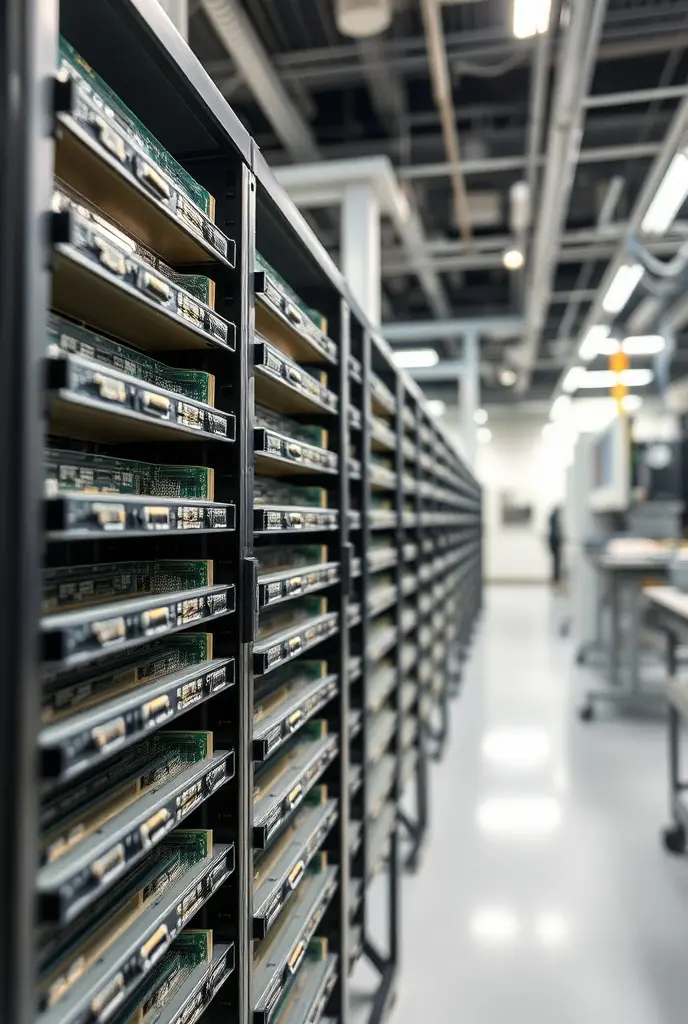
Matériel SMT
Boîtes et racks antistatiques pour lignes automatisées.

Stockage et Logistique
Chariots de manutention, étagères, boîtes, plateaux et conteneurs de composants.
Poste de travail & EPI
Chaises antistatiques, tapis, bracelets antistatiques et protection personnelle.
Développement personnalisé
Développement de moules sur mesure et matériaux antistatiques spéciaux.
NOS AVANTAGES OEM/ODM

R&D Avancé & Innovation en Matériaux
Matériaux antistatiques développés en interne bénéficiant de brevets d'invention nationaux et d'une résistance à la chaleur allant jusqu'à 200 °C. Nous ne faisons pas que mouler, nous formulons des composés.

Capacité de production à grande échelle
Usine de 30 000 m² dotée de systèmes complets de moulage par injection, de granulation et de traitement auxiliaire pour un approvisionnement stable et efficace.

Personnalisation complète du processus
Résistivité du matériau, couleur, taille, logo, emballage et certifications — personnalisables pour répondre aux normes CEI 61340-5-1, ANSI/ESD S20.20 ou militaires.

Qualité Certifiée & Conformité Globale
“Sanwei a développé avec succès des plateaux sur mesure résistants aux hautes températures, de couleur naturelle propre, pour notre chaîne d'assemblage de semi-conducteurs, remplaçant ainsi des produits importés, garantissant une excellente sécurité ESD et répondant aux exigences élevées de propreté de l'atelier.”
LA CONFIANCE DES LEADERS MONDIAUX DU FORTUNE 500
Nos solutions ESD propriétaires sont déployées dans des usines de production d'élite du monde entier, notamment : Intel, Motorola, Siemens, IBM, Panasonic, Nokia et Dell.
Vous recherchez des tailles sur mesure ou des tarifs de gros ?
Soutenue par notre solide équipe interne de R&D, Sanwei propose des options complètes d'OEM/ODM adaptées à vos lignes de production SMT ou à la disposition de votre entrepôt. Contactez nos spécialistes dès aujourd'hui pour des moules sur mesure, un code couleur ou un conseil en stockage 5S intégré.
Foire aux questions (FAQ)
1. What is an ESD safe trolley?
Un chariot antistatique est un chariot mobile fabriqué à partir de matériaux dissipateurs d'électricité statique, doté de roulettes conductrices et d'une chaîne de mise à la terre, conçu pour transporter des composants électroniques sensibles sans causer de dommages par décharge électrostatique.
2. How does an ESD trolley differ from a regular cart?
Un chariot ordinaire peut générer et retenir une charge statique, tandis qu'un chariot ESD utilise des matériaux ayant une résistance de surface de 10⁶ à 10⁹ Ω et comprend un chemin de mise à la terre, évacuant ainsi en toute sécurité l'électricité statique vers la terre.
3. What materials are used in ESD trolleys?
Les cadres sont généralement en acier ou en acier inoxydable ; les étagères utilisent un stratifié antistatique ou du PVC ; les roulettes sont en caoutchouc conducteur ou en plastique antistatique – le tout étant choisi pour maintenir la résistance dans les limites de sécurité ESD.
4. Which standards do ESD trolleys need to meet?
Ils doivent être conformes aux normes ANSI/ESD S20.20 et IEC 61340-5-1, la résistance de mise à la terre étant testée selon la norme ANSI ESD STM4.1 pour garantir une dissipation statique fiable.
5. How often should an ESD trolley be tested and maintained?
Testez la résistance de surface et la continuité de la terre au moins chaque semaine (tous les jours dans les zones poussiéreuses) ; inspectez les roues et les chaînes de mise à la terre pour détecter toute usure, et nettoyez les contacts pour maintenir l'efficacité.
6. Can an ordinary cart be converted into an ESD safe trolley?
Yes, but you must replace the work surface, wheels, and add a grounding chain, then verify with ESD testing – though purpose‑built ESD trolleys are more reliable.
7. Where are ESD trolleys commonly used?
In electronics manufacturing, PCB assembly lines, SMT workshops, semiconductor fabs, cleanrooms, warehouses, and field service – anywhere static‑sensitive parts are handled.