- Turbo
- Blog
An ESD footwear sock change should be reviewed as a change to the combination worn by the operator. Keep the approved shoes, floor and test procedure identified, record the proposed sock, and verify the actual combination before relying on it for personnel grounding. A sock material name or an ESD marking does not approve every wearer and workplace. This guide helps electronics manufacturing teams manage a planned sock change or an unexpected footwear-test problem without replacing evidence with assumptions. It does not prescribe a universal sock composition, waiting period or electrical acceptance limit.
Identify the change before changing the shoes
Start with the reason for review. An operator may have changed to thicker winter socks, purchasing may have introduced a new uniform item, or a previously acceptable combination may now produce inconsistent checks. These are different events. Record which one occurred, when it was first noticed and whether the proposed change is temporary or intended for routine use. Avoid replacing shoes immediately when the only known change is a different sock.
Keep the shoe model, size and internal components fixed during the first comparison where the approved procedure permits. Note the floor area, relevant environmental conditions and the verification equipment used. If several items change together, a new result cannot easily explain which change mattered. A useful review identifies the combination being evaluated and the decision needed; it does not attempt to turn one informal comparison into a complete qualification program.
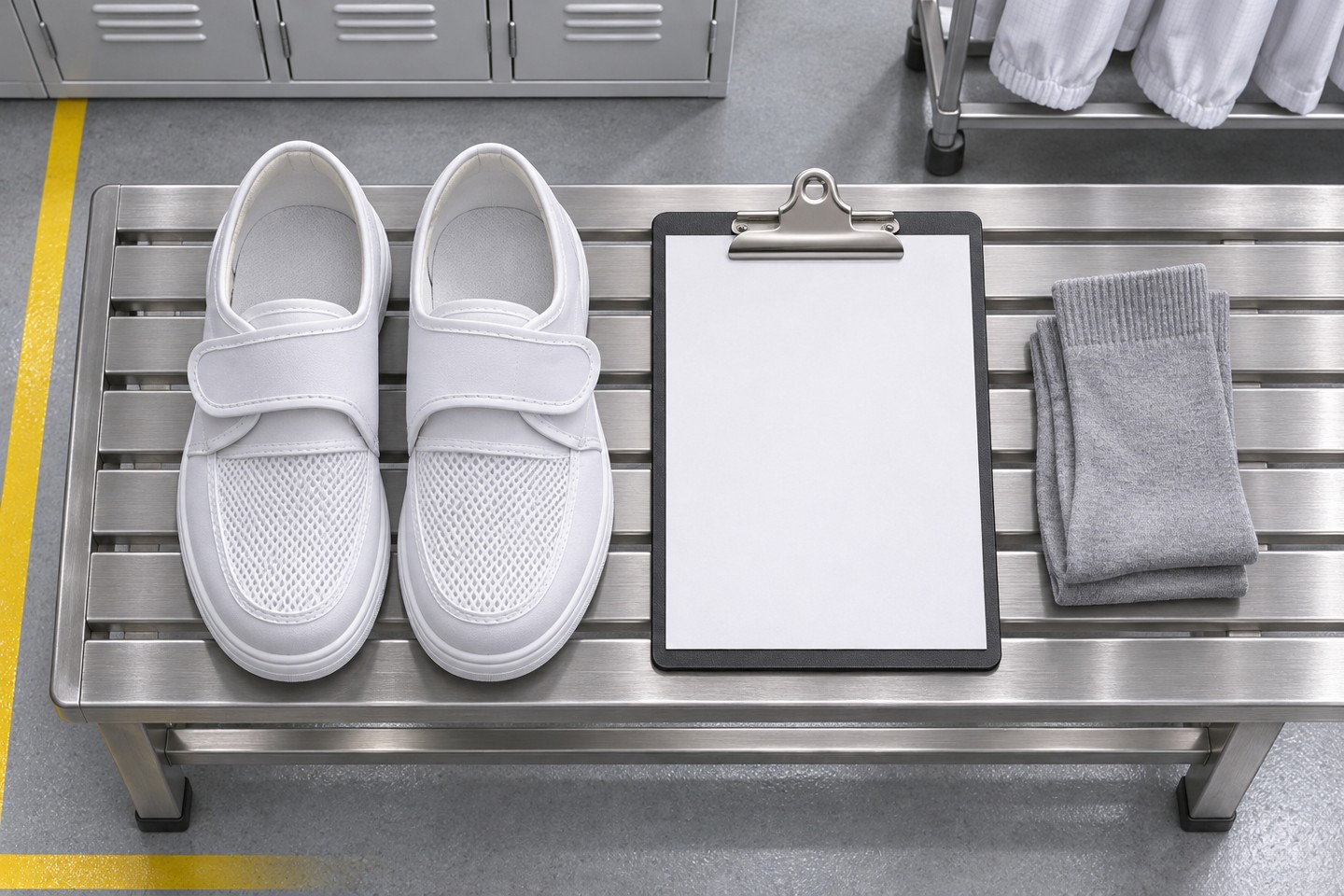
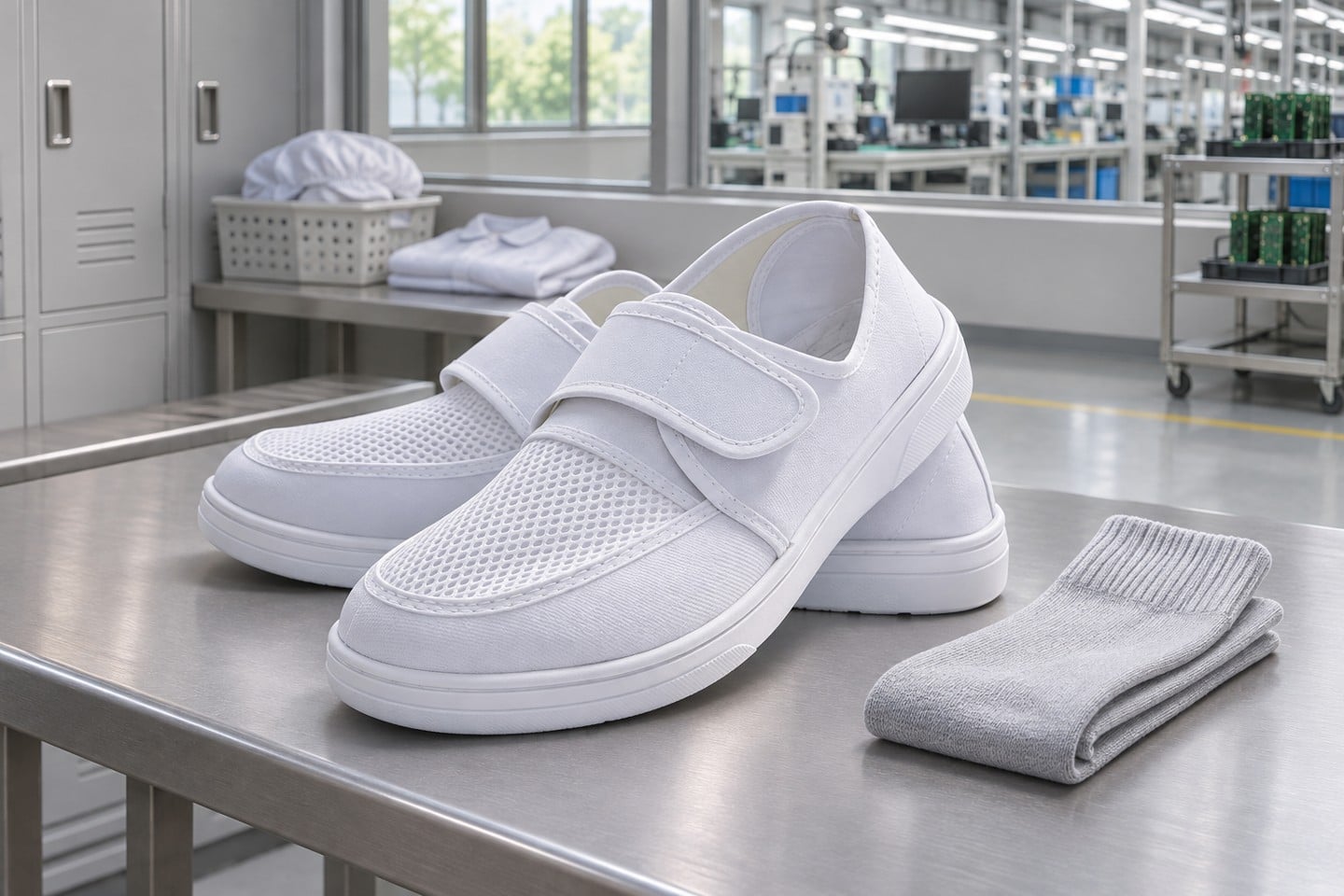
Utilisez SWESD anti-static shoe product page to identify the offered footwear construction. Ask for the documents relevant to the actual supplied model. Product appearance and this illustration do not establish the resistance or walking-voltage behavior of your personnel-grounding system.

Understand where the sock fits in the system
La Introduction de l'Association EOS/ESD aux procédures de contrôle et aux matériaux describes footwear in combination with ESD flooring as part of personnel grounding. The practical implication for a sock review is to evaluate the complete intended path, rather than treating the shoe label as a guarantee for anything placed between the person and the shoe. Component evidence and system evidence answer different questions.
Do not infer suitability from fiber content alone. Two items called cotton socks may differ in construction, thickness, fit, finishes and condition. Likewise, a conductive marketing description cannot establish compatibility with every shoe and floor. Obtain the relevant specification and apply the site’s approved verification and qualification requirements. If the proposed item is not sufficiently identified to order again, the review cannot reliably control later deliveries.
L’explication de la technical discussion of ESD practices and personnel grounding discusses moisture in socks as one factor affecting the path through footwear. This is explanatory discussion, not a product approval or a substitute for the applicable standard. Do not turn it into an instruction to wait until a failed combination passes, wet a sock, or continue handling exposed sensitive items while waiting for conditions to change.
Preserve a baseline that can actually be compared
Before introducing the proposed sock, identify the existing approved combination and the records supporting it. Check whether the baseline shoe is still in serviceable condition and whether its internal components are unchanged. An old, damaged shoe is a poor basis for deciding that a new sock caused every observed difference. Record unresolved defects separately and follow the maintenance route where necessary.
Define the comparison before collecting results. Specify who authorizes it, which approved method applies, how observations will be recorded and what outcome triggers a hold or further assessment. Use the limits and equipment specified by the facility’s ESD program and applicable documents. This article deliberately supplies no substitute numerical threshold. A convenient number copied from an unrelated tester or an older standard edition may not match your intended use.
For the broader purchasing context, read the ESD footwear guide. Keep this review focused on a changed sock rather than reopening unrelated decisions about every footwear type in the factory.
Record the combination and the decision
| Champ de revue | Ce qu'il faut identifier | Décision supportée |
|---|---|---|
| Existing combination | Approved shoe, sock and floor area | Relevant baseline |
| Proposed change | Identifiable sock specification and reason | Scope of review |
| Other variables | Insole, shoe condition and relevant environment | Whether comparison is meaningful |
| Vérification | Approved method, equipment and actual result | Required next action |
| Open exception | Unresolved identity, result or requirement | Hold or further assessment |
| Libération | Approver, permitted combination and scope | Controlled routine issue |
This is a suggested review worksheet, not a standard test method. It organizes identities and decisions around the system approach described by the Association. Add only fields needed by your actual process; the worksheet does not establish an acceptable electrical result or replace the method required by your program.
Record raw observations in the form the approved procedure requires. If a check provides only a pass or fail indication, do not invent a numerical resistance. If numerical results are available, retain the units and equipment identity. Record the first result and any permitted follow-up checks without silently deleting an inconvenient failure. A revised record should explain the correction rather than make the original event disappear.
Respond to an unexpected failed check
Follow the site’s failed-verification procedure before handling exposed ESD-sensitive items. Confirm the actual shoe and sock identities, how the approved test was performed and whether a known setup issue is present. Keep the review controlled: do not bypass a contact, change the tester limits or substitute another person’s result to obtain clearance. A repeated pass becomes meaningful only within the required procedure and decision authority.
Separate a testing mistake from an unsuitable or unresolved combination. If the wrong equipment arrangement was used, document the correction and repeat the required check appropriately. If the setup is correct but the result remains unacceptable, retain the hold and request assessment. An unresolved cause is a valid outcome of an investigation; assigning blame to the sock without evidence is not necessary to protect the process.
La shoe sole resistance test guide covers a related measurement topic. A component or footwear check should not be described as proof that the entire person-footwear-flooring combination meets every requirement.
Keep comfort changes and electrical decisions connected
A sock change may be proposed because of comfort, fit or a workplace clothing policy. Record that reason accurately and involve the responsible people when needs conflict. The ESD reviewer should not prescribe treatment for a foot condition, and a comfort preference should not silently override electrical controls. Seek an approved combination that addresses the documented requirement through the site’s normal decision process.
Also identify whether an insole changed at the same time. A different internal component creates another variable and may require a separate review. The guide de semelle intérieure de remplacement addresses that purchasing and authorization question. Do not describe a sock approval as blanket permission to replace footbeds, add pads or alter the shoe. Keep the scope of the decision understandable to operators and stores personnel.
Plan procurement around a reproducible item
For a planned supply change, request an identifiable sock specification, available sizes, intended use information and notification of relevant product changes. Avoid accepting a sample described only as similar to the future shipment. The item evaluated should be traceable to what will actually be supplied. If the supplier cannot maintain the same construction, agree how future differences will be reviewed before issuing substitutes.
Keep the quantity decision separate from technical acceptance. An urgent uniform order or a seasonal shortage does not make a new combination acceptable. Define an approved reserve route so purchasing can respond without forcing operators to improvise. Where several departments use different footwear or flooring, describe the approval boundary explicitly. A result for one area should not automatically become permission for every production zone.
Release the decision and train for exceptions
Record whether the reviewed combination is approved, rejected or still awaiting evidence, and identify who made that decision. State the relevant shoe, sock and workplace scope in terms users can recognize. If additional qualification or specialist review is required, name the open action and its owner. Do not mark the change complete merely because a trial sample arrived or a test appointment was booked.
Give operators a short explanation of the permitted combination and the response to a failed check. Include what to do when the approved sock is unavailable or when an item differs from the example. Stores staff need the same boundary when issuing replacement supplies. A clear exception route prevents an informal substitution from becoming routine simply because it was convenient on a busy shift.
Educational background on footwear system checks
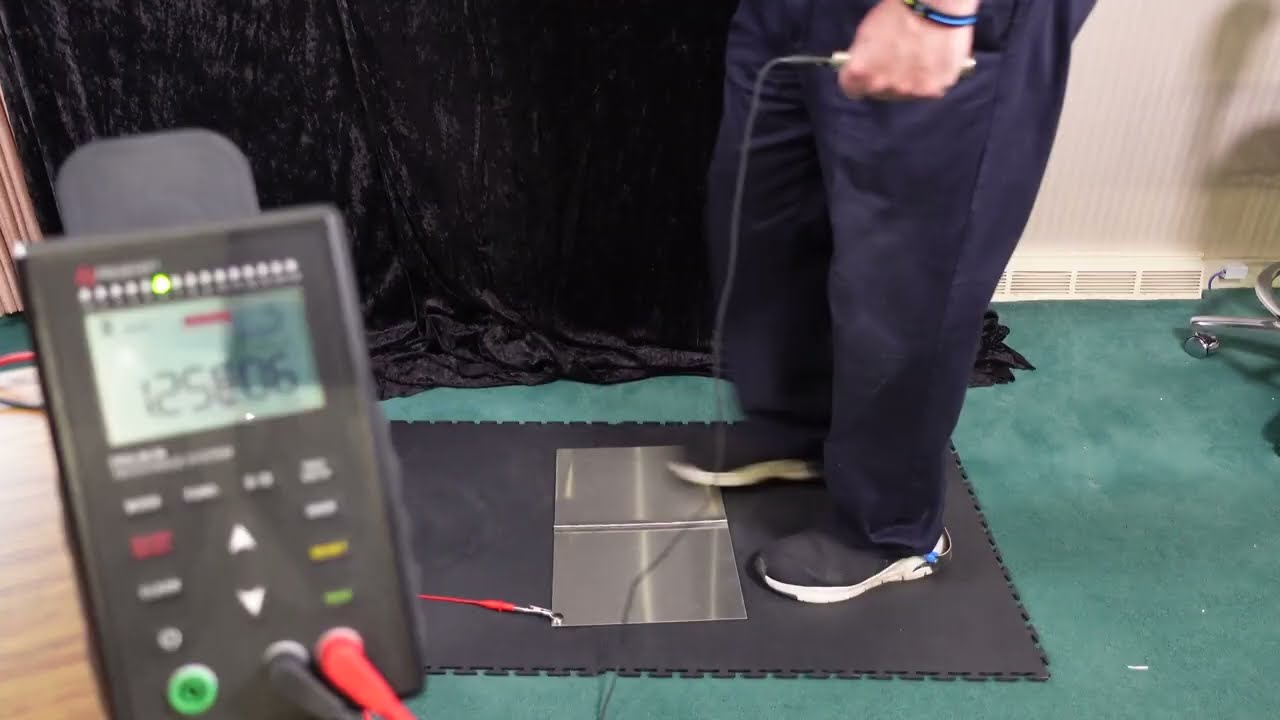
The EOS/ESD Association video below introduces footwear system resistance measurement. Use it as background for understanding the relationship between the wearer and footwear. Follow your facility’s applicable method, instrument instructions and approved acceptance criteria for actual work. The video does not approve the sock shown in this article or replace evaluation of the intended floor combination.
Foire aux questions
Le coton rend-il automatiquement une chaussette adaptée ?
No. Identify the actual item and evaluate the intended combination under the applicable procedure.
Puis-je attendre qu’une combinaison ayant échoué soit validée ?
N’utilisez pas l’attente comme méthode informelle de validation. Suivez la procédure approuvée en cas d’échec de la vérification ainsi que la décision de libération requise.
Une étiquette de chaussure approuve-t-elle toutes les chaussettes ?
Non. L'identité d'un composant ne garantit pas la compatibilité de toutes les combinaisons possibles entre les personnes, les chaussettes, les chaussures et les sols.
Le changement de chaussettes équivaut-il au remplacement d’une semelle intérieure ?
No. Identify and review each changed component within the scope of the actual approval.
Que doit préserver le service des achats après l’approbation ?
Keep the evaluated item identifiable and define how relevant supply changes and unavailable stock will be handled.

Laisser un commentaire