- Blog
Les racks de magazines ESD haute température protègent les PCB dans les zones tampons chaudes après la refusion, mais la classe thermique doit correspondre au temps de séjour et à la température maximale des cartes, et non à des étiquettes marketing telles que “ résistant à la chaleur ”.”
Ce guide est destiné aux ingénieurs des procédés SMT, aux coordinateurs ESD et aux acheteurs EMS spécifiant Râteliers ESD près des sorties de refusion. Pour la mise en tampon générale, voir le guide de mise en mémoire tampon pour magasin antistatique. Pour la rigidité de la plaque de base, voir le comparaison entre base en métal et base en plastique.
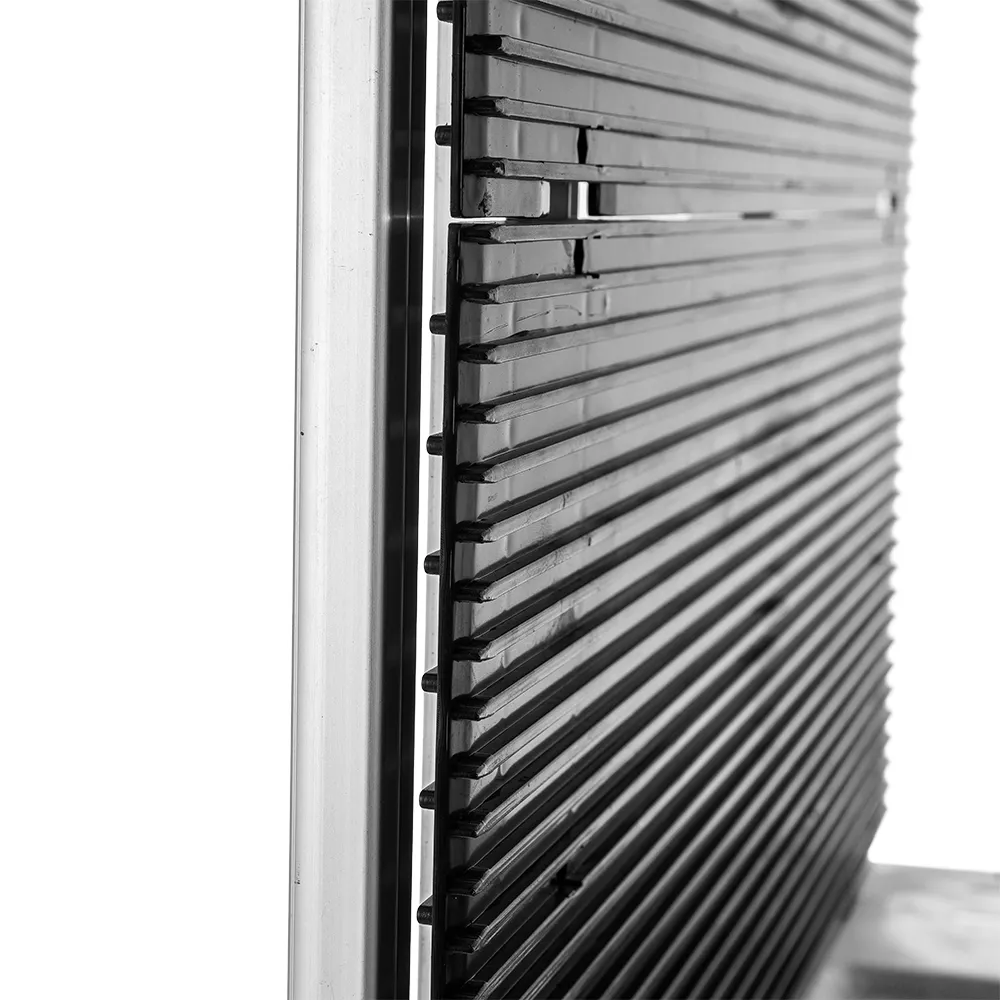
Partie 1. Quel rôle jouent les magasins de cartes dans le placement en refusion ?
Après la refusion, les panneaux se déplacent souvent à travers inspection, refroidissement et manutention manuelle avant la prochaine étape SMT. Les chargeurs de magazines amortissent ces mouvements tout en maintenant les cartes dans des emplacements dissipatifs.
Distinction essentielle pour les achats :
| Scénario | Rôle type en rack | Accent sur les spécifications |
|---|---|---|
| File chaude immédiatement à la sortie du four | Conserve les planches chaudes des minutes, pas des heures | Classe thermique de guidage + stabilité des encoches |
| Tampon à température ambiante en aval | Les guides dissipatifs standard suffisent souvent | Journaux d'empreintes et de l'Ω |
| À l'intérieur d'un four à refusion en fonctionnement | Pas par défaut pour les porte-revues | Nécessite une évaluation explicite du fournisseur pour le four — ne pas supposer |
Sanwei répertorie les machines de soudage à la vague / fours à refusion transporteurs parmi les applications sur ses Page de solution de rack à magazines ESD—interprétez cela comme une adéquation au niveau du programme pour les environnements thermiques CMS, puis confirmez température de service continu et maintien sur le devis exact de la référence (SKU).
Pour le vieillissement accéléré (« hot staging ») au niveau des composants dans des bacs plutôt que pour des cartes de circuits imprimés dans des emplacements, comparez guide de préparation des boîtes ESD résistantes à la chaleur.
Partie 2. En quoi les qualités standard à 160°C et en option à 200°C diffèrent-elles ?
Sanwei publie résistant à la chaleur jusqu'à 160°C avec un qualité 200°C en option sur sa page de solutions, aux côtés du composite en alliage PBT/PET pour un faible gauchissement.
| Note (publié par Sanwei) | Quand il convient généralement | Quand c'est trop spécifié |
|---|---|---|
| 160 °C standard | Files d'attente chaudes avec un temps de séjour court ; cartes en cours de refroidissement vers la température ambiante | Tampons à conserver uniquement à température ambiante |
| 200 °C optionnel | Files d'attente chaudes soutenues, empilements multicouches plus lourds près du four | Lignes où les cartes ne dépassent jamais l'ambiance + la marge |
Conseil : Four profil de pic (par exemple, pic de température de la carte à 245 °C) n'est pas le même que température de service continu du chemin de câbles. La demande de prix doit indiquer température de la carte à l'insertion et minutes dans la zone chaude. — Source : niveaux de chaleur de la page de solution Sanwei ; à confirmer avec le profil de votre four OEM.
Associer la nuance de chaleur au mécanisme de largeur lorsque les lignes sont à grand mixité—voir le Guide de demande de devis pour porte-revues à poignée réglable.
Partie 3. Comment les acheteurs doivent-ils cartographier le temps de séjour et le placement des files d'attente ?
Le génie des procédés doit documenter :
- Distance de la sortie du four (compteurs) et consigne CVC ambiante.
- Nombre maximal de cartes par rack pendant le pic de service.
- Minutes avant que la surface de la carte ne descende sous votre seuil interne (de nombreux sites utilisent des limites de manipulation de 50 à 60 °C — confirmez les vôtres).
- Si les opérateurs touchent les guides pendant l'insertion (transfert de chaleur du gant).
| Modèle de file d'attente | Risque lié à la chaleur | Atténuation |
|---|---|---|
| Un seul rack, temps de maintien de 2 à 5 min | Modéré | guides de classe 160°C ; vérifier l'intégrité du verrouillage |
| Baie de brassage en allée chaude | Haut | Qualité 200°C ; base métallique selon guide de comparaison des bases |
| Poste d'inspection différé | Forte chaleur cumulée | Réduire le nombre d'emplacements par rack ; faire pivoter les racks |
| Température ambiante uniquement après plus de 10 min de refroidissement | Baisser | La note standard pourrait suffire |
Photographiez la disposition de la file d'attente lorsque vous demandez des conseils sur les matériaux aux fournisseurs – les icônes de chaleur du catalogue ne sont pas des données de processus.
Partie 4. Quels matériaux résistent au gauchissement dans les zones chaudes ?
Citations Sanwei composite d'alliage PBT/PET breveté avec des bords lisses et sans bavures sur sa page de solution. Le gauchissement apparaît sous forme de mauvais alignement des fentes—défauts d'automatisation même lorsque les lectures en ohms semblent correctes à la réception.
| Composant | Question sur la zone tiède | Ajuster la limite |
|---|---|---|
| Guides latéraux | Service continu vs contact intermittent | N'utilisez pas de guides réservés à la température ambiante dans les banques chaudes. |
| Plaque de base | Flexion du métal par rapport au plastique sous l'effet de la chaleur | Voir la comparaison des bases métal/plastique |
| Pas d'encoche | Dilatation thermique sur 50 emplacements | Revérifier le pitch après la première semaine de production |
| Lot de couleur/matériau | Retrait du moule d'un lot à l'autre | Geler le numéro de moule dans le dossier QA |
La seule couleur noire ne prouve pas la résistance à la chaleur — demande lettre de classification thermique du fournisseur lié au numéro de moule.
Partie 5. Quand la résistance doit-elle être retestée après une exposition à la chaleur ?
Programmes alignés sur CEI 61340-5-1 et ANSI/ESD S20.20 exiger une dissipation vérifiée, et non des suppositions après un cyclage thermique.
Sanwei publie 10⁶–10⁹ Ω sur sa page de solution. Après le déploiement de la file d'attente à chaud :
- guides d'échantillons et base à la réception;
- ré-échantillonner après première semaine de production dans la zone chaude;
- méthode de la sonde de diagraphie et installation RH ;
- remplacer les guides montrant une dérive au-delà de vos limites internes.
La chaleur peut modifier temporairement les lectures ; une dérive permanente indique une nuance de matériau incorrecte ou une contamination chimique.
Partie 6. Quels champs thermiques doivent figurer dans un RFQ ?
Ajouter une annexe thermique aux dossiers de consultation de prix (RFQ) dimensionnels :
| Champ | Exemple | Propriétaire |
|---|---|---|
| Température maximale de la carte à l'insertion dans le rack | surface à 85°C (pistolet infrarouge) | Traiter |
| Temps de séjour en zone chaude | Moyenne de 3 min | Production |
| Ambiance près de la file d'attente | allée à 28 °C | Installations |
| Grade Sanwei requis | 160°C standard vs 200°C en option | Qualité |
| Contact avec le four (oui/non) | Non — mémoire tampon uniquement | Ingénierie |
| Intervalle de nouveau test | Échantillon hebdomadaire | Coordinateur ESD |
| Omission | Résultat |
|---|---|
| “ Près de la refusion ” sans les minutes | Mauvais matériel de guidage |
| En supposant une utilisation au four | Risque en matière de sécurité et de garantie |
| Aucun plan de nouveau test | Échec de l'audit après des mois |
Partie 7. Quels racks Sanwei conviennent aux tampons adjacents à la refusion ?

Avis sur Sanwei Catégorie de présentoirs de magazines ESD avec annexe thermique incluse.
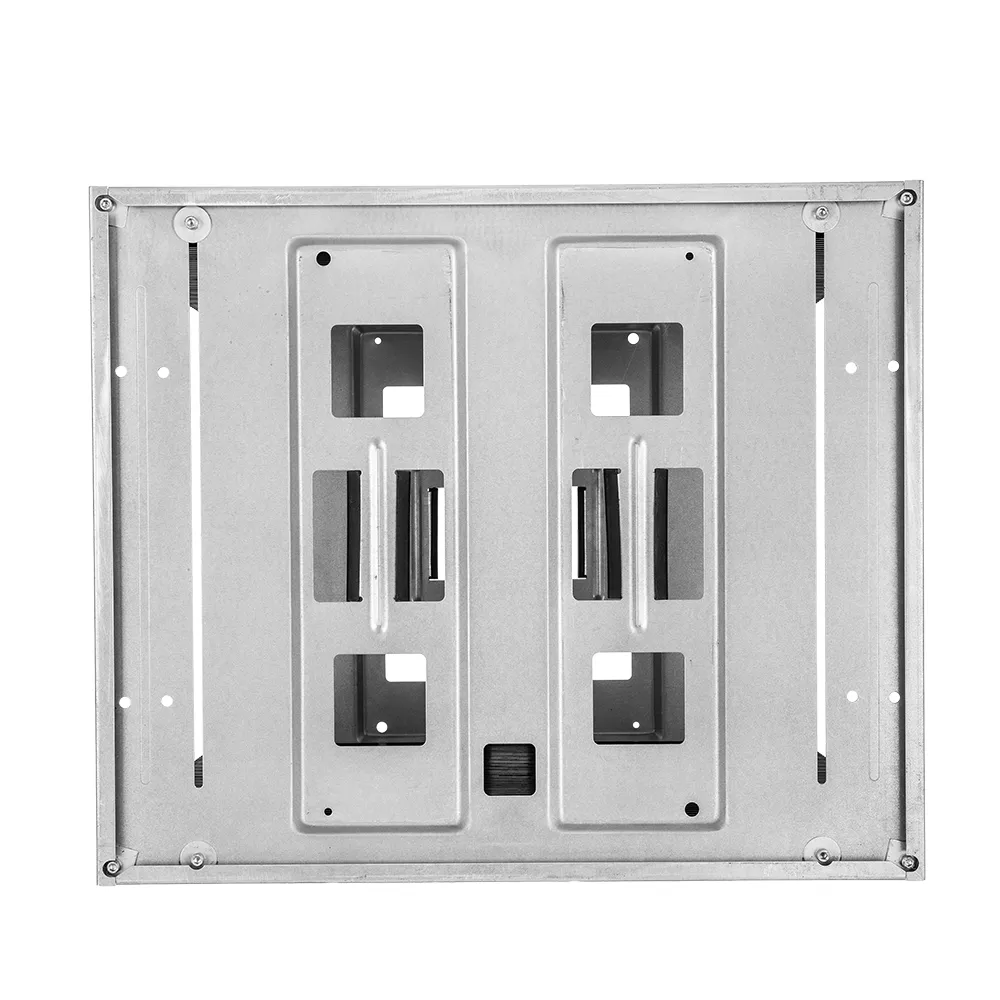
- Moyenne série, grand mix avec file d'attente chaude : 355 (L) × 320 (l) mm réglage par engrenage liste lorsque la largeur change et que le temps de maintien à chaud coexistent.
- Panneaux très larges : 630 (L) × 530 (l) mm SKU— confirmer la masse et la flexibilité à chaud auprès du fournisseur.
Ajuster la limite
| Situation de l'acheteur | Voie raisonnable | Éviter |
|---|---|---|
| Court palier chaud après refusion | qualité standard 160°C + plan de ré-essai | catégorie 200°C sans données |
| Baies de racks chaudes dans l'allée | 200°C optionnel + base rigide | Guides en plastique à température ambiante |
| Fonction de support pour four | Arrêt — demander la classification explicite du four du fournisseur | En supposant que magazine = plaque de cuisson |
| Aval uniquement à température ambiante | Niveau standard | Payer un supplément de chauffage inutilisé |
Envoyez les diagrammes de processus Contactez-nous ou OEM/ODM lorsque le pas d'encoche ou la classe thermique diffère des valeurs par défaut du catalogue.
FAQ
Quelle température les racks à magazines ESD peuvent-ils supporter ?
Sanwei publie un service standard allant jusqu'à 160°C avec une option de qualité à 200°C sur sa page de solutions — à vérifier par rapport à vos données de temps de maintien et de température de carte.
Est-ce que les racks de magazines pour PCB peuvent passer dans les fours de refusion ?
Les rayagols de magazines tamponnent généralement les cartes après sortir à moins que le fournisseur n'indique explicitement une utilisation au four. Hypothèse par défaut : zone tampon uniquement.
Quel matériau est utilisé pour les racks ESD résistants à la chaleur ?
Sanwei mentionne le PP anti-statique / alliage PBT / composé anti-statique permanent sur sa page de solutions — confirmez la formulation exacte sur votre poste de commande.
Quelle est la différence entre les nuances 160°C et 200°C ?
Les qualités optionnelles à 200 °C ciblent un maintien plus long ou plus chaud dans les files d'attente chaudes ; la norme à 160 °C convient à une mise en mémoire tampon plus courte après refusion lorsque les données du fournisseur correspondent à votre processus.
Comment stocker des circuits imprimés après la refusion sans dommage ESD ?
Utilisez des étagères dissipatives dans des zones de protection contre les décharges électrostatiques (EPA) reliées à la terre, limitez le temps de séjour à chaud et vérifiez la résistance en ohms sur les guides après une exposition thermique — à associer à une mise à la terre des poignets/pieds de l'installation selon les besoins.
Quel est le rapport avec les boîtes ESD résistantes à la chaleur ?
Les boîtes conviennent au stockage des composants et des kits ; les présentoirs de revues conviennent mise en mémoire tampon des emplacements de circuits imprimés—voir le guide de préparation des boîtes ESD résistantes à la chaleur pour les flux de travail de bacs.
Les acheteurs doivent-ils tester à nouveau la résistance après une exposition à la chaleur ?
Oui — échantillon après la première semaine dans la zone chaude et selon la cadence d'audit définie par votre programme ESD.
Quand la nuance standard à 160°C suffit-elle ?
Lorsque les cartes refroidissent rapidement et que le temps de séjour dans la zone chaude reste court, documentez les minutes et la température de pointe de la carte pour justifier la note.
Laisser un commentaire