- hanqi
- Blog
Within certain industries, a minute spark could cause devastating results to delicate electronic parts or put workers’ lives at peril, and that’s where ESD footgear becomes invaluable. Electrostatic Discharge footwear is special-purpose environmental protection gear that dissipates electrostatic charges generated due to friction or contact with objects; therefore, it ensures the security of both high-priced equipment and the workers in hazardous environments. What are ESD shoes, how do they function, and what makes them important? Let’s look at some of the major advantages of ESD safety footwear and the most frequently asked questions about their functionality, application, and usefulness.

Defining ESD Footwear
ESD footgear, also known as Electrostatic Discharge footwear, helps safely disperse electrostatic discharge from individuals into the ground. The creation of electrostatics occurs from friction, and any workplace using sensitive electronic components or flammables will suffer electrostatic discharge costs due to static created by the movement or work done by employees.
ESD shoes have conductive or dissipative materials incorporated within their construction to facilitate control of the flow of electrical charges. People who wear ESD shoes significantly reduce the amount of time electrostatics are held and transferred to sensitive components.
Functionality of ESD Shoes
The primary objective of ESD shoes is twofold: to protect both workers and equipment from electrostatic discharge. Many industries rely on sensitive electronic components in production or assembly operations, which can easily be damaged when they come into contact with unintentional electrical discharges. Moreover, static electricity can cause fires or explosions in the presence of flammable materials. Therefore, ESD shoes are essential in industries such as electronics manufacturing, aviation, automotive production, telecommunications, medical device production, and laboratories. These industries depend on precise electronic systems where any disruption can lead to costly consequences.
To determine if a shoe is ESD, check the label or product information sheet. ESD shoe manufacturers usually include an ESD logo or a tag indicating compliance with international standards such as EN ISO 20345 or EN ISO 61340.
The easiest way to determine if your ESD shoes are functional is to test them. Many businesses use ESD testing equipment to verify whether they meet the required level of electrostatic discharge protection. If your ESD shoes are functioning correctly, they should pass these tests with consistent conductivity.
Types of ESD Footwear
There are several types of ESD footwear available, tailored to specific industrial needs. These include:
- Conductive ESD Shoes: Designed to have very low electrical resistance, making them suitable for environments that require maximum static dissipation.
- Dissipative ESD Shoes: Designed to allow static charges to dissipate to the ground with controlled and predictable resistance. They are most commonly used in industries such as electronics assembly.
- ESD Boots: Ideal for environments that require complete coverage or additional protection from hazards such as chemicals or physical risks.
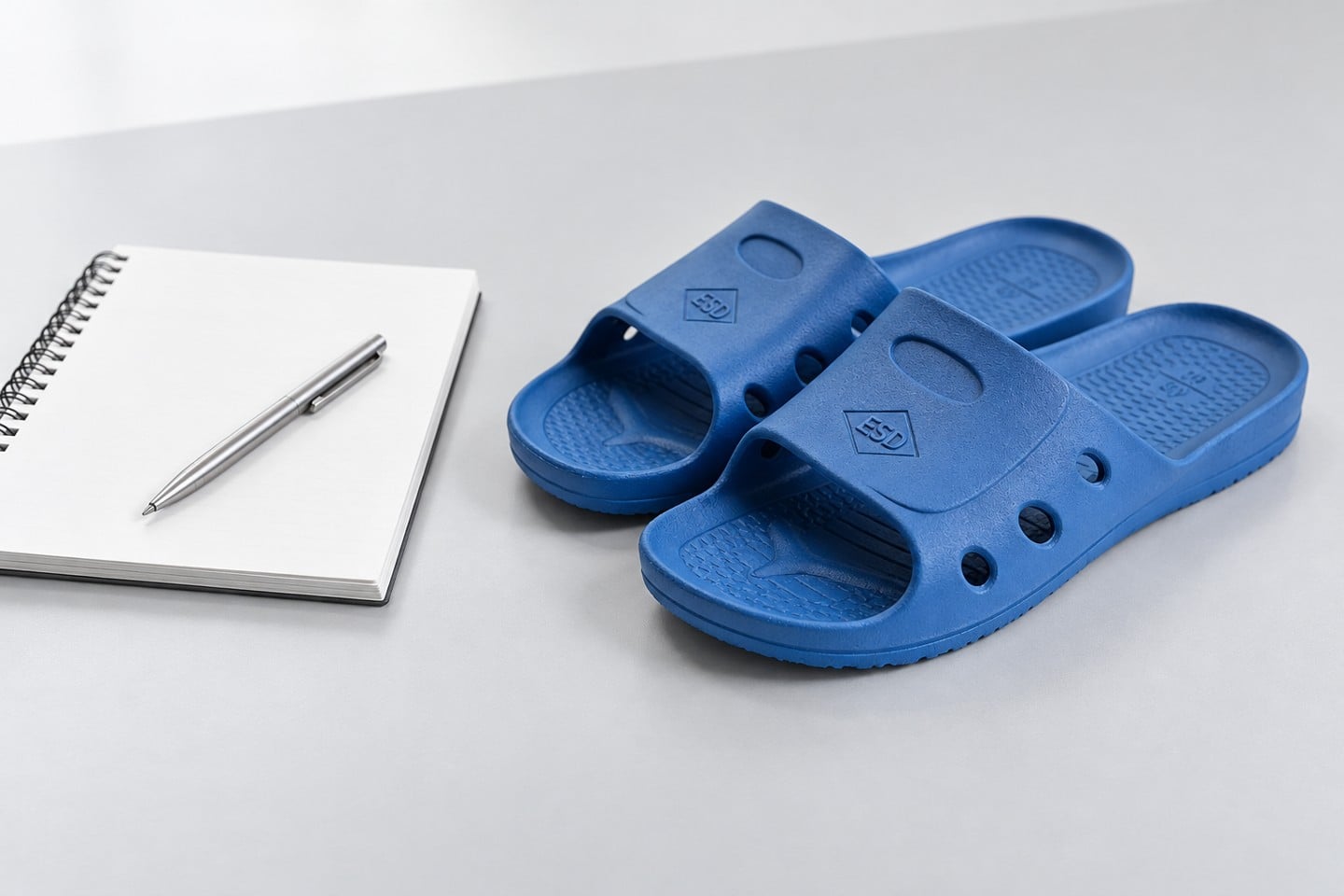
- ESD Clogs: Lightweight and portable, these are commonly used in healthcare settings or cleanroom facilities.
When Should You Use ESD Safety Footwear?
ESD footwear should be worn in all workplaces where static electricity could pose a risk to equipment or personnel. Employees interacting with sensitive electronic devices, flammable liquids, or explosive environments are often required to wear ESD footwear as part of their personal protective equipment (PPE).
These scenarios primarily occur in electronic assembly plants, cleanrooms, chemical manufacturing facilities, laboratories, and locations where electronic medical devices are handled. Employers generally provide specific instructions on when and where ESD footwear should be worn to ensure compliance with safety regulations.
Sanwei ESD Footwear
SANWEI Anti-Static Shoes provide professional static protection for industrial workplaces. We offer various styles including safety shoes, work shoes and ESD shoes to meet different working demands.

Other Considerations for Purchasing ESD Footwear
When purchasing ESD footwear, consider factors such as comfort, durability, and additional safety features like slip resistance, water resistance, or impact protection. Many ESD shoes are designed to provide not only static protection but also additional functionality to address challenging work conditions.
Proper care and maintenance of ESD footwear are crucial for ongoing effectiveness. Avoid contamination from insulating substances such as dirt or dust, and replace shoes if they no longer meet standard conductivity levels. Regular maintenance ensures the long-term functionality of the shoes and compliance with workplace safety requirements.
Frequently Asked Questions:
What are ESD shoes?
Shoes designed to prevent static electricity from damaging electrical equipment and protect workers from potential hazards.
How do you know whether your shoes are ESD?
Check for appropriate labels, certifications, or test results that verify the shoes’ capability for static dissipation.
What are the ESD types of footwear?
Conductive shoes, dissipative shoes, ESD boots, and ESD clogs.
When should you wear ESD safety shoes?
In any environment where static electricity could pose a risk to safety or sensitive equipment.
ESD shoes are much more than just protective footwear; they are a critical component of ensuring smooth, safe, and efficient business operations. Proper education on their use and verifying their authenticity can protect your investment and ensure maximum effectiveness. For industries where electrostatic issues pose a challenge, ESD footwear is an indispensable tool for success.


Leave a Reply