
Cleanroom Wipe Lot Certificate Review: Match Identity, Methods and Results
Review cleanroom wipe lot documents against item identity, test scope, units and release requirements; distinguish batch results from typical data.
Review cleanroom wipe lot documents against item identity, test scope, units and release requirements; distinguish batch results from typical data.
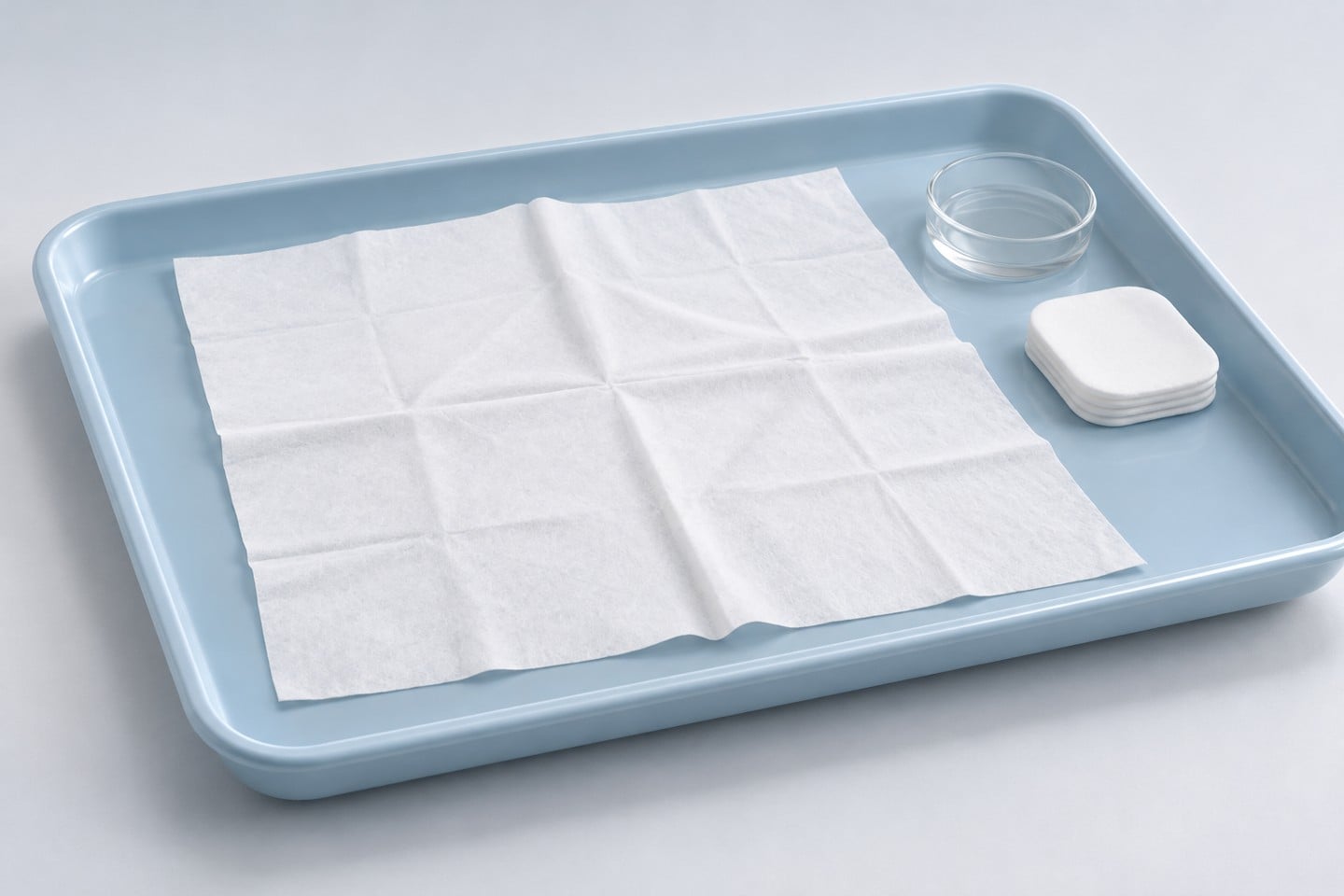
Compare wipe edge constructions through documented identity, contact risk and representative trials, without treating an edge label as cleanroom certification.
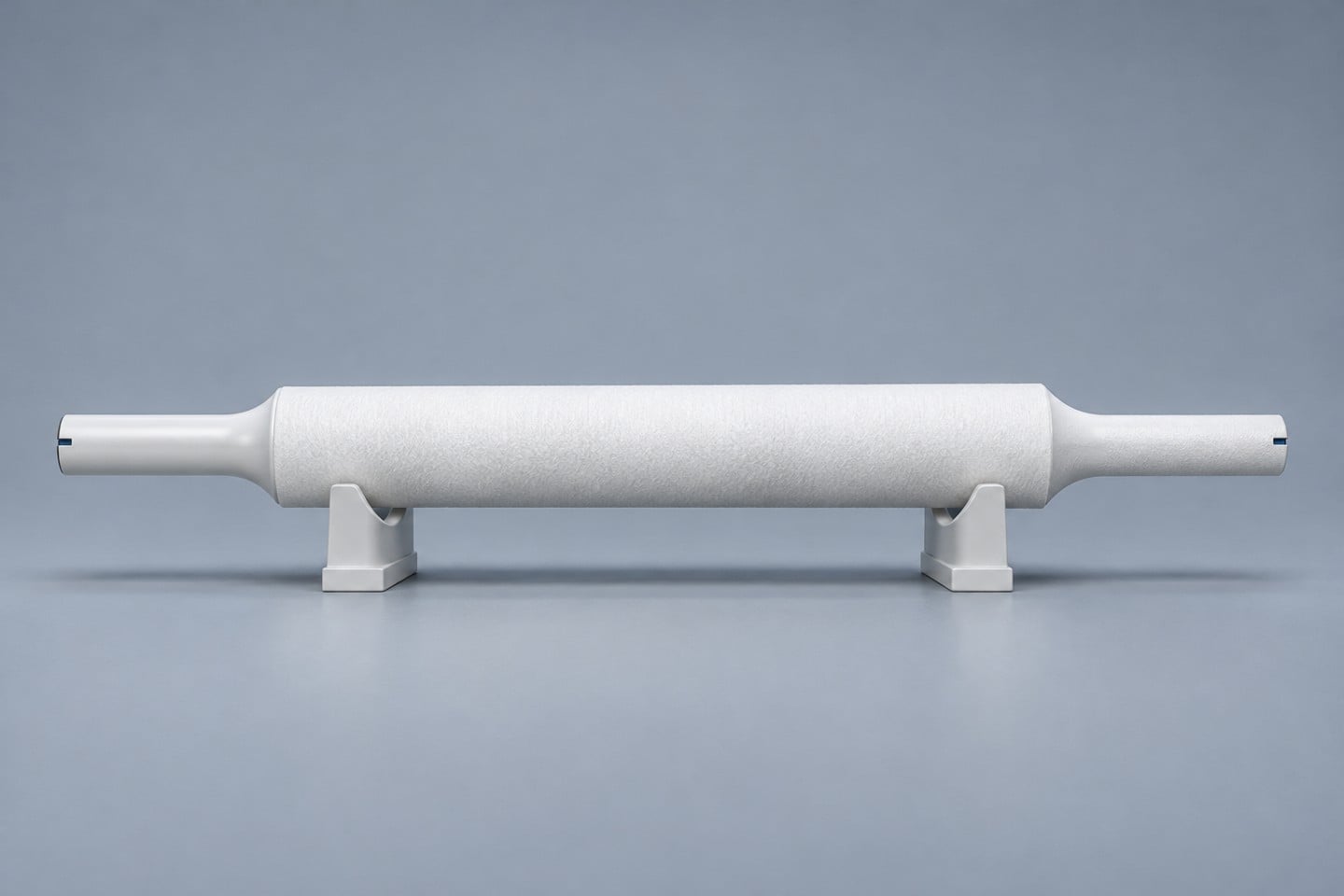
Verify stencil wiper roll orientation using a named viewing end, supplier configuration and approved printer loading record, without assuming universal fit.
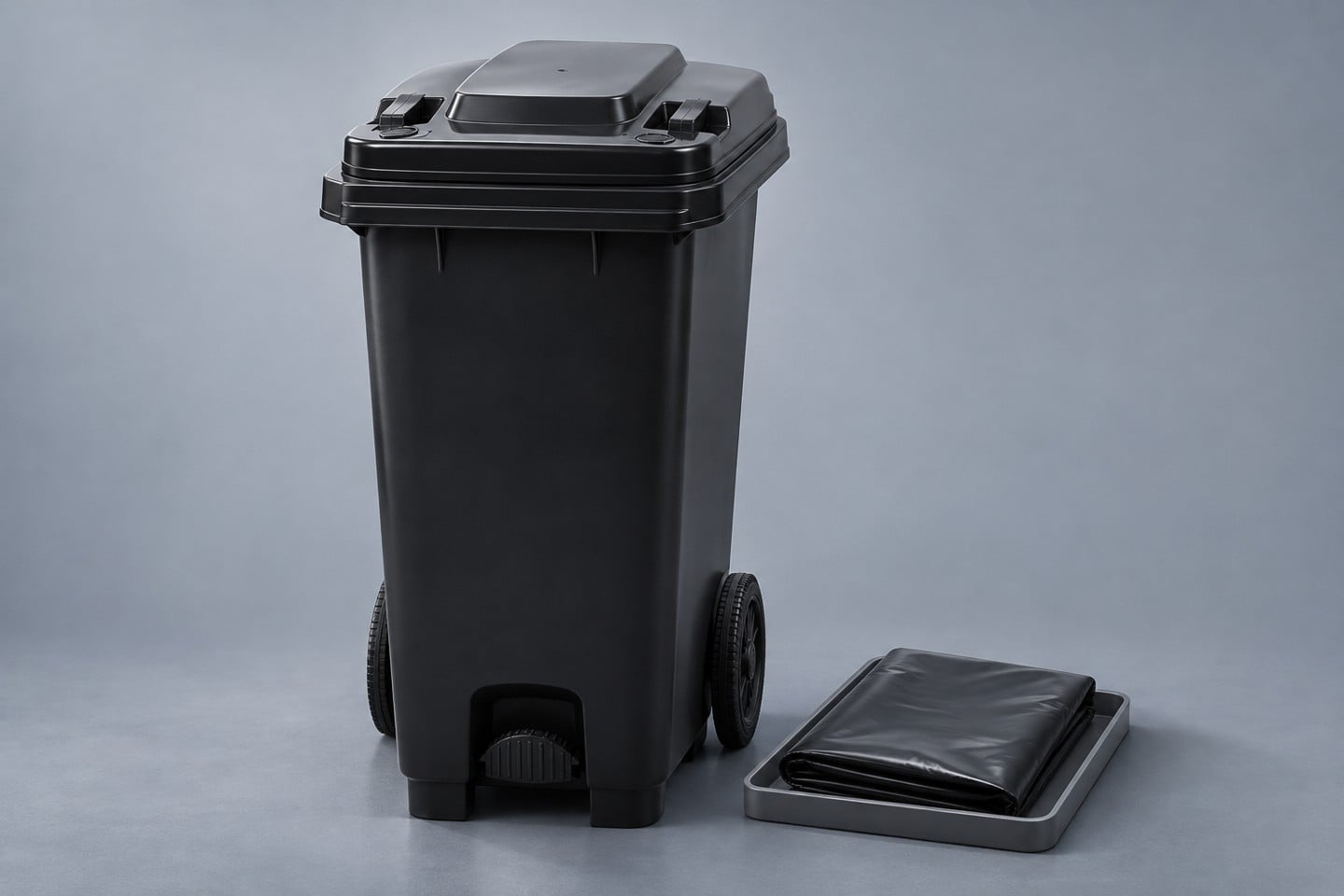
Review liner and bin compatibility through identified samples, fit observations, electrical evidence and separate waste-safety approval.
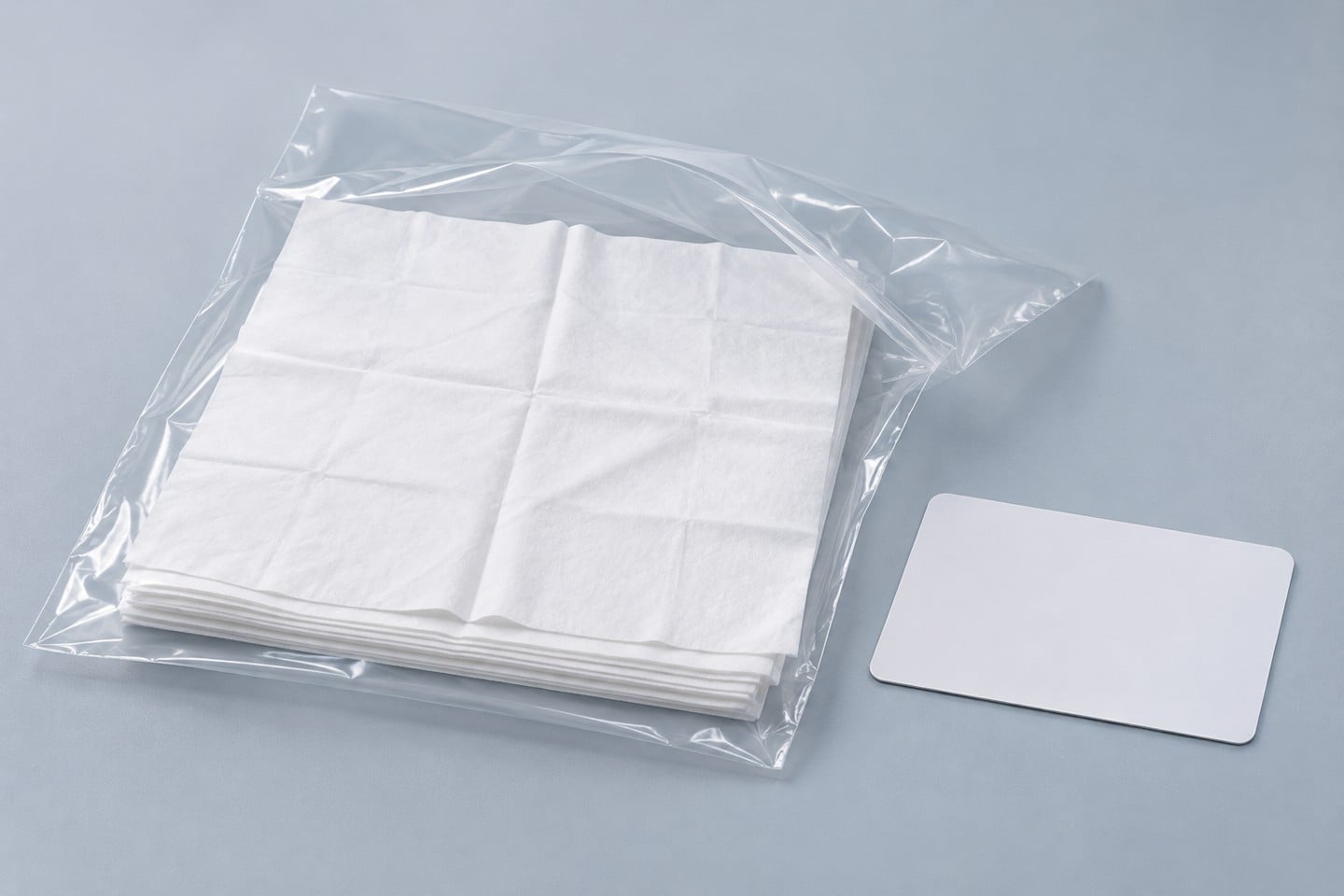
Control opened dry wipe packs with practical withdrawal, closure, identity and return checks, without inventing open-pack expiry or sterility claims.
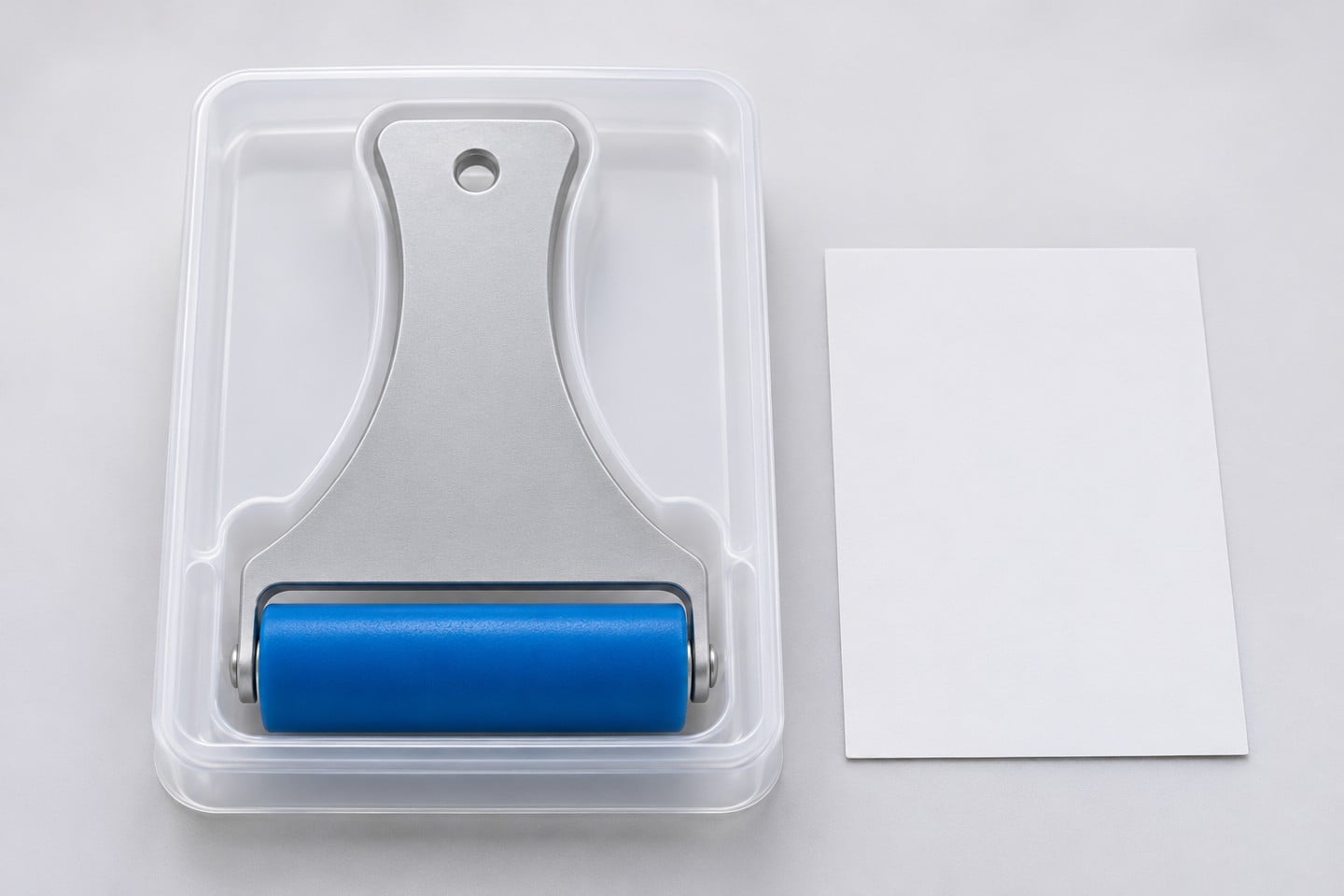
Distinguish complete spare rollers from confirmed refill assemblies, preserve approved stock identity, and prevent unsupported compatibility substitutions.
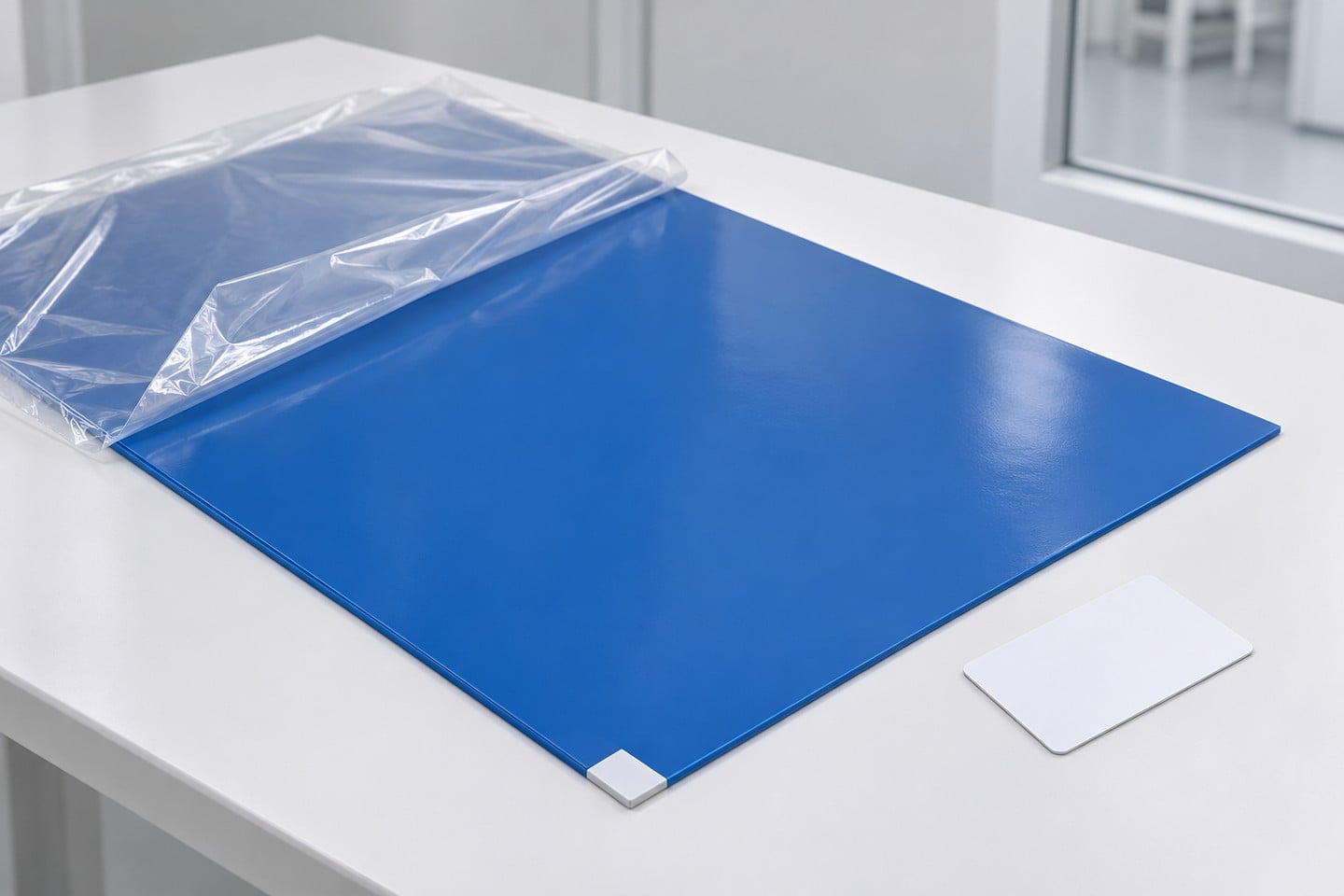
Preserve sticky mat source identity after opening packs, link issued pads to installation locations, and control unused returns without inventing lot codes.
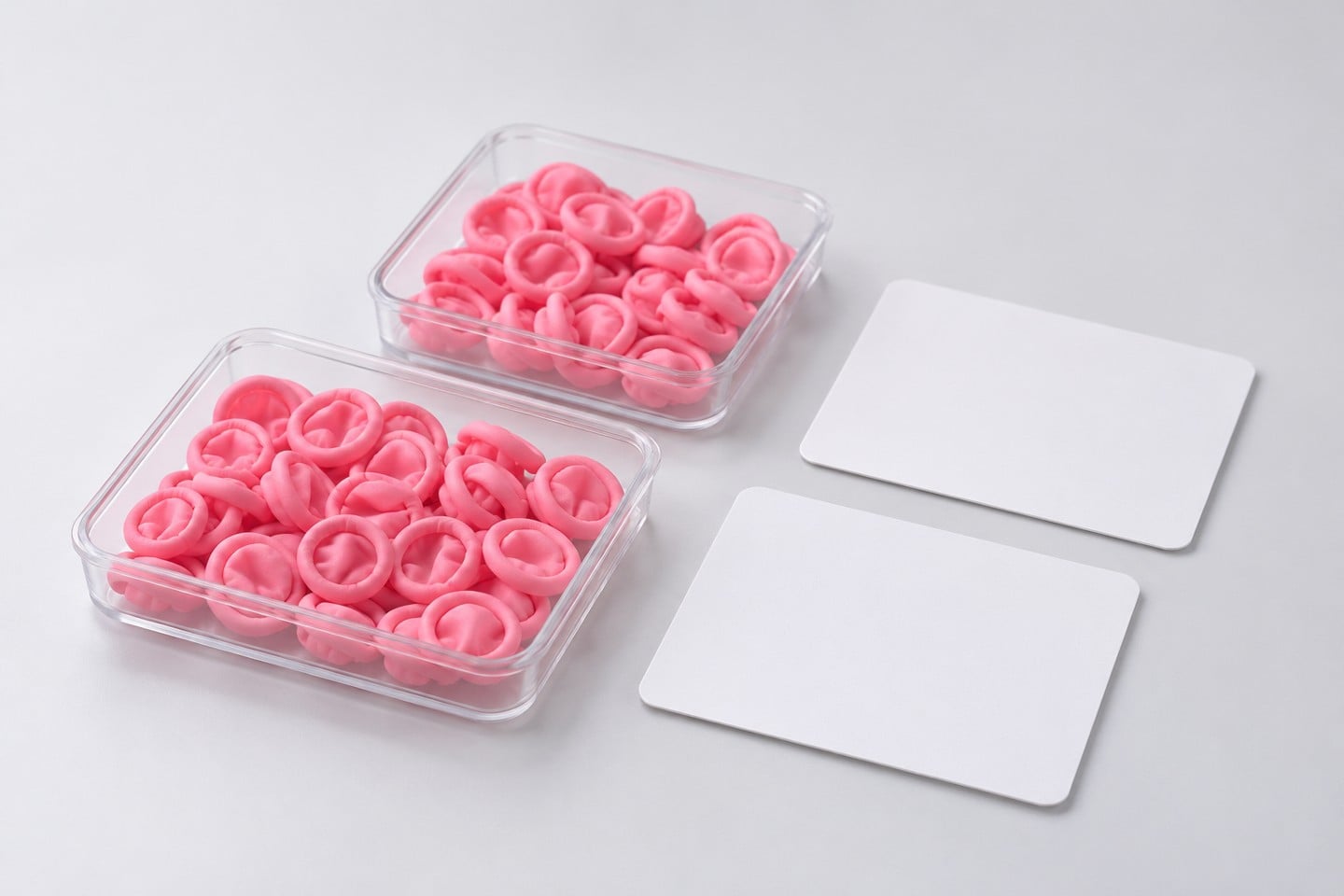
Plan an ESD finger cot fit trial using identified samples, coverage checks and safe handling exercises, with electrical approval kept separate.
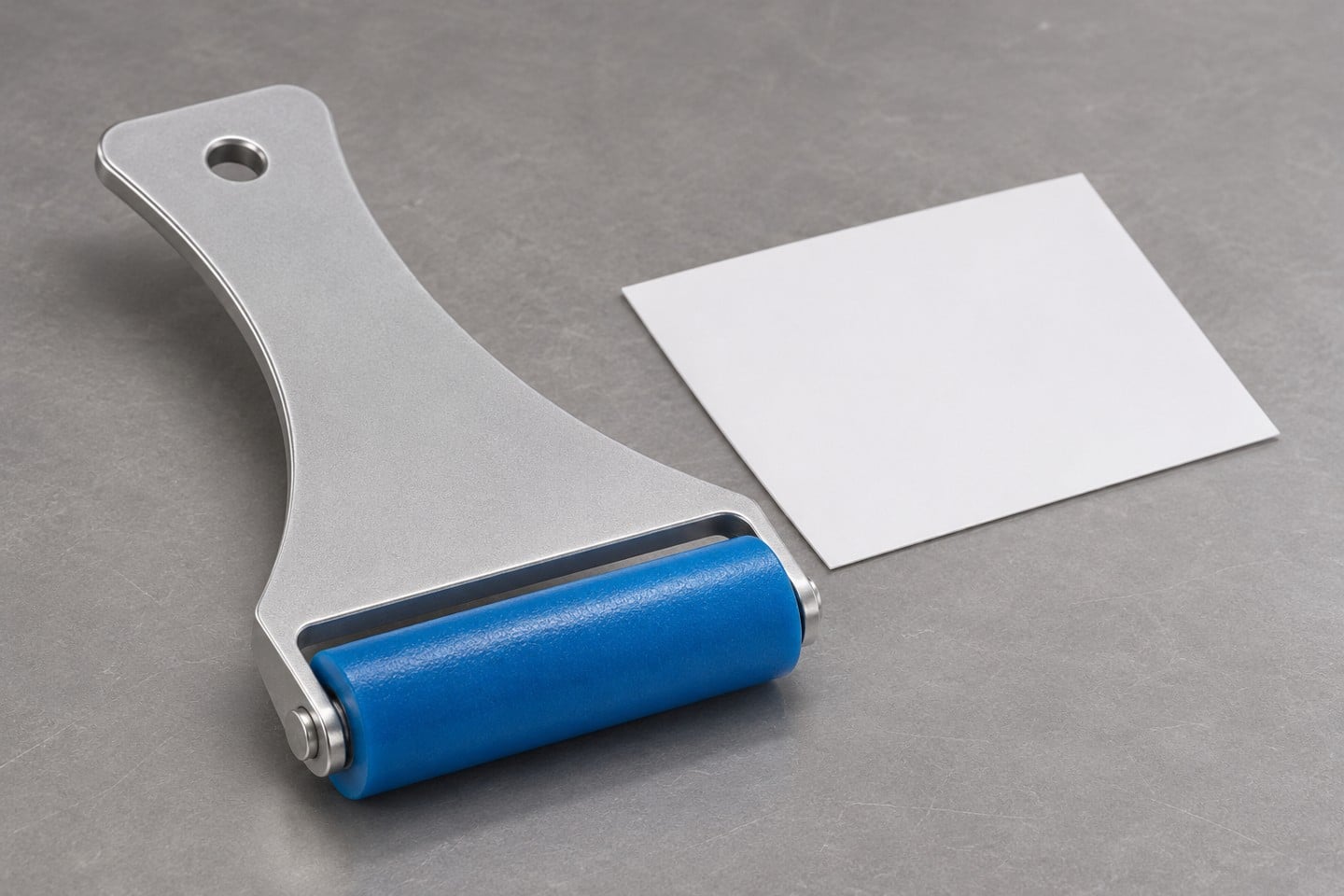
Inspect an approved cleanroom sticky roller handle for damage, contact risks and mechanical function, with clear hold and return-to-use decisions.
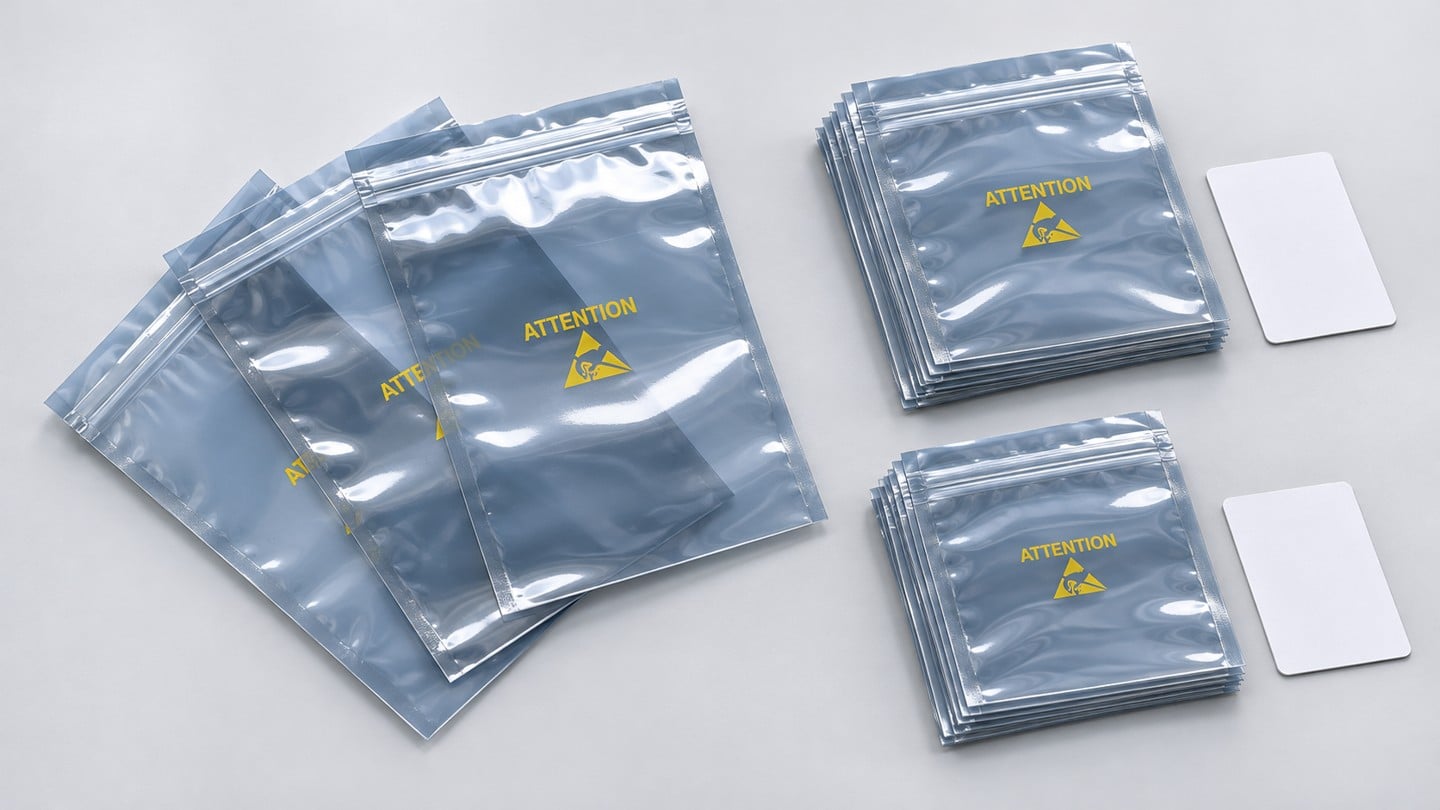
Keep unused ESD shielding bag split packs linked to their source, quantity and release status without inventing supplier lot codes or performance claims.
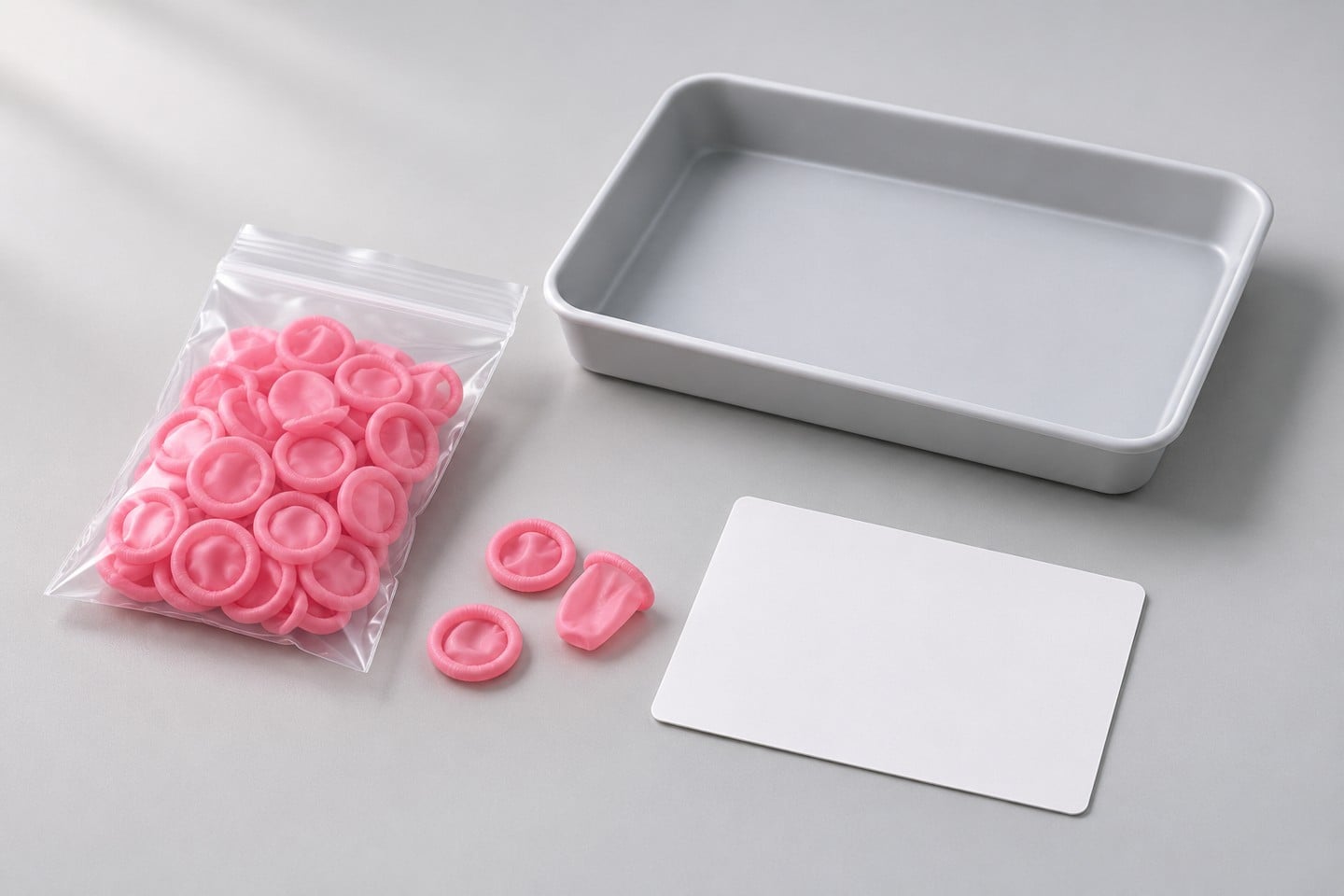
Check ESD finger cot deliveries against approved identity, packaging, sampling and evidence requirements before releasing stock to production.
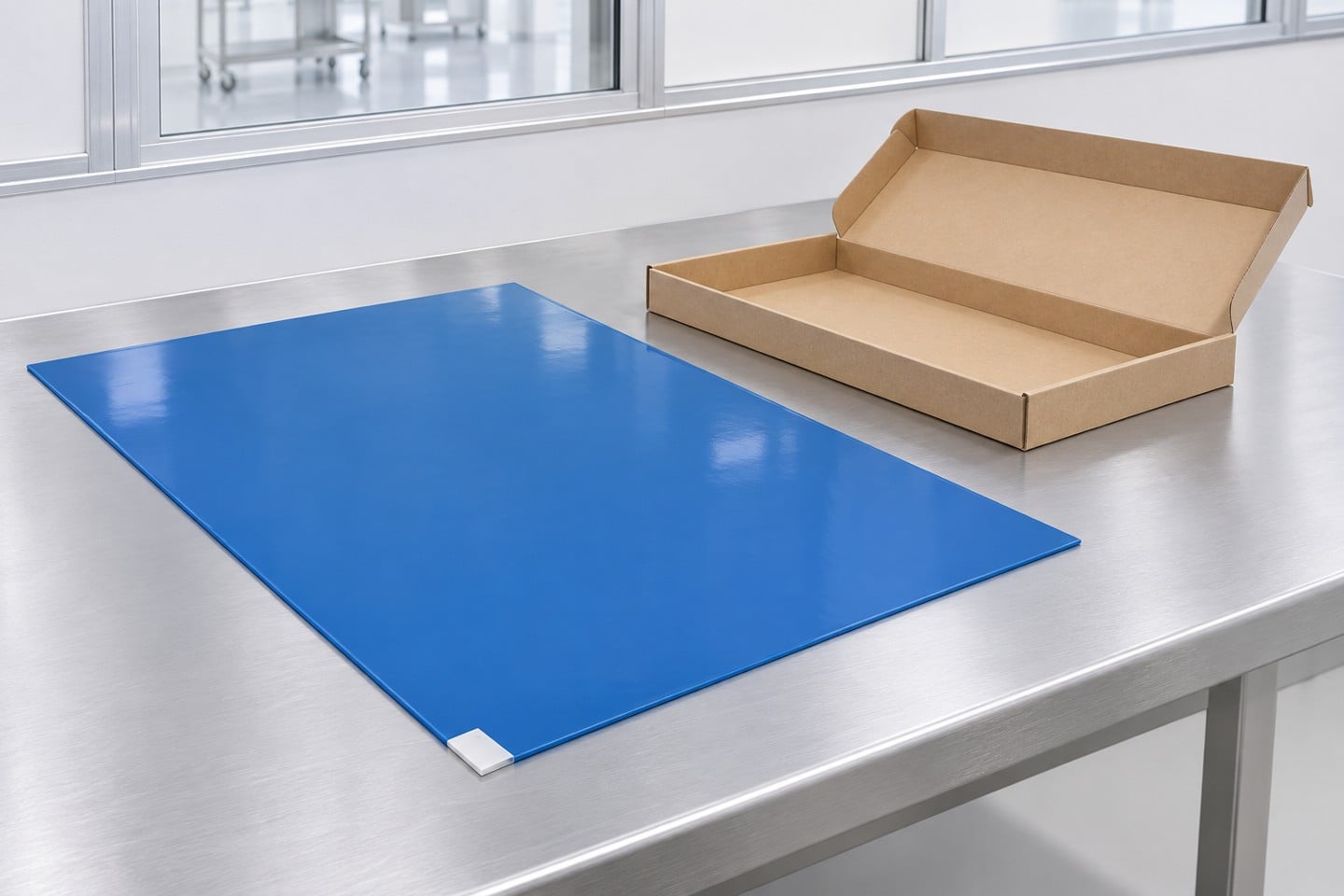
Inspect cleanroom sticky mat deliveries, preserve pack identity, control damaged stock and follow product-specific storage and transfer instructions.