- hanqi
- Blog
Are you searching for the right way to store your electronic parts? So much is said about how important it is to have ESD (electrostatic discharge) tray storage in order to protect sensitive electronics. Electrostatic discharge, most time, cannot be detected by the human eye, but it can still create permanent damage to electronic devices. If you are a manufacturer, repair technician, or collector, having knowledge about all the features and advantages of the different types of ESD trays can help you save your valuable assets. This article will provide you with a detailed overview of ESD trays, their potential materials and how they may be used along with common questions regarding their use.
What is an ESD Tray?
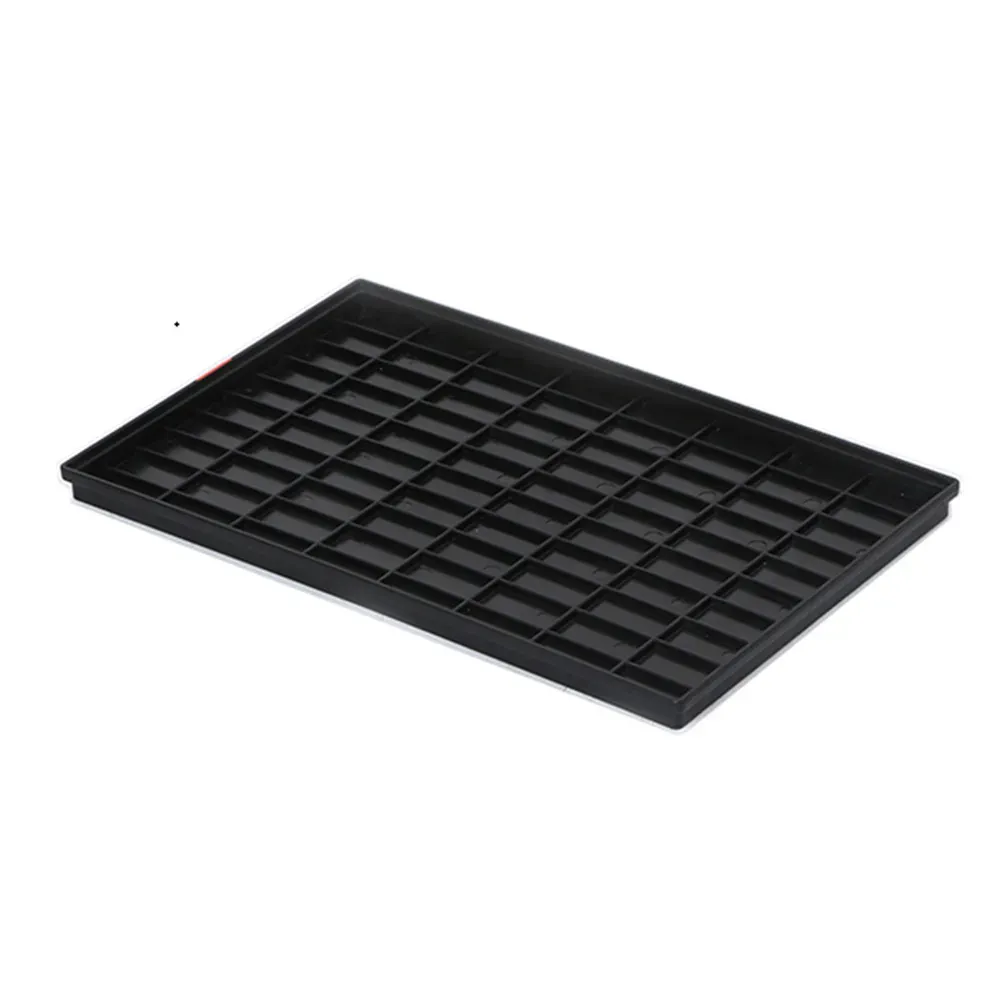
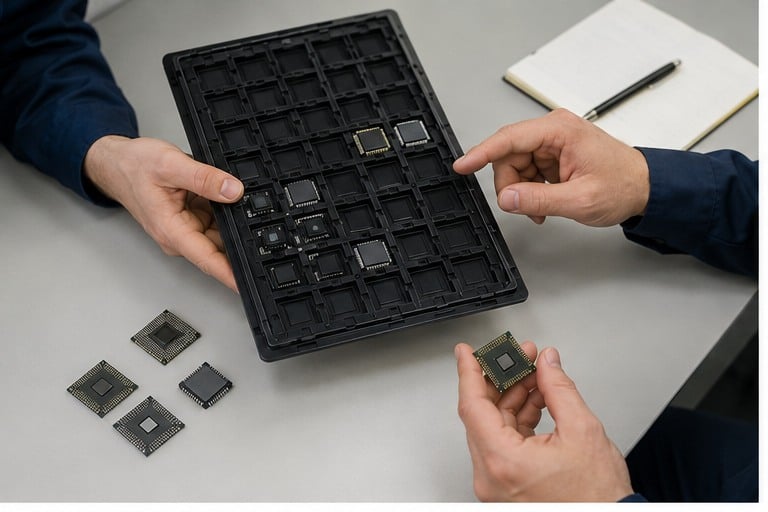
An ESD tray is a container specifically designed to store and transport sensitive electronic parts that are prone to damage due to electrostatic discharge. ESD trays are made of static dissipative or conductive materials that provide a path for static electricity to discharge from the part and prevent damage. ESD trays are widely used in various industries including electronics manufacturing, automotive, aerospace and medical device Manufacturing.
How ESD Tray Storage Protects Your Components
The primary purpose of an ESD tray-based storage solution is to eliminate any build-up of static electricity that may be generated through the handling or transport of electronic components, thus preventing permanent failure and/or degradation of performance due to static discharge from contacting a surface that is charged with static electricity. ESD trays provide both a controlled and safe environment and will completely eliminate the risk of the two events outlined above from occurring through the use of secure compartments or grooves within the ESD tray for stabilizing components and preventing them from moving around and/or creating a static discharge to other components contained within the ESD tray.
Types of ESD Trays
The variety of ESD protective trays makes it easier for a user to find the right product to suit their unique needs; there are many different types such as:
1. Small ESD Trays: The ideal for organizing and protecting small, sensitive components such as microchips, connectors and diodes. The small size makes them great for use on a desktop or when travelling.
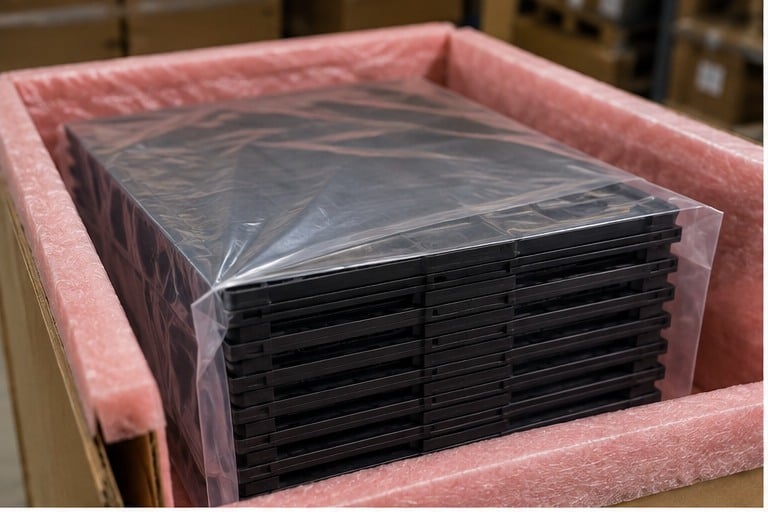
2. Stackable ESD Trays: ESD stackable trays are a strong and reliable way to store or move bulk materials. They are often used when trying to maximize space in a large manufacturing environment and keep the facility organized.
3. ESD Packaging Trays: Widely utilized in distribution for the purpose of shipping and protecting components during transit, these trays will help protect components from both static and physical damage.
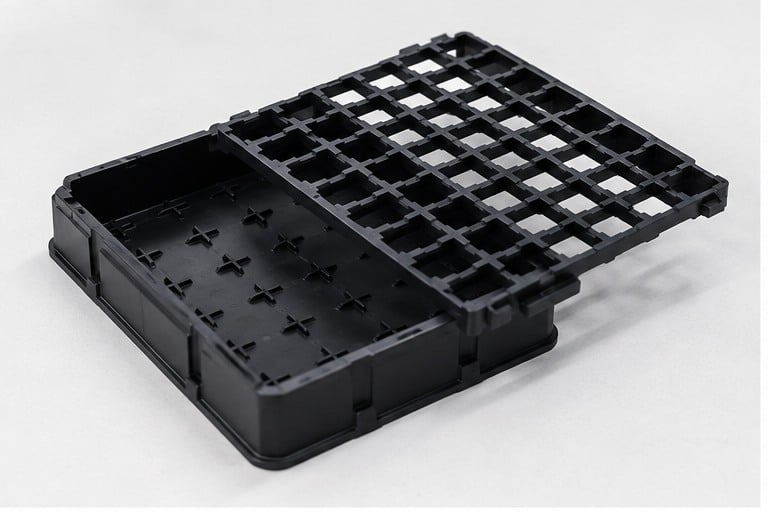
4. Custom ESD Trays: A number of manufacturers provide custom designed products that meet the unique size, form, and functional specification requirements of the numerous industries in which they operate; therefore providing the end user with maximum product protection.
Materials Used in ESD Trays
The effectiveness of an ESD tray largely depends on the materials used. Common materials include:
Static-Dissipative Plastic: The tray protects the items by dissipating harmful static charge in a manner which does not allow it to accumulate inside of the tray and cause damage to the items, as well as giving the static electricity a low-resistance path to ground.
Conductive Plastics: Elements such as polypropylene or polyethylene are produced with added conductive components to make a low-resistance material for static discharge.
Corrugated Plastic: A relatively lightweight and strong material; therefore, it is inexpensive to produce. Because of these qualities, it is frequently used for ESD packaging.
Specialty Compounds: Some applications require higher-performance materials that can resist heat and moisture and/or exposure to certain chemicals while at the same time providing ESD protection.
Benefits of Using ESD Trays
A variety of benefits for using ESD trays can be gained other than just protecting components. Benefits include:
1. Enhanced Efficiency: Properly designed ESD trays facilitate better organization of components so that less time is required to search for & retrieve them.
2. Cost savings: The opportunity for damaged components is reduced, resulting in significant cost savings to companies due to reduced replacement & repair costs.
3. Versatility: ESD Trays can be used to store all types of static sensitive items across a variety of markets & industries.
4. Sustainability: Many ESD Trays are reusable & recyclable, making them an environmentally responsible solution.
How to Choose the Right ESD Tray
Choosing the right ESD tray often depends on the following factors:
1. Assessing the dimensions and quantity of your stored items will allow you to identify what tray size is correct for those items.
2. For your application, you need to determine if you want a single or reusable tray.
3. You will need to consider the type of material that will best meet your needs; this includes evaluating the amount of durability and ESD protection required.
4. If you work in an environment with extremely hot or humid conditions, look into purchasing ESD trays that were specifically designed to withstand these conditions.
FAQs
Are ESD trays reusable?
Totally! Most ESD safe trays can be reused and are built to withstand time and provide value over the long haul. Periodic inspection is encouraged to ensure that they maintain their ESD properties over an extended period.
What industries typically use ESD trays?
Industries utilizing electrostatic discharge (ESD) sensitive devices include electronics manufacturing, telecommunications, aerospace and defence, automotive, and medical technology. Any industries where static-sensitive devices are used will reap the benefits of ESD trays.
How do I know if an ESD tray is right for my application?
To determine whether you are using an ESD-sensitive device, first check the manufacturer’s specifications to locate the ESD sensitivity value. Next, compare this to the static dissipative or conductive range of the tray material you are looking at.
Do ESD trays come in different colors?
Yes, ESD trays are available in various colors to facilitate organization and coding. Common colors include black, blue, and gray, with black being the most common due to the carbon used for conductivity.
Can I use ESD trays in automated systems?
Yes, many ESD trays are designed to be compatible with automated assembly and transport systems. You can also request custom designs to ensure optimal compatibility with your specific setup.
Is there a difference between conductive and static-dissipative trays?
Yes, conductive trays have a very low electrical resistance, allowing current to flow quickly. Static-dissipative trays, on the other hand, slow down the flow of static electricity, allowing it to dissipate safely.
How long does the ESD protection last?
The lifespan of ESD protection depends on the material used, the level of wear and tear, and environmental factors. Regular maintenance and cleaning can prolong the effectiveness of the trays.
What is the ideal way to store ESD trays when not in use?
Store ESD trays in a clean and dry area, away from direct sunlight, extreme temperatures, or moisture. Keeping them in an ESD-safe environment will preserve their properties.
In today’s fast-paced and technologically dependent world, proper ESD tray storage is essential for managing sensitive electronic components effectively. With a variety of sizes, materials, and customization options, ESD trays are versatile solutions that cater to diverse industries. By investing in high-quality ESD trays, you prevent costly damages, enhance durability, and improve workplace efficiency. Take the time to assess your specific needs and opt for the best ESD safe tray to keep your electronic components secure. By doing so, you’ll be safeguarding your products and ensuring the success of your operations well into the future.
Leave a Reply