- Blog
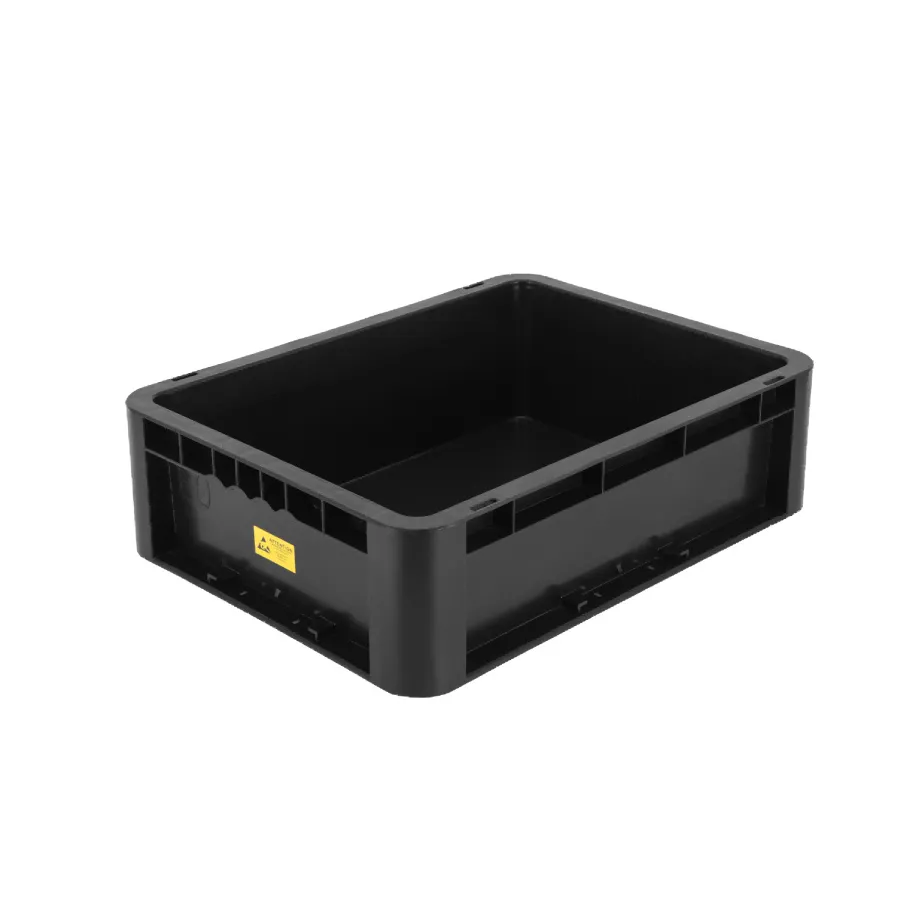
An ESD box with lock can support shared EPA storage only when its access requirement is defined with the operating process. Before requesting a quote, assign an access owner, write the handover rule, define the visible box status, and ask the supplier to confirm the requested lock configuration on the selected SKU.
For teams sharing controlled material between shifts, stations, or departments, an ESD Box is one part of the storage method. The restriction method must work with the buyer’s EPA procedure, identification rules, and component-handling needs. A cover or product image is not evidence that a particular lock configuration is available.
Part 1. When does restricted access fit a shared EPA?
Restricted access is useful when multiple people can reach the same ESD-sensitive material, but only named roles may release, replenish, inspect, or move it. Typical triggers include controlled WIP, inspected lots, customer-owned parts, engineering samples, and material awaiting disposition.
| Shared-storage situation | Control objective | Requirement to define |
|---|---|---|
| Multiple shifts use one staging area | Preserve custody between operators | Access owner and handover record |
| Inspection-hold material is kept near production | Prevent accidental release | Status label and release authority |
| Several workcells use the same component stock | Avoid unrecorded withdrawal | Access rule and transaction method |
| Engineering or customer samples are staged in the EPA | Keep handling accountable | Named owner, box ID, and escalation path |
That choice has costs: it may not suit every line-side location. If operators need rapid, continuous replenishment, an open but controlled point-of-use container may be more practical. Use the restriction only where the delay and responsibility model are acceptable.
Part 2. Why is a lock not the ESD-control procedure?
Physical restriction can limit who opens a box; it does not establish the electrical condition, handling method, or traceability of its contents. The EPA procedure still needs to define how material enters the area, how operators handle it, and what evidence is required at receiving or release.
| Control layer | What it addresses | What it does not prove |
|---|---|---|
| Access restriction | Who may open or release stored material | The ESD suitability of the box or contents |
| Box label | Identity, status, owner, or location | That the information is current |
| EPA procedure | Grounded handling, work-area controls, and escalation | Compatibility of a requested lock with a SKU |
| Supplier quotation | Agreed product configuration | The buyer’s internal access authorization |
IEC 61340-5-1 and ANSI/ESD S20.20 provide program-level context for ESD control. They do not specify a particular lock design or convert an unverified storage box into a complete shared-EPA control system.
Part 3. How should access, handover, and box status be assigned?
Start with the operating event, not the hardware description. Map who receives the material, who may open the box, who may change its status, and who is accountable if access is needed outside the normal shift.
| Workflow field | Buyer decision | Example question |
|---|---|---|
| Access owner | Role accountable for release or approval | Who can authorize opening during a shift? |
| Access method | Buyer-required method to be quoted | Is a key, credential, seal, or another method required? |
| Custody | Storage and control of the access method | Who receives it at shift handover? |
| Box status | Visible condition of the contents | Is the box available, on hold, released, or awaiting inspection? |
| Exception path | Action when the owner is unavailable | Who may approve emergency access and record it? |
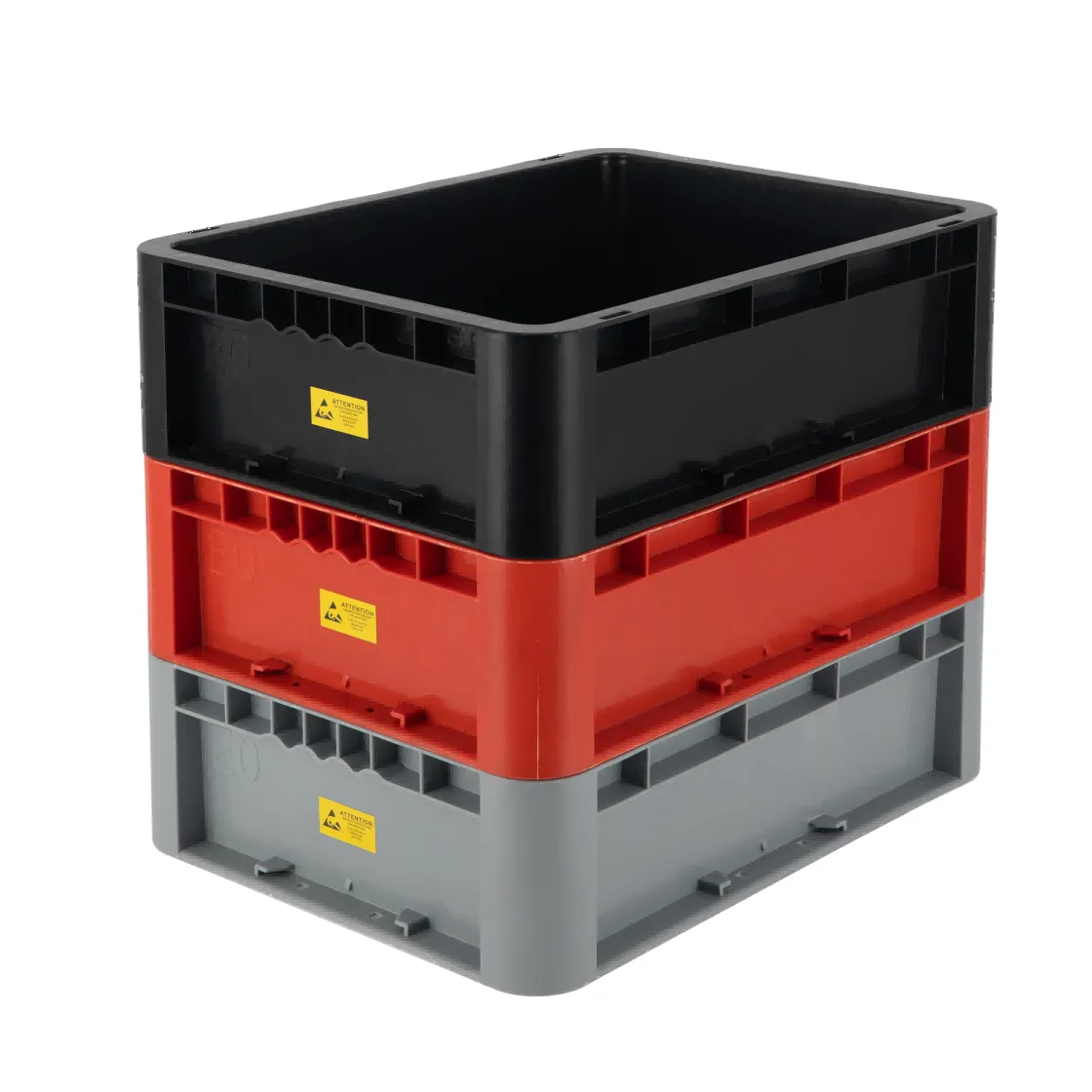
Keep the label usable without opening the box. At minimum, the team should decide whether the label shows a box ID, owner role, material status, location, and revision or date field. The label supports the process; it should not disclose sensitive details that conflict with the buyer’s own security policy.
For a box moved between stations, pair the access rule with the WIP handoff guide. The handover record should describe the contents and status, not merely that a container changed location.
Part 4. What can be confirmed for the selected Sanwei SKU?
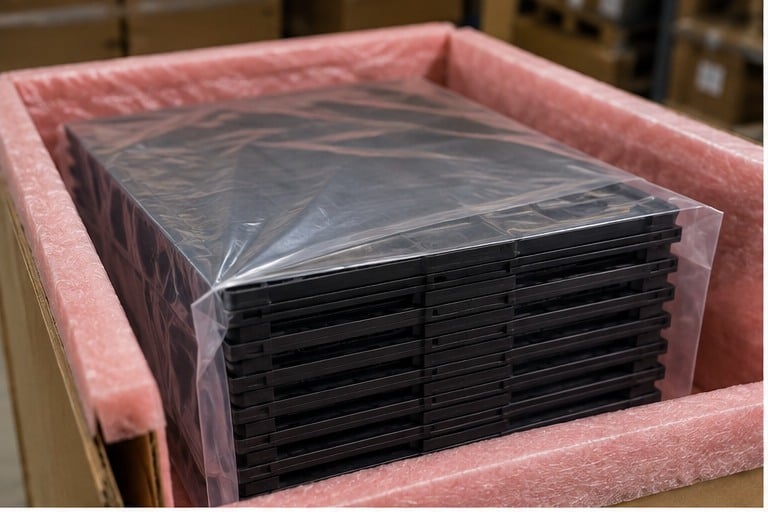
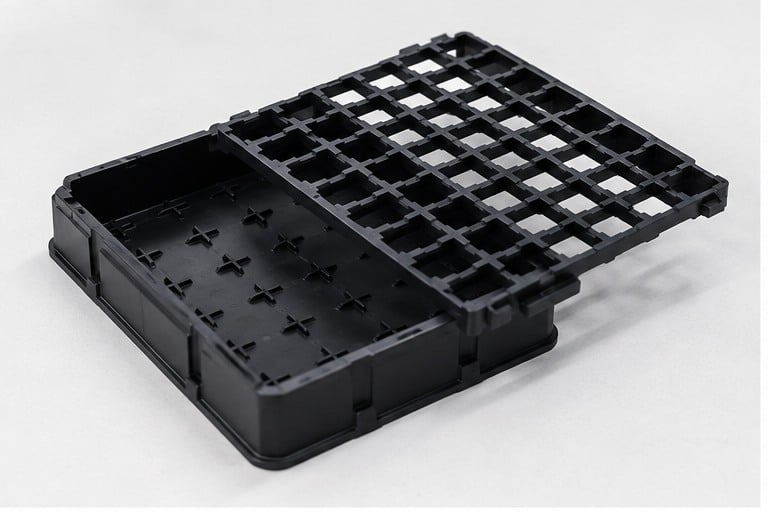
The published Sanwei ESD Box product family lists covers, anti-static labels, and partitions for selected models. Those published options can help frame a storage discussion, but the cited page does not identify a lock configuration for a specific SKU.
| Buyer requirement | What to request | Boundary |
|---|---|---|
| Requested lock configuration | Written confirmation against the selected SKU | Do not infer it from a cover or photo |
| Cover and accessory fit | SKU-specific accessory list or drawing | Options vary by model |
| Label area and fields | Marking or label requirement in the RFQ | Confirm final placement and method |
| Shared-EPA workflow | Buyer process summary and exception path | Supplier hardware does not replace the procedure |
Use the ESD Box & ESD Tray solution page for broader configuration context, then ask the quote to state the selected SKU, the requested access configuration, and any limits or exclusions. This keeps the product decision separate from assumptions about security performance.
Part 5. Which ESD evidence and fit boundaries still apply?
The same evidence discipline applies whether or not access is restricted. Request product evidence that matches the buyer’s intended EPA, stored material, and inspection process instead of relying on a generic “ESD” label.
| Evidence request | Why it belongs in the file | Fit boundary |
|---|---|---|
| Quoted SKU and accessory list | Connects the request to one configuration | A category page is not SKU confirmation |
| Material identification | Identifies what is being supplied | Do not infer material from color or an image |
| Buyer-defined electrical requirement | Aligns with the EPA acceptance method | Confirm test method and conditions |
| Sample or lot traceability | Connects evidence to the reviewed item | Retain it with receiving records |
| Access-configuration confirmation | Shows the requested restriction was addressed | It is not a security rating unless separately documented |
Fit Boundary
| Buyer situation | Reasonable path | Avoid |
|---|---|---|
| Controlled lots need named release authority | Access workflow, status label, and RFQ confirmation | Treating a box label as authorization |
| Shared stock needs fast line-side replenishment | Point-of-use controls and clear ownership | Creating a lock delay that disrupts normal replenishment |
| High-value or regulated material needs formal security | Use the buyer’s security policy and approved storage system | Assuming an ESD box provides a security rating |
| A project needs a particular access method | Describe it and obtain SKU-specific confirmation | Naming a lock type without supplier evidence |
Part 6. Which RFQ fields and sample checks are essential?
Send one controlled requirement set. “ESD box with lock” is too broad for a supplier to confirm compatibility or for a receiving team to check the delivered configuration.
| RFQ field | Buyer input |
|---|---|
| Box reference | Preferred SKU, footprint, internal-use needs, or target dimensions |
| Stored material | Component type, packaging condition, quantity, and handling sensitivity |
| EPA context | Buyer-defined ESD requirement, test method, and acceptance criteria |
| Access workflow | Authorized roles, access method, custody, handover, and exception rule |
| Lock configuration | Requested configuration, operating environment, and required compatibility confirmation |
| Identification | Box ID, owner role, status field, location, and revision convention |
| Commercial request | Required quantity, destination, desired timing, and quotation currency |
| Sample acceptance | Fit, operation, label visibility, workflow trial, and required evidence |
Product Recommendation
Begin the model review with the Sanwei ESD Box product family when the project needs a shared-EPA storage workflow. This is a recommendation to start an RFQ review, not a statement that a particular listed model has a lock.
Do not default to a specific model or access configuration from a picture, cover option, or adjacent article. Ask Sanwei to confirm the selected SKU, requested lock configuration, compatible accessories, commercial terms, and sample path in writing before committing the requirement.
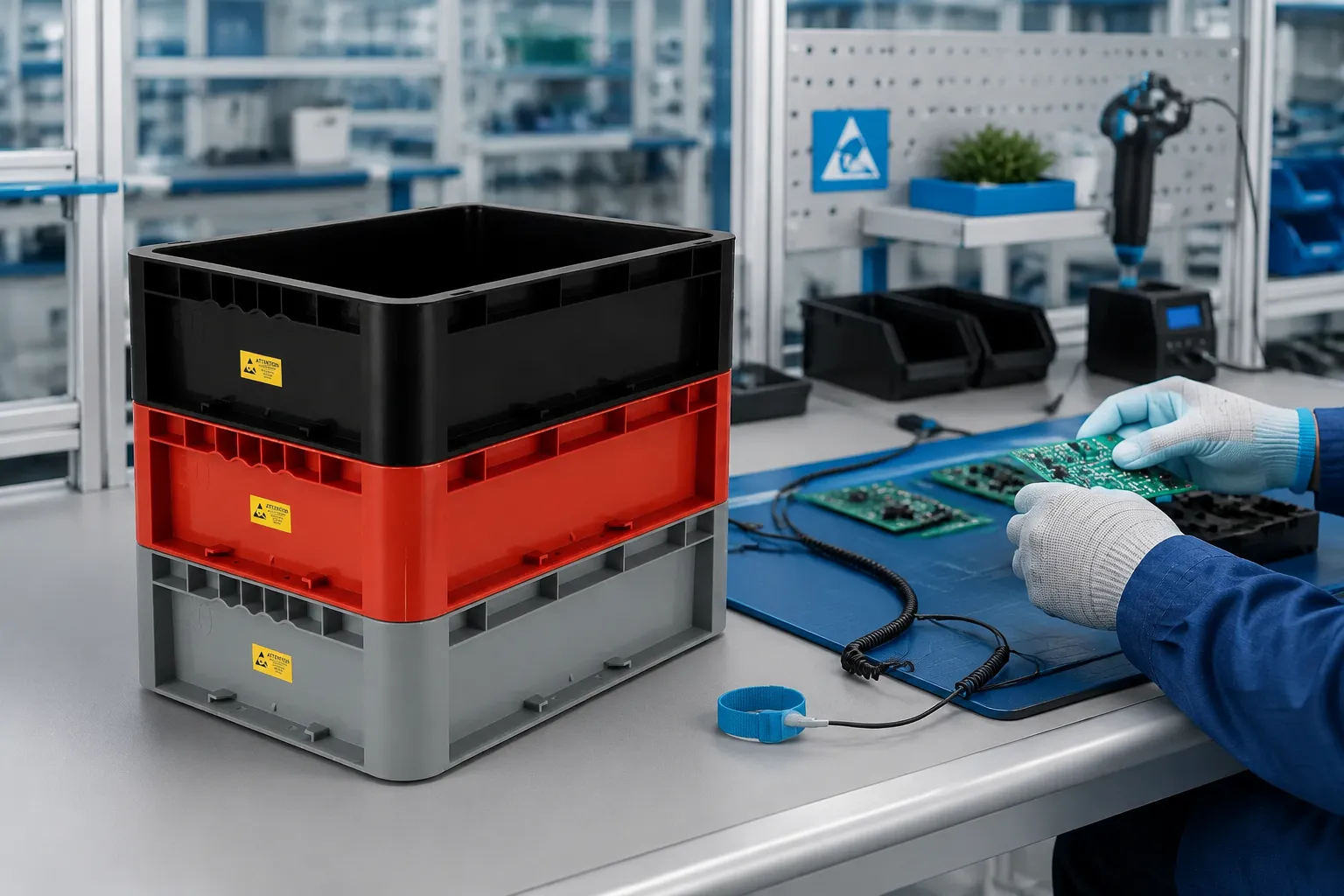
Send the process summary, target footprint, label fields, access workflow, and buyer-defined acceptance criteria through Contact Sanwei for quotation review.
FAQ
What is an ESD box with lock used for?
It can be specified for shared EPA storage when the team needs to restrict access to defined ESD-sensitive material while keeping ownership, status, and handover visible. Confirm the requested lock configuration against the selected SKU in the RFQ.
Are lockable ESD boxes suitable for shared EPAs?
They may be suitable when the access rule supports the EPA workflow and does not block necessary replenishment or release. The buyer should define who may open the box, how custody changes between shifts, and what is visible on the label.
Does a lock replace an ESD-control procedure?
No. It can restrict physical access, but it does not establish electrical acceptance, grounded handling, traceability, or the site’s EPA rules.
Who should control access to a shared ESD box?
Assign a named role rather than an undefined group. The procedure should also identify the handover recipient and the approved exception path when the normal owner is unavailable.
Can Sanwei supply a particular lock type?
The cited ESD Box product-family page does not identify a lock configuration. Describe the required configuration in the RFQ and request written confirmation for the selected SKU.
What should be labeled on a restricted-access box?
Use fields that support the workflow, such as a box ID, owner role, material status, location, and revision or date field. Keep the content aligned with the buyer’s security policy.
What ESD evidence should be requested?
Request the quoted SKU, material identification, buyer-relevant electrical evidence and test conditions, and traceability to the reviewed sample or supplied lot.
What should be confirmed on a sample?
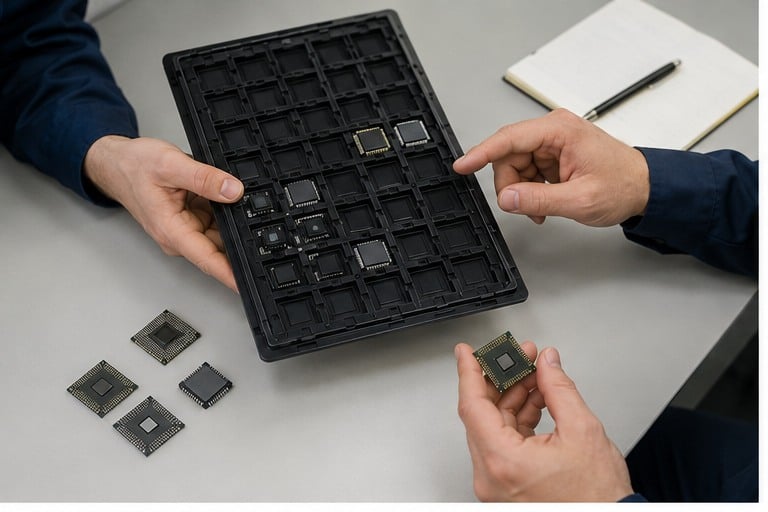
Check the requested configuration against the selected SKU, box fit, normal operation, label visibility, handover workflow, and the ESD evidence required by the buyer’s program.
Leave a Reply