- Blog
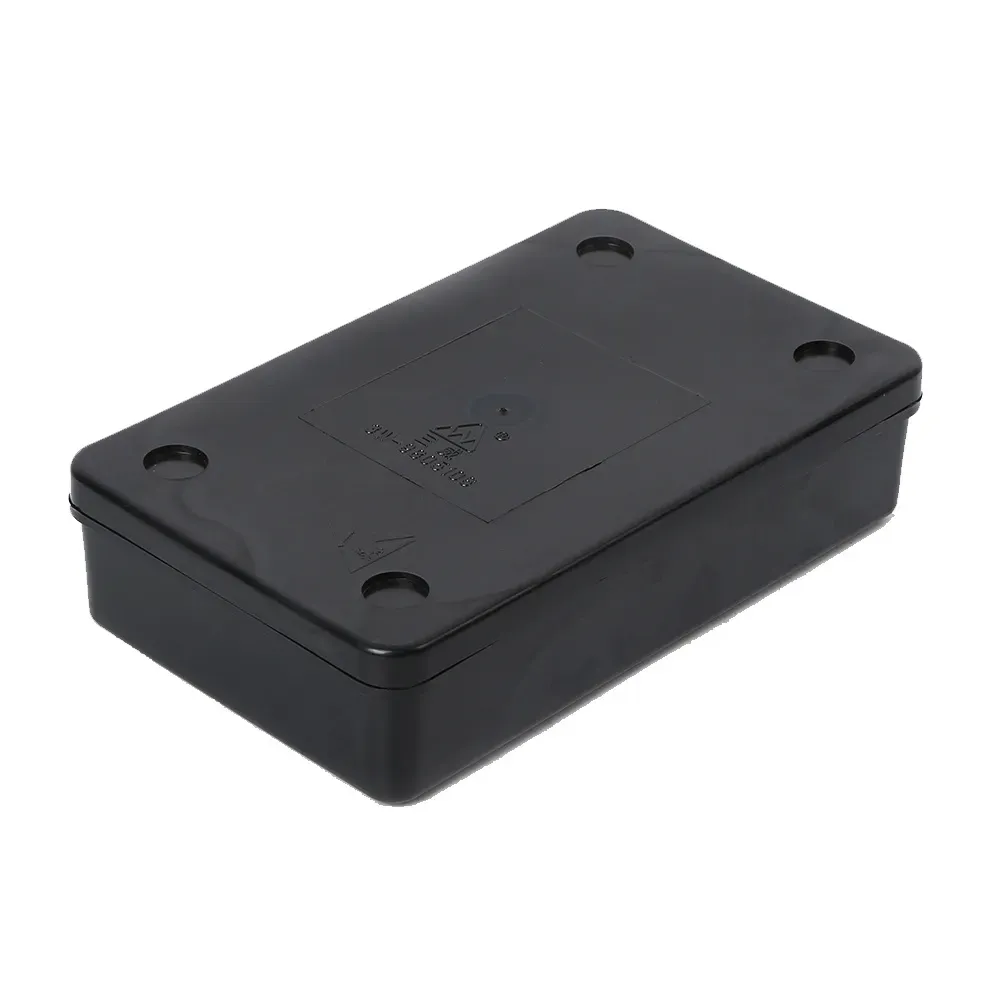
Choose replacement when the approved box design still fits the work. Choose a tooling review when the required geometry, interface, or controlled handling condition has changed. The evidence should identify the changed feature before anyone quotes a new configuration.
Part 1. What decision should buyers make first?
Start with the reason for change: damage, a missing interface, a revised PCB, a new divider layout, or a changed handling route. A replacement request keeps the approved design. A retool request asks engineering to review whether the design itself must change.
Part 2. Which evidence defines the current box?
Record the model code, drawing revision, outer and usable dimensions, lid or divider arrangement, label area, stacking interface, item being handled, and route. Photographs help, but a photograph does not establish a tooling interface.
Part 3. When does a like-for-like replacement fit?
A direct replacement is the sensible path when the approved drawing, material requirement, and handling role remain unchanged. This route is suitable for a documented damaged unit or a quantity increase using the same accepted design.
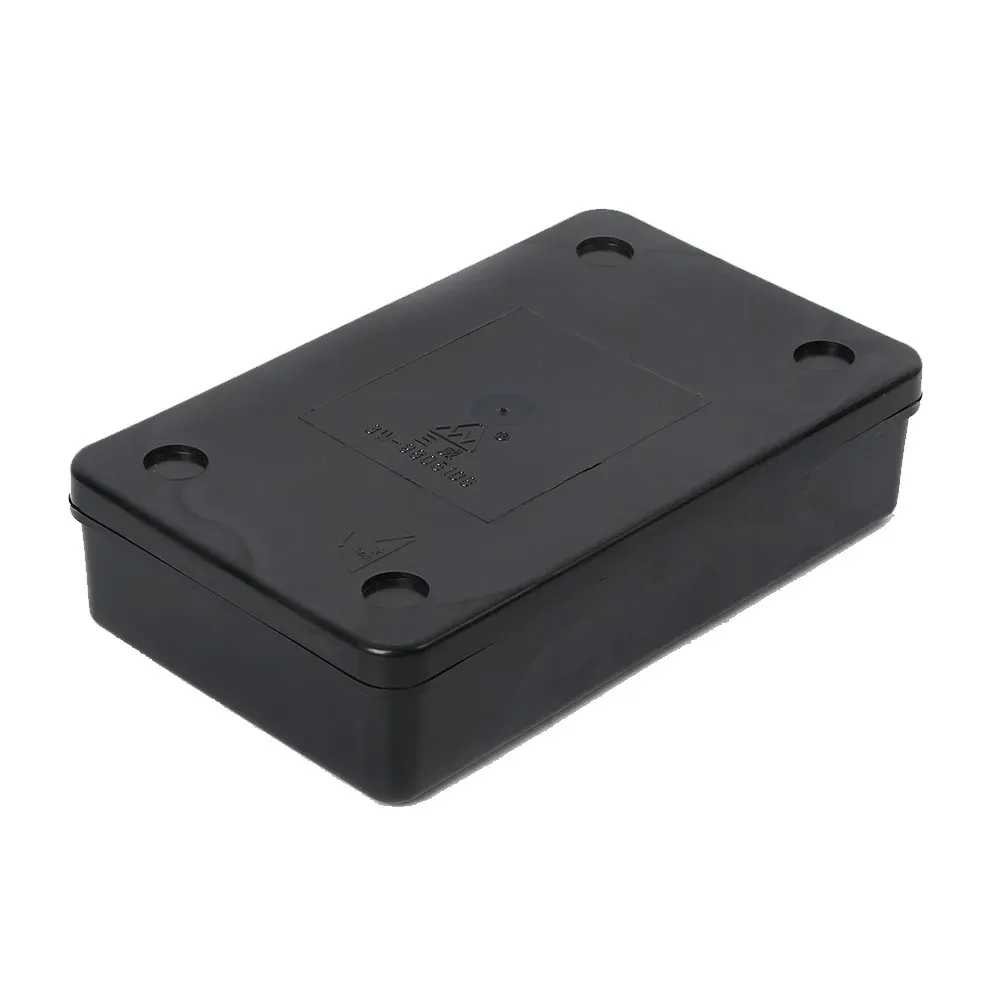
The buyer should still confirm the current revision and receiving criteria. “Same appearance” is not enough when there are several box generations on one line.
Part 4. Which changes need a tooling review?
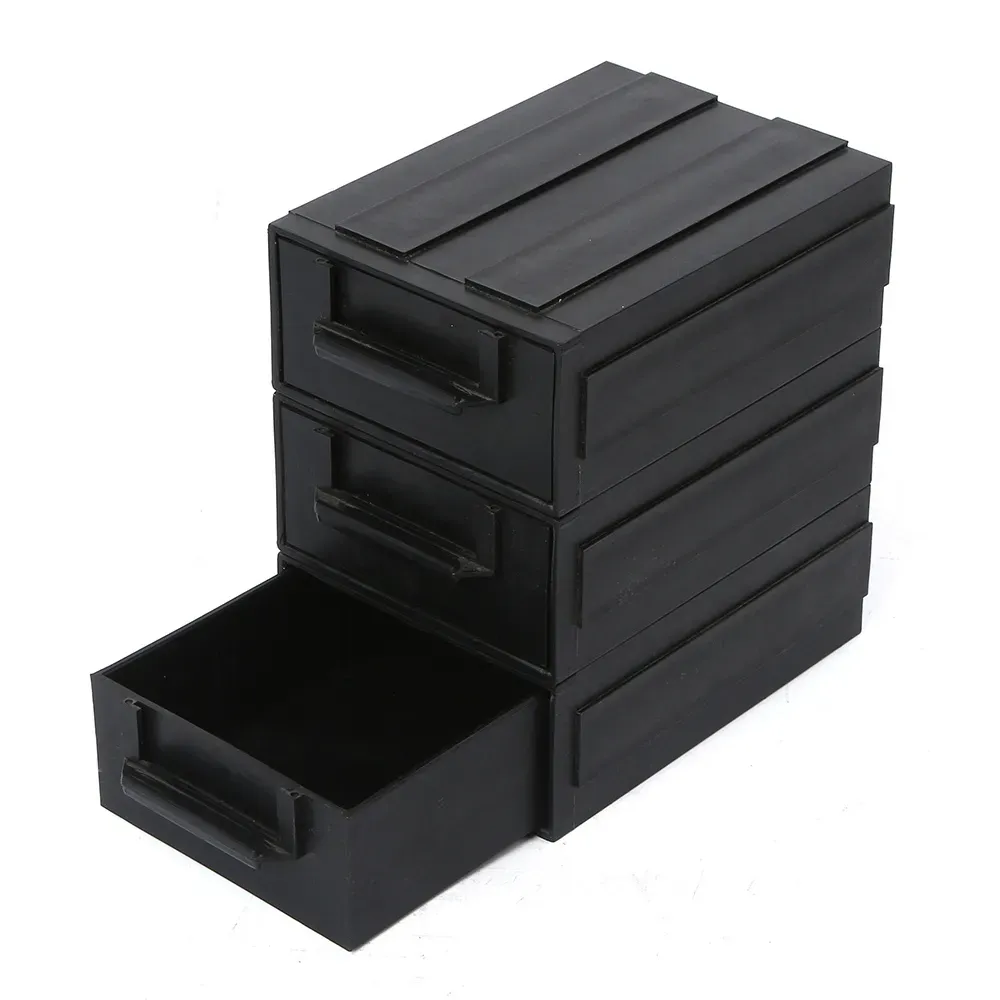
Request a retool assessment when a wall, footprint, internal feature, cover interface, divider location, label recess, or stacking feature changes. Any change that affects fit with a board, fixture, trolley, or automated interface should be documented on the revised drawing.
Important: Do not turn a changed handling or protection requirement into a generic “same ESD box” order. The applicable material and control requirements must be reviewed against the current program and model evidence. (ESD Association standards index)
Part 5. What risks should stop a quick substitution?
Pause the order when the existing drawing is missing, the defect is structural, the new item has different dimensions, or the route leaves the controlled area. A substitute can create fit, traceability, or packaging risk even when its outside dimensions look close.
The tooling and MOQ guide is useful for a new-project tooling discussion. The present decision is narrower: whether the current design can still be ordered as approved.
Part 6. Which buyer inputs make the request reviewable?
| Buyer should provide | Why it matters |
|---|---|
| Current drawing and revision | Separates replacement from redesign |
| Photos and defect location | Defines the reason for change |
| Item dimensions and route | Tests fit and handling boundary |
| Required lid, divider, label, and stack features | Identifies design interfaces |
| Quantity band and inspection plan | Defines commercial and receiving scope |
Part 7. Which Sanwei route should buyers use?
Begin with the ESD Box category to identify the product family, then send the evidence through OEM/ODM or Contact Sanwei. A supplier can then confirm whether the request remains a replacement or needs an engineering revision.
FAQ
When should an ESD box be replaced instead of repaired?
Replace it when the approved design remains valid and the issue is limited to the unit rather than the interface or requirement.
When is a mold revision necessary?
Request review when geometry, internal features, interfaces, or the defined use condition must change.
Which drawing changes affect tooling?
Wall, footprint, divider, lid, label, stacking, and fixture-interface changes should be reviewed on a revised drawing.
Can a lid or divider be changed independently?
Only after the supplier confirms the exact design interface and revision; do not assume components are interchangeable.
What should buyers send for review?
Send the current drawing, photographs, use route, changed feature, quantity band, and inspection need.
Can this article confirm a mold change?
No. It defines the evidence needed for an engineering review; the supplier must confirm the exact model and tooling scope.


Leave a Reply