- هانكي
- مدونة
مع الوضع الحالي للتكنولوجيا، من الضروري أن يكون لدى الشركات فهم كافٍ لمنتجات التفريغ الكهروستاتيكي (ESD) وكيف تحمي المكونات الإلكترونية من التلف الناتج عن التفريغ الكهروستاتيكي. يحدث التفريغ الكهروستاتيكي عندما يتلامس جسمان لهما جهد كهربائي مختلف مع بعضهما البعض ويتبادلان الشحنات. إذا وقعت حدث تفريغ كهروستاتيكي أثناء العمل مع المكونات الإلكترونية الحساسة، فقد يؤدي ذلك إلى تلف خطير لتلك المكونات، وإعاقة عملية التصنيع، وتكبد الشركة المصنعة خسائر مالية كبيرة. لذلك، تحتاج الشركات التي تستخدم الإلكترونيات إلى تطبيق حماية فعالة من التفريغ الكهروستاتيكي باستخدام منتجات ESD.
ما هي منتجات ESD
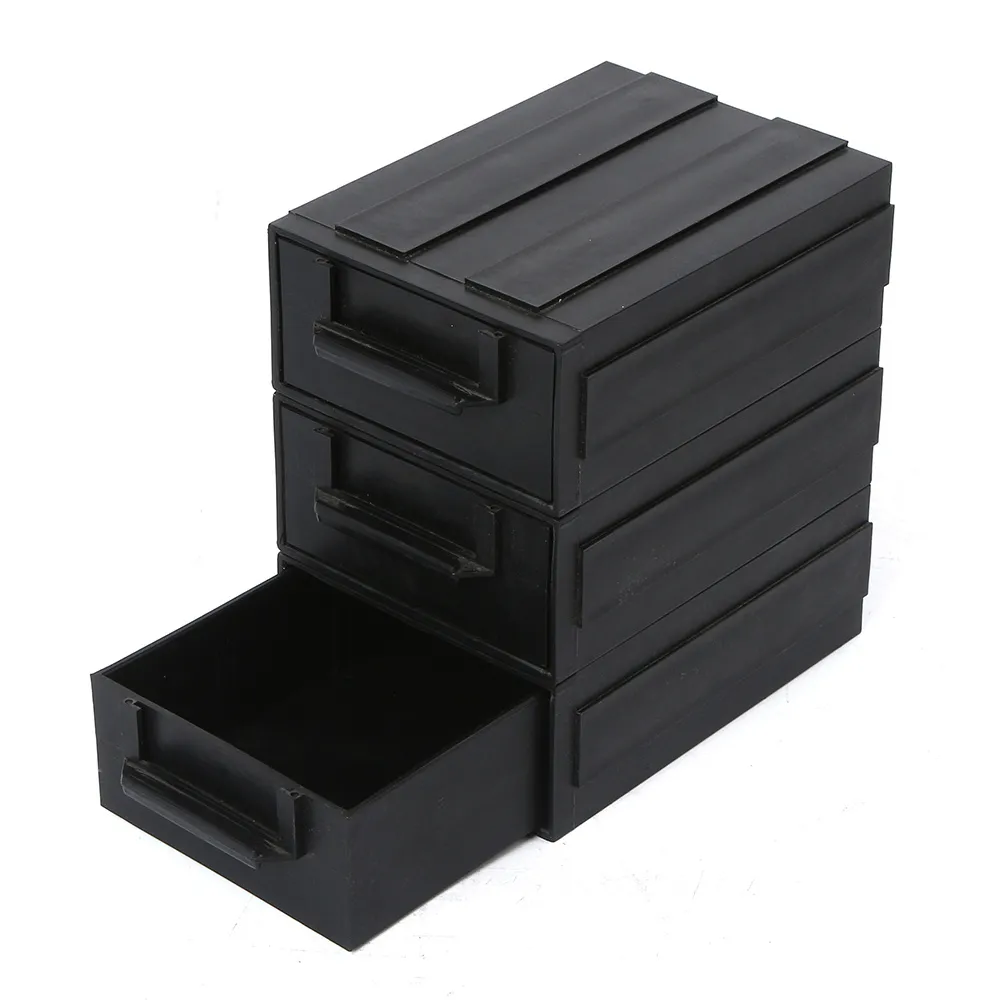
في معظم قطاعات التصنيع، تُستخدم أدوات أو حاويات أو معدات التفريغ الكهروستاتيكي (ESD) للمساعدة في القضاء على الأضرار المحتملة بسبب الكهرباء الساكنة للمكونات الإلكترونية. في العديد من الصناعات التحويلية مثل: الإلكترونيات، والفضاء، والسيارات، والأجهزة الطبية؛ تكون إجراءات التحكم في التفريغ الكهروستاتيكي صارمة للغاية لضمان جودة المنتج والقضاء على الأعطال المكلفة. يمكن أن تشمل منتجات التفريغ الكهروستاتيكي صناديق ESD، وصواني ESD، وصناديق ESD، وعربات ESD هي أمثلة على منتجات ESD. كل منها يخدم أغراضًا مميزة طوال دورة حياة التصنيع أو التخزين أو النقل للمكونات الإلكترونية الحساسة.

فهم معايير ESD للتجميع الإلكتروني
تشمل المعايير التي طورتها منظمات مثل ANSI/ESDA (جمعية التفريغ الكهروستاتيكي) أو IEC (اللجنة الكهروتقنية الدولية) لتقليل المخاطر المرتبطة بالكهرباء الساكنة في بيئة التصنيع ما يلي:
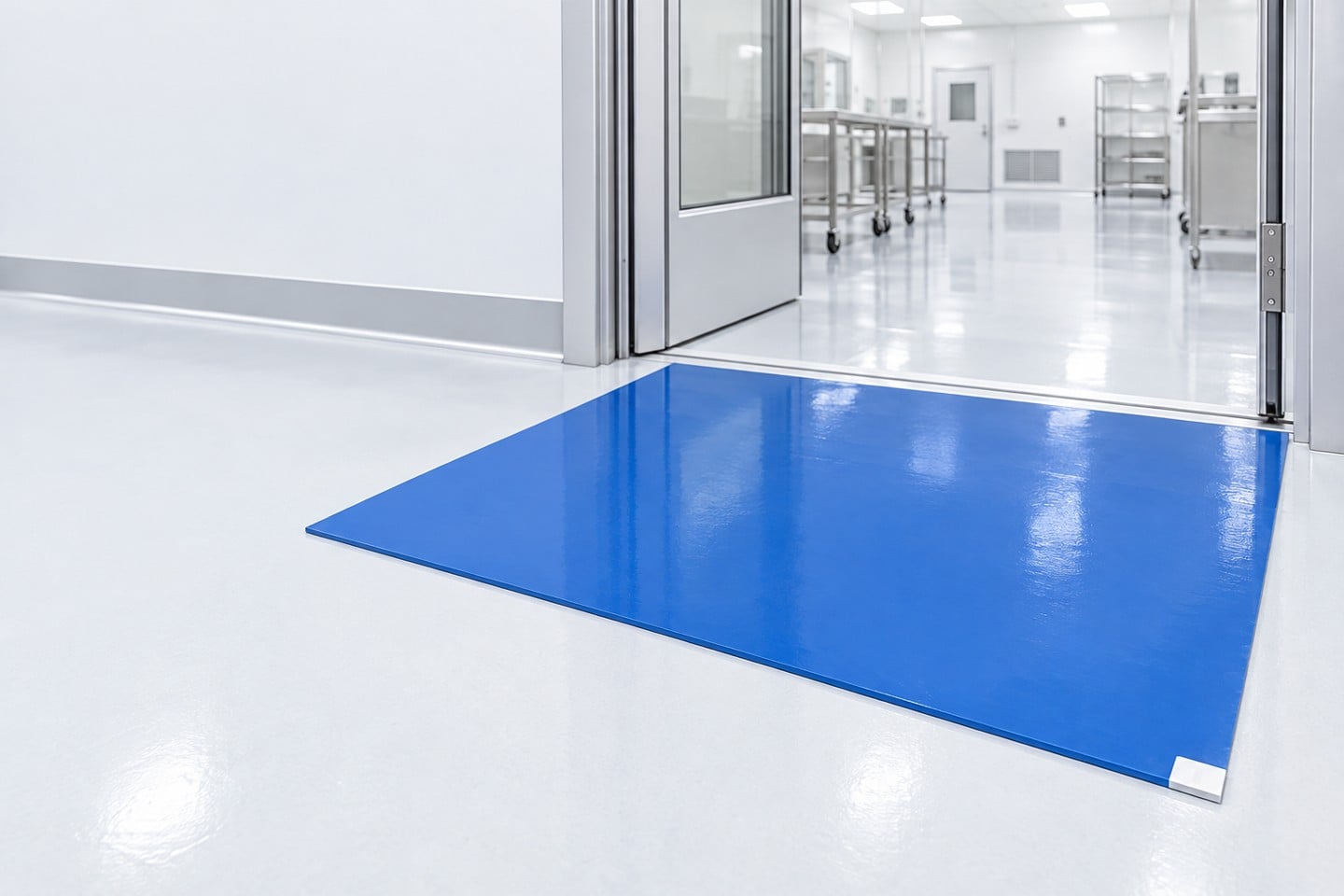
يجب أن تتضمن المصانع الآمنة ضد التفريغ الكهروستاتيكي (EPAs) ضوابط مثل الأرضيات الآمنة ضد التفريغ الكهروستاتيكي وإمكانيات التأريض باستخدام أسطح عمل آمنة ضد التفريغ الكهروستاتيكي.
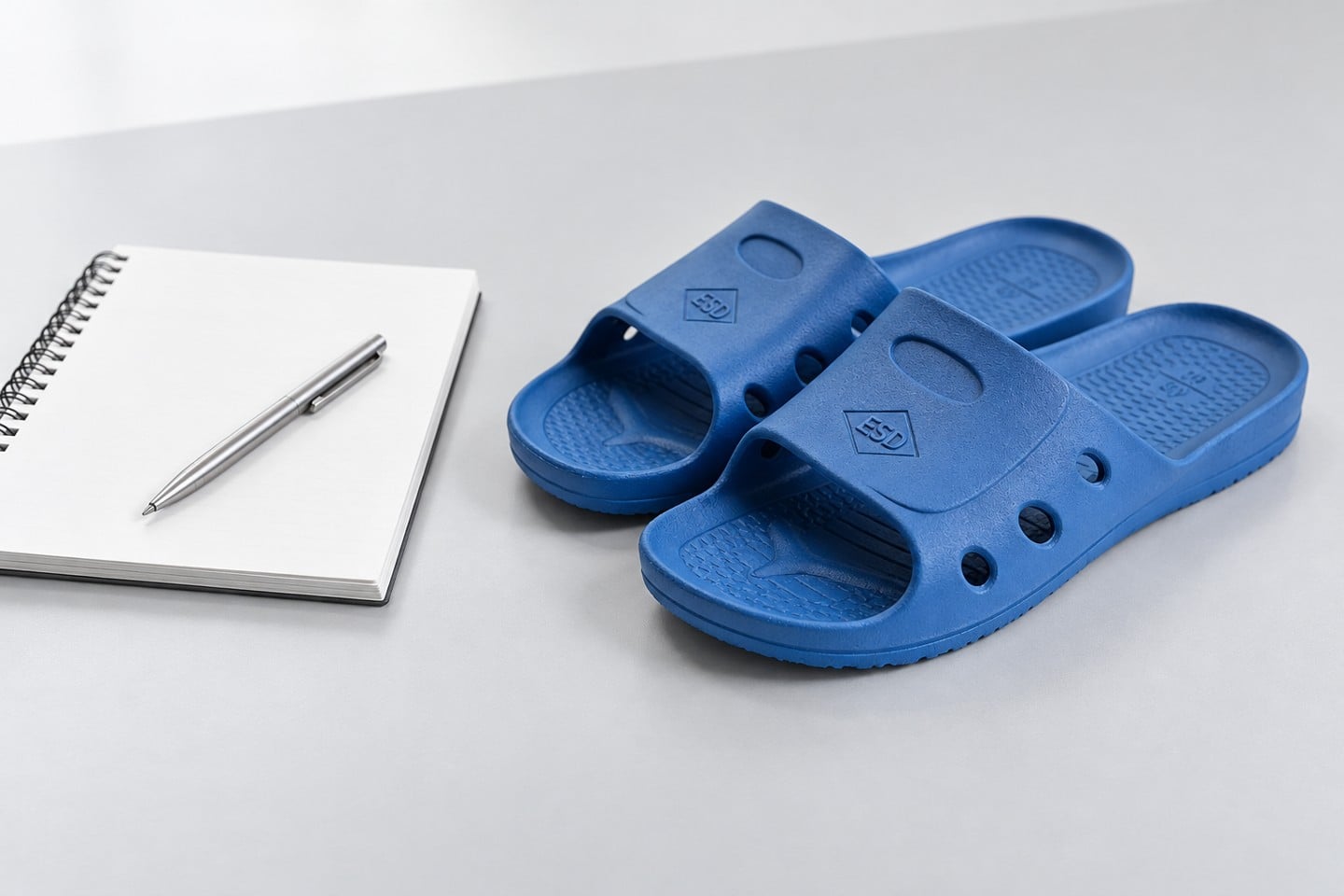
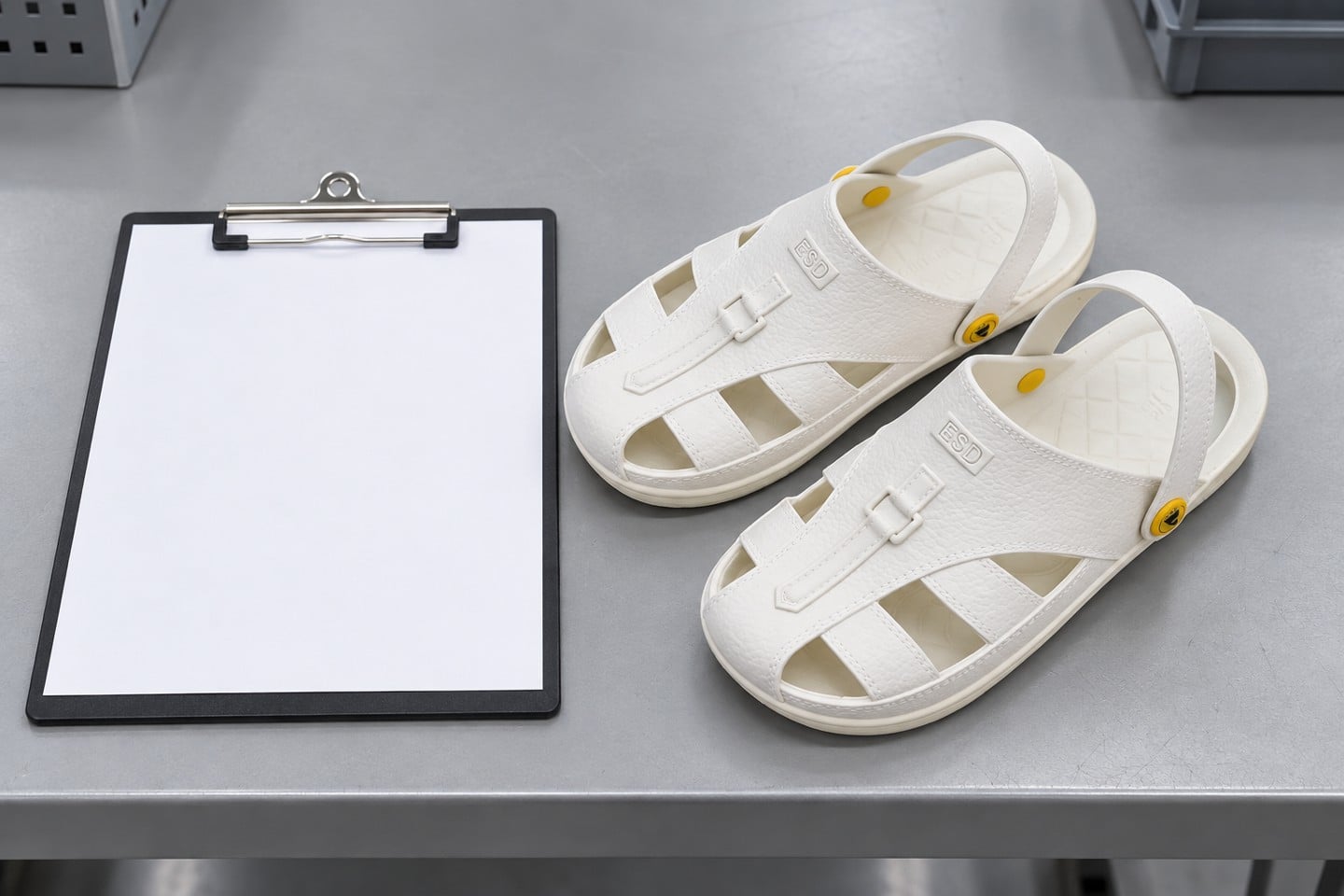
استخدام معدات التأريض الشخصية، مثل الأحذية الآمنة من التفريغ الكهروستاتيكي، والأحزمة المعصمية، وملابس ESD الآمنة الأخرى، إلزامي.
إنشاء نظام يسمح لك بتخزين معداتك بأمان باستخدام صواني وصناديق وعربات ESD، وهي أيضًا معدات ESD مضادة للكهرباء الساكنة.
تدريب الموظفين على ESD لضمان الامتثال للممارسات التشغيلية.
باتباع هذه الإرشادات، يمكن للشركات الحفاظ على جودة منتجاتها؛ وتعزيز موثوقية عملياتها؛ وتقديم خدمة فائقة لضمان رضا العملاء عن تجربتهم مع الشركة.
أنواع منتجات تفريغ الشحنات الكهروستاتيكية الشاملة
هناك أنواع عديدة ومختلفة من منتجات ESD متاحة في السوق. فيما يلي نظرة عامة على أنواع منتجات ESD الأكثر شيوعًا.
أوعية ESD يمكن استخدام مواد موصلة أو قابلة لتبديد الشحنات الساكنة لإنشاء حاويات تمنع تراكم الشحنات الساكنة على المكونات الإلكترونية. الاستخدام السليم للحاويات بشكل صحيح يمنع تلف المكونات أثناء التخزين والنقل والمناولة. وهي تساعد في الحفاظ على سلامة الأجزاء الحساسة عن طريق منع التلف الناتج عن تراكم الكهرباء الساكنة.
2. صواني ESD
تساعدك صواني ESD في الاحتفاظ بالأجزاء وتنظيمها للتجميع. في المصانع الآلية، يتم استخدامها عادةً بسبب خصائصها المضادة للكهرباء الساكنة وقدرتها على التكديس والتوسيم ووضع الباركود عليها.
صناديق ESD بفضل قدرتها على حمل مختلف العناصر بأمان دون بناء أي نوع من الشحنات الساكنة، فإنها رائعة لتخزين منتجات متنوعة في بيئة ذات حجم كبير حيث قد تحتاج إلى تخزين كميات كبيرة من العناصر دفعة واحدة.
رفوف المجلات المانعة للتفريغ الكهروستاتيكي ضرورية لتخزين لوحات الدوائر المطبوعة (PCBs) لأن رفوف المجلات المانعة للتفريغ الكهروستاتيكي هي طريقة فعالة لحماية لوحات الدوائر المطبوعة (PCBs) من التلف أثناء النقل والمناولة عن طريق توفير مكان آمن لتخزينها.
5. عربات التفريغ الكهروستاتيكي
عربات ESD تحتاج المنشآت الصناعية إلى السماح بحركة المكونات داخل المنشأة. أحد المجالات التي تتطلب تنقل المكونات هو داخل منشأة التصنيع حيث قد تحتاج المكونات إلى نقلها إلى محطة عمل أخرى أثناء عمليات التصنيع والحفاظ على السلامة من التفريغ الكهروستاتيكي (ESD).
عوامل يجب مراعاتها عند اختيار منتجات ESD
اختيار الصحيح منتجات ESD يعتمد على عدة عوامل، منها:
نوع التطبيق: تحديد ما إذا كان التطبيق مطلوبًا لحفظ أو حمل أو إدارة العناصر الهشة (أي، هل الحاويات تحمل عناصر هشة).
خصائص المواد: يجب أن تسمح المواد بتوصيل أو قمع تراكم الكهرباء الساكنة لتحييد الشحنة بفعالية.
الامتثال للمعايير: يجب أن تكون جميع المنتجات متوافقة مع المنظمات المعتمدة للصناعة مثل ANSI/ESDA S20.20 أو IEC 61340-5-1.
يمكن للشركات التي تتطلب خدمات OEM/ODM العثور على العديد من المصنعين لتقديم حلول مخصصة.
المتانة وجودة البناء: اختر المنتجات جيدة البناء والمتينة التي تؤدي إلى انخفاض التكلفة الإجمالية للملكية وتوفر لك الاعتمادية المستمرة.
فوائد الشراكة مع سانواي لحلول التفريغ الكهروستاتيكي
منذ عام 1988، أصبحت سانوي مصدرًا موثوقًا للمنتجات المبتكرة المضادة للكهرباء الساكنة في صناعة ESD، وقد طورت سمعة قوية كشركة عالية التقنية جديرة بالثقة. فهي تصنع مجموعة متنوعة من منتجات ESD مثل حاويات ESD وأدراج ESD وعربات ESD، وما إلى ذلك، وذلك عن طريق OEM/ODM حسب طلب العميل. بالإضافة إلى تقديم المنتجات، تسعى سانوي جاهدة لتحسين خط إنتاجها باستمرار وتزويد العملاء بالتدريب الفني والخدمات الهندسية لمساعدتهم في إنشاء نظام تحكم فعال لـ ESD.
أسئلة متكررة
ما هو الغرض من منتجات ESD؟
تعمل خطوط منتجات ESD على تقليل مخاطر تلف المكونات الكهربائية الناجم عن التفريغ الكهروستاتيكي داخل مكان العمل. كما تساعد هذه المنتجات الشركات على تجنب الإصلاحات المكلفة، وضمان جودة المنتجات المتسقة، والحفاظ على الامتثال التنظيمي.
مكونات المنطقة المحمية من التفريغ الكهروستاتيكي (EPA) الرئيسية هي:
قد تحتوي منطقة حماية التفريغ الكهروستاتيكي (EPA) على مواد مثل أسطح العمل المضادة للكهرباء الساكنة، والأرضيات المؤرضة أو حصائر الأرضيات، وأجهزة إزالة الرطوبة، وحصائر الحماية من التفريغ الكهروستاتيكي، والأثاث الآمن للتفريغ الكهروستاتيكي، بالإضافة إلى معدات التأريض الشخصية للتفريغ الكهروستاتيكي مثل أحزمة المعصم والأحذية المضادة للكهرباء الساكنة.
ما هي المواد الشائعة المستخدمة في صنع المنتجات المتوافقة مع تفريغ الشحنات الكهروستاتيكية؟
تساعد المواد مثل البلاستيك المشبع بالكربون (موصل) أو بعض البوليمرات المعالجة بمركبات في إنشاء منتجات ESD عن طريق تقليل تراكم الكهرباء الساكنة.
هل يمكن تخصيص صواني وصناديق ESD؟
تقدم العديد من الشركات المصنعة، بما في ذلك Sanwei، خيار OEM/ODM لتصنيع منتجات ESD المصممة خصيصًا لتلبية متطلبات شركتك الفردية، مما يجعلها مناسبة تمامًا لخط التجميع الخاص بك أو متطلبات التخزين.
كم مرة يجب فحص معدات ESD؟
وفقًا لمعايير الصناعة القياسية، يجب فحص المعدات الكهربائية بانتظام للتأكد من البلى والتلف وأي أضرار أخرى. ستساعد الفحوصات المنتظمة في ضمان أن معداتك لا تزال قادرة على الحماية ضد التفريغ الكهروستاتيكي، وتجنب التسبب في خطر تعطل النظام بسبب فشل المعدات المتدهورة.
هل المنتجات المضادة للكهرباء الساكنة مناسبة لجميع البيئات؟
أي بيئة تفي بهذه المتطلبات ستحتاج إلى الحفاظ على الظروف المناسبة لضمان عمل منتجات ESD بشكل صحيح. ومع ذلك، لن يكون لديك بيئة خاضعة للرقابة بشكل صحيح ما لم يكن لديك منشأة شاملة آمنة تجاه التفريغ الكهروستاتيكي.
ما الفرق بين المواد المضادة للكهرباء الساكنة، والمواد الموصلة، والمواد المشتتة للكهرباء الساكنة؟
يمكن تقليل تراكم الكهرباء الساكنة عن طريق استخدام مواد مضادة للكهرباء الساكنة، والتي تتميز عمومًا بدرجة أعلى من المقاومة الكهربائية مقارنة بالمواد الموصلة. تسمح المواد الموصلة بتدفق الكهرباء بحرية، مما يؤدي إلى تفريغ سريع للكهرباء الساكنة. توفر المواد المتبددة للكهرباء الساكنة وسيطًا بين المواد المضادة للكهرباء الساكنة والمواد الموصلة، مما يسمح بتفريغ متحكم فيه للكهرباء الساكنة بمعدل أقل من المواد الموصلة.
هل يمكن إعادة استخدام منتجات ESD؟
صواني وصناديق ESD، كمثال لمنتج ESD، يمكن توقع أن تتمتع بمتانة طويلة الأمد. لكي تتمتع هذه المنتجات بالقدرة المستمرة على العمل بشكل صحيح وتدوم لفترة طويلة، فهي تتطلب صيانة وقائية روتينية.
يجب على جميع الشركات التي تتعامل مع المكونات الإلكترونية الحساسة أن تأخذ في الاعتبار مسألة التفريغ الكهروستاتيكي (ESD). يجب أن يكون لديها خطة قوية للحماية من التفريغ الكهروستاتيكي لتقليل المخاطر وضمان منتجات موثوقة تجارياً. باتباع معايير ESD المعمول بها للتجميع الإلكتروني، يجب على الشركات استخدام منتجات ESD عالية الجودة مثل الصواني المضادة للتفريغ الكهربائي، والصناديق المضادة للتفريغ الكهربائي، والعربات المضادة للتفريغ الكهربائي، وما إلى ذلك. الشركات مثل سانوي لديه سنوات من الخبرة في صنع حلول مضادة للكهرباء الساكنة وتقديم حلول OEM/ODM، حتى يتمكنوا من مساعدة الشركات على تطبيق تحكم ممتاز في التفريغ الكهروستاتيكي.
أحدث مشاركة
-
 ESD Slippers vs ESD Safety Shoes for Electronics Factories16 أكتوبر,2026
 -
 ESD Shoe Sole Resistance: Test Methods and Acceptance Limits15 أكتوبر,2026
 -
 How to Verify Cleanroom Sticky Mat Contamination Removal15 أكتوبر,2026
اترك ردًا