- wp_kexun
- مدونة
عندما أعرض مدير الامتثال في براغ على مدقق حسابات خزانة مليئة بمنتجات التفريغ الكهروستاتيكي (ESD) المعتمدة، توقف التدقيق مع ذلك. كانت سجلات التدريب غير مكتملة، ولم تكن خطة التحقق تحدد فترات الاختبار، ولم يكن عربة خط الانتاج تحتوي على مسار تأريض محدد. لم تكن المشكلة في غياب لوازم التفريغ الكهروستاتيكي؛ بل كانت في غياب برنامج تحكم فعال.
ملخص: معيارا ANSI/ESD S20.20 و IEC 61340-5-1 هما معياران لبرامج حماية العناصر الحساسة للكهرباء الساكنة. يحتاج خط تكنولوجيا التثبيت السطحي (SMT) إلى خطת تحكم موثقة، ومتطلبات تقنية، وتدريب، وتأريض، ومناطق محمية، وتعبئة وتغليف، والتحقق من الامتثال. تدعم شهادات المنتجات النظام، ولكن المسؤولية، والأساليب، والسجلات، والإجراءات التصحيحية تجعل النظام قابلاً للتدقيق.
ما يتطلبه معيار ANSI/ESD S20.20 من مؤسسات تقنية التركيب السطحي (SMT)
يتطلب معيار (ANSI/ESD S20.20) من أي مؤسسة إنشاء، وتوثيق، وتنفيذ، والحفاظ على، والتحقق من برنامج للسيطرة على التفريغ الكهروستاتيكي (ESD). يحدد هذا البرنامج العناصر الحساسة للتفريغ الكهروستاتيكي (ESDS)، ويحدد المسؤوليات، ويعرف الضوابط التقنية، ويدرب الأفراد، ويحافظ على أدلة الامتثال.
لخط تقنية التثبيت السطحي (SMT)، الذي يمتد من الواردات جهاز مثبت على السطح التعبئة والتغليف من خلال التجميع، الطباعة، الوضع، إعادة التدفق، الفحص، إعادة العمل، التخزين، والشحن. يجب أن يكون حدود المنطقة المحمية وكل عملية تسليم للمواد واضحة.
كيف يتوافق معيار IEC 61340-5-1 مع سلاسل الإمداد العالمية
توفر المواصفات القياسية الدولية IEC 61340-5-1 إطاراً معترفاً به دولياً لحماية الأجهزة الإلكترونية من الظواهر الكهروستاتيكية. وغالباً ما يشير إليها المشترون متعددو الجنسيات لكي تتبادل المنشآت في مختلف البلدان مبادئ تحكم متقاربة، مع الحفاظ على ملاءمة إجراءات الموقع للمعدات المحلية والمخاطر.
قد يتماشى المورد مع متطلبات كل من IEC و ANSI/ESD. يجب على المشتري مقارنة النطاق، والمراجعة، والاستثناءات، وسجلات التحقق الفعلية بدلاً من افتراض أن وجود شعارين يعني تطابق التنفيذ.
ما هي العناصر التقنية التي تهم في خط التجميع السطحي (SMT)
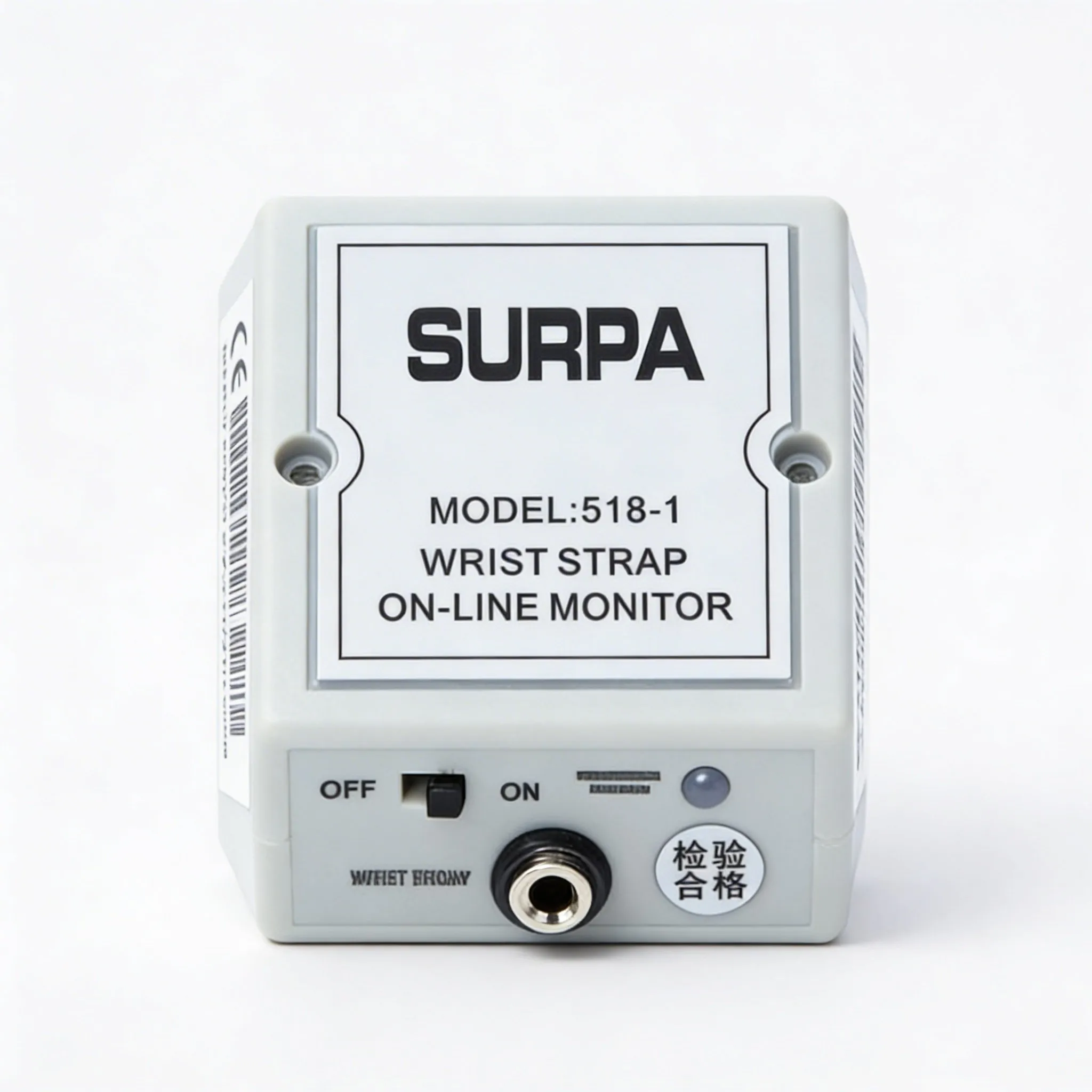
تشمل العناصر النموذجية تأريض الأفراد، وأسطح العمل والأرضيات الخاصة بمنطقة حماية تفريغ Electrostatic Discharge (EPA)، والتأين في الأماكن التي لا يمكن فيها تأريض الموصلات، والتعامل والتعبئة والتغليف، وضع العلامات، وتأريض المعدات، والتحقق. يجب أن يحدد الموقع الحدود والطريقة الخاصة بالعناصر التي يستخدمها.
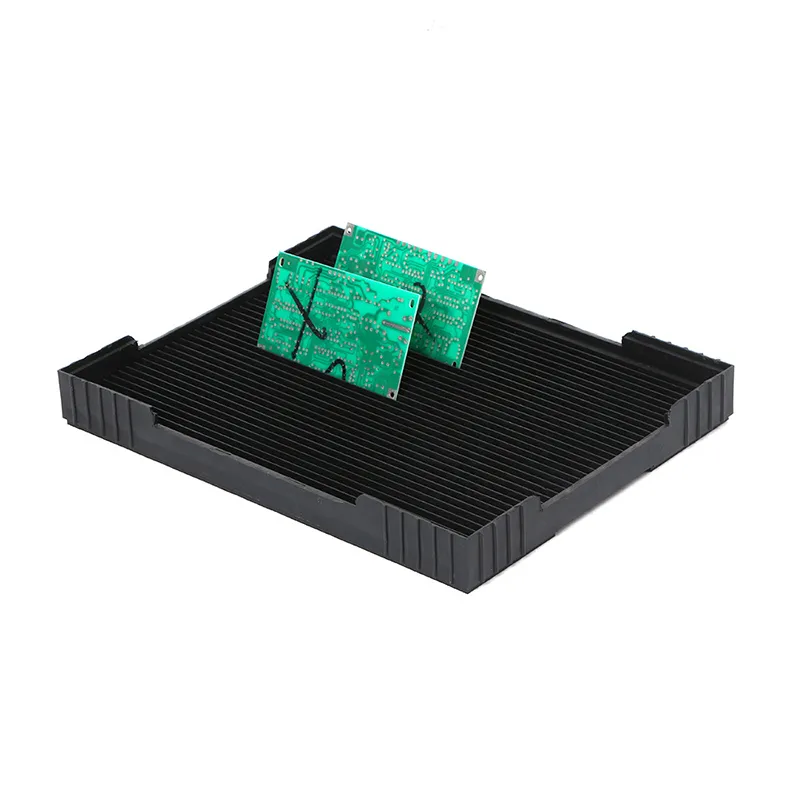
ال مستلزمات SMT متوافقة مع ESD ترتبط القوائم بهذا الإطار: تتحكم الحصائر والأحزمة في الأشخاص ومحطات العمل؛ وتتحكم الصناديق، والأطباق، والرفوف، والعربات في المناولة؛; أشرطة تفريغ الكهروستاتيكية دعم استخدامات العلامات أو التعبئة والتغليف المحددة؛; مناديل مضادة للتفريغ الإلكتروني و مناديل مسح استنسل تقنية التثبيت السطحي (SMT) يجب أن يظل متوافقاً مع كل من متطلبات النظافة والتحكم في التفريغ الكهروستاتيكي.
ما يتوقع المراجعون رؤيته
عادةً ما يتابع المُدقق الأدلة من المتطلبات إلى التنفيذ: فالخطة تُسمي ضابطاً، والإجراء يُمسي طريقة وفترة زمنية، والسجل يظهر نتيجة، ويشرح نظام الإجراءات التصحيحية الإخفاقات. وتُعدّ الشهادة التي تخلو من هذه السلسلة غير مكتملة.
تشمل السجلات المفيدة حالة التدريب، ومعايرة الأجهزة، والفحوصات اليومية أو المستمرة للأفراد، ونتائج أسطح العمل، والتحقق من المؤين، وتأهيل التغليف، وإشعارات تغيير الموردين، وإغلاق حالات عدم المطابقة. يجب أن تتطابق فترة الاحتفاظ بالسجلات مع متطلبات العملاء، واللوائح التنظيمية، ونظام الجودة الداخلي بحيث تظل الأدلة التاريخية متاحة أثناء التحقيقات.
ما يجب أن يوثقه برنامج التحكم في التفريغ الكهرواستاتيكي (ESD) لتقنية التثبيت السطحي (SMT)
| عنصر البرنامج | الأدلة المطلوبة | فجوة تدقيق شائعة |
|---|---|---|
| الخطة والملكية | خطة معتمدة للتحكم في التفريغ الكهروستاتيكي وتعيين منسق | سياسة عامة بدون مخطط سير العمل |
| تدريب | محتوى قائم على الأدوار، إكمال، قاعدة التحديث | حضور بدون كفاءة |
| الضوابط الفنية | الحدود، الطرق، سجلات التركيب | المنتجات المختارة بناءً على ملصقات “آمنة ضد التفريغ الكهروستاتيكي” فقط |
| التحقق من الامتثال | الجدول الزمني، الأدوات المعايرة، النتائج، الإجراءات | اختبارات أُجريت بلا منهج أو حد |
| التحكم في الموردين | المواصفات وإشعار التغيير | استبدالات المواد الصامتة |
ضوابط التفريغ الكهروستاتيكي عبر تدفق إنتاج تقنية التركيب السطحي (SMT)
| مرحلة تقنية التجميع السطحي | سؤال التحكم الأساسي في التفريغ الكهروستاتيكي | دليل |
|---|---|---|
| الوارد / التجميع | هل يتم الحفاظ على التغليف الواقي حتى تسليم وكالة حماية البيئة (EPA)؟ | إجراءات الاستلام والتفريغ |
| الطباعة والتوضع | هل يتم التحكم في الأفراد والأدوات والمواد الاستهلاكية؟ | العمليات اليومية وقائمة التوريدات المعتمدة |
| فحص/إعادة عمل | هل تم التحقق من التوصيل الأرضي والتأين؟ | سجلات محطة العمل والمؤين |
| التخزين/الشحن | هل يتم الحفاظ على الحماية بعد التجميع؟ | تأهيل التعبئة والتغليف والملصقات |
كيف تعمل معيارا ANSI/ESD S20.20 و IEC 61340 معاً
تُعد المواصفات ANSI/ESD S20.20 و IEC 61340-5-1 المرجعين الأساسيين للبرنامج لهذه المجموعة. وتحدد طرق ANSI/ESD STM و IEC 61340 الداعمة اختبارات لعناصر تحكم معينة. تتناول وثائق IPC جودة صنعة التجميع والتداول، بينما تدعم ISO 9001 مراقبة الوثائق، وإدارة الموردين، والإجراءات التصحيحية. يجب أن يحدد العقد المراجعات الدقيقة والمتطلبات الخاصة بالعميل.
كيفية تجهيز خط تقنية التركيب السطحي (SMT) لتدقيق التفريغ الكهروستاتيكي (ESD)
- تحديد النطاق من الاستلام وحتى الشحن.
- تعيين منسق واحد مسؤول عن التفريغ الإلكتروستاتيكي (ESD) ومالكي العمليات المحليين.
- حول كل متطلب إلى دريقة، وحد، وفترة، وسجل.
- التحكم في المواد المستهلكة ومعدات المناولة من خلال المواصفات المعتمدة.
- راجع مسار المواد، وليس فقط محطة العمل.
توفر سانوي (Sanwei) مواد مضادة للكهرباء الساكنة (ESD) ومنتجات مناولة، مع شهادات آيزو 9001 (ISO 9001)، وآيزو 14001:2015 (ISO 14001:2015)، وتوثيق توجيه تقييد المواد الخطرة (RoHS/SGS)، ودعم للبرامج المتوافقة مع المعيارين (IEC 61340-5-1) و(ANSI/ESD S20.20).
أسئلة متكررة
معيار ANSI/ESD S20.20 هو المواصفة القياسية لتطوير برنامج مراقبة تفريغ الشحنات الكهربائية الساكنة (ESD) لحماية الأجزاء والتجمعات والأجهزة الكهربائية والإلكترونية الحساسة.
إنه معيار لإنشاء برنامج التحكم في التفريغ الكهروستاتيكي الذي يحمي الأجزاء أو التجمعات أو المعدات الكهربائية أو الإلكترونية من التلف الناجم عن التفريغ الكهروستاتيكي.
المعيار الدولي IEC 61340-5-1 هو المواصفة القياسية العالمية لحماية الأجهزة الإلكترونية من التفريغ الكهروستاتيكي (ESD).
هو الإطار المعياري الدولي لحماية الأجهزة الإلكترونية من الظواهر الكهروستاتيكية من خلال برنامج تحكم مُدار.
هل معيارا ANSI/ESD S20.20 و IEC 61340-5-1 متطابقان؟
وهي تتناول أهداف برنامج مترابطة ارتباطاً وثيقاً، ولكن ينبغي للمنظمات مراجعة التعديلات الدقيقة والمصطلحات والحدود ومتطلبات العملاء بدلاً من التعامل معها على أنها متطابقة.
هل تجعل الشهادة كل منتج متوافقاً مع التفريغ الكهروستاتيكي (ESD)؟
لا. تعتمد ملاءمة المنتج على الاستخدام المقصود، والمواصفات، والتركيب، والتحقق ضمن برنامج التحكم الخاص بالمنظمة.
ما هي السجلات المطلوبة لتدقيق الحماية من التفريغ الكهروستاتيكي (ESD) في خطوط تقنية التجميع السطحي (SMT)؟
تشمل السجلات النموذجية خطة التحكم، والتدريب، معايرة المعدات، اختبارات الأفراد ومحطات العمل، مؤهلات التعبئة والتغليف، ضوابط الموردين، والإجراءات التصحيحية.
المراجع
الفرق ليس مجرد ملصق منتج، بل هو في القرارات القابلة للاختبار التي تبقي كل عملية تسليم ضمن خطة التحكم. تقوم شركة سانوي بتصنيع منتجات الحماية من التفريغ الكهروستاتيكي (ESD) وحلول مناولة المواد لتلك اللحظة؛; تواصل مع فريق سانوي لمراجعة الطلب والأدلة والمتطلبات المخصصة.
أحدث مشاركة
-
 ESD Slippers vs ESD Safety Shoes for Electronics Factories16 أكتوبر,2026
 -
 ESD Shoe Sole Resistance: Test Methods and Acceptance Limits15 أكتوبر,2026
 -
 How to Verify Cleanroom Sticky Mat Contamination Removal15 أكتوبر,2026
اترك ردًا