- توربو
- مدونة
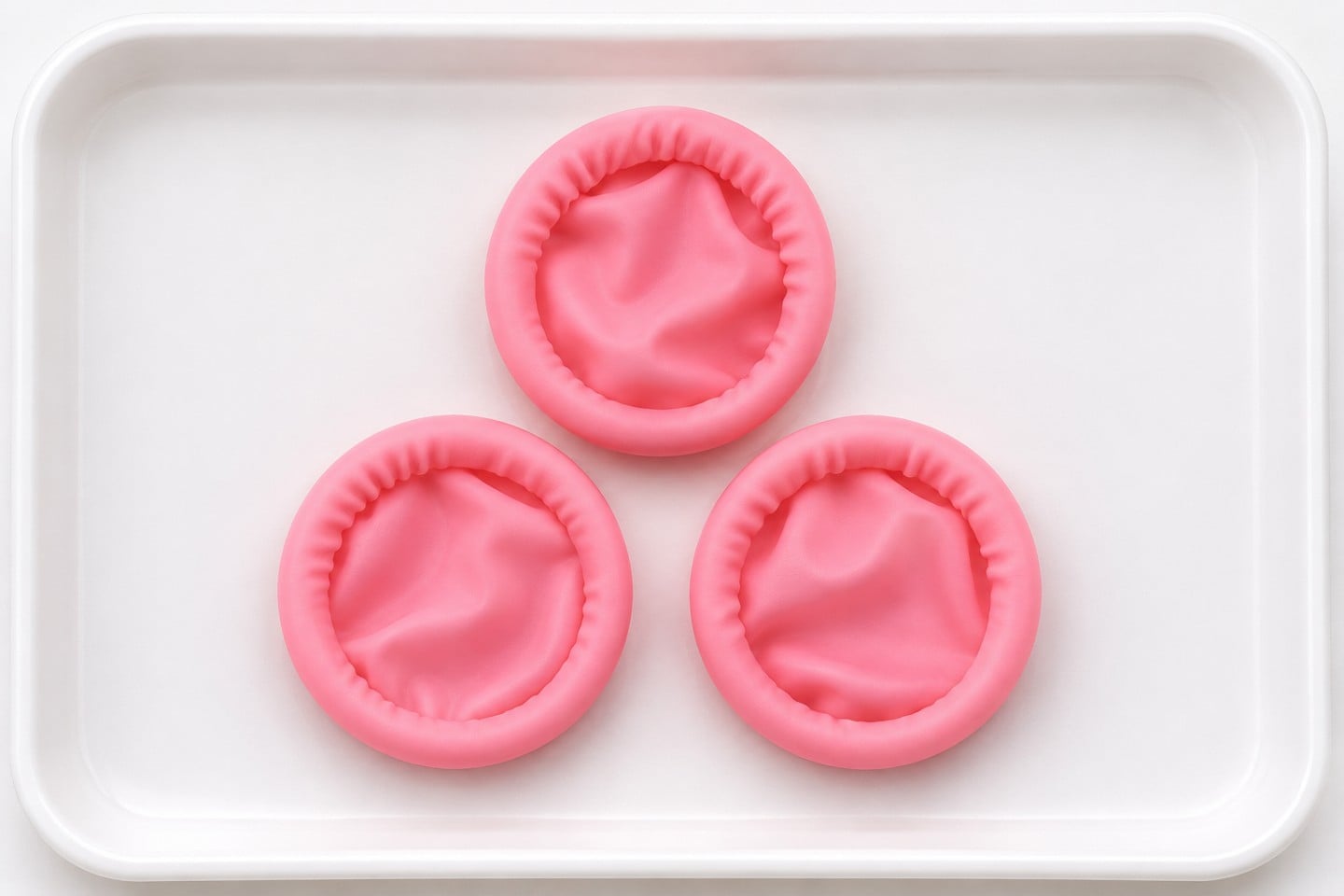
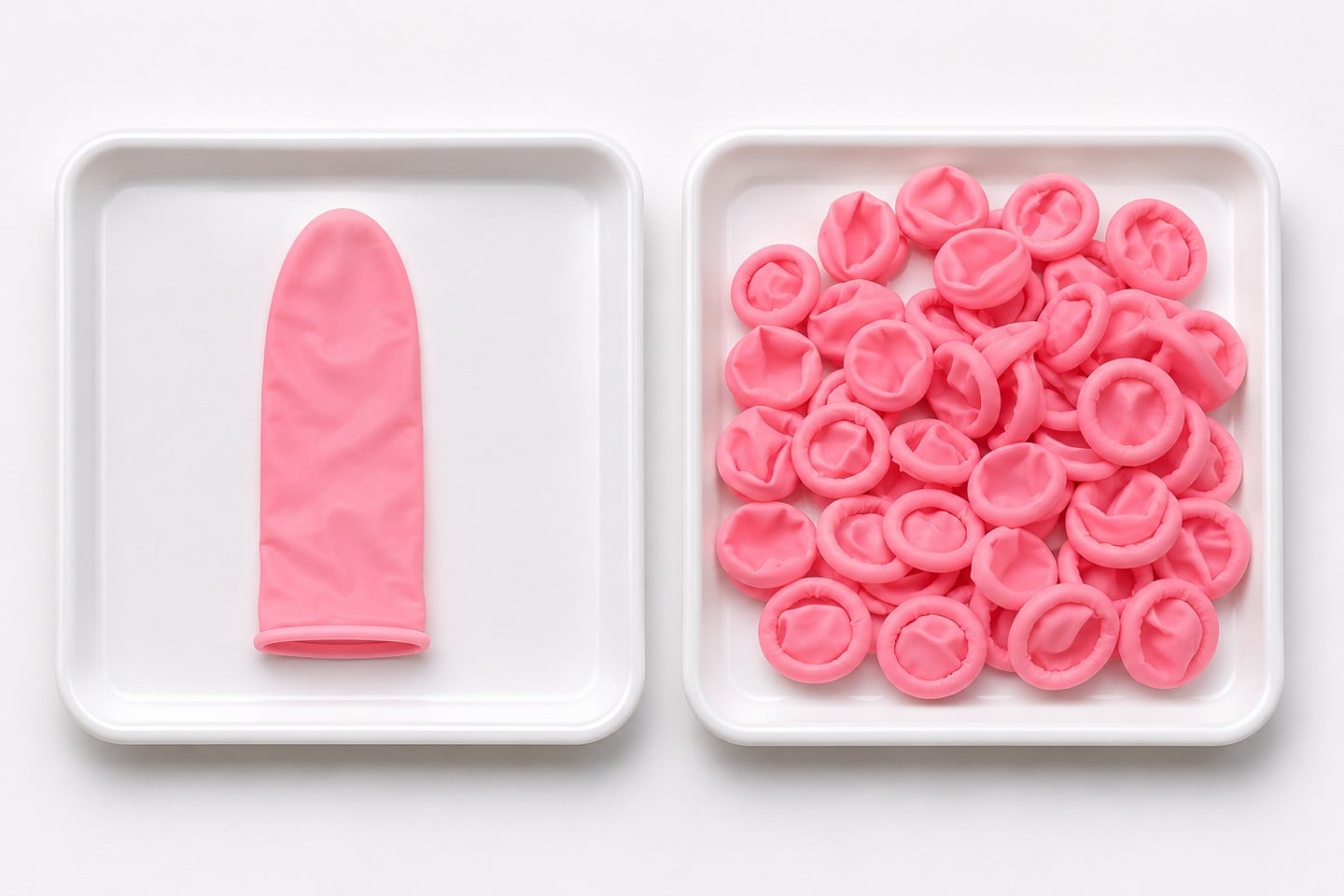
A finger cot tear during electronics handling calls for a controlled pause, replacement of the damaged cot, and a review of what the exposed finger or loose material could have contacted. Simply putting on another cot leaves the affected work question unanswered. Establish the last known acceptable condition, identify the items handled since then, and let the responsible quality or process owner decide whether inspection, cleaning, or a hold is needed. This guide proposes an incident workflow for production teams; it does not assign a universal rejection rule or claim that every tear causes product damage.
The workflow applies when fingertip protection is already approved for the task. If the process requires gloves, chemical protection, or a different coverage arrangement, follow that instruction. A finger cot is not a substitute for required personal protective equipment or personnel grounding. SWESD offers ESD disposable finger cots; the actual delivered specification and your approved process determine whether a particular supply is suitable.
Pause before the next product contact
When a tear is noticed, stop the handling motion without making a new contact with critical surfaces. Place the work only in its designated safe position, following the station instruction. Do not improvise by holding a component with another uncovered finger or passing it to a colleague who does not know why the task stopped. The first useful action is to prevent the uncertain contact history from growing.
Notify the station owner or supervisor through the normal exception route. Describe the observation plainly: which finger, where the tear appears, whether any fragment is missing, and what operation was underway. Avoid describing the entire lot as contaminated before an assessment has been made. Equally, do not write “no impact” solely because the cot was quickly replaced. Both conclusions need more evidence than the replacement action itself provides.
Replace the damaged cot under the approved method
The IEC-authored semiconductor die handling guidance includes replacement of torn or damaged finger cots and advises against reuse. That document addresses a specific handling context; use it as background rather than declaring its entire procedure mandatory for every factory. Local instructions should specify the removal, disposal, hand preparation, and replacement sequence for the actual operation.
Keep the suspect cot separate if your investigation procedure requires examination. Do not place it back among unused supplies or leave it beside exposed work. If a fragment may be missing, preserve the remaining material without stretching the tear to make it easier to photograph. A photograph before additional handling can be more useful than a sample whose damage has been enlarged during inspection. Use approved collection materials and identify the event on the container rather than writing directly on the cot.
Reconstruct the affected work window
Start with the last meaningful check, not automatically the beginning of the shift. Ask when the cot was last observed intact, what items were handled afterward, and whether the operation allows those items to be identified. The answer may involve a tray position, carrier identity, process timestamp, or batch traveler. Record the uncertainty when there was no documented check; do not invent a precise failure time from a rough memory.
Distinguish contact from proximity. A finger close to a product is not proof of contact, while a fixture touched after the tear may become relevant even if the product itself was not handled directly. Map the likely sequence: finger to fixture, fixture to product, or fragment to a receiving tray. This contact map helps the responsible owner target the review without turning an isolated observation into an unsupported claim about all nearby material.
For a station with serial tracking, preserve the actual identifiers and their sequence. For an untracked tray, identify the tray and its current contents before anyone rearranges it. If mixed material prevents a narrower boundary, explain that limitation and request a disposition decision. Traceability should describe what the team knows, what it cannot establish, and which items remain controlled while that question is resolved.
Use a short incident decision record
| Record field | Capture at the station | Decision it supports |
|---|---|---|
| Observed damage | Finger, tear location and missing material | Separate contact and fragment questions |
| Last known check | Actual observation or documented uncertainty | Define the review window |
| Affected work | Tray, item or process identifiers | Keep uncertain work traceable |
| إجراء فوري | Pause, replacement and containment performed | Confirm station condition |
| التصرف | Named owner, evidence and permitted action | Separate release from cot replacement |
This table is a proposed administrative aid, not a sampling plan or acceptance standard. The quality owner should define who can release the work and which evidence is necessary for the particular contamination risk. A simple record completed at the station is usually more reliable than a detailed form reconstructed after everyone has resumed production.
Keep the cot event separate from unrelated incoming-supply defects. A tear at a sharp handling point could require a process review; repeated tearing in unopened samples could require supplier investigation. Neither pattern establishes the cause on its own. Preserve the relevant material, operation details, and observations so that the investigation can distinguish these possibilities instead of assigning blame from appearance.
Assess contact and fragments separately
An exposed fingertip raises a contact-transfer question. A detached piece raises a foreign-material question. These can coexist, but their evidence differs. For contact transfer, record the surface and handling sequence. For a missing fragment, record the observed cot condition, nearby receiving areas, and the controlled search method authorized by the process owner. Do not claim that finding one piece proves that no smaller material remains.
Do not use compressed air, informal solvent wiping, or repeated trial handling to make the work look acceptable. Such actions can move material, remove useful evidence, or introduce another unqualified process. Obtain the approved inspection or cleaning instruction first. If evaluation needs laboratory support, retain a representative sample and its identity rather than substituting a photograph for all physical evidence.
ال IEST glove and finger cot evaluation overview treats physical integrity, contamination-related properties, and static behavior as separate evaluation subjects. This supports keeping distinct questions distinct. It does not provide a universal production release rule, establish the performance of a SWESD cot, or authorize a particular rework method.
cURL Too many subrequests by single Worker invocation. To configure this limit, refer to https://developers.cloudflare.com/workers/wrangler/configuration/#limits
cURL Too many subrequests by single Worker invocation. To configure this limit, refer to https://developers.cloudflare.com/workers/wrangler/configuration/#limits.
cURL Too many subrequests by single Worker invocation. To configure this limit, refer to https://developers.cloudflare.com/workers/wrangler/configuration/#limits cURL Too many subrequests by single Worker invocation. To configure this limit, refer to https://developers.cloudflare.com/workers/wrangler/configuration/#limits cURL Too many subrequests by single Worker invocation. To configure this limit, refer to https://developers.cloudflare.com/workers/wrangler/configuration/#limits.
cURL Too many subrequests by single Worker invocation. To configure this limit, refer to https://developers.cloudflare.com/workers/wrangler/configuration/#limits.
cURL Too many subrequests by single Worker invocation. To configure this limit, refer to https://developers.cloudflare.com/workers/wrangler/configuration/#limits
cURL Too many subrequests by single Worker invocation. To configure this limit, refer to https://developers.cloudflare.com/workers/wrangler/configuration/#limits.
Before restarting, check the approved coverage and contact sequence, required personnel grounding, tool condition, and the status of the work that will next enter the station. Use the established finger cot donning sequence for application details. If the exception led to a revised instruction, ensure the operator receives the approved revision rather than an informal verbal workaround.
For purchasing, send a focused supplier query with the product identity, lot where available, photographs, use conditions, and the observed failure location. Ask for the relevant specification or investigation response without demanding unsupported certification. The دليل أغطية الأصابع مقابل القفازات can help if the broader coverage choice needs reconsideration. It should not be used to justify changing a released process without review.
Train the handoff as well as the replacement
A short training exercise can test whether an operator knows where to place work, whom to notify, and how to identify the affected tray. Use simulated material and an obvious sample defect. The aim is to verify the response sequence, not to create an artificial tear-rate test. Observe whether the person avoids new contact, preserves identity, and distinguishes replacement from release.
Keep the resulting improvement practical. If staff cannot identify the last checked tray, improve the checkpoint or traveler. If the collection location is unclear, fix the station instruction. If the cot repeatedly fails at an identified feature, arrange the appropriate engineering and supply review. Choose the action that addresses the observed failure route, then check whether that action actually changes the event pattern.
الخبرة التعليمية
The following EOS/ESD Association educational material provides general electrostatic-control context. It is not a finger cot tear investigation procedure and does not certify any illustrated material. Continue to use the site ESD program throughout an interruption and restart.

الأسئلة الشائعة
Does replacing a torn cot release affected work?
No. Replacement and affected-work disposition are separate decisions.
Should an operator estimate an exact tear time?
No. Record the last meaningful check and any uncertainty instead of inventing precision.
Can the damaged cot be returned to unused stock?
No. Keep it separate for disposal or approved investigation.
Does every tear prove product contamination?
No. Assess the actual contact and fragment evidence under the approved process.
Who authorizes the restart?
Use the site procedure to identify the responsible station and quality decision owners.
أحدث مشاركة
-
-
 ESD Waste Bin Identification: Labels, Locations and Changes17 نوفمبر,2026
-
 ESD Foam Cut Edge Inspection: Check Debris Before Loading17 نوفمبر,2026
اترك ردًا