- مدونة
تتحمل رفوف المجلات المضادة للاتصال الإلكتروستاتيكي ذات درجات الحرارة العالية لوحات الدوائر المطبوعة في المخازن المؤقتة الدافئة بعد عملية اللحام بإعادة التدفق، ولكن يجب أن تتوافق فئة الحرارة مع وقت المكوث ودرجة حرارة اللوحة القصوى، وليس مع التسميات التسويقية مثل “مقاوم للحرارة”.”
هذا الدليل مخصص لمهندسي عمليات تقنية التثبيت السطحي (SMT)، ومنسقي الحماية من التفريغ الكهروستاتيكي (ESD)، ومشتري خدمات التصنيع الإلكتروني (EMS) الذين يحددون رفوف مجلات ESD بالقرب من مخارج التدفق المعاد. للتخزين المؤقت العام، راجع دليل تخزين رفوف المجلات المضادة للكهرباء الساكنة. لصلابة صفيحة القاعدة، انظر إلى مقارنة بين القاعدة المعدنية والقاعدة البلاستيكية.
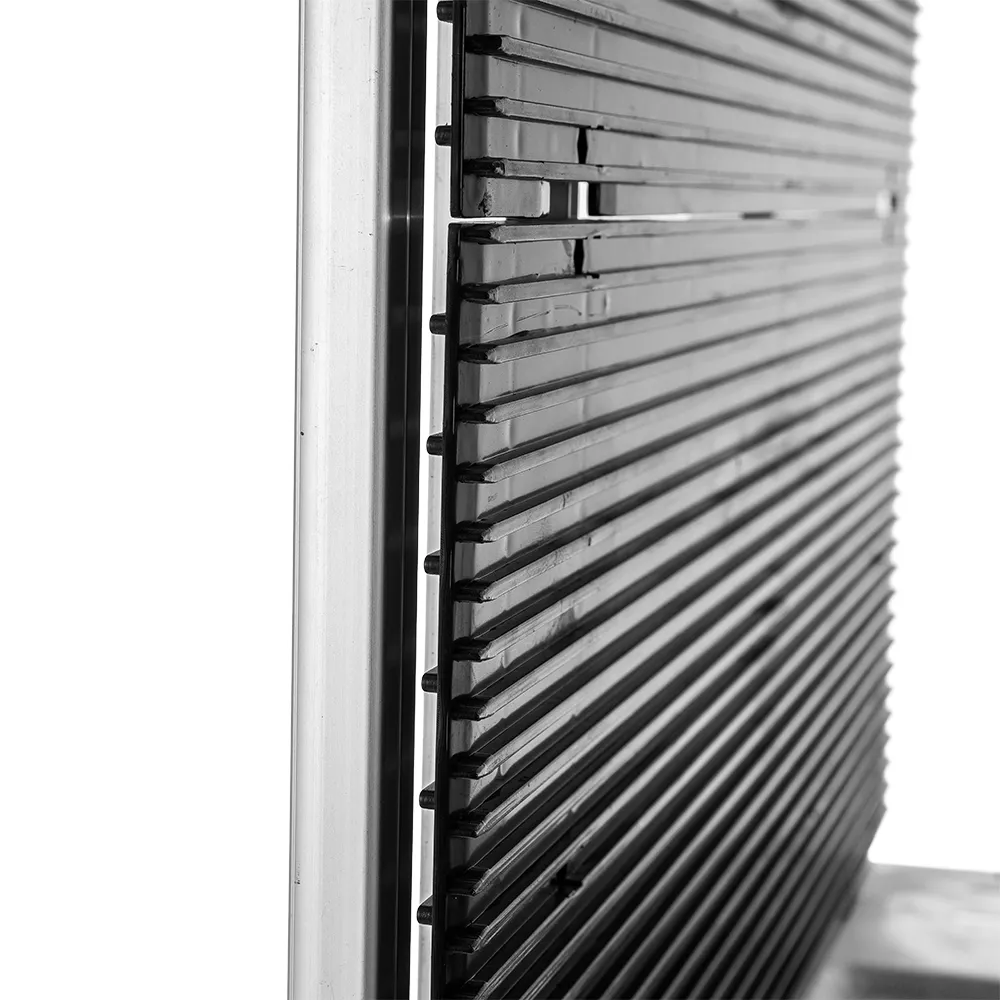
الجزء 1. ماค الدور الذي تلعبه رفوف المجلات في مرحلة إعادة التدفق؟
بعد إعادة التدفق، غالباً ما تتحرك اللوحات خلال التفتيش، والتبريد، والتعامل اليدوي قبل خطوة التثبيت السطحي التالية. تقوم رفوف المجلات بتخزين هذه الحركات مؤقتاً مع الحفاظ على الألواح في فتحات تبديد الشحنات.
التمييز الحاسم للمشتريات:
| سيناريو | دور الحامل النموذجي | التركيز على المواصفات |
|---|---|---|
| طابور دافئ فور الخروج من الفرن | يحفظ الألواح الساخنة دقائق، وليس ساعات | فئة توجيه الحرارة + استقرار الفتحة |
| مخزن بدرجة حرارة الغرفة في اتجاه مجرى النهر | غالبًا ما تكفي أدلة التبديد القياسية | سجلات بصمة القدم و Ω |
| داخل فرن إعادة التدفق النشط | ليس افتراضياً لرفوف المجلات | يتطلب تقييمًا صريحًا للمورد داخل الفرع—لا تفترض ذلك |
قوائم سانواي لجهاز لحام الموجات / فرن إعادة التدفق الناقلات من بين التطبيقات على صفحة حلول رفوف مجلات تفريغ الشحنات الإلكتروستاتيكية—اعتبر ذلك ملائمًا لمستوى البرنامج للبيئات الحرارية لتقنية التثبيت السطحي (SMT)، ثم قم بالتأكيد درجة حرارة الخدمة المستمرة ووقت المكوث على عرض سعر وحدة التخزين (SKU) الدقيق.
للاختبار الساخن على مستوى المكونات في الصناديق بدلاً من لوحات الدوائر المطبوعة في الشقوق، قارن بين دليل تنظيم صناديق التفريغ الكهروستاتيكي المقاومة للحرارة.
الجزء الثاني. ما الفرق بين الدرجة القياسية 160 درجة مئوية والدرجة الاختيارية 200 درجة مئوية؟
تنشر سانوي مقاوم للحرارة حتى 160 درجة مئوية مع اختياري بدرجة 200 مئوية على صفحة حلولها، إلى جانب مركب سبائك PBT/PET لانخفاض الاعوجاج.
| الصفحة (منشورة من قبل سانوي) | عندما يناسب عادةً | عندما يكون مخصصاً بشكل مفرط |
|---|---|---|
| 160 درجة مئوية قياسي | طوابير دافئة مع مدة انتظار قصيرة؛ اللوحات تبرد نحو درجة حرارة المحيط | محاليل تنظيمية طويلة المدى بحرارة الغرفة فقط |
| 200 درجة مئوية اختيارية | طوابير ساخنة مستمرة، حزم متعددة الطبقات أثقل بالقرب من الفرن | الخطوط التي لا تتجاوز فيها اللوحات أبدًا درجة حرارة المحيط + الهامش |
نصيحة: فرن الملف الشخصي للذروة (على سبيل المثال، ذروة حرارة اللوحة 245 درجة مئوية) ليست هي نفسها درجة حرارة الخدمة المستمرة للحامل. يجب أن يوضح طلب عرض الأسعار درجة حرارة اللوحة عند الإدخال و دقائق في المنطقة الدافئة. — المصدر: درجات حرارة حلول سانواي؛ تأكد من ذلك مع الملف التعريفي للشركة المصنعة للفرن الخاص بك.
اقترن درجة الحرارة بآلية العرض عندما تكون الخطوط ذات تنوع عالٍ—انظر إلى دليل طلب تقديم العروض (RFQ) الخاص بحامل المجلات القابل لتعديل المقبض.
الجزء الثالث. كيف يجب على المشترين ربط وقت المكوث وتخصيص طوابير الانتظار؟
يجب أن توثق هندسة العمليات:
- المسافة من مخرج الفرن (الأمتار) ونقطة ضبط نظام التدفئة والتهوية وتكييف الهواء (HVAC) المحيط.
- الحد الأقصى للوحات لكل رف أثناء ذروة المناوبة.
- دقائق حتى ينخفض سطح اللوحة عن عتبتك الداخلية (تستخدم العديد من المواقع حدود معالجة تتراوح بين 50 و60 درجة مئوية - تأكد من حدود موقعك).
- ما إذا كان المشغلون يلمسون الأدلة أثناء الإدخال (انتقال حرارة القفاز).
| نمط الطابور | خطر الحرارة | التخفيف |
|---|---|---|
| رف واحد، مكوث من 2 إلى 5 دقائق | معتدل | موجهات الفئة 160°C؛ تحقق من سلامة القفل |
| حامل بنك الخوادم في الممر الساخن | عالٍ | درجة 200 مئوية؛ قاعدة معدنية لكل دليل مقارنة القواعد |
| وردية فحص متأخرة | حرارة تراكمية عالية | تقليل عدد الفتحات لكل رف؛ تدوير الرفوف |
| درجة حرارة الغرفة فقط بعد التبريد لأكثر من 10 دقائق | أخفض | قد تكون الدرجة القياسية كافية |
تخطيط قائمة انتظار الصور عند طلب مشورة المواد من الموردين - أيقونات حرارة الكتالوج ليست بيانات عملية.
الجزء 4. ما هي المواد التي تقاوم الاعوجاج في المناطق الدافئة؟
اقتباسات سانوي سبيكة مركبة من PBT/PET مسجلة الدالتون / حاصلة على براءة اختراع مع حواف ناعمة وخالية من النواتئ على صفحة الحل الخاصة بها. ويظهر الاعوجاج على شكل محاذاة الفتحات الخاطئة—أعطال الأتمتة تحدث حتى عندما تبدو قراءات الأوم (Ω) سليمة عند الطرف المستقبِل.
| مكون | سؤال المنطقة الدافئة | تعديل الحدود |
|---|---|---|
| الموجهات الجانبية | خدمة مستمرة مقابل تواصل متقطع | لا تستخدم الأدلة المخصصة لدرجة حرارة الغرفة فقط في ضفاف الأجهزة الساخنة |
| صفيحة القاعدة | مرونة المعدن مقابل البلاستيك عند تعرضهما للحرارة | انظر إلى مقارنة القاعد المعدنية والبلاستيكية |
| خطوة المجري | التمدد الحراري على أكثر من 50 فتحة | إعادة التحقق من الملعب بعد الأسبوع الأول من الإنتاج |
| دفعة اللون/المادة | انكماش القالب من دفعة إلى دفعة | تجميد رقم القالب في حزمة ضمان الجودة |
لون الأسود وحده لا يثبت التصنيف الحراري — طلب خط درجة حرارة المورد مربوط برقم القالب.
الجزء 5. متى يجب إعادة اختبار المقاومة بعد التعرض للحرارة؟
البرامج المتوافقة مع IEC 61340-5-1 و ANSI/ESD S20.20 يتطلب تبديداً موثوقاً—وليس مجرد افتراضات بعد التدوير الحراري.
تنشر سانوي ١٠⁶–١٠٩ أوم على صفحة الحل الخاصة به. بعد نشر قائمة الانتظار الدافئة:
- أدلة عينات وقاعدة عند الاستلام؛;
- إعادة أخذ العينة بعد أسبوع الإنتاج الأول في المنطقة الساخنة;
- طريقة وسسهولة تسجيل المجس RH;
- استبدال الأدلة التي تُظهر انحرافاً يجاوز حدودك الداخلية.
يمكن أن تؤدي الحرارة إلى تغيير القراءات مؤقتاً؛ أما الانحراف الدائم فيشير إلى خطأ في درجة المواد أو تلوث كيميائي.
الجزء 6. ما هي الحقول المطلوبة في طلب عرض الأسعار (RFQ)؟
إضافة ملحق حراري إلى حزم طلبات عرض الأسعار الأبعاد:
| حقل | مثال | مالك |
|---|---|---|
| أقصى درجات حرارة للوحة عند إدخال الرف | سطح 85 درجة مئوية (مقياس حرارة بالأشعة تحت الحمراء) | عملية |
| وقت المكوث في المنطقة الدافئة | متوسط 3 دقائق | إنتاج |
| مححيط بالقرب من الطابور | ممر 28 درجة مئوية | المرافق |
| درجة السانوي المطلوبة | 160 درجة مئوية قياسي مقابل 200 درجة مئوية اختياري | جودة |
| التلامس داخل الفرن (نعم/لا) | لا — تخزين مؤقت فقط | هندسة |
| فترة إعادة الاختبار | عينة أسبوعية | مننسق حماية التفريغ الكهروستاتيكي |
| حذف | النتيجة |
|---|---|
| “إعادة التدفق القريبة بدون دقائق | مادة إرشادية خاطئة |
| على فرض الاستخدام داخل الفرن | خطر السلامة والضمان |
| خطة بدون إعادة اختبار | فشل التدقيق بعد أشهر |
الجزء 7. ما هي رفوف سانواي التي تتناسب مع المخازن المؤقتة المجاورة لفرن إعادة التدفق؟

تقييمات سانوي فئة حامل المجلات المضاد للكهرباء الساكنة مع ملحق حراري.
- الحجم المتوسط مع تشكيلة واسعة وقائمة انتظار دافئة: قائمة ضبط التروس ٣٥٥ (طول) × ٣٢٠ (عرض) مم عندما يتغير العرض ويتعايش المبيت الساخن.
- لوحات عريضة جداً: ٦٣٠ (طول) × ٥٣٠ (عرض) مم وحدة حفظ المخزون (SKU)تأكيد الكتلة والمرونة الساخنة مع المورد.
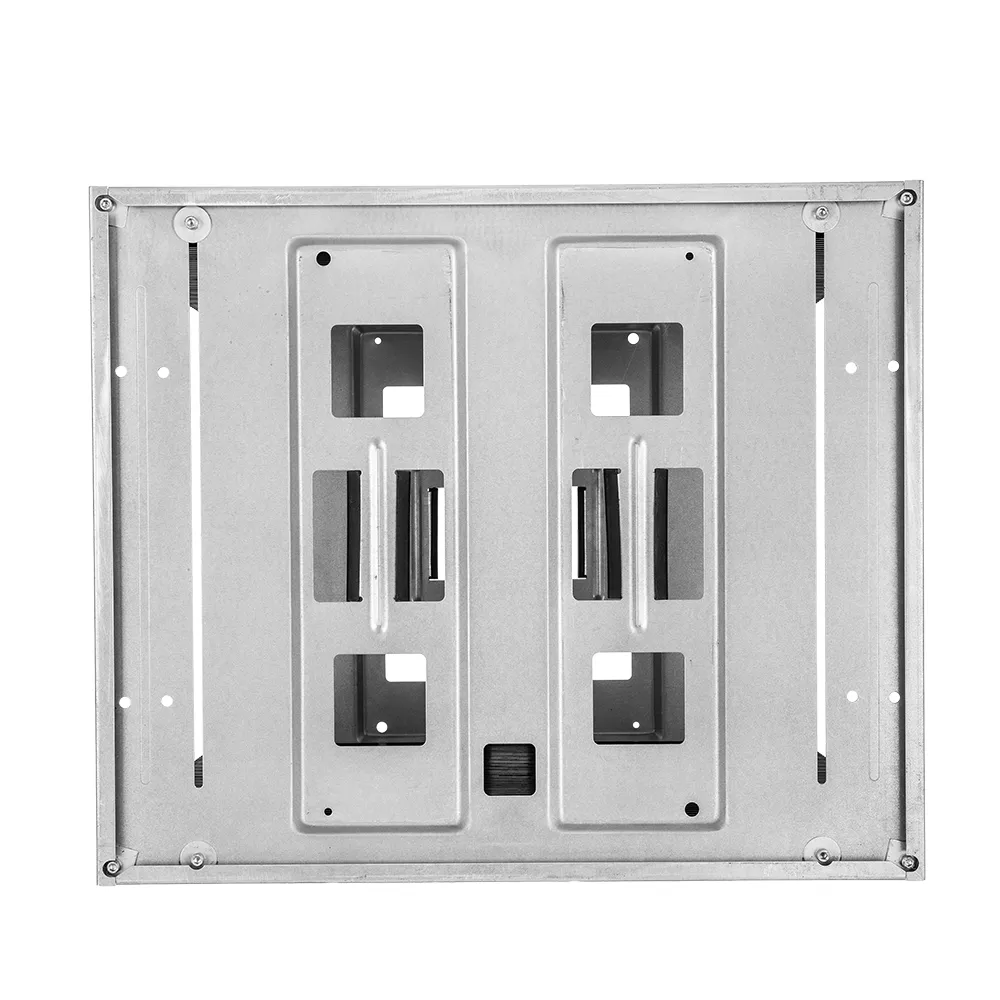
ملائمة الحدود
| وضع المشتري | طريق معقول | تجنب |
|---|---|---|
| فترة بقاء قصيرة دافئة بعد إعادة التدفق | درجة قياسية 160°C + خططة إعادة الاختبار | درجة 200°م بدون بيانات |
| صفوف الخزائن الساخنة في الممر | 200 درجة مئوية اختياري + قاعدة صلبة | أدلة بلاستيكية بحرارة الغرفة |
| وظيفة الحامل داخل الفرن | توقف - اطلب تصريحاً صريحاً لتقييم فرن المورد | بافتراض أن magazine تعني صينية الفرن |
| تدفق سفلي لدرجة حرارة الغرفة فقط | الدرجة القياسية | دفع علاوة التدفئة غير المستخدمة |
أرسل مخططات العمليات اتصل بنا أو OEM/ODM عندما تختلف خطوة الفتحات أو درجة الحرارة عن القيم الافتراضية في الكتالوج.
أسئلة متكررة
ما هي درجات الحرارة التي يمكن أن تتحملها رفوف مجلات تفريغ الكهرباء الساكنة (ESD)؟
تشر تنشر سانواي (Sanwei) خدمة قياسية تصل إلى 160 درجة مئوية مع درجة اختيارية 200 درجة مئوية على صفحة الحلول الخاصة بها — تحقق من ذلك مقارنة ببيانات وقت المكوث ودرجة حرارة اللوحة لديك.
هل يمكن لحوامل لوحات الدوائر المطبوعة (PCB magazine racks) دخول أفران إعادة التدفق؟
حوامل المجلات عادة ما تخزن اللوحات المؤقتة بعد خروج ما لم يقم المورد بتصنيف الاستخدام داخل الفرع صراحةً. الافتراض الافتراضي: الذاكرة المؤقتة فقط.
ما هي المادة المستخدمة في رفوف التفريغ الكهروستاتيكي المقاومة للحرارة؟
تذكر "سانوي" (Sanwei) مادة البولي بروبيلين المقاومة للكهرباء الساكنة / سبيكة PBT / مركب مقاوم للكهرباء الساكنة بشكل دائم في صفحة الحلول الخاصة بها - يرجى تأكيد التركيبة الدقيقة على بند أمر الشراء الخاص بك.
ما الفرق بين درجتي 160 درجة مئوية و200 درجة مئوية؟
درجات حرارة 200 درجة مئوية الاختيارية تستهدف فترات مكوث أطول أو أسخن في خطوط الانتظار الدافئة؛ بينما تتناسب الدرجات القياسية 160 درجة مئوية مع التخزين المؤقت الأقصر لما بعد إعادة الصهر عندما تتطابق بيانات المورد مع عمليتك.
كيف تخزن لوحات الدوائر المطبوعة (PCBs) بعد لحام إعادة التدفق (reflow) دون تعرضها للتلف الناتج عن التفريغ الكهروستاتيكي (ESD)؟
استخدم أرفف تبديدية في مناطق حماية تفريغ الشحنات الكهربائية (EPA) المؤرضة، وحدّ من المكوث الساخن، وتحقق من المقاومة (أوم) على الأدلة بعد التعرض الحراري - واقرن ذلك بتأريض المعصم/القدم في المنشأة حسب الاقتضاء.
كيف يرتبط هذا بصناديق التفريغ الكهروستاتيكي المقاومة للحرارة؟
تناسب الصناديق تجميع المكونات والعدة؛ بينما تناسب رفوف المجلات تخزين مؤقت لفتحات لوحة الدوائر المطبوعة—انظر إلى دليل تنظيم صناديق التفريغ الكهروستاتيكي المقاومة للحرارة لس سير العمل الخاصة بالصناديق.
هل ينبغي على المشترين إعادة اختبار المقاومة بعد التعرض للحرارة؟
نعم - أخذ عينة بعد الأسبوع الأول في المنطقة الدافئة ووفقاً لجدول التدقيق المحدد بواسطة برنامج التفريغ الكهروستاتيكي (ESD) الخاص بك.
متى تكون درجة 160 مئوية القياسية كافية؟
عندما تبرد الألواح بسرعة وتبقى فترة المكوث في المنطقة الدافئة قصيرة، قم بتوثيق الدقائق ودرجة حرارة اللوحة القصوى لتبرير الدرجة.
المراجع
أحدث مشاركة
-
 ESD Slippers vs ESD Safety Shoes for Electronics Factories16 أكتوبر,2026
 -
 ESD Shoe Sole Resistance: Test Methods and Acceptance Limits15 أكتوبر,2026
 -
 How to Verify Cleanroom Sticky Mat Contamination Removal15 أكتوبر,2026
اترك ردًا