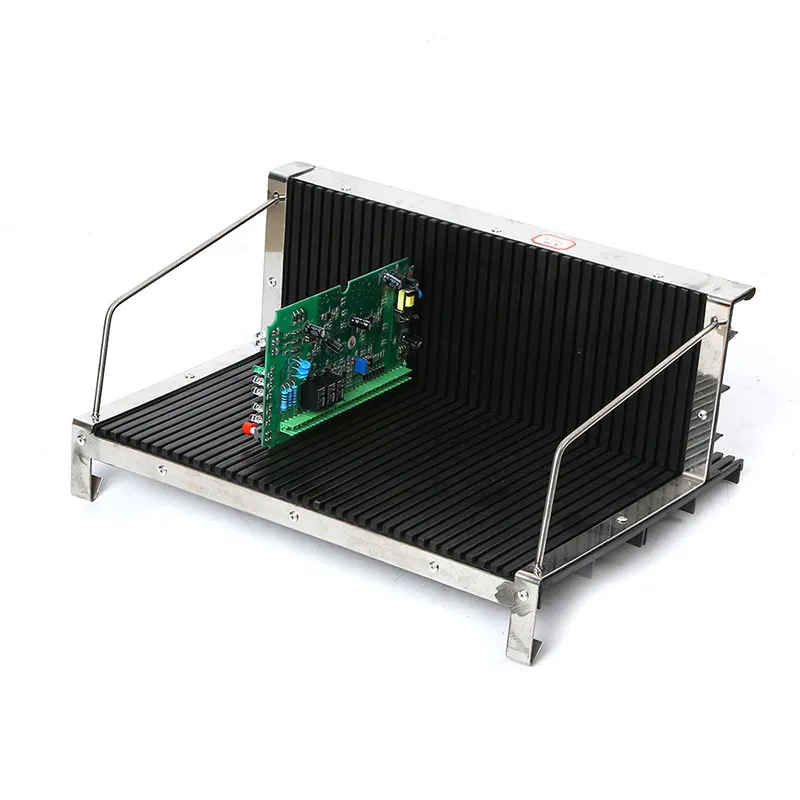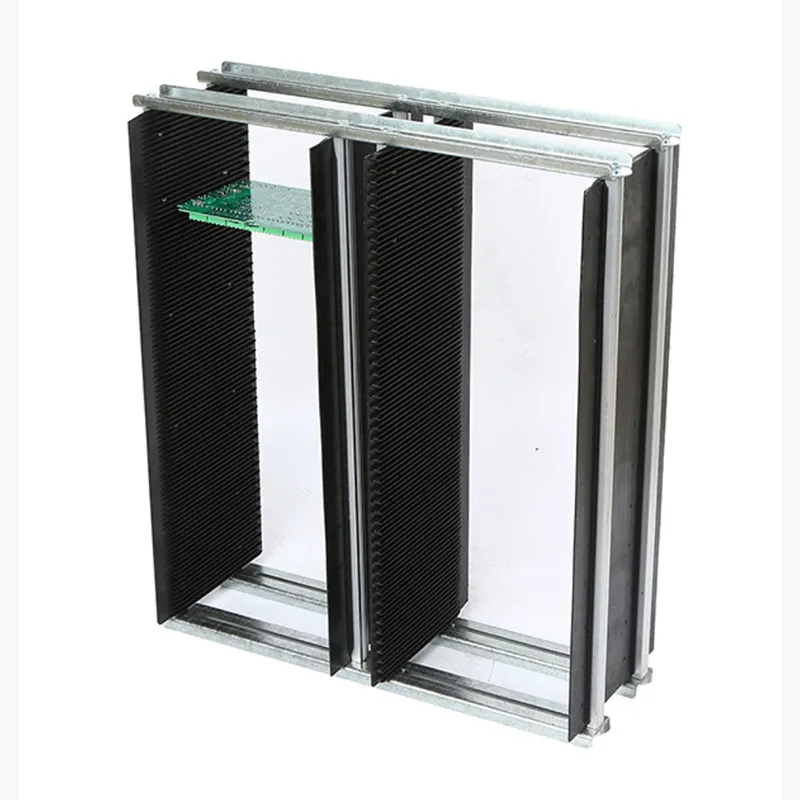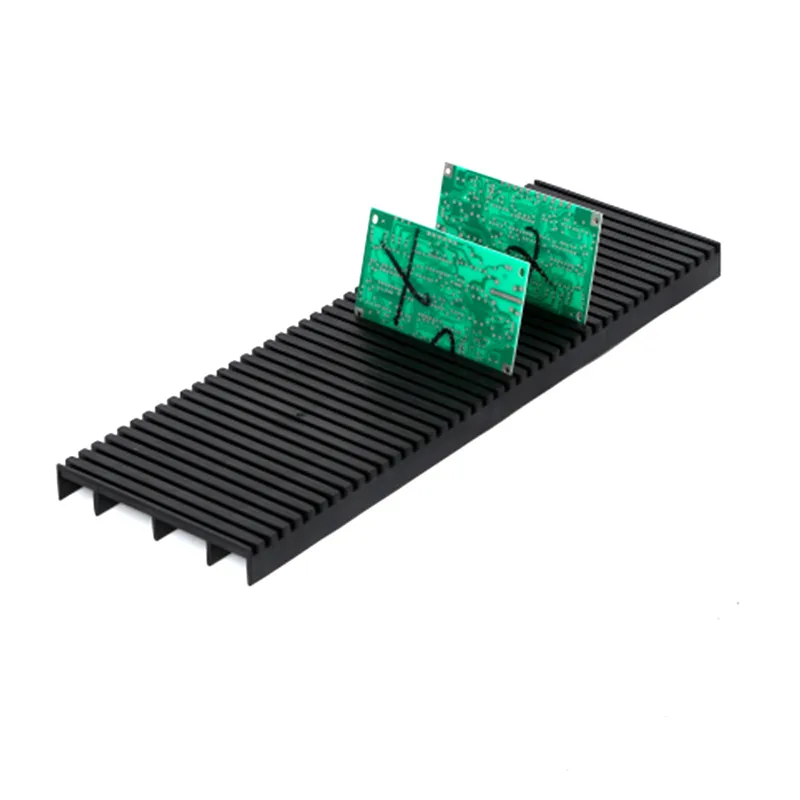


ESD PCB Storage Racks 405-1\406\406-2\406-3
نظرة عامة
مقدمة المنتج
Anti-static racks are storage devices designed to prevent static electricity buildup and discharge during storage, handling, and transfer. They are widely used in electronics, semiconductor, medical, and other static-sensitive industries. By reducing the risk of electrostatic damage, they help protect stored items while improving workplace safety, organization, and operating efficiency. These racks are also known as tray racks, anti-static tray racks, or anti-static turnover racks.
For electronic production environments, رفوف تخزين لوحات الدارات المطبوعة مانعة للكهرباء الساكنة provide a practical solution for keeping PCBs and sensitive components separated, organized, and protected throughout the workflow.
Application Scenarios
Electronics manufacturing: Suitable for temporary storage and transfer of SMT components such as chips, LEDs, capacitors, and resistors, helping reduce static damage during production.
Laboratory: Used for dust-proof and anti-static storage of precision instruments, optical lenses, and medical consumables.
Warehousing and logistics: Helps classify and circulate static-sensitive products in different areas, improving workshop organization and 6S management. ESD PCB storage racks are also suitable for controlled storage areas where PCB protection and efficient handling are required.
المواصفات الفنية
| اسم المنتج | رف ESD | ||||
| نموذج المنتج | 3W-9805405-1 | 3W-9805406 | 3W-9805406-2 | 3W-9805406-3 | |
 |
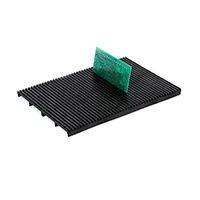 |
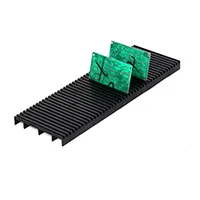 |
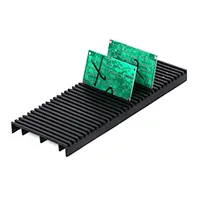 |
||
| معايير المواصفات | ●الأبعاد الخارجية: | 190*250*95 ملم | 410*280*22 مم | ٤١٠*١٣٨*٢٢ مم | 340* 130*22 ملم |
| ●عمق الأخدود: | 3 ملم | 5 ملم | 5 ملم | 5 ملم | |
| ●عرض الأخدود: | 3 ملم | ٢.٨ مم | 3 ملم | 3 ملم | |
| ● الملعب: | 8 ملم | ١٠ ملم | ١٠ ملم | ١٠ ملم | |
| ●عدد الفتحات: | 30 | 42 | 42 | 34 | |
| ●الوزن: | 0.41 كجم | ٠.٧٢ كجم | 0.44 كجم | 0.33 كيلوجرام | |
| وصف المنتج | ◆المؤشر الثابت: 10e4-10e8 أوم | ||||
| خيارات مقاومة درجات الحرارة | □ ١٢٠ درجة مئوية □ ١٥٠ درجة مئوية | ||||
| تخصيص الألوان | □  □ □  □ □  □أخرى □أخرى |
||||
| ملحقات اختيارية | ملصق مضاد للكهرباء الساكنة | ||||
قدرة تصنيع عالمية المستوى لمقاومة التفريغ الكهروستاتيكي
عندما تشتري من سانواي، فأنت تشارك مباشرة شركة مصنعة رائدة في مجال التصنيع الأصلي وتصميم التصنيع الأصلي (OEM/ODM). نحن نشغل مركزًا حديثًا منشأة إنتاج متكاملة مساحتها أكثر من 70,000 متر مربع في مجمع يويتشينغ المركزي الصناعي بمقاطعة تشجيانغ، حيث يتم إدارة كل عملية بدقة، بدءاً من تركيبة المواد الخاصة وحتى تشكيل المنتج النهائي عالي الدقة.
مقياس متكامل
قاعدة مصنع متطورة بمساحة تزيد عن 70,000 متر مربع مجهزة بمكائن حقن بلاستيك دقيقة وعالية التحمل للتعامل مع طلبات الجملة الكبيرة بأوقات تسليم مستقرة.
التحكم كامل السلسلة
تحكم داخلي بالكامل يشمل البحث والتطوير للمواد الخاصة المضادة للكهرباء الساكنة، هندسة القوالب الهيكلية، التصنيع الآلي، والتسليم اللوجستي العالمي السريع.
فحص دقيق
يضمن الاختبار الدقيق للمواد الخام، إلى جانب قياس المقاومة السطحية متعدد النقاط على خط الإنتاج، توافق منتج 100% مع المبادئ التوجيهية للمعايير الدولية المتعلقة بالتحميل الكهروستاتيكي (ESD).
مضاد للكهرباء الساكنة المنتجات والحلول
توفير حماية شاملة ضد الكهرباء الساكنة عبر دورة التصنيع والتشغيل بأكملها.
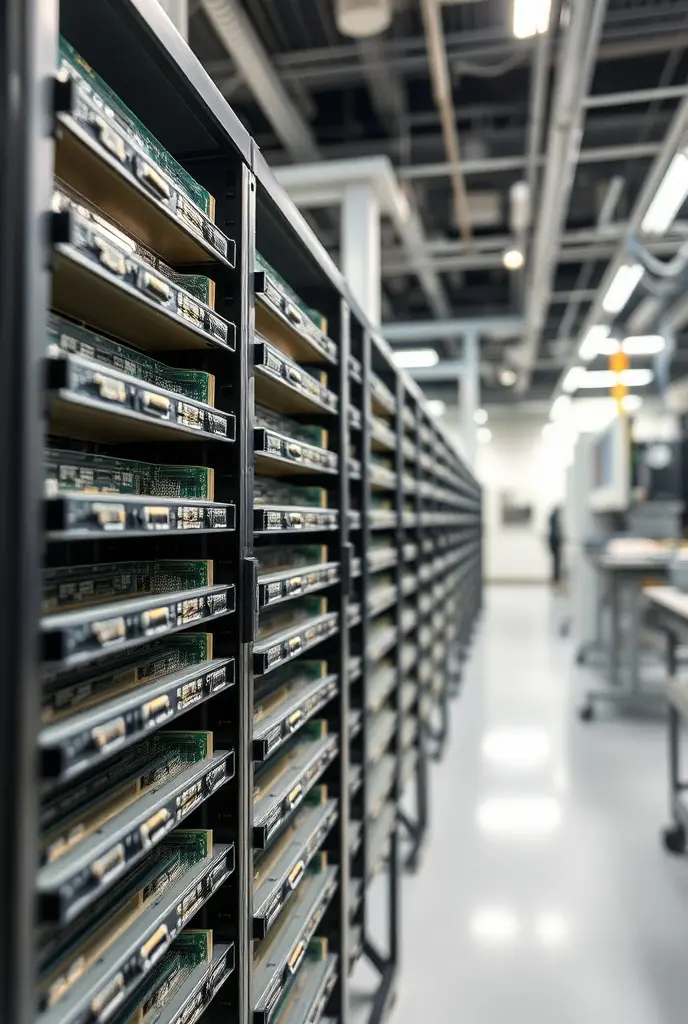
معدات SMT
صناديق ورفوف مانعة للشحنات الساكنة للخطوط المؤتمتة.

التخزين والخدمات اللوجستية
عربات دوارة، أرفف، صناديق، صواني، وحاويات مكونات.

محطة العمل ومعدات الوقاية الشخصية
كراسي مقاومة للكهرباء الساكنة، وحصائر، وأربطة معصم، وحماية شخصية.
تطوير مخصص
تطوير قوالب مخصصة ومواد خاصة مضادة للكهرباء الساكنة.
مزايا OEM/ODM لدينا

البحث والتطوير المتقدم وابتكار المواد
مواد مضادة للكهرباء الساكنة مطورة داخلياً حاصلة على براءة اختراع وطنية للاختراع ومقاومة للحرارة حتى 200 درجة مئوية. نحن لا نقوم بالتشكيل فحسب، بل نُركّب المركبات أيضاً.

الإنتاج بسعة كاملة
مصنع مساحة 30,000 متر مربع يضم أنظمة كاملة للحقن والقولبة، والحبيبات، ومعالجة داعمة لتوريد مستقر وفعال.

تخصيص العملية الكاملة
مقاومة المادة، واللون، والحجم، والشعار، والتعبئة والتغليف، والشهادات — كلها قابلة للتخصيص لتلبي معايير IEC61340-5-1، أو ANSI/ESD S20.20، أو المعايير العسكرية.

الجودة المعتمدة والامتثال العالمي
“نجحت شركة سانوي في تطوير صوانٍ مخصصة ذات لون طبيعي ونظيف ومقاومة درجات الحرارة العالية لخط تجميع أشباه الموصلات الخاص بنا، مما أدى إلى استبدال المنتجات المستوردة، وضمان سلامة ممتازة ضد التفريغ الكهروستاتيكي (ESD)، وتلبية متطلبات النظافة العالية للورشة.”
موثوق به من قبل قادة الصناعة العالمية في قائمة فورتشن 500
يتم نشر حلولنا الخاصة للتحكم في الشحنات الكهروستاتيكية (ESD) في مرافق الإنتاج النخبوية في جميع أنحاء العالم، بما في ذلك: إنتل، موتورولا، سيمنز، آي بي إم، باناسونيك، نوكيا، وديل.
هل تبحث عن مقاسات مخصصة أو أسعار الجملة للكميات الكبيرة؟
مدعومة بفريق البحث والتطوير القوي الخاص بنا، توفر سانوي خيارات تصنيع المعدات الأصلية (OEM) والتصميم الأصلي (ODM) الكاملة المصممة خصيصاً لخطوط إنتاج تقنية التثبيت السطحي (SMT) أو تخطيط المستودعات لديك. اتصل بأخصائيينا اليوم للحصول على قوالب مخصصة، أو ترميز بالألوان، أو استشارات متكاملة لتخزين نظام الـ 5S.
الأسئلة الشائعة
Why are racks used in PCB storage?
Racks keep PCBs organized, separated, and easy to handle during storage and transfer. They also reduce the risk of scratches, bending, contamination, and electrostatic damage.
كيف تحمي لوحة الدوائر المطبوعة (PCB) من التفريغ الكهروستاتيكي (ESD)؟
Use ESD-safe racks, trays, bags, and grounded workstations. Avoid direct contact with sensitive areas, control humidity when possible, and make sure operators follow proper grounding practices.
What materials are used for ESD safe storage of components?
Common materials include anti-static plastic, conductive plastic, polypropylene with ESD treatment, metal with proper grounding, and anti-static foam or inserts for added protection.
What are the guidelines for PCB storage?
Store PCBs in a clean, dry, and controlled environment. Keep them separated, avoid pressure or stacking damage, and use ESD protection during handling, transfer, and storage.
How long can PCB be stored?
The storage time depends on the PCB type, surface finish, packaging, and environment. In a well-controlled, dry, and sealed ESD-safe setting, PCBs can often be stored for a long time, but moisture-sensitive boards should follow the manufacturer’s recommended limits.
What is the 20h rule in PCB?
The 20h rule usually refers to a time limit for exposing moisture-sensitive PCBs to factory floor conditions before they need to be baked or repackaged. It is used to reduce the risk of moisture absorption and related assembly defects.