- hanqi
- Blog
In a rapidly changing electronics manufacturing sector, managing ESD (electrostatic discharge) is of utmost importance. Custom PS ESD trays offer a cost-effective way to solve this problem by protecting fragile electronic devices, such as printed circuit boards (PCBs), and other delicate items from the possibility of damage due to static electric discharge. Custom PS ESD trays provide safe handling, shipping, and storage of sensitive electronic components that can be damaged by static electricity.
This article will look at the different uses and benefits of plastic electrostatic discharge (PESD) trays, how they differ from traditional, non-PESD trays, the different ways PESD trays can be customized to meet your specific needs, and the industries where PESD trays are most commonly found. Learning about the different functions and advantages of PESD trays will help you understand why they are the preferred method for storing finished electronic products for many high technology manufacturers worldwide.
What is a PS ESD Tray Used For?
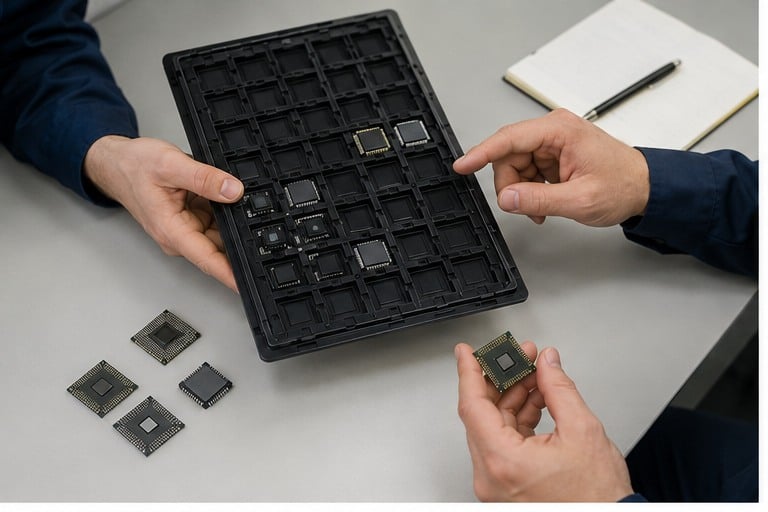
Polystyrene electrostatic discharge trays (ESD), or PS ESD trays, are a method of storing and transporting electronic components in a way that prevents them from being damaged due to the buildup of static electricity. An ESD tray combines static-dissipating properties with a way of holding items in place, which allows for the protection of the items during assembly, storage, or transport. PS ESD trays have three primary applications:
- Safe storage: Prevents damage to electronics due to static buildup during storage.
- Component organization: Keeps sensitive parts such as semiconductors, microchips, or PCBs organized and secure.
- Transportation: Safeguards electronics from static during shipment between facilities or customers.
Versatile trays are utilized as an integral component of quality assurance processes in any industry requiring precision and protection.
What is the Difference Between PS ESD Trays and Normal Plastic Trays?
At first glance, a PS ESD tray resembles a typical plastic tray. However, the way they work is extremely different. The following are a number of major differences:
- Material Composition: ESD trays for electronics will have been made using Conductive or Anti-Static Polystyrene. These materials allow you to ground or discharge (through the air) static electricity. Standard plastic has no such grounding properties. Therefore standard plastics may generate static electricity by simply being present.
- Static Protection: Regular plastic trays will not protect electronics from damage by ESD; However ESD Trays, by providing protection against or neutralization of ESD events on the tray surfaces in which ESD Trays exist in the environment.
- Usage Environment: Ordinary plastic trays are acceptable for general storage and shipment, but will not do for the safe handling of static-sensitive parts or items in some specialized conditions. PS Conductive/ESD Trays are designed for these specialties.
Standard trays often subject high-value electronics to significant risk of damage or defects, costing the company money in the long run. For this reason, transitioning to ESD-safe solutions is imperative for companies, as it provides operational efficiency and product quality.
Can I Customize the Size and Design of PS ESD Trays?
A major benefit of PS ESD trays is that they can be customized. There are different dimensions and shapes for electronic components; therefore, each electronic component requires a different piece of custom ESD tray to carry it. Custom options available include:
- Dimensions tailored precisely to fit your components.
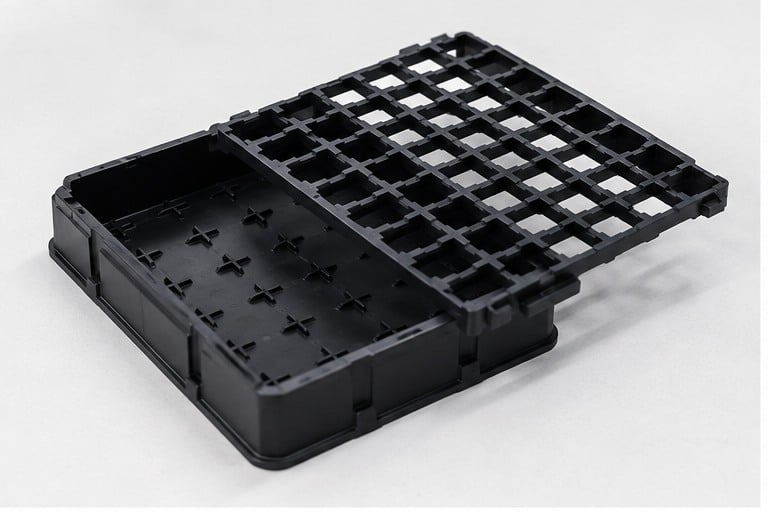
- Customized pockets or cavities for specific items.
- Logos or branding designs integrated into the tray’s structure.
- Special features like stacking rails or dividers for easier storage and organization.
- Material options for enhanced ESD protection or improved durability for repeated use.
Contact your supplier or manufacturer of ESD trays about their ability to assist you with customized solutions for your specific requirements.
Are PS ESD Trays Recyclable?
With environmental issues being more urgent than ever, now is the time for businesses to implement environmentally friendly procedures; thus, companies will want to make every effort possible to use environmentally safe products when producing their PCBs. Some of these products are made from recycled materials; for instance, many plastic ESD trays are made from recyclable materials such as polystyrene, which is acceptable throughout the recycling industry. Some ESD trays will also not have any recyclable portion because they were manufactured using conductive or dissipative components that are incompatible with the recycling process.
To ensure that your company is environmentally responsible, it will be a good idea to contact the manufacturer of your delivery trays and verify that they can be recycled. You may want to consider working with the manufacturers who provide recycling return programs. These programs help decrease the environmental impact of businesses and help develop an eco-friendly supply chain.
Who Can Benefit from Using PS ESD Trays?
PS ESD Trays can be utilized within a number of different industries that manufacture delicate electronic devices and/or components sensitive to electrical charges & otherwise known as ESD (Electrostatic Discharge). These industries normally fall under one of the following categories:
- Electronics Manufacturing: Manufacturers of printed circuit boards (PCBs), microprocessors/microchips, or other electronic products use ESD trays to protect their goods from electrostatic discharge damage.
- Telecommunications: Static sensitive equipment is often used for communication systems and it needs to be protected while being assembled or transported.
- Automotive Industry: The electrical systems in today’s automobiles require careful treatment throughout production and assembly.
- Aerospace: ESD is likely to damage high-priced items as they are used in aircraft. These types of items require maximum protection from ESD.
- Medical Devices: ESD Trays play an important role in the creation and transportation of health technologies, including medical monitoring and imaging devices.
The list continues. Almost every company that handles or manufactures electronics can use an ESD tray as a safe, reliable way to transport electronics and keep them safe.
Frequently Asked Questions
Are PS ESD Trays Cost-Effective?
The PS ESD trays are an excellent investment over time for use by many companies in that they will save money by cutting back on how frequently one has to replace components that are damaged by static electricity, thus having the potential to save companies significant amounts of money as opposed to having to stop production lines for repairs due to electronic component failures caused by static electricity. Furthermore, because of their durability and ability to be reused over and over, they provide very good value for money spent per use.
What Types of ESD Trays Are Available?
Different styles & materials available such as Thermoform Trays, Plastic PCBs ESD Trays & Injection Molding.
Can PS ESD Trays Be Used for High-Temperature Environments?
Yes, many PS ESD trays are designed to tolerate a wide range of temperatures. However, it’s crucial to confirm the thermal specifications of your selected tray to ensure compatibility with your use case.
What Are the Key Features to Look for in a High-Quality PS ESD Tray?
When choosing an ESD tray, consider prioritizing these features:
- Effective static dissipation to ensure component safety.
- Durability for long-lasting use.
- Customizability for precise fitting to your electronics.
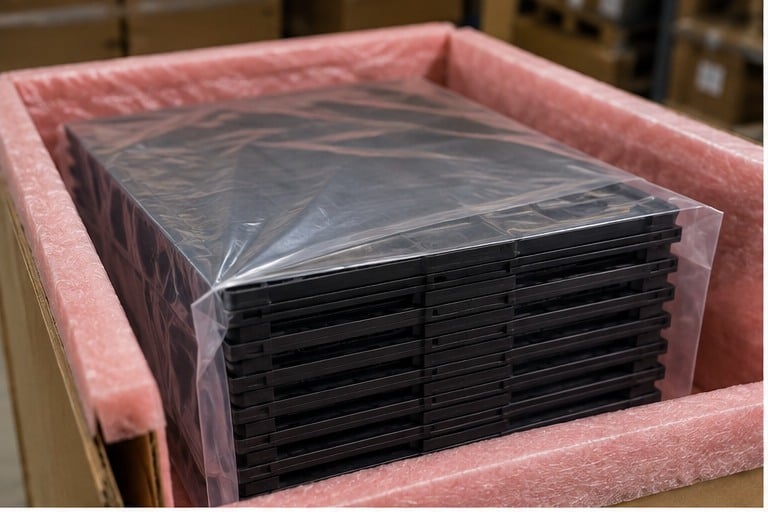
- Stackability for efficient storage and transport.
- Compliance with global ESD protection standards like ANSI/ESD S20.20.
Are PS ESD Trays Limited to Electronics Applications?
While primarily used in electronics and electrical industries, PS ESD trays can also provide excellent protection for other static-sensitive products, such as certain types of medical devices or precision instruments that require a static-safe environment.
Are There Any Maintenance Requirements for PS ESD Trays?
Regular maintenance of PS ESD trays ensures optimal performance. Here are some tips:
- Store trays in a cool, dry place to avoid environmental damage.
- Clean with non-abrasive detergents and a soft cloth to prevent wear and tear.
- Inspect trays periodically for scratches, cracks, or damage that could compromise their static-dissipative properties.
Custom PS ESD trays are essential assets for businesses that prioritize the safety, organization, and efficiency needed to handle sensitive electronics. From their inherent ability to prevent static damage to their flexible customization options, these trays offer a robust storage and transport solution across numerous industries. By integrating custom ESD trays into your operations, you can protect your valuable electronic components while increasing productivity and ensuring the longevity of your products. Take the next step toward securing the integrity of your operations by exploring premium custom PS ESD tray solutions today!
Leave a Reply