- Turbo
- Blog
ESD packaging for semiconductor samples should preserve the required electrostatic protection, physical condition and identity of each engineering lot throughout its journey. Small quantities do not justify informal handling: a mislabeled revision or unrecorded split can invalidate a test even when the device arrives undamaged. Define the device’s handling requirements, select verified protective packaging, secure the sample without stressing it and record the part, revision, lot, quantity and destination. Coordinate moisture requirements where applicable, but do not assume that a shielding bag is a moisture-barrier bag. This guide focuses on evaluation samples and engineering lots, including split shipments, return evidence and controlled opening.
Define the engineering purpose and the sample identity
Start with the question the receiving team will investigate. The sample may be intended for electrical evaluation, assembly trials, failure analysis or comparison of engineering revisions. These purposes can require different handling restrictions and records. Ask the technical owner which characteristics must remain unchanged and which observations must accompany delivery. A shipment described simply as chips for testing leaves too much interpretation to the receiving technician.
Create an item record before packing. Include the part identifier, revision, lot or other traceable origin, quantity, intended test, owner and destination. Where individual device identity matters, define the identification method with the technical owner; do not mark the device in a way that affects the investigation. Use a record that remains associated with the protected sample when the outer carton is discarded. A label on the shipping box alone may be insufficient.
Separate engineering status from product appearance. Devices that look identical can have different revisions, exposure histories or permitted uses. Do not mix them in one unidentified pocket or loose container. If the available packaging cannot keep groups separated and traceable, revise the packing arrangement before shipping. This is an information-control issue as well as a physical protection issue, and it should be included in the engineering handoff checklist.
Select protection for the route rather than for the quantity
Identify the electrostatic control conditions at each transfer: preparation, storage, shipping, receiving and opening. The EOS/ESD Association’s basic control discussion provides context for protective handling and packaging within an organized ESD program. Apply the relevant requirements through your technical owner. Do not choose a material solely because it is pink, black or silver; appearance does not establish the required protective properties.
Request evidence for the exact packaging construction and the relevant property. A material description, an antistatic label and a shielding claim are different statements. Establish which evidence is needed for the device and transport environment, then confirm that the finished package is used in the required way. The EOS/ESD Association Fundamentals Part Three explains basic procedures and materials. Use the applicable standards and manufacturer instructions for the actual release decision.
Treat mechanical support as a separate requirement. A flexible bag alone may not restrain a fragile sample or protect exposed contacts from bending. Select suitable verified internal support and an outer protective package based on the device and transport hazards. Do not force a sample into a pocket, compress it against a closure or improvise an electrically unsuitable cushioning material. Qualification must cover the assembled packing arrangement, not just a photograph of an empty bag.
Distinguish shielding from moisture protection
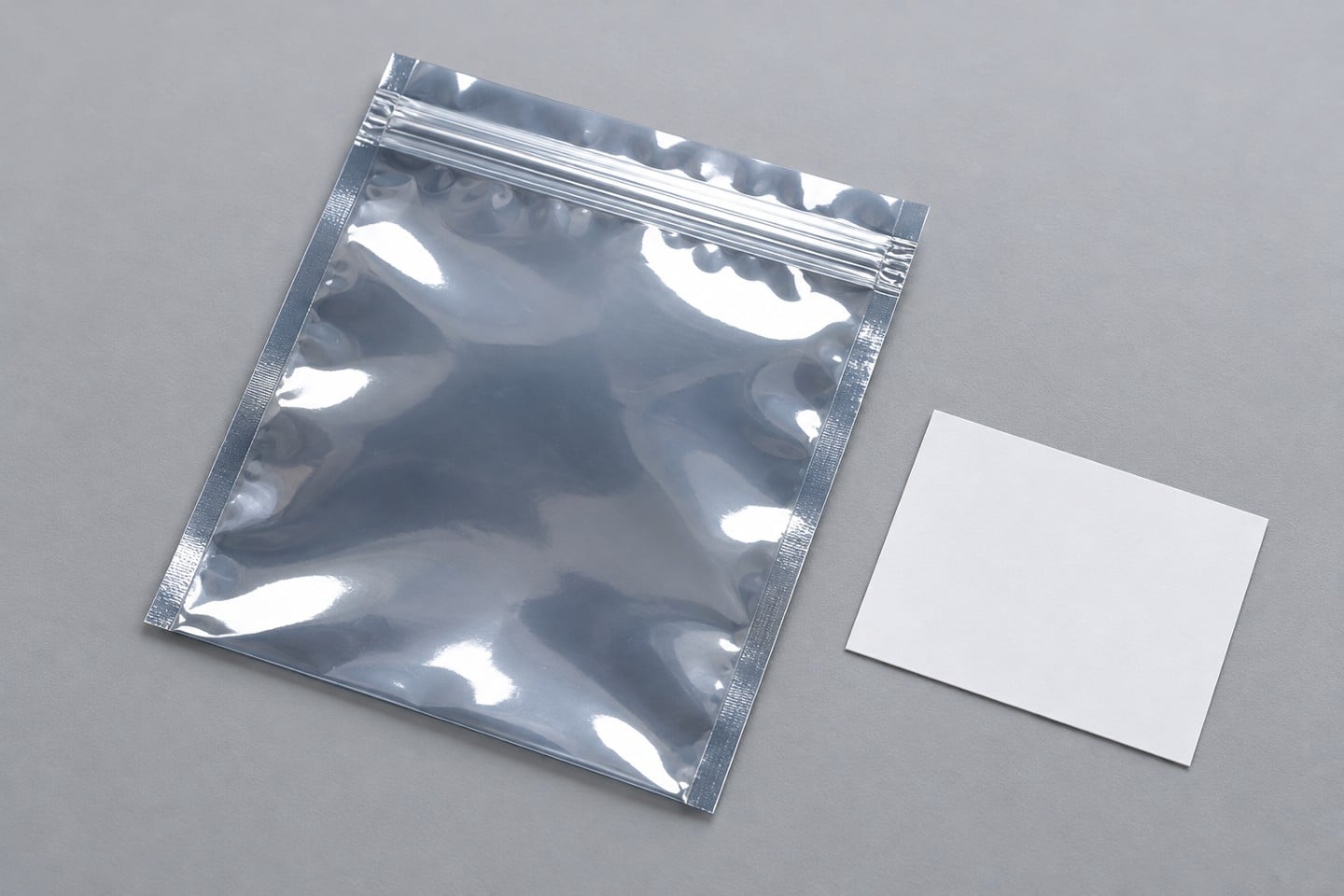
Ask whether the devices have moisture-sensitive handling requirements and obtain the applicable manufacturer information. A metallic-looking bag is not automatically a moisture barrier, and ordinary resealable packaging should not be described as a dry-pack system without evidence. Confirm the required bag construction, closure process, supporting materials and records with the responsible technical team. Do not invent a storage duration from the appearance of a package.
The Texas Instruments moisture-sensitive handling FAQ provides manufacturer guidance on moisture sensitivity and handling context. Requirements depend on the actual device and applicable procedure. For an engineering lot, preserve relevant exposure and packing records so the recipient can determine what handling is allowed. If that information is missing, disclose the uncertainty rather than presenting the sample as having a verified history.
The existing IC tray packaging guide for moisture-sensitive devices addresses that specific relationship in more detail. This page focuses on sample identity and shipment control. Where a tray is used, also review the JEDEC tray material selection guide to frame questions about fit and application. Those supporting pages do not remove the need for device-specific instructions and verified packaging evidence.
Use a sample packing checklist with named owners
| Kontrol noktası | Information or evidence | Responsible decision |
|---|---|---|
| Sample identity | Part, revision, lot, quantity and test purpose | Engineering owner confirms contents |
| ESD koruması | Exact construction and relevant evidence | ESD owner approves arrangement |
| Mechanical support | Fit, restraints and vulnerable features | Technical owner approves support |
| Moisture requirements | Device instructions and documented history | Technical owner confirms required packing |
| Split lot | Parent identity, subgroup and destination | Sender reconciles quantities |
| Receiving and opening | Condition, records and approved opening area | Receiver records exceptions before release |
Assign responsibility to each step. Engineering should define identity and technical restrictions, the ESD program owner should approve electrostatic requirements, and shipping should execute the documented arrangement. The receiving owner should know what evidence to check before opening. When one person performs several roles, retain the same decisions in the record so a later investigation can determine what was authorized.
Include exceptions in the checklist. A quantity discrepancy, damaged closure, unclear revision or undocumented exposure needs an explicit disposition. Do not make the courier deadline the default reason to accept missing evidence. If a shipment must be delayed, preserve its protected condition and communicate the unresolved item through the site’s approved workflow. The checklist is useful only if it can hold a shipment when a material requirement remains unresolved.
Split engineering lots without losing the parent record
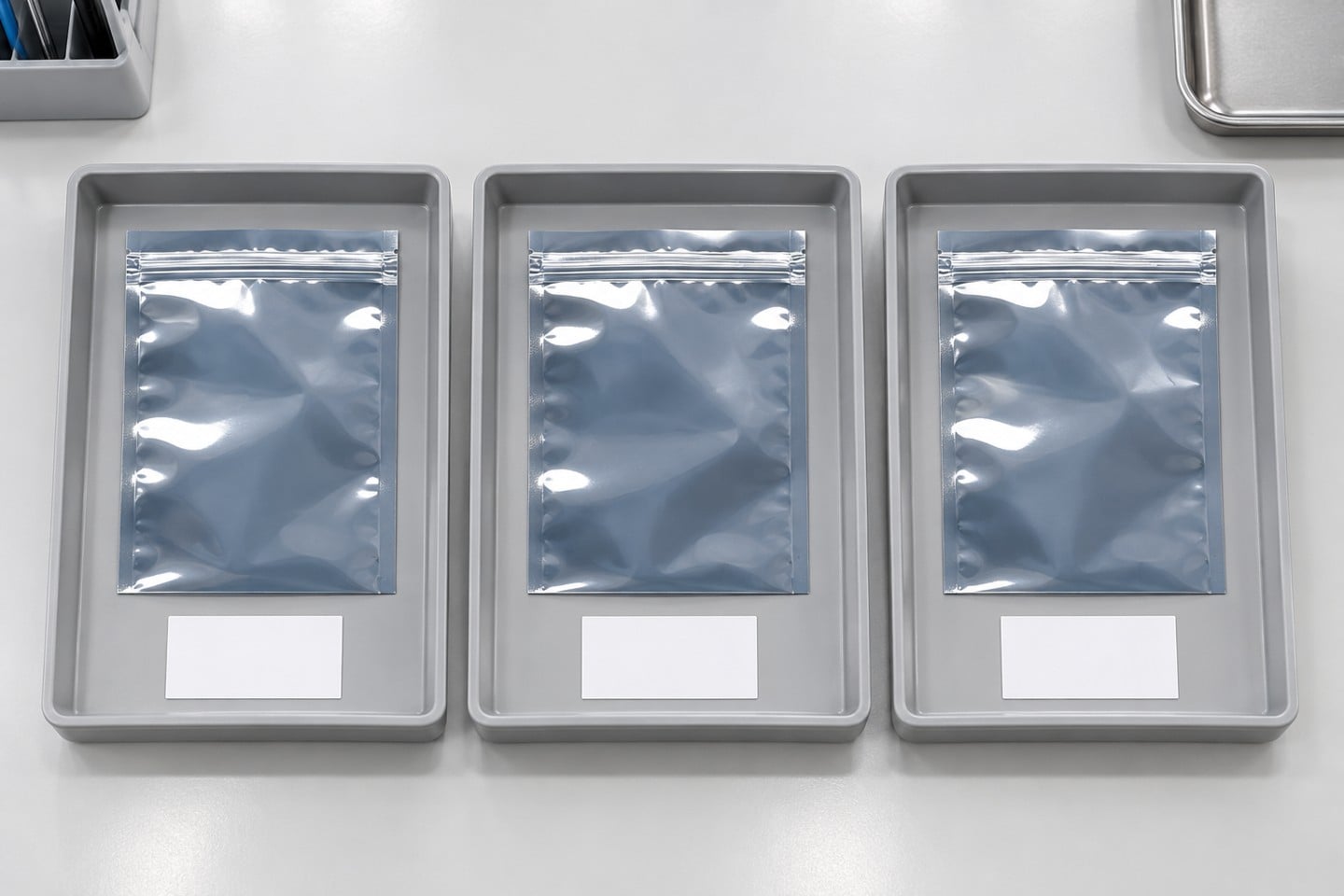
When a lot is divided, give each destination a record that links back to the parent lot and identifies the actual contents. Record quantities before and after the split, the responsible person and the intended test for each subgroup. Preserve revision boundaries. A recipient should not need to reconstruct the sample identity from an email chain after the packaging has been opened.
Create separate protected packages where that is needed for identification or handling. Do not use handwritten shorthand that only the sender understands. Keep the external shipping label distinct from the internal sample identifier so address changes do not overwrite technical identity. If individual samples require serial tracking, ensure the record maps each identifier to its destination and any approved handling difference.
For a split sent to several laboratories, provide a consistent evidence package while allowing clearly identified destination-specific instructions. Different tests may consume or alter the sample. Record whether unused devices can be returned and what evidence must accompany them. A returned sample is not automatically equivalent to its original state: its history may now include opening, testing or other exposure that affects permitted reuse.
Plan controlled opening at the receiving location
Tell the recipient what to inspect before opening: identity, quantity, package condition, closure and the required technical documents. Ask for discrepancies to be recorded while the original packaging remains available. A photograph can help document damage, but it does not establish electrostatic or moisture performance. Preserve the observations and let the relevant technical owner decide whether the sample can enter the test process.
Define the approved opening location and handling procedure through the receiving team’s ESD program. Protected packaging should not be opened casually at an uncontrolled desk merely because the quantity is small. The sender cannot guarantee the recipient’s environment through packaging alone. Confirm the handoff arrangements in advance and make the instructions practical enough to follow during receiving.
Keep the identity attached to the sample after removal from the outer package. Temporary bench storage can be a weak point in an otherwise well-documented shipment. Use an approved container and identification method for the next process step. If the sample changes location or ownership, update the custody record. This avoids a situation in which the shipping record is complete but the tested device can no longer be traced to it.
Explain the electrostatic mechanism behind protective handling
The EOS/ESD Association educational video below introduces ESD concepts used in university lectures. It supplies background for understanding why protective handling continues after a shipment arrives. It is not a packaging qualification test and does not demonstrate the performance of a SWESD product. The written procedure and verified requirements remain the basis for preparing and opening the engineering lot.
For the broader packing specification, the PCB ESD packaging standard guide shows how to organize verifiable requirements. Semiconductor samples have their own geometry and device restrictions, so do not copy a board packing arrangement without review. The useful common principle is to connect each requirement with evidence, a controlled packing step and an accountable release decision.
Preserve the evidence if a shipment arrives damaged
Ask the recipient to retain the sample, internal support, bag, closure and outer package while documenting the condition. Record the affected identifiers and whether the damage is visible before or after opening. Avoid immediately repacking everything into new materials and discarding the evidence. That can make it difficult to distinguish a packing problem from a transport event or a later handling issue.
If the devices are intended for failure analysis, coordinate additional restrictions with the analysis owner. Cleaning, marking or electrical testing may alter evidence and should follow the approved investigation plan. A successful power-on check is not a complete declaration that transport caused no damage. Keep observed test results separate from conclusions about the cause, especially when the original exposure history is incomplete.
Decide how returned devices are identified and packed. Record what happened at the destination and whether the original packaging remains suitable for reuse. Damaged, contaminated or uncertain packaging should not be reused merely because it still closes. The technical owner should determine the required inspection and replacement criteria. Link the return record to the original engineering lot so repeated shipments do not erase accumulated history.
Prepare an RFQ for sample packaging that suppliers can answer
Send the supplier the device geometry, sensitive features, quantities, proposed route and the required evidence for the protective arrangement. State whether the shipment needs identified compartments, repeated opening, moisture control or return handling. Do not assume a supplier can infer the engineering objective from a bag size alone. Ask for explicit deviations and item-specific documentation before approving the purchase.
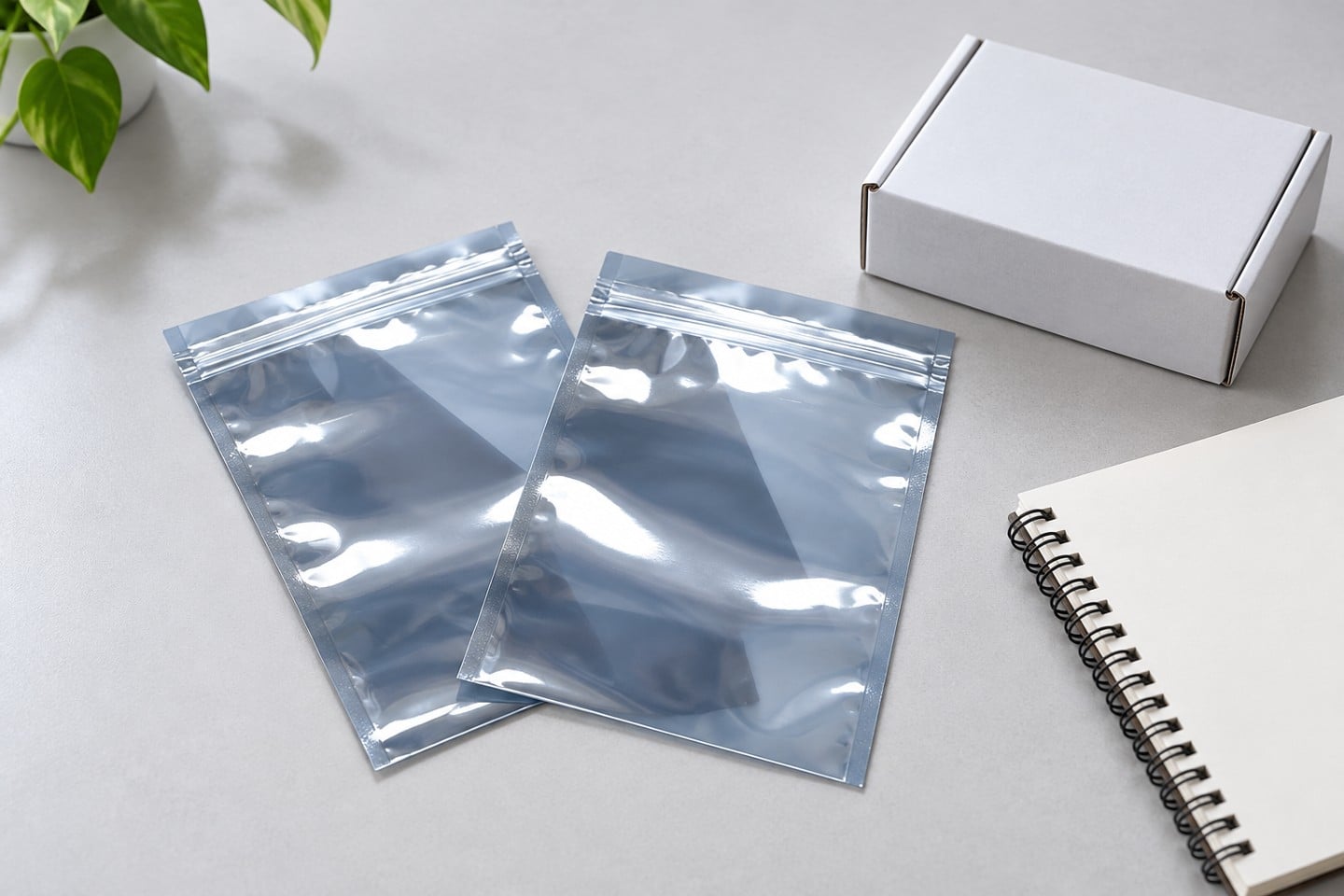
The SWESD ESD shielding bag page can support a discussion of available packaging. Confirm the construction, applicable test evidence, closure instructions and intended use for the exact item. The reference-based images here depict empty packages and controlled sample organization; they establish no shielding performance, moisture-barrier capability or device certification. A complete engineering shipment combines verified protection with accurate identity, handling instructions and a record that survives the entire handoff.
Sık sorulan sorular
Can small sample quantities use informal packaging?
No. Determine protection and identity requirements from the devices and route, not merely from shipment quantity.
Is a shielding bag necessarily a moisture-barrier bag?
No. Confirm the required construction and device-specific moisture handling procedure separately.
How should a split engineering lot be identified?
Link each subgroup to the parent lot and record its exact contents, revision, destination and intended test.
Does a photo establish shielding performance?
No. Request relevant evidence for the exact package and use it under the approved procedure.
Should damaged packaging be discarded before investigation?
Retain it with the identified samples and condition records until the responsible investigation owner approves disposition.

Bir Yorum Bırakın