- เทอร์โบ
- บล็อก
An electrostatic field meter with a frozen reading may simply be displaying a held snapshot. On the FMX-003 versions described in the operating instructions cited below, HOLD stops the displayed measurement from updating; releasing HOLD resumes measurement. Check the mode indicator before treating an unchanged number as a sensor fault. Preserve the observation, use the instructions supplied with your exact instrument, and take a new reading under the approved measurement conditions. A held value cannot tell you what is happening at a different location, and releasing it does not prove that the instrument is calibrated or suitable for a particular acceptance test.
Separate a saved-looking display from a live observation
An operator measures a charged surface, moves to a second station and sees the same number. Without checking the instrument mode, the team may conclude that both stations have identical conditions. That conclusion is not supported if HOLD remained active. The first display belongs to the earlier observation. Moving the instrument changes the location of the instrument, but it does not turn a retained value into a measurement of the new target.
Start by recording the target, time, displayed units, visible indicators and whether a button was pressed. If the previous measurement supports a quality record, capture that information before changing modes. Do not write a guessed second location beside the retained value. If the original location is uncertain, describe that uncertainty and take a fresh observation rather than inventing a missing association.
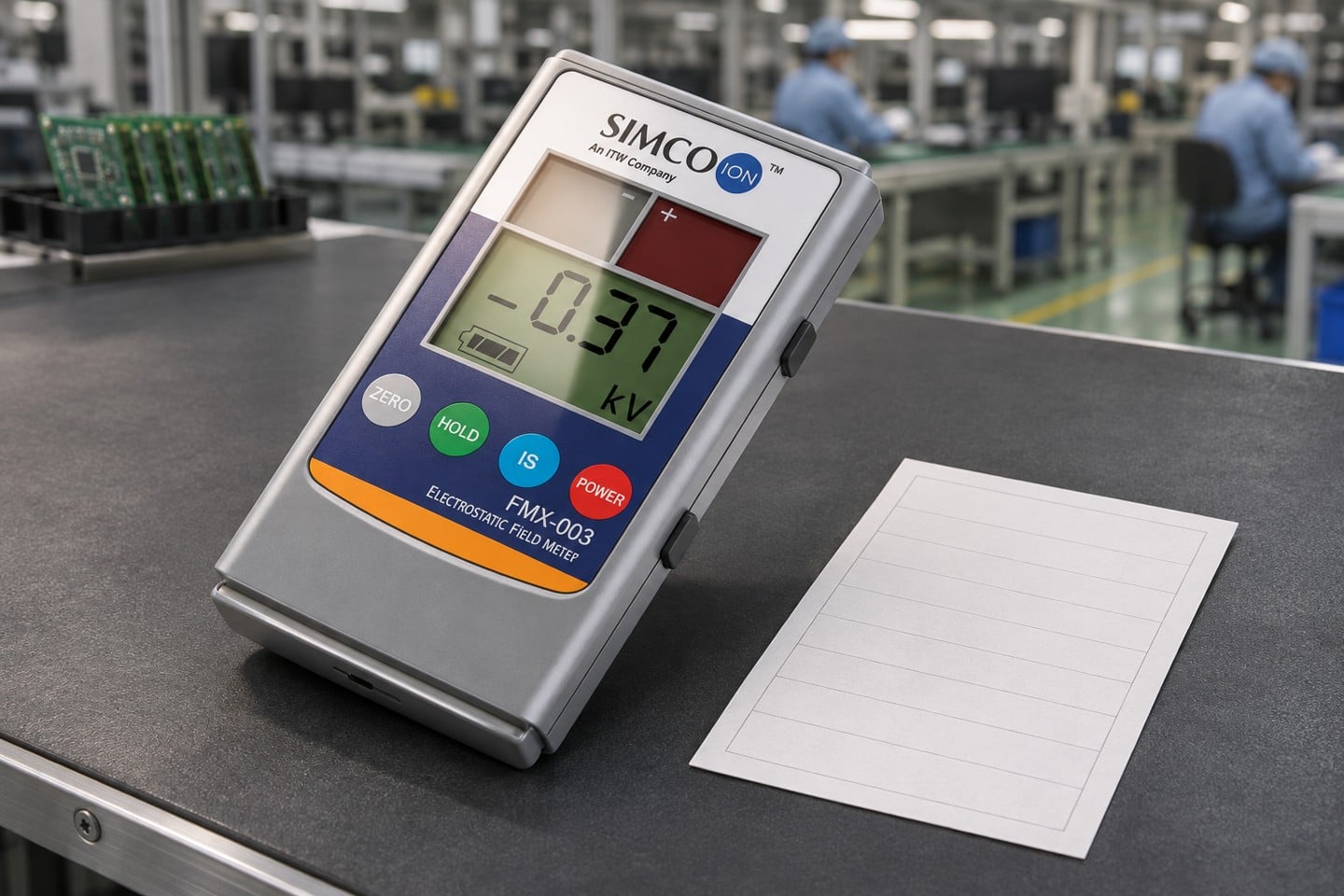
เดอะ SWESD electrostatic field meter product page identifies the relevant product family. Its photograph helps establish the instrument being discussed, but a product photograph does not establish the operating revision, calibration status or behavior of an individual delivered unit. Check the actual model, supplied manual and local work instruction before using the following troubleshooting route.
For the broader measurement context, the guide to what an electrostatic field meter measures introduces the instrument category. This troubleshooting article focuses on the narrower operating-state question: whether the visible number is still updating.
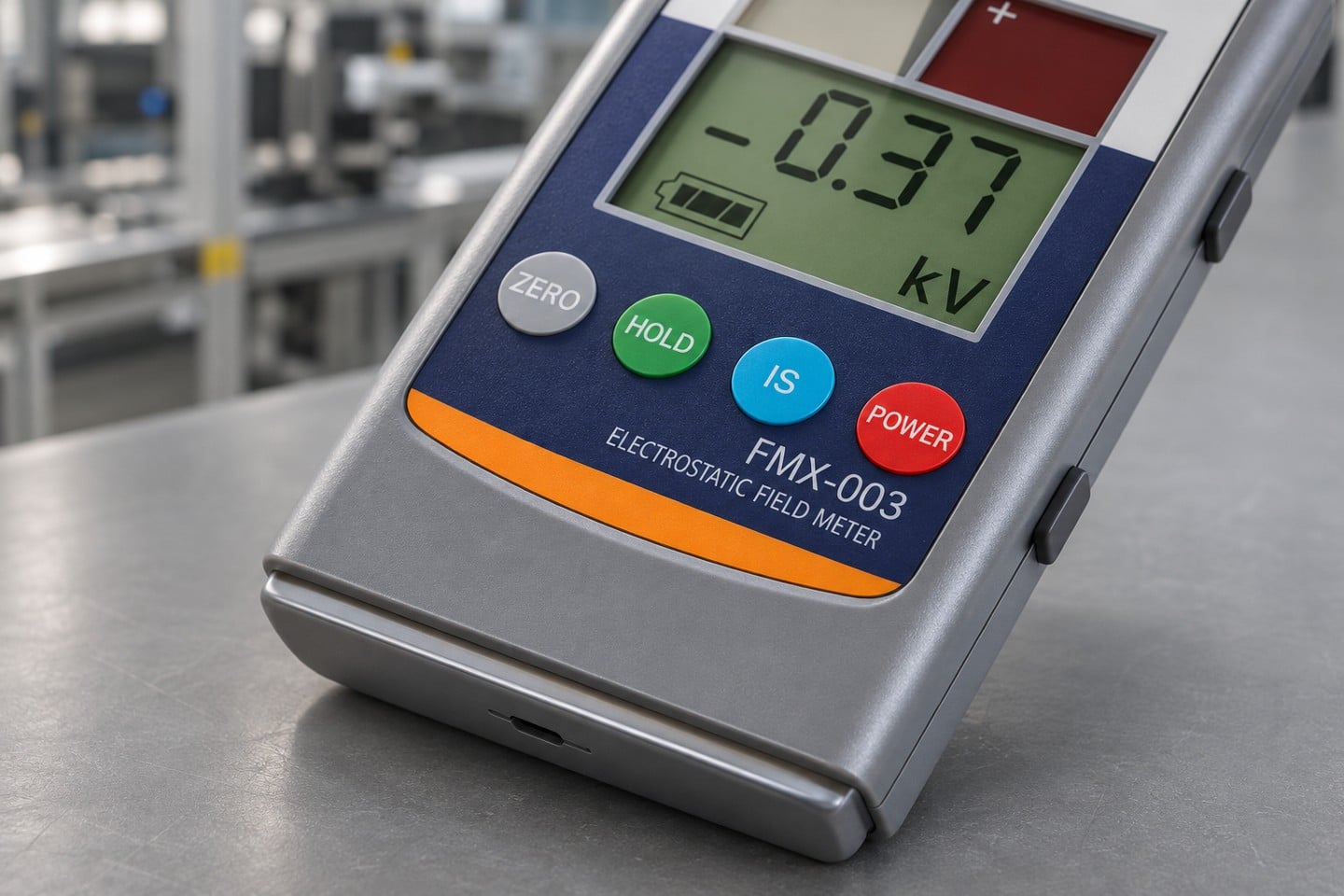
What the matching FMX-003 instructions establish
เดอะ original-author FMX-003 instructions available in this manual mirror explain the HOLD function and its relationship to normal measurement. This is a version-specific operating reference. Use the delivered instructions when they differ, and ask the supplier to resolve uncertain revision identity. Do not combine button sequences or numerical limits taken from different manuals.
For the version cited, the useful distinction is between retained display information and ongoing measurement. A display can look stable because it has intentionally stopped updating. That behavior alone does not demonstrate a stable field, a grounded target, a successful neutralization process or a failed sensor. Those are different questions requiring their own measurement conditions and evidence.
The same instructions distinguish HOLD from zeroing. Repeatedly pressing ZERO is therefore a poor first response to a frozen reading. Establish the operating mode, preserve any relevant observation and then follow the matching zero-check procedure if required. Zeroing is an operating adjustment under defined conditions; it should not be reported as a complete calibration or as proof that every earlier measurement was correct.
A practical decision table for an unchanged number
The following is a suggested troubleshooting record, not a standard limit or a substitute for the manufacturer procedure. Use it to decide what information to collect and which question to resolve next. A qualified owner must determine whether an observation can support a production decision.
| การสังเกต | Information to preserve | การตัดสินใจขั้นต่อไป |
|---|---|---|
| HOLD visible | Retained value, units and original target if known | Follow matching instructions to resume live measurement |
| No known mode | Visible display and recent operator actions | Resolve state before using result |
| Live response restored | Approved position, target and fresh value | Record a new observation |
| Still unresponsive | Model, mode and permitted checks performed | Remove from acceptance use for assessment |
| Error or damage | Exact symptom and instrument identity | Follow authorized service route |
Treat unknown status as unknown. If an operator cannot determine whether the display was held, the record should not quietly become a live reading during data entry. Retain the original note, identify the missing condition and repeat the observation when a repeat is possible and useful. If the process event has passed, the responsible owner should decide how to handle the evidence gap.
Check the mode without creating a new problem
First identify a safe place to perform the check. Do not approach exposed electrical conductors or reach into moving equipment merely to make the display change. An ESD field meter is not permission to access hazardous equipment. The approved station procedure should define the target, access conditions and any required shutdown or authorization.
Next compare the visible mode with the matching manual. For the cited version, the green HOLD control switches the function. Observe the indicator after using the control rather than assuming the press registered. A worn button, an uncertain instruction or a display that cannot be read clearly is a reason to stop and clarify, not to press several controls until something looks plausible.
Once the appropriate live mode is confirmed, recreate the approved measurement geometry and grounding arrangement. Keep the target and measurement position identifiable. A response check should change only conditions that the approved method allows. Do not rub random materials together near sensitive products to manufacture a large reading; that introduces an uncontrolled charging event and does not provide a traceable accuracy check.
For the positioning question, use the separate guide to electrostatic field meter measurement distance. It addresses a different source of interpretation error. Releasing HOLD fixes a mode issue; it does not correct an unsuitable distance, target geometry or grounding arrangement.
Keep HOLD, lighting, battery and errors separate
A dark distance indicator does not, by itself, identify the entire instrument state. The cited instructions describe indicator behavior in operating modes, so inspect the actual mode indication and consult the correct section. Avoid building a universal diagnosis around one visible lamp. Record what is observed without changing the description to fit a preferred explanation.
Likewise, a low-battery symbol and an unchanged number need separate attention. If the power condition is uncertain, follow the actual battery instructions before relying on further measurements. Do not assume that cancelling HOLD cures a battery issue. When several symptoms appear together, list them separately so a service contact can distinguish mode behavior from power or display problems.
An error message, missing display segments, visible damage or continued non-response after the permitted checks needs its own disposition. Stop using the instrument for acceptance decisions when its condition is doubtful. Do not open the housing, adjust internal components or invent a field repair. Keep the instrument identity and observations available for the responsible service provider.
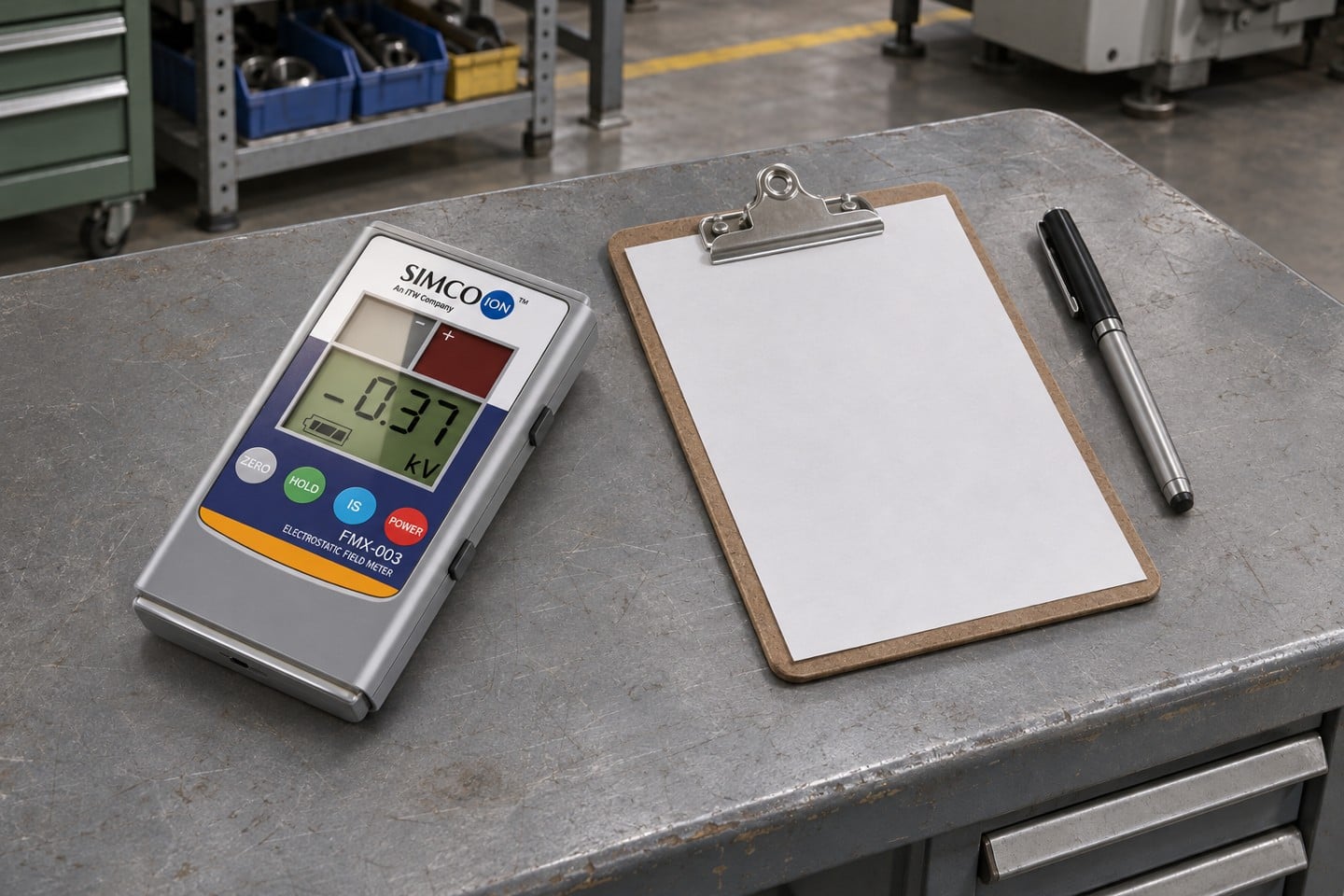
Build a record that preserves the meaning of the reading
A useful observation sheet connects the instrument, target and operating state. Include an instrument identifier, model, operator, date and time, location, target description, units and polarity where displayed. Note whether the number was observed live or retained using HOLD. Record the measurement method or work instruction reference so another person can understand the context.
Separate the time of acquisition from the time of transcription. An operator may use HOLD to move the instrument to a readable position and then write down the result. The later writing time is not necessarily the time at which the target was measured. The record should preserve that distinction when timing matters to the process.
Do not assume HOLD provides permanent data storage. The record-retention behavior must come from the exact manual and instrument version. If a value matters, transfer it into the approved record while it remains available, with the required context. A photograph of an unexplained number is weaker evidence than a complete observation linking that number to the target and conditions.
ทบทวนการตัดสินใจเดิมในสัดส่วนที่เหมาะสม
การค้นพบหน้าจอที่ยังคงอยู่ไม่ได้ทำให้การวัดผลในอดีตทั้งหมดเป็นโมฆะโดยอัตโนมัติ ควรระบุบันทึกเฉพาะที่อาจได้รับผลกระทบ: ผู้ดำเนินการ, ช่วงเวลา, เครื่องมือ และตำแหน่ง ค้นหาหลักฐานที่แยกความแตกต่างระหว่างการสังเกตสดและภาพถ่ายที่คัดลอกไว้ รักษารายการต้นฉบับและการแก้ไขเพื่อให้ประวัติศาสตร์ยังคงเข้าใจได้.
เจ้าของคุณภาพหรือเจ้าของ ESD ที่รับผิดชอบควตัดสินใจว่าจะทำการวัดซ้ำ ทบทวนการตัดสินใจในกระบวนการ หรือค้นหาหลักฐานเพิ่มเติม การอ่านค่าที่สดใหม่จะอธิบายสภาพปัจจุบัน; อาจไม่สามารถสร้างเหตุการณ์ในอดีตขึ้นใหม่ได้ ควรแสดงข้อจำกัดนี้เมื่อพูดคุยว่าสายการผลิตอยู่ในสภาพควบคุมที่ได้รับอนุมัติในช่วงเวลาก่อนหน้านี้.
เดอะ แนวทางของสมาคม EOS/ESD เกี่ยวกับการฝึกอบรมและการตรวจสอบ สนับสนุนความต้องการที่กว้างขึ้นสำหรับกระบวนการที่เข้าใจได้และการตรวจสอบ มันไม่ได้กำหนดแบบฟอร์มงานในบทความนี้หรือทำให้การวัดผลที่ถือครองเป็นที่ยอมรับ ใช้ภาพรวมขององค์กรเป็นบริบทและเอกสารโปรแกรมที่เกี่ยวข้องสำหรับความรับผิดชอบและกฎเกณฑ์การรับรองที่แท้จริง.
ฝึกอบรมการส่งมอบงานและกำหนดเวลาที่จะขอรับบริการ
ในการส่งมอบงานกะ ผู้ดำเนินการที่ออกไปควรแจ้งโหมดปัจจุบันและความหมายของค่าที่ยังคงอยู่ ผู้ดำเนินการที่เข้ามาควรไม่รับหน้าจอโดยไม่มีบริบท การสาธิตสั้น ๆ ที่สังเกตได้สามารถแสดงความแตกต่างระหว่างการเก็บผลลัพธ์และการวัดผลอีกครั้ง โดยใช้การตั้งค่าที่ปลอดภัยและได้รับการอนุมัติ แทนเครื่องมือที่อ่อนไหวต่อการผลิต.
แยกการฝึกอบรมนี้ออกจากการตรวจสอบเครื่องมือ บทความแยกต่างหากเกี่ยวกับ การตรวจสอบเครื่องวัดสนามไฟฟ้าสถิต กล่าวถึงความมั่นใจในเครื่องมือภายใต้วิธีการที่กำหนด การรับรู้โหมดเป็นข้อกำหนดเบื้องต้นสำหรับการตรวจสอบที่มีความหมาย แต่ไม่สามารถแทนที่ได้ หากมิเตอร์ยังคงไม่ตอบสนองหลังจากขั้นตอนที่อนุญาต ให้แยกเครื่องมือออกและรายงานหลักฐาน แทนที่จะใช้ปัจจัยการแก้ไขที่ประดิษฐ์ขึ้นเอง.
สำหรับการสนับสนุนจากผู้จำหน่าย ส่งโมเดลและรหัสประจำตัวที่แท้จริง เวอร์ชันคู่มือที่เกี่ยวข้อง โหมดที่สังเกต สัญญาณและการตรวจสอบที่ดำเนินการ อธิบายว่าปัญหาเป็นซ้ำได้หรือไม่ และหน้าจอจะตอบสนองหลังจากออกจากโหมด HOLD หรือไม่ หลีกเลี่ยงการส่งเพียงวลี “เครื่องวัดเสีย” ซึ่งขาดข้อมูลที่จำเป็นในการแยกแยะการทำงานที่คาดหวังออกจากความผิดปกติ.
เรียนรู้เพิ่มเติมเกี่ยวกับสนามไฟฟ้า
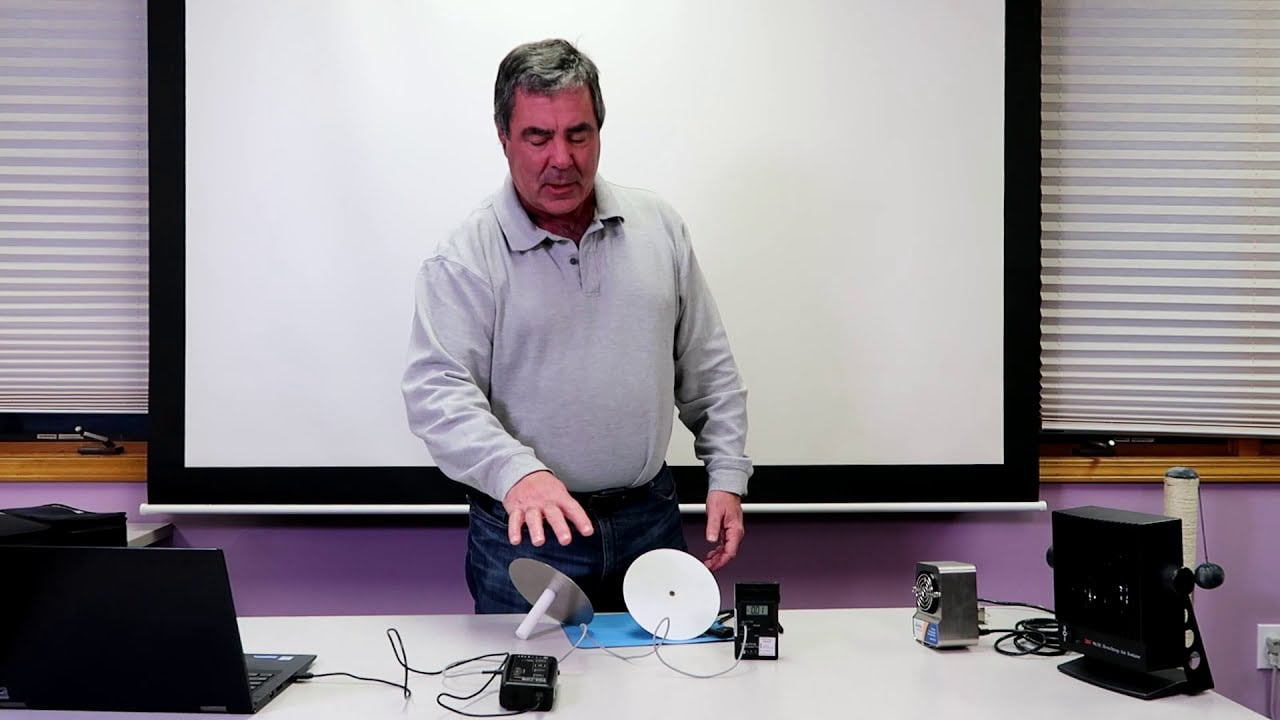
วิดีโอของสมาคม EOS/ESD ด้านล่างให้ข้อมูลพื้นฐานเกี่ยวกับการชาร์จไฟด้วยแรงเสียดทานและสนามไฟฟ้า ช่วยอธิบายว่าทำไมเป้าหมายและเงื่อนไขจึงสำคัญเมื่อแปลผลการวัด มันไม่ใช่คู่มือซ่อมแซม FMX-003 ทีละปุ่ม การสาธิตการสอบเทียบ หรือหลักฐานว่าเครื่องมือในภาพผ่านการทดสอบ ให้ปฏิบัติตามคู่มือเครื่องมือที่ตรงกันสำหรับการควบคุมการทำงาน.
คำถามที่มักถูกถาม
การอ่านค่าที่ไม่เปลี่ยนแปลงแสดงว่าพื้นที่สนามเป็นค่าคงที่หรือไม่?
ไม่ใช่ หน้าจอที่ยังคงอยู่สามารถแสดงการสังเกตในอดีตได้ ยืนยันโหมดการทำงานและเงื่อนไขการวัดผล.
ควรกด ZERO เพื่อปล่อย HOLD หรือไม่?
ใช้คู่มือที่ตรงกันเพื่อออกจากโหมด HOLD อย่ารอให้การตั้งศูนย์เป็นวิธีแรกในการแก้ปัญหาโหมดที่ไม่รู้จัก.
การออกจากโหมด HOLD ยืนยันการสอบเทียบหรือไม่
หมายเลข การดำเนินงานโหมดและการสอบเทียบเป็นคำถามที่แตกต่างกัน ใช้การตรวจสอบและการสอบเทียบที่จำเป็น.
ฉันสามารถย้ายเครื่องวัดและใช้ค่าที่เก็บไว้สำหรับตำแหน่งใหม่ได้หรือไม่?
No. The retained number belongs to the original observation, if that context is known. Take a fresh measurement for a different target.
ถ้าหากมิเตอร์ยังคงไม่ตอบสนองล่ะ?
หยุดพึ่งพามันในการตัดสินใจรับรองผล คงไว้ซึ่งอาการและขอการประเมินผลที่ได้รับอนุญาตหลังจากการตรวจสอบที่อนุญาตแล้ว.
แสดงความคิดเห็น