- เทอร์โบ
- บล็อก
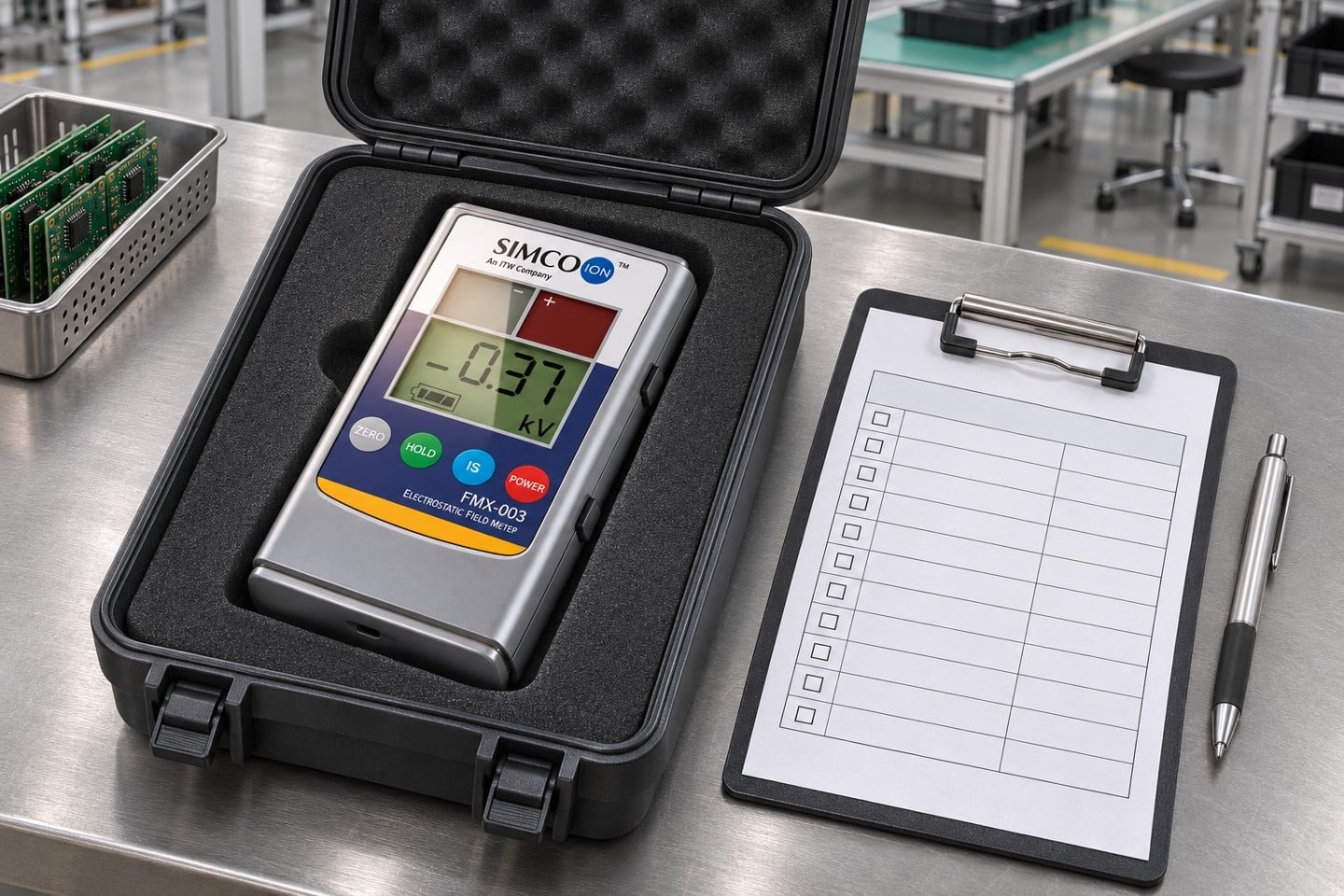
An FMX-003 low battery measurement interruption should trigger a controlled pause: identify the instrument, preserve the incomplete result, follow the instructions supplied with that particular meter, and repeat the affected measurement under the required conditions before acceptance use resumes. Do not turn a battery symbol into a remaining-runtime estimate or treat a restarted display as proof that the previous result was valid. This guide focuses on interrupted work and its records. It does not replace the delivered operating manual, establish a calibration interval, or prescribe one battery specification for every instrument carrying an FMX-003 label.
Identify the meter and the instruction revision first
เดอะ เครื่องวัดสนามไฟฟ้าสถิต SWESD is a relevant starting point for a purchasing discussion, but a product-family name alone is insufficient for a maintenance instruction. Match the actual instrument identity, supplied documentation and revision before selecting a replacement battery or a restart procedure. Keep the purchasing specification separate from the instructions that apply to the instrument in hand. If the documentation and the delivered unit disagree, ask the supplier to resolve the discrepancy instead of assembling a procedure from several unrelated online manuals.
Two accessible original-author manual copies illustrate why that distinction matters. The FMX-003 multilingual operating manual describes checking the battery display, while the FMX-003 instruction document explains that the displayed battery area is not proportional to remaining energy. Both are hosted copies of manufacturer material, not a statement that their revision matches every SWESD delivery. Obtain the applicable copy with the actual order.
Preserve what happened before changing anything
When the operator notices an empty indication, loss of power or an incomplete observation, record the condition before replacing the battery. Capture the meter identifier, job or sample identifier, observation time, operating mode and the stage at which work stopped. Describe what was actually seen. An instrument that switched off without an observed warning should be recorded that way; do not reconstruct a warning that nobody saw. A short factual note is more useful than a confident but unsupported explanation.
Keep any partial entry associated with its original job. Mark it as interrupted or pending technical disposition rather than quietly deleting it and entering a replacement value in the same field. If the record system cannot represent an interrupted observation, use its approved exception route. The purpose is to preserve the relationship between the first attempt and the repeat. This also prevents a later reviewer from mistaking an unfinished measurement for a completed acceptance check.

Separate battery condition from other display behavior
A battery warning, an automatic power-off event and a held display are different observations. Some documented FMX-003 versions have an automatic power-off mode, and HOLD maintains an earlier reading rather than providing a new live observation. Check the applicable operating instructions and visible mode indications before diagnosing a failure. Do not repeatedly press buttons until the display appears normal, because that can erase the sequence needed to understand the interruption and make the eventual record harder to explain.
Likewise, the absence of distance-indicating lights is not by itself a battery diagnosis. A changed indication may relate to operating mode or power-saving behavior described in a particular manual. Record the symptom, then verify the explanation against that revision. If behavior remains unexplained after the authorized battery action, remove the meter from acceptance use and seek competent support. Continuing to exchange batteries is not a substitute for resolving an unresolved instrument condition.
Use a short interruption decision table
The following table is a proposed local record aid. It is not a manufacturer troubleshooting chart or a published standard. Adapt its fields to the process, retaining a clear distinction between observation, action and release evidence. The operator should not have to invent an explanation merely to complete a required form field. Where the cause is uncertain, record uncertainty explicitly and assign an owner to resolve it before the affected work is closed.
| Observed event | Record before action | Decision before closure |
|---|---|---|
| Empty battery indication | Instrument, time, job and visible condition | Applicable replacement instructions identified |
| Power lost during work | Last completed step and incomplete observation | Affected work assigned for review |
| Display stays unchanged | Visible mode and actual symptom | Distinguish HOLD from a live reading |
| Power returns after replacement | Actual action and functional checks | Complete required post-action checks |
| Repeat made with another meter | Replacement instrument and method | Suitability and job linkage recorded |
| Original condition cannot be repeated | What evidence remains and why | Responsible owner documents disposition |
Read the table together with the supplied manual. An instrument restart can establish that the display powers on, but it does not independently verify measurement accuracy. A new battery does not repair impact damage, resolve a grounding problem or prove that the interrupted reading was suitable. For physical incidents, use the separate dropped field meter response. Keeping the two routes distinct prevents a routine consumable replacement from concealing a more serious event.
Replace only under the applicable instructions
Assign battery replacement to someone authorized for that task. Follow the supplied requirements for battery type, polarity, access and closure; do not infer chemistry from a photograph or from a manual for another model. Prepare a clean place for the meter and keep removed consumables separate from items intended for installation. If the compartment or connector is visibly damaged, stop and seek the appropriate service decision instead of forcing the cover, connector or battery into place.
Record the replacement as a maintenance event with the actual date and operator. The record should identify the action performed without claiming a calibration was completed. If local requirements call for battery stock traceability, retain the information required by that procedure. Avoid adding unnecessary fields that nobody can verify, such as an invented percentage of remaining battery life. A useful maintenance entry tells the next user what changed and which post-action checks remain to be completed.
Re-establish the conditions for the measurement
After the authorized battery action, return to the measurement procedure rather than continuing from the last visible number. Reconfirm instrument identity, required operating mode, grounding arrangement and the specified measurement geometry. The field meter measurement-distance guide addresses geometry as a separate issue. Changing a battery does not preserve the position of the sample, its charge condition or the operator’s original setup. Those conditions must be established again as relevant to the method.
Repeat any checks required by the applicable manual and the local measurement procedure. Document the result of those checks accurately: powering on, establishing a reference and completing a functional check are different activities. Do not call a simple restart a calibration. The field meter verification guide can help organize the broader questions, while the specific acceptance criteria must come from the actual instrument and process documentation rather than from this article.
Decide which work must be repeated
Start with the interrupted observation and identify what it was intended to decide. A diagnostic survey, a production release check and an investigation record may have different consequences. The responsible technical or quality owner should determine the review boundary from the available evidence. Do not automatically invalidate every historical measurement, but do not assume that all preceding work is acceptable merely because no warning was recorded. Preserve what is known and explain the chosen boundary.
For example, suppose an operator loses power while recording the third location in a five-location survey. Retain the first two entries and the interrupted third entry with their timestamps. After the meter is restored, repeat the work required by the applicable procedure and link the new observations to the same job. If the process condition changed during the pause, identify that change. The later result describes the later conditions; it cannot reconstruct the earlier charge state with certainty.
Close the maintenance event and the measurement separately
Use separate closure questions. Was the battery action completed correctly? Was the instrument returned to an authorized usable condition? Was the affected measurement completed or otherwise dispositioned? A single checkbox labeled resolved can hide an unfinished task. Name the owner of each decision, particularly when maintenance personnel return the meter before the production or quality team has decided what to do with the interrupted job. Clear handoff prevents equipment availability from being confused with product acceptance.
For a repeat measurement, retain the applicable method, the new observation, the job reference and the link to the interrupted attempt. If a different instrument is used, record its identity and suitability for the task. Do not simply copy a previous value to make a checklist look complete. When no repeat is possible, the responsible owner must document the available evidence and the disposition under the actual process requirements. This article cannot supply an acceptance decision for an unobserved condition.
Prepare a practical purchasing and handoff request
When requesting field meters for several stations, ask the supplier to identify the delivered model and documentation revision, included accessories, battery requirements, replacement instructions and available support. Ask which checks are expected after routine replacement and which conditions require service. These questions help the buyer plan consumables and training without assuming every similarly named meter has interchangeable instructions. Keep the supplier’s answer with the purchase record so later operators can find the applicable information.
A shift handoff should state the meter identifier, current availability, completed maintenance action, required remaining checks and the status of any interrupted jobs. Store the instrument so that the next operator can identify its condition before taking it to a station. Avoid leaving an unidentified spare beside it that could be mistaken for the installed battery. A simple, maintained handoff record usually serves this purpose better than an elaborate form that is not updated after real events.
Further learning: electric fields and changing conditions
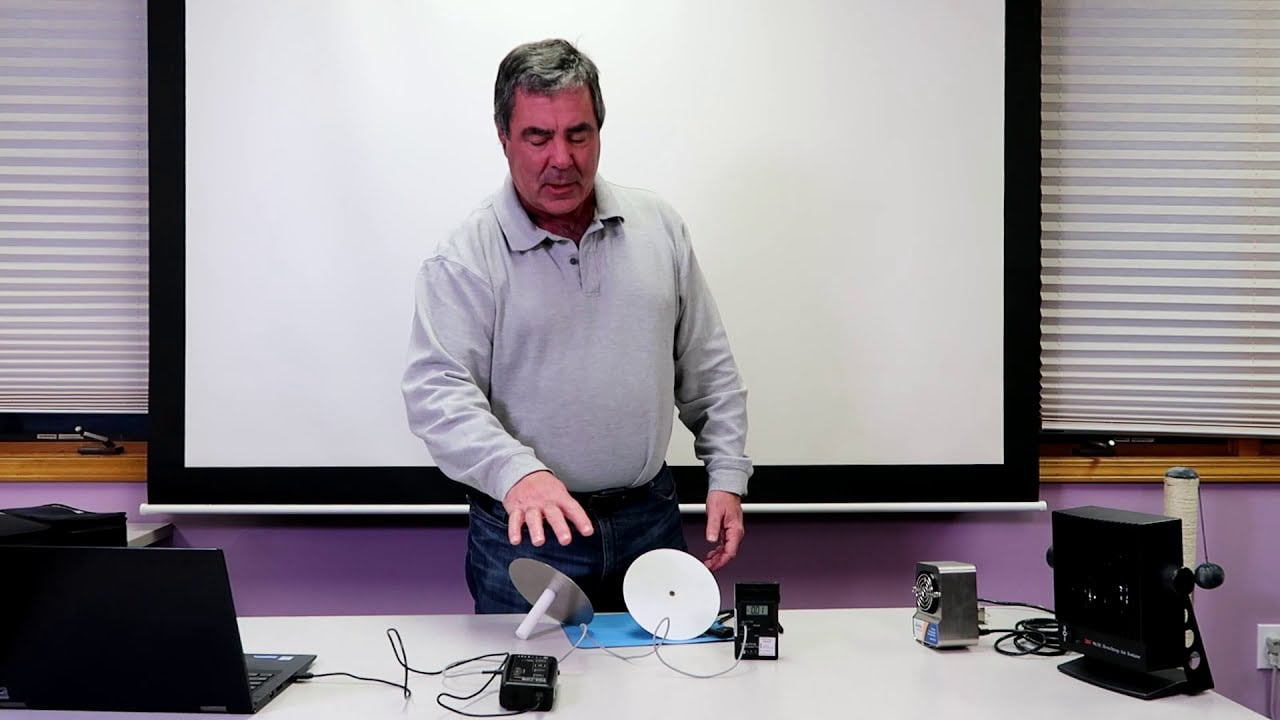
The EOS/ESD Association educational video below explains tribocharging and electric fields. It provides background for understanding why measurement conditions matter; it is not an FMX-003 battery-replacement demonstration. Use the applicable written instructions for maintenance and operation. A field reading belongs to a specific observation and setup, which is why an interruption requires a deliberate restart of the measurement process rather than an undocumented continuation from a previously visible display.
คำถามที่มักถูกถาม
ไอคอนแบตเตอรี่แสดงเปอร์เซ็นต์การใช้งานที่เชื่อถือได้หรือไม่?
Do not infer one. Consult the applicable manual; the cited instruction document says the displayed area is not proportional to remaining energy.
การเปลี่ยนแบตเตอรี่เหมือนกับการปรับเทียบมิเตอร์หรือไม่?
ไม่ บันทึกการดำเนินการบำรุงรักษาและทำการตรวจสอบแยกที่จำเป็นตามอุปกรณ์และขั้นตอนการวัดที่แท้จริง.
ควรลบการอ่านบางส่วนออกไปหรือไม่?
รักษาความพยายามที่ถูกขัดจังหวะและเชื่อมโยงการทำซ้ำหรือการตัดสินใจตามกระบวนการบันทึกที่ได้รับการอนุมัติ.
การที่หน้าจอปิดลงหมายความว่าถ่านหมดเสมอหรือไม่?
ไม่ใช่ ตรวจสอบโหมดการทำงานจริงและอาการต่างๆ เทียบกับคำแนะนำที่ให้มา รวมถึงพฤติกรรมการปิดเครื่องอัตโนมัติที่เกี่ยวข้อง.
คู่มือ FMX-003 ออนไลน์หนึ่งเล่มสามารถกำหนดความต้องการแบตเตอรี่ที่จัดส่งทั้งหมดได้หรือไม่?
ไม่ ตรงกับเอกลักษณ์ของเครื่องมือและการปรับปรุงเอกสาร และแก้ไขความไม่ตรงกันกับผู้จัดจำหน่ายก่อนการบำรุงรักษา.
โพสต์ล่าสุด
-

-
 ป้ายติดถุงป้องกัน ESD: รายการตรวจสอบที่ใช้ได้จริง25 พ.ย.,2026
-
 มิเตอร์สนามไฟฟ้าสถิตที่หล่น: ถือ, ประเมินและปล่อย25 พ.ย.,2026
แสดงความคิดเห็น