- wp_kexun
- Блог
When a quality engineer in Shenzhen compared two ESD trays with a handheld meter, one result changed by three decades after the electrodes were moved. The supplier had not changed the material; the test setup, contact, voltage, and conditioning had changed. A resistance number without a method had created a false comparison.
Резюме: Surface resistance testing is useful only when the item, method, voltage, electrodes, environment, conditioning, and acceptance limit are defined. Buyers should distinguish point-to-point resistance from resistance-to-ground, verify instruments and leads, record results in scientific notation, and investigate trends rather than accepting a single unrepeatable reading.
What surface resistance measurements actually show
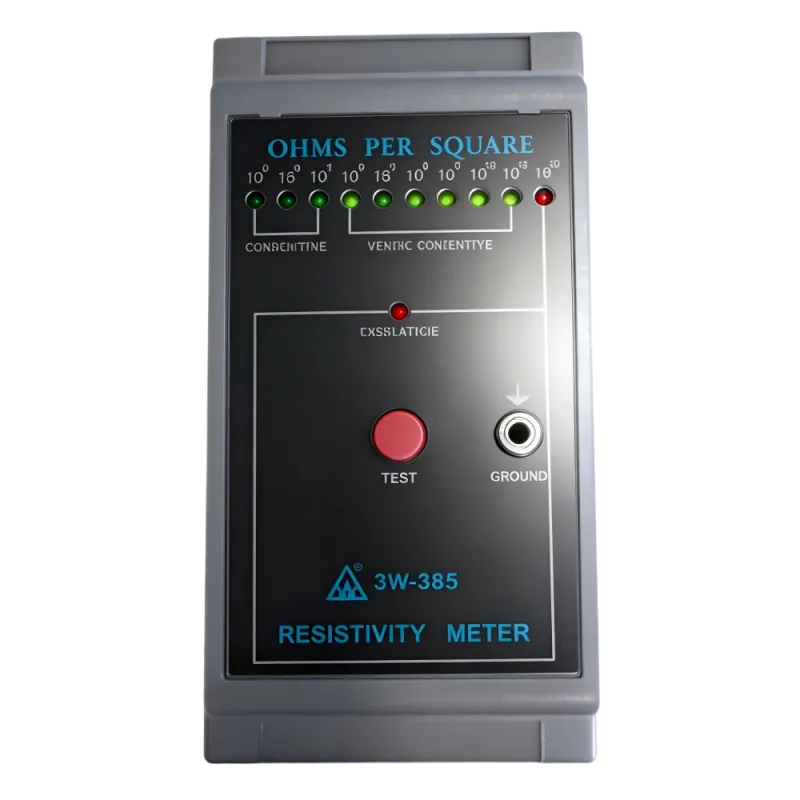
Point-to-point resistance evaluates the path between two electrodes on a surface. Resistance-to-ground evaluates the path from an electrode through the installed item and its ground connection. These answer different questions; a mat can have acceptable surface behavior yet fail because its snap or ground lead is open.
The correct method depends on the Поставки ЭПС under test. Flexible mats, trays, bins, garments, floors, and packaging have different geometries and applicable methods.
Why test voltage, electrodes, and environment matter
Many resistance instruments use 10 V and 100 V ranges; the selected voltage can affect the displayed result and must follow the method. Electrode mass, contact area, spacing, surface cleanliness, humidity, and conditioning time also influence measurements.
Record temperature and relative humidity when they materially affect the product. Do not compare a supplier laboratory result with a factory floor reading unless both methods are understood. If readings are unstable, allow the item to condition, confirm electrode contact, inspect the surface for cleaner residue, and repeat the defined sequence before declaring the material nonconforming.
How to test installed SMT controls
Begin with the instrument check, clean electrodes as specified, inspect the item, and isolate unrelated parallel paths. For resistance-to-ground, test the installed ground connection. For point-to-point, place electrodes at defined positions and repeat enough locations to represent the working area.
For ESD совместимые SMT источники питания such as bins and trays, test representative surfaces and configurations. For wrist straps and footwear, use the dedicated system test rather than treating them as flat sheet materials. Photograph unusual setups so later technicians can reproduce electrode placement accurately.
What surface resistance cannot prove
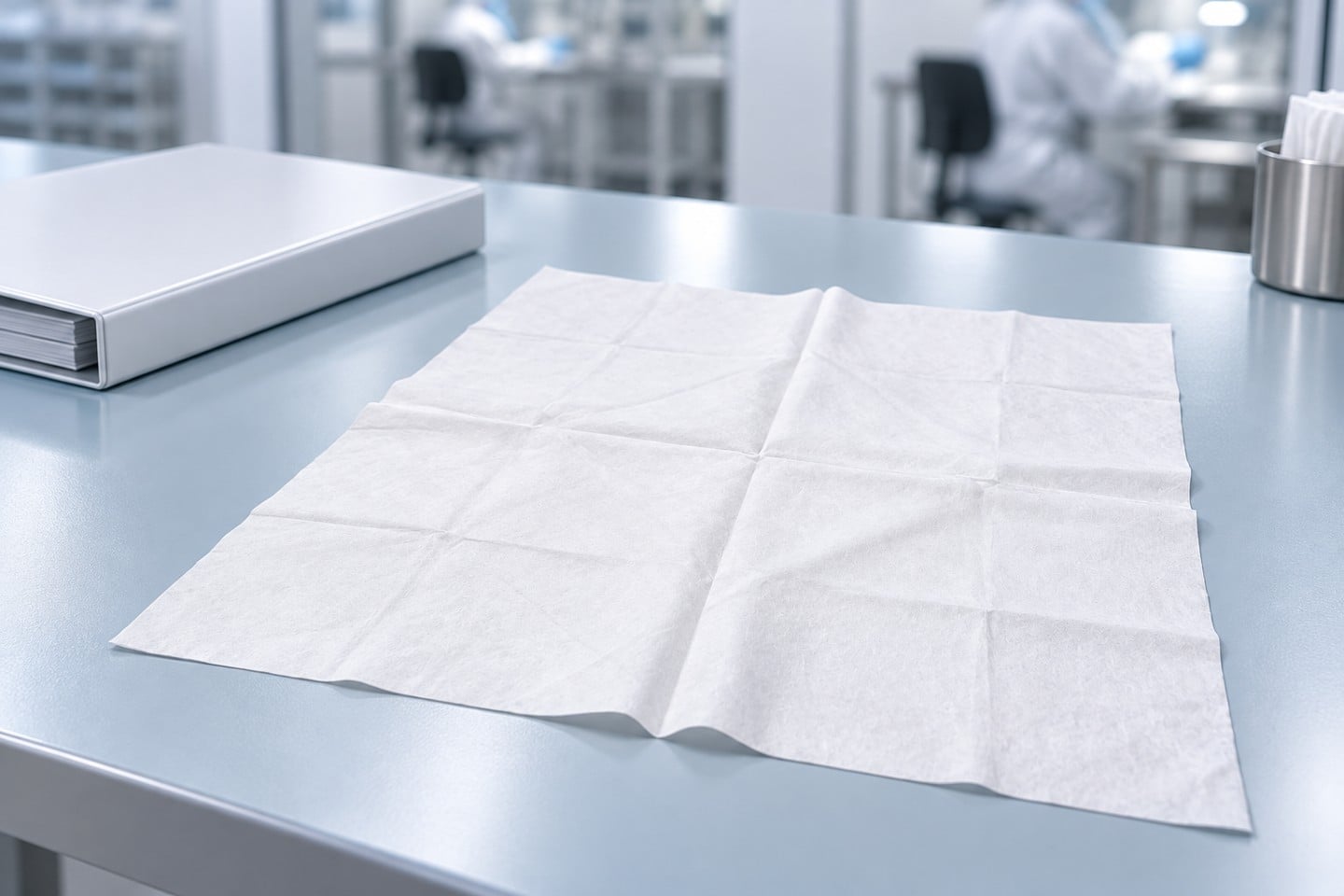
Resistance alone does not prove low charge generation, shielding, particle cleanliness, chemical compatibility, mechanical strength, or process fit. An Антистатическая салфетка may require lint and chemistry evidence; Салфетки для трафаретов SMT require machine fit; Антистатические ленты require peel and residue performance.
A complete qualification combines electrical data with the product’s real function. The honest answer is that a correct meter reading can still support the wrong purchasing decision if the wrong property was measured.
Point-to-Point, Ground, Personnel, and Field Tests
| Measurement | Connection | Question answered |
|---|---|---|
| Point-to-point resistance | Two electrodes on the item | Can charge move across the surface? |
| Resistance-to-ground | Electrode through installed ground path | Can charge reach the designated ground? |
| Personnel system test | Person through footwear or wrist strap | Is the operator grounding path intact? |
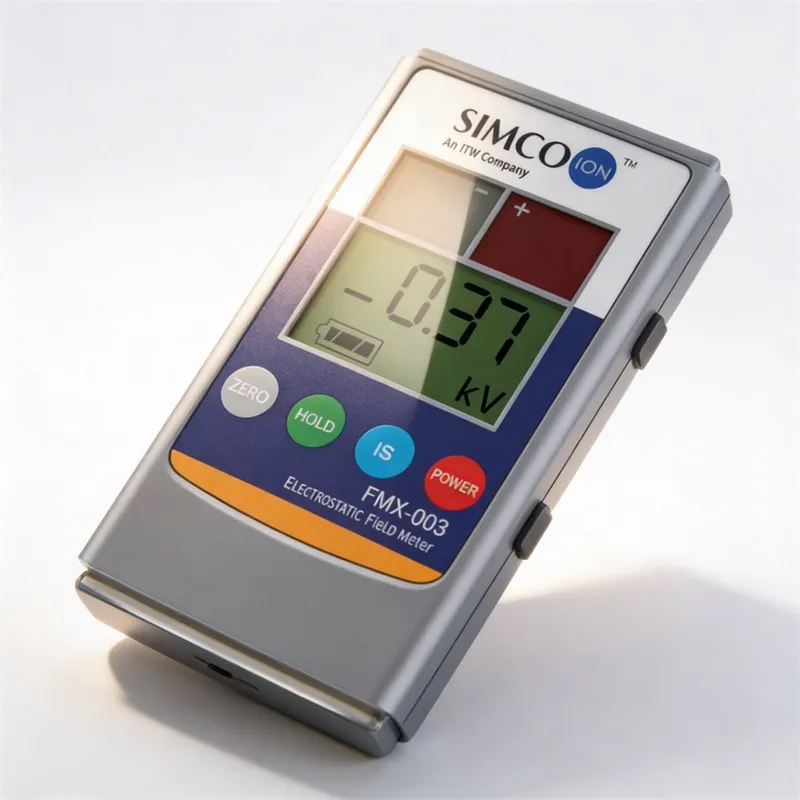
| Electrostatic field measurement | Field meter at specified distance | Is significant charge or field present? |
What Every Surface-Resistance Test Record Must Include
| Record field | Почему это важно | Пример |
|---|---|---|
| Instrument and calibration | Establishes measurement traceability | Tester ID and due date |
| Voltage and electrode setup | Makes the result reproducible | 10 V/100 V, electrode spacing |
| Окружающая среда | Explains humidity-sensitive behavior | 23 °C, 40% RH |
| Result and limit | Supports pass/fail and trending | 3.2 × 10^7 ohms; limit < 1 × 10^9 |
Surface-Resistance Test Methods and Compliance Requirements
ANSI/ESD S20.20 and IEC 61340-5-1 establish the control and verification framework. ANSI/ESD STM and IEC 61340 test methods address particular products and measurements. The site procedure should cite the exact method and revision; “tested to ESD standards” is too broad to reproduce.
How to Avoid Misleading Resistance Readings
- Define the measurement before selecting the meter.
- Check calibration and leads before testing production items.
- Record voltage, electrodes, environment, and scientific-notation result.
- Test installed ground paths, not only loose material samples.
- Trend results and investigate shifts before limits are exceeded.
Sanwei поставляет антистатические (ESD) материалы и продукцию для работы с ними с сертификатами ISO 9001, ISO 14001:2015, документацией RoHS/SGS и поддержкой программ, соответствующих стандартам IEC 61340-5-1 и ANSI/ESD S20.20.
Часто задаваемые вопросы
What is the difference between surface resistance and resistivity?
Resistance is measured on a particular item and geometry; resistivity is a normalized material property. Purchasing and compliance documents must use the correct term and method.
What voltage should be used for ESD resistance testing?
Many methods use 10 V or 100 V depending on the expected range, but the governing procedure and instrument instructions control the selection.
How many readings should be taken on an ESD mat?
Use enough defined locations to represent the working area and ground path; the site procedure should specify positions and frequency.
Can a multimeter test ESD supplies?
A standard multimeter often lacks the voltage range, electrode system, and measurement capability required for high-resistance ESD tests.
Does a passing resistance test prove a product is ESD safe?
No. It proves only the measured property under the recorded conditions; charge generation, shielding, cleanliness, and process compatibility may also matter.
Ссылки
- Стандарты Ассоциации электростатического разряда
- IEC 61340-5-1
- Стандарты IPC
- система менеджмента качества ISO 9001
Разница заключается не просто в этикетке продукта — она в проверяемых решениях, которые удерживают каждую передачу в рамках плана контроля. Sanwei создает изделия с защитой от электростатического разряда и решения для обработки материалов именно для такого момента; связаться с командой Sanwei рассмотреть заявление, доказательства и особые требования.
Последний пост
-
-
 ESD Wrist Strap Test Frequency and Recordkeeping12 Окт,2026
 -
 Handheld vs Fixed Electrostatic Field Meters12 Окт,2026
Оставить ответ