- wp_kexun
- Блог
When a PCBA production manager in Dallas approved a new SMT line from a single purchasing spreadsheet, every item arrived on time. During the first audit, however, ordinary tape crossed an ESD protected area, stencil wipes shed fibers, and unverified bins moved sensitive boards between stations. The failure was not a shortage of supplies; it was a list that described products without defining their electrical and process roles.
Резюме: A complete ESD compliant SMT supplies list must cover personnel grounding, EPA surfaces, component handling, cleaning, identification, and verification. Buyers should connect every item to an ANSI/ESD S20.20 or IEC 61340-5-1 control-plan requirement, assign a test method, and record a replacement trigger. The practical goal is not the longest catalog; it is a closed material flow with no unprotected handoff.
What belongs on an ESD compliant SMT supplies list
The starting point is the process map. Incoming reels, bare boards, work in process, rework, and finished assemblies each touch different surfaces; an ESD совместимые SMT источники питания list should therefore be organized by control point rather than by vendor catalog page.
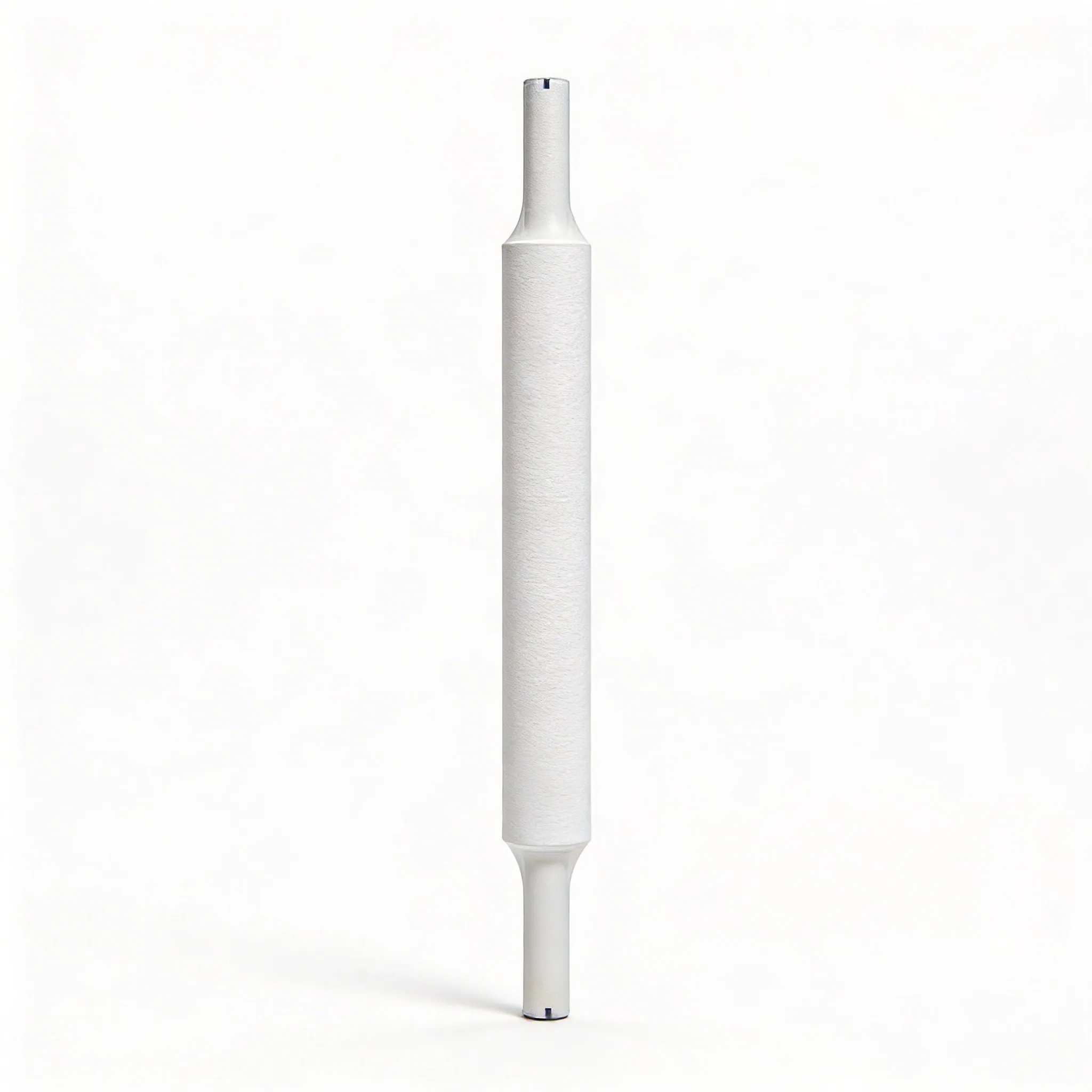
Personnel items include wrist straps, footwear, garments, gloves, and testers. Workstation items include grounded mats, common-point grounds, ionization where required, and continuous monitors. Material-flow items include ESD bins, trays, magazine racks, trolleys, shielding bags, labels, and Антистатические ленты. Cleaning items include an Антистатическая салфетка, low-lint антистатические салфетки для чистых помещений, Салфетки для трафаретов SMT, and a Липкий ролик for controlled particle removal.
How to qualify every SMT supply before use
Each supply needs four fields: intended use, electrical or cleanliness requirement, incoming evidence, and an in-service check. ANSI/ESD S20.20 requires an ESD control program to define technical requirements and verification; IEC 61340-5-1 provides the international framework. Neither standard turns a marketing label into proof.
For reusable items, record a baseline and a test interval. For consumables, specify lot traceability and acceptance criteria. A tape used only for floor marking has a different risk than tape touching a component carrier; likewise, stencil wipes must be assessed for lint, absorption, chemistry compatibility, and machine format, not electrical behavior alone.
Which consumables create the most hidden risk
Small consumables often bypass engineering review because their unit price is low. Yet adhesive residue can stop a feeder, loose fibers can contaminate paste inspection, and an unsuitable cleaner can attack labels or polymers. A controlled поставка SMD process treats wipes, tapes, labels, and gloves as production materials with approved specifications.
The buyer should separate esd wipes used on ESD-sensitive benches from under-stencil rolls used inside printers. It should also separate static-sensitive-area warning tape from conductive floor repair products and ordinary rubberized tape. One generic description cannot safely cover all three.
How to Organize SMT ESD Supplies by Production Stage
Organize the approved supply list by production stage: incoming inspection, kitting, printing, placement, inspection, rework, storage, and shipment. For each stage, record the item, dimensions, electrical or cleanliness requirement, verification method, replacement trigger, and responsible owner.
Any substitution should remain blocked until changes in material, adhesive, fiber composition, or resistance performance have been reviewed. Change notification protects the approved list from silent substitutions that create new testing, contamination, or line-compatibility risks.
Which SMT ESD Supplies Require Routine Verification
| Supply family | Minimum qualification evidence | Typical replacement trigger |
|---|---|---|
| Grounding and monitors | Continuity limits, calibration or verification record | Failed test, damaged lead, alarm, or scheduled interval |
| Mats and work surfaces | Resistance-to-ground result and ground connection | Cracks, contamination, failed resistance test |
| ESD wipes and stencil wipes | Lint, absorption, compatibility, lot data | Single use, contamination, roll completion |
| ESD tapes and labels | Intended use, adhesive compatibility, resistance where relevant | Residue, loss of adhesion, process change |
| Bins, trays, racks, trolleys | Material classification, dimensions, handling route | Damage, failed verification, configuration change |
ESD Supplies by PCBA Process Area
| Process area | Priority supplies | Вопрос покупателя |
|---|---|---|
| Incoming and kitting | Shielding bags, bins, labels, grounded carts | Is lot identity preserved through opening and transfer? |
| Printing and placement | Stencil wipes, ESD tape, gloves, racks | Do consumables match machine and chemistry requirements? |
| Inspection and rework | Mats, wrist straps, monitors, ESD wipes | Is grounding verified before work begins? |
| Line-side movement | Trays, magazine racks, trolleys | Is every temporary location inside the EPA? |
Standards Behind an ESD Compliant SMT Supplies List
ANSI/ESD S20.20 and IEC 61340-5-1 define the program framework; IPC workmanship standards help define assembly acceptance. ISO 9001 supports supplier change control, while RoHS documentation matters for applicable materials. Nonconformance can create latent failures, audit holds, rework, and customer containment.

How to Maintain an Approved SMT ESD Supplies List
- Map the full material route before selecting products.
- Write measurable acceptance criteria instead of “ESD safe.”
- Approve consumables by use case, machine, and chemistry.
- Set replacement triggers and owners in the compliance verification plan.
- Require change notification for material or adhesive substitutions.
Sanwei поставляет антистатические (ESD) материалы и продукцию для работы с ними с сертификатами ISO 9001, ISO 14001:2015, документацией RoHS/SGS и поддержкой программ, соответствующих стандартам IEC 61340-5-1 и ANSI/ESD S20.20.
Часто задаваемые вопросы
What does SMT mean?
SMT means surface mount technology, a manufacturing method that places surface mount devices directly onto printed circuit boards before soldering and inspection.
What are ESD compliant SMT supplies?
They are materials and tools selected, used, and verified within an ESD control program for SMT manufacturing; compliance depends on evidence and application, not a label alone.
What are SMT stencil wipes?
SMT stencil wipes are low-lint rolls or sheets used to remove solder paste from stencil apertures and undersides; machine fit, absorbency, lint, and chemistry compatibility are key.
Does every SMT line need ESD tape?
Most lines need controlled identification or marking, but the correct tape depends on whether it touches floors, packaging, carriers, or sensitive hardware.
How often should ESD supplies be tested?
The ESD control plan should set risk-based intervals using manufacturer data, process experience, and the compliance verification requirements of the applicable standard.
Ссылки
- Стандарты Ассоциации электростатического разряда
- IEC 61340-5-1
- Стандарты IPC
- система менеджмента качества ISO 9001
Разница заключается не просто в этикетке продукта — она в проверяемых решениях, которые удерживают каждую передачу в рамках плана контроля. Sanwei создает изделия с защитой от электростатического разряда и решения для обработки материалов именно для такого момента; связаться с командой Sanwei рассмотреть заявление, доказательства и особые требования.
Последний пост
-
-
 ESD Wrist Strap Test Frequency and Recordkeeping12 Окт,2026
 -
 Handheld vs Fixed Electrostatic Field Meters12 Окт,2026
Оставить ответ