- Блог
How should buyers define PCB load rating requirements for an ESD transport cart? starts with one rule: define the loaded PCB arrangement, route, handling method, and acceptance evidence before asking a supplier to confirm a cart configuration. A product category can begin the conversation, but the decision is complete only when the buyer has connected the work, ESD-control program, evidence, and trial to the quoted configuration.
Земля Антистатическая тележка SWESD ESD маршрут полезен для семейного поиска. Он не является заменой анализа процессов, правила приемки покупателем или письменного предложения.
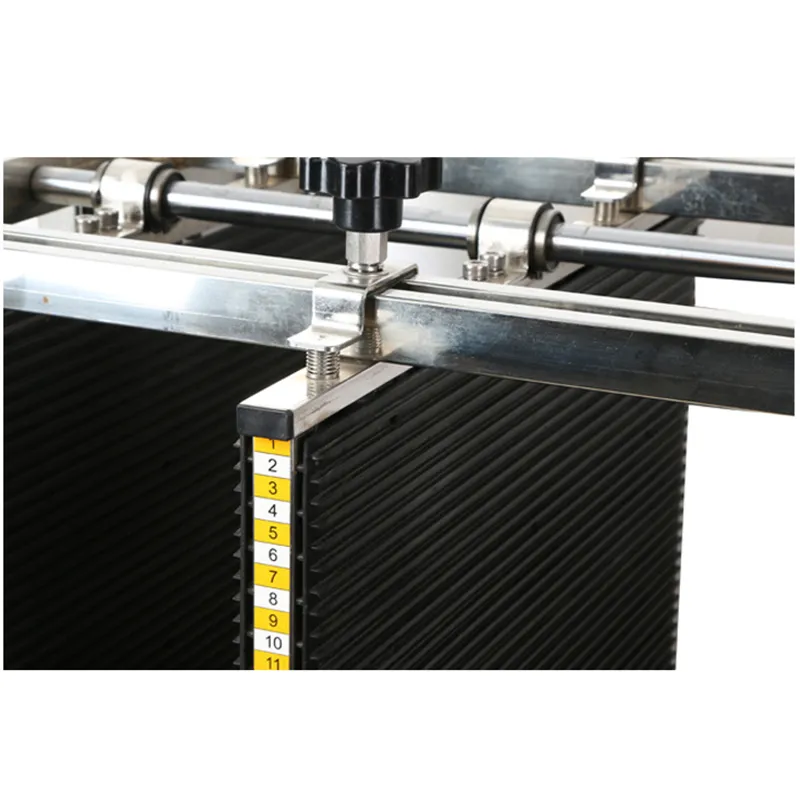
Часть 1. Определите решение покупателя
The real decision is not whether a label sounds ESD-safe. It is whether the proposed configuration can support the defined work without breaking the buyer’s control process. For this article, the recurring trigger is a load request that states only a total weight and omits shelf layout, board protection, route conditions, and verification.
Сформулируйте решение одним предложением: укажите пользователя, обрабатываемый материал или изделие, местоположение или маршрут, изменение статуса и доказательства, необходимые до выпуска, чтобы у инженерного и закупочного отделов была единая цель проверки.
Часть 2. Опишите технологические условия процесса
Спланируйте задачу перед выбором конфигурации. Отметьте, что поступает, где это ожидает или перемещается, кто этого касается, что видит следующий оператор и что меняется при передаче. Краткое наблюдение за реальной работой полезнее широкого сравнения каталогов.
| Пункт обзора | Вопрос покупателя | Запись |
|---|---|---|
| Задача | Что должно произойти в этой позиции? | Письменное назначение по эксплуатации |
| Интерфейс | Кто передает и принимает? | Указанный владелец и статус |
| Контекст ЭСР | Какое правило покупателя применяется? | Правила доработки и приемки программы |
| Доказательство | Что доказывает процитированный пункт? | Метод испытаний и прослеживаемая запись |
Часть 3. Отделите информацию о категории от подтверждения конфигурации
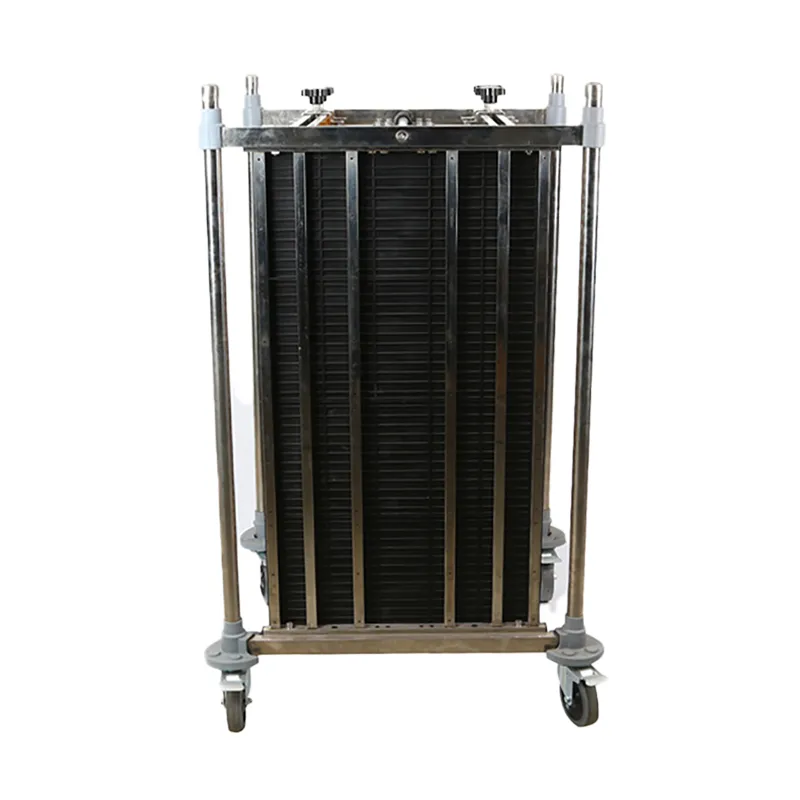
First-party category pages help buyers find a relevant family and contact route. They should never be read as a blanket statement about every size, accessory, material, or use case. The SWESD ESD Trolley category helps identify a trolley family. It does not publish a load rating, wheel performance, deck layout, grounding path, or process suitability for every quoted configuration.
Для контекста ESD, Информация о публикации IEC 61340-5-1 и Информация о стандартах ESD Association направлять покупателей к ресурсам программы. Покупатель определяет, какая редакция документа, метод и критерии приемки регламентируют закупку.
Часть 4. Сформируйте запрос доказательств
Запросите доказательства, подтверждающие конкретный товар, а не семейную фотографию. Запрос должен увязывать ответ поставщика с коммерческим предложением, ревизией и актом приемки.
| Запрос доказательств | Почему это важно | Граница |
|---|---|---|
| Выбранный элемент и конфигурация | Связывает заказ с отзывом | Категорийная страница не является цитируемым элементом |
| Идентификация материала или конструкции | Указывает, что именно поставляется | Название материала само по себе не является доказательством эффективности |
| Метод испытаний и запись результатов | Позволяет покупателю сравнить с его правилом приемки | Использовать указанный покупателем метод |
| Прослеживаемость партии или поставки | Связывает доказательства с полученными товарами | Храните это вместе с приемочной документацией |
Часть 5. Установка границы подгонки
По размеру границы
| Ситуация покупателя | Разумный путь | Избегать |
|---|---|---|
| Требование и правило приемки написаны | Запросить процитированную конфигурацию и подтверждающие данные | Рассмотрение общей этикетки в качестве доказательства |
| Задача новая или связана с высоким риском | Запустить ограниченную выборку или пробный процесс | Предполагая, что фотография предсказывает производительность |
| Требуются коммерческие условия | Запросите их с учетом количества и пункта назначения | Определение цены, минимального объема заказа (MOQ) или срока выполнения |
Выбранный маршрут может быть подходящим, однако пригодность по-прежнему зависит от фактического процесса покупателя и задокументированной программы ESD. Никакие заявления о сертификации не должны делаться до тех пор, пока точные и применимые доказательства не подтвердят указанный пункт.
Часть 6. Заполните запрос ценовых предложений (RFQ) и план пробного внедрения
Запрос коммерческого предложения (RFQ) должен делать решение проверяемым. Включите описание процесса, габариты или компоновку, если применимо, последовательность обработки, требования к защите от электростатического разряда (ESD), метод испытаний, порог приемки, необходимую документацию (записи), количество, пункт назначения, а также информацию о том, требуются ли образец или пробная партия.
Рекомендация продукта
Начать разговор с Антистатическая тележка SWESD ESD когда он соответствует рассматриваемому семейству продуктов, отправьте письменные требования Свяжитесь с Санвэй. Это отправная точка для расчета стоимости, а не гарантия сертификации, точной производительности или пригодности.
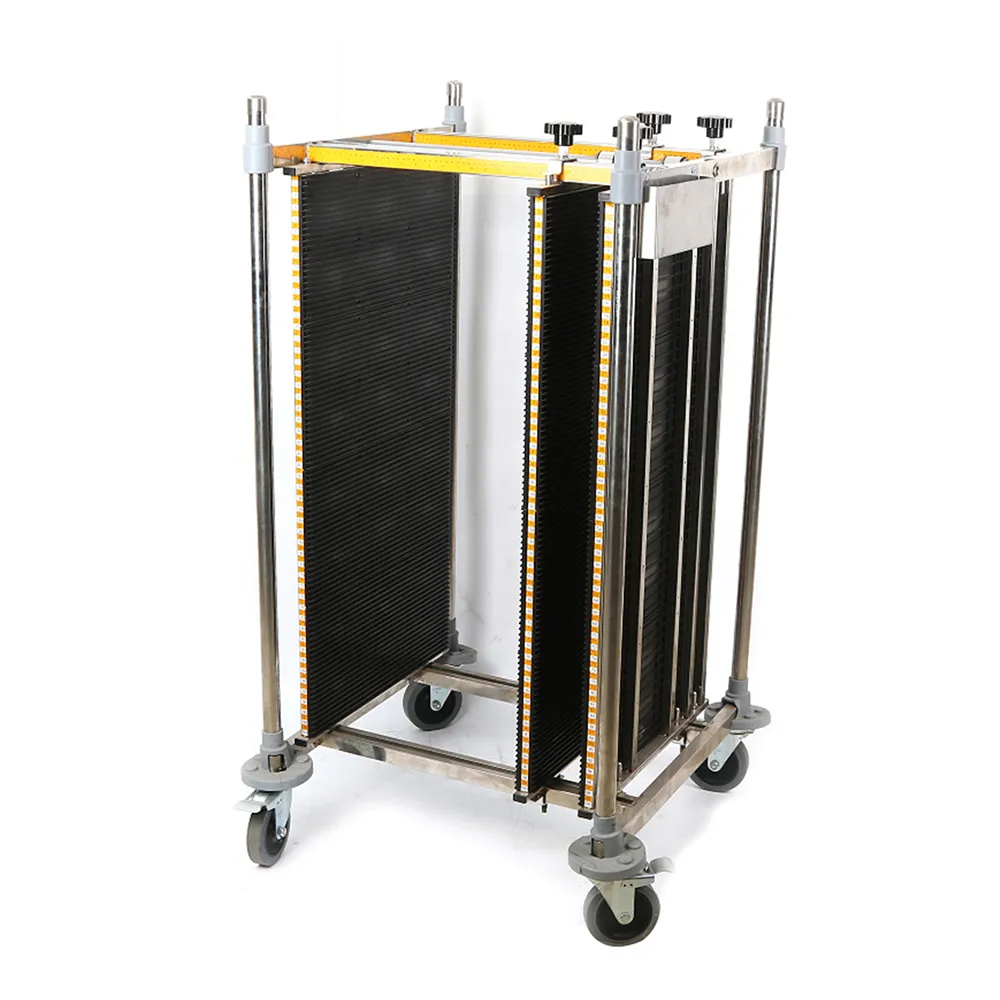
Не освобождайте закупку на основании изображения или общего заявления. Проверьте ответ поставщика на соответствие собственным критериям приемки покупателя и сохраните доказательства вместе с документом о приемке.
Часто задаваемые вопросы
What is the first decision for PCB transport load-rating RFQ?
Определите задачу, требования к программе защиты от электростатического разряда (ESD) и доказательства, необходимые для указанной конфигурации, прежде чем сравнивать семейства продуктов.
Какие доказательства должны храниться в досье покупателя?
Держать идентификацию указанного изделия, заявление о материале или конструкции, запись о примененном методе испытаний, критерии приемки и прослеживаемость при получении вместе.
Что должны проверять выборочная проверка или анализ процесса?
Проверьте фактическую последовательность обработки, передачу смен, взаимодействие операторов и маршрут подтверждающих документов на соответствие документированному правилу приемки покупателя.
Подтверждает ли изображение выбранную конфигурацию?
Нет. Изображения помогают в идентификации и обсуждении, но они не подтверждают сертификацию, характеристики или пригодность для технологического процесса покупателя.
Как в запросе предложений (RFQ) следует описывать требования?
Укажите задачу, конфигурацию, критерии программы покупателя, необходимые доказательства, количество, пункт назначения и любые условия предоставления образцов или пробной партии.
Когда предложенный маршрут троллейбуса не подходит?
Это не подходит, когда покупатель не может определить правило приемки, нуждается в другой задаче по обработке или намеревается рассматривать формулировки общего описания продукта как доказательство.

Оставить ответ