- Turbo
- Blog
Cleanroom glove donning should preserve the intended outer contact surface while placing the correct approved glove on the correct wearer. Use the site’s gowning sequence, inspect the package and glove, touch only the areas permitted by that procedure and replace a glove when its condition or contamination status becomes uncertain. A blue glove, a snug fit or a careful-looking technique does not establish cleanliness, sterility or ESD performance. This guide addresses controlled issue and outer-surface handling for industrial cleanrooms and electronics work. It does not provide a surgical technique or qualify a glove for a medical, sterile or chemical-protection application.
Define what the glove is expected to protect
Start with the task. A glove may help control contamination transferred from hands, protect a component from direct skin contact or serve another specifically qualified purpose. Those purposes require different evidence and cannot be assumed from color or material name. Write down the work the wearer will perform and the surfaces the glove may contact. Identify any separate safety protection required by the process. A contamination-control glove is not automatically appropriate for chemical, cut or electrical hazards.
The SWESD blue nitrile glove product page identifies the real product family used for the illustrations. The photographs do not establish a sterility claim, particle limit or electrical result. Ask the supplier for the exact model’s evidence against your requirements. The ESD glove purchasing checklist helps structure that enquiry; this article focuses on what happens when an accepted glove is issued and put on.
Set the issue point before teaching hand movements
An operator cannot reliably protect the outer surface if the issue point mixes opened stock, personal items and waste. Define where approved stock is held, how an opened pack is identified and where rejected gloves go. Keep sizes clearly distinguishable without making the operator handle multiple loose gloves to find one that fits. Follow the approved storage and package-opening method. The workstation should support the written sequence rather than forcing the wearer to invent an improvised clean area.
The glove packaging integrity guide covers receiving and package condition. Carry its accepted status through to issue. If a pack is damaged, incorrectly identified or outside a required control condition, route it through the site’s review process. Putting the gloves on carefully cannot restore missing package evidence. Do not remove a batch label simply to make the dispenser look tidy if that breaks the traceability needed for subsequent investigation.
Fit and preparation affect the donning process
Use the size that has been assessed for the wearer and task. A glove that requires force to pull over the hand can be difficult to don without excessive stretching or contact with surrounding surfaces. A loose glove may reduce handling control. The glove sizing and dexterity guide discusses fit as a practical purchasing and task question. The correct size should be established during qualification, not discovered by repeatedly trying loose stock beside exposed material.
Follow the site’s hand-preparation and gowning sequence, including any approved drying or waiting step. This article does not introduce a sanitizer, wash formulation or universal sequence. Where a preparation product is used, check its compatibility with the glove and the intended work through the responsible process owner. Keep personal items and unapproved materials out of the issue area. Preparation must leave the operator ready to complete the actual procedure without interrupting it to retrieve missing equipment.
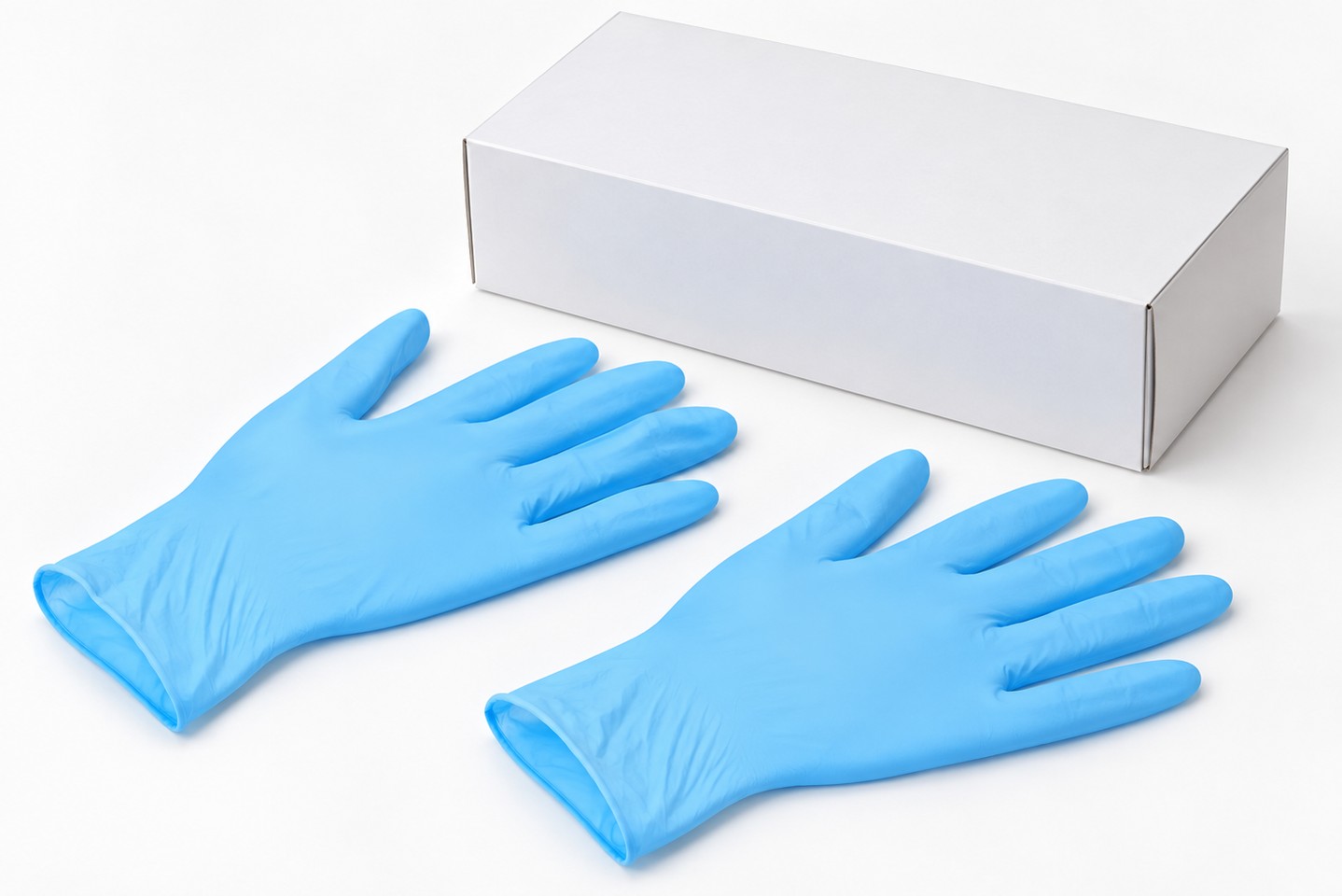
Teach contact boundaries explicitly
A useful instruction identifies which glove areas may be touched at each stage. “Put gloves on carefully” leaves too much interpretation. Demonstrate the procedure using the actual packaging and garment interface, making clear where the operator may hold a cuff and which surfaces are reserved for subsequent product contact. The exact technique should come from the site’s approved method and glove instructions. Do not borrow a medical sterile-gloving sequence and assume it qualifies an industrial process.
Training should cover interruptions. If a glove touches a dispenser exterior, bench edge, face, floor or another unapproved surface, the wearer needs a clear response. The answer depends on the site’s contamination assessment and replacement policy. Do not teach that a brief touch is harmless or that rubbing gloved hands together reverses contamination. A simple stop-and-replace decision is preferable to allowing the operator to guess whether an unknown contact matters to a sensitive process.
| Stage | Check | Response to uncertainty |
|---|---|---|
| Select stock | Approved model, size and lot identity | Resolve identity before issue |
| Open pack | Packaging status and permitted contact areas | Use controlled review for damaged or uncertain stock |
| Don glove | Follow approved cuff handling and sequence | Replace after unapproved contact as procedure requires |
| Check condition | Visible damage, fit and cuff seating | Change glove or correct fit before task |
| Start work | Contact route remains within approved boundaries | Stop and follow replacement or review instruction |
Check the glove before entering the task
After donning, inspect the visible condition and fit using the approved method. Look for obvious damage, an incorrectly seated cuff, excessive tension and anything that would prevent normal task movements. A visual check has limits: it cannot prove the absence of small holes, establish a particle-shedding result or verify electrical performance. Record the required acceptance evidence separately. The wearer should understand what this check can detect and which properties depend on qualification or other verification.
Where the task requires ESD control, follow the approved personnel and workstation arrangements. The EOS/ESD Association’s basic control procedures describe a coordinated program rather than a single garment solution. Do not assume that a glove replaces personnel grounding or that a gloved hand is acceptable for every exposed sensitive device. The glove, wearer and task belong within the site’s documented control system.
Preserve the accepted condition during work
Donning is only the beginning of glove use. Define what the wearer may touch while handling the product and what requires a change before returning to that work. Door handles, phones, keyboards and packaging exteriors may belong to different contact categories. Make those categories visible in the operating instruction. If an operator must move repeatedly between them, review the workflow rather than relying on memory or expecting one glove pair to serve every purpose.
Replacement triggers should be clear and practical. They may include observed damage, unapproved contact, a change in task or another event defined by the site. The ESD glove testing and replacement guide discusses those broader decisions. This article does not impose an hourly replacement interval or authorize cleaning a disposable glove for reuse. The correct action follows the approved product instructions and the process’s contamination and performance requirements.
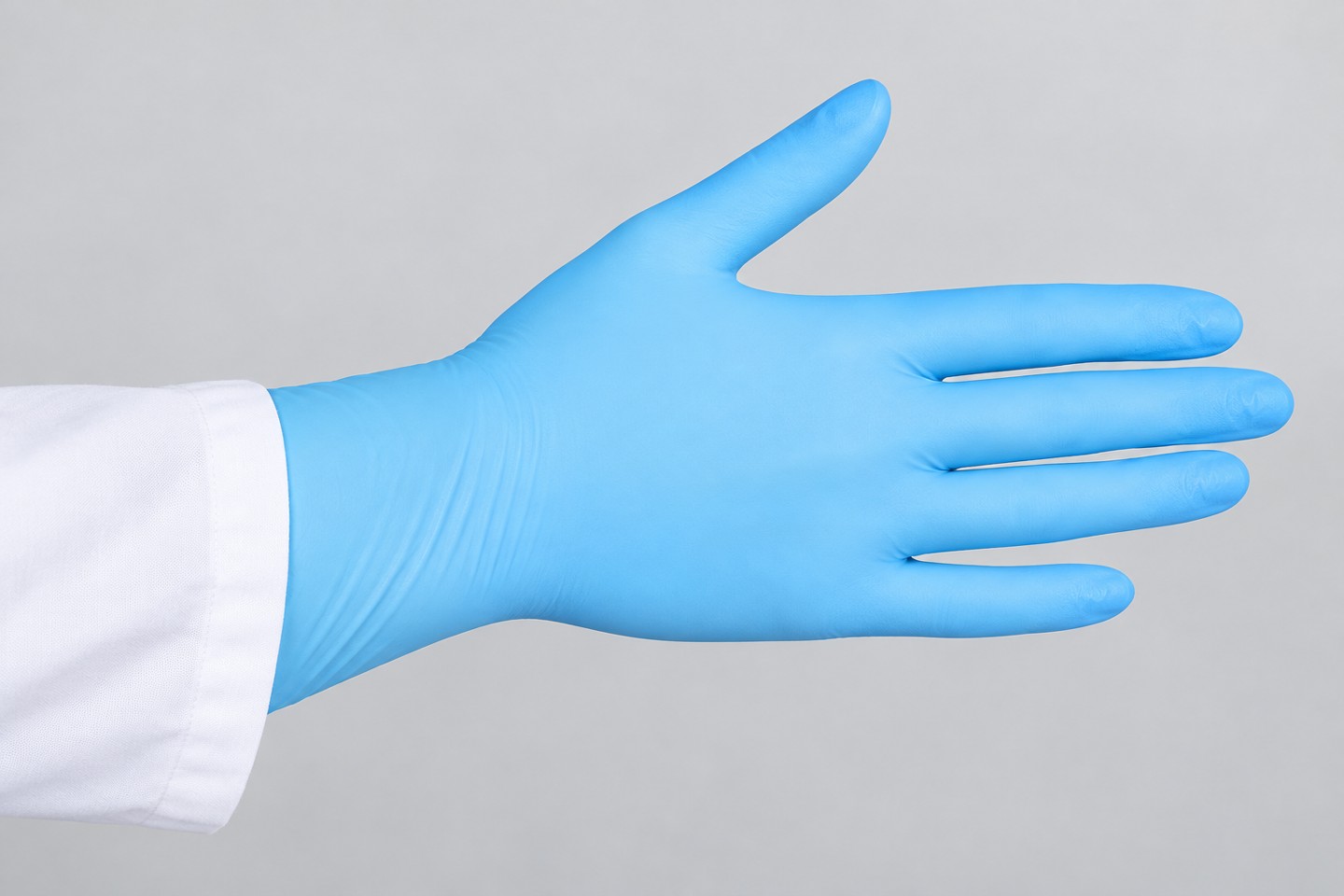
Manage garment cuffs without improvisation
The glove and sleeve interface needs to work during normal movement. Confirm the approved overlap arrangement for the actual garment and glove, then check that the wearer can perform the task without exposing an unintended gap or repeatedly adjusting the cuff. Do not prescribe one universal overlap for every cleanroom classification, garment design or safety requirement. Where the process has a documented gowning sequence, preserve its order and explain the reason for any local variation.
If the wearer needs to adjust another garment after putting gloves on, specify the response in the procedure. Unplanned adjustment can create uncertainty about the outer surface before the operator reaches the product. Trial the sequence with representative wearers and actual work clothing so the instruction does not depend on unusually long cuffs or exceptional flexibility. Purchasing should know when a different size range or compatible garment interface is required, rather than treating repeated adjustments as an operator fault.
Observe the sequence and correct the process
A training observation should include stock selection, package handling, donning, final condition check and transition to the work area. Watch where the operator actually places hands and packaging. Record specific deviations: touching an unapproved surface, losing batch identity, selecting the wrong size or starting a task before a required check. General remarks such as “needs to be more careful” do not tell the team whether the problem is instruction, layout, packaging or fit.
The EOS/ESD Association’s training and auditing guidance supports the importance of clear training and verification within a control program. Use observation to improve the repeatability of the approved process. A signed training sheet alone does not show that the dispenser position, packaging and garment interface allow the procedure to be performed consistently. Reassess after relevant changes instead of assuming that an old demonstration covers a different glove model.
What buyers should ask before approving a glove
Describe the intended tasks, required cleanliness evidence, applicable electrical requirements, size range, packaging format and garment interface. Ask for product-specific instructions, declared restrictions and change-notification arrangements. Request samples for an approved process trial without treating the trial as a substitute for required laboratory evidence. Keep the supplier’s claims separate from observations such as easy donning or acceptable dexterity. Comfort can support use, but it does not establish a technical qualification.
Retain a concise issue and training record linking the glove identity, procedure revision, accepted size range, observed problems and corrective actions. When a complaint arises, preserve the pack and lot reference and record the actual event. This allows procurement and process owners to investigate a defined issue rather than replacing a product based on an unsupported assumption that all blue nitrile gloves behave alike. A controlled donning process connects the accepted purchase specification to real work without adding claims the evidence cannot support.
Educational background: ESD control around sensitive products
The following EOS/ESD Association video explains electrostatic-control background. It is not a glove-donning demonstration or evidence of cleanliness, sterility or protection for the illustrated product. Use it to explain why gloves work within a larger controlled process, while using the site’s approved instructions for the actual gowning sequence and contact boundaries.
Często zadawane pytania
Does careful donning make a glove sterile?
No. Sterility requires specific product and process evidence; this guide makes no sterile-use claim.
Can a glove replace personnel grounding?
Do not assume so. Follow the approved ESD control program for the wearer, workstation and task.
Is every blue nitrile glove suitable for cleanrooms?
No. Review the exact model against the process requirements, including any cleanliness and electrical evidence.
What if the glove touches an unapproved surface?
Stop and follow the site procedure for replacement or review. Do not guess that a brief touch is harmless.
Does a visual check prove the glove has no holes?
No. Visual inspection has limits and does not replace required qualification or verification.

Napisz odpowiedź