- 터보
- 블로그
JEDEC tray pocket orientation is the relationship between the carrier reference edge, each pocket, the component’s identification feature and the machine’s loading direction. Establish that relationship from the exact tray drawing, component packing information and equipment recipe before releasing an automated process. A rectangular tray can enter a fixture successfully while its devices are rotated incorrectly. For electronics manufacturers, the practical objective is a documented orientation chain that receiving, kitting, loading and inspection can follow without guessing from a photograph. This guide focuses on that chain rather than tray dimensions, thermal ratings or a general material specification.
Separate tray orientation from device orientation
Treat the carrier and the component as two related coordinate systems. The carrier drawing defines the reference features used to position the tray. The device documentation defines the package reference and the required relationship of that reference to the carrier. An equipment recipe then translates those instructions into pickup coordinates and rotation. A correct answer for one of those systems does not automatically resolve the others.
A tray can be mechanically asymmetric while its pocket array looks repetitive. Conversely, a visually distinctive molded feature may not be the approved locating datum. Ask which features the machine physically uses and which features an inspector is instructed to observe. Do not add a new rule such as always pointing a notch toward the operator unless the responsible drawings and equipment instructions actually support it.
Texas Instruments provides an example of component-specific packing information through its carrier material lookup. The identified lookup describes a chamfer-to-pin-one relationship for that packing configuration. This is an example of the evidence to obtain; it is not permission to apply the same relationship to every component, supplier or tray revision. Keep the downloaded part-specific record with the approved loading instruction.
Build a reference chain before programming pickup
Start with the device part number, package drawing, carrier part number and carrier revision. Obtain the supplier’s packed-unit orientation instruction, not only an empty-tray photograph. Then identify the machine nest, its reference edge and the direction in which a tray enters. A short annotated photograph of an accepted sample can make the relationship easier to teach, but the photograph should point back to the controlled documents.
Define an origin and a row-and-column convention that the receiving system and machine team both understand. Record whether numbering is viewed from above the tray, from the machine entrance or from another documented position. A coordinate written without a viewing direction can be interpreted twice. Avoid an ambiguous instruction such as the first pocket on the left when the operator can stand on either side of a trolley.
For a mixed-device operation, keep the orientation record attached to the specific part and recipe combination. Similar package outlines do not establish identical marking locations or rotation requirements. A feeder setup approved for one device should not become the default for another solely because the carriers share an external outline. The SWESD IC tray product provides a starting point for discussing carrier geometry; exact pocket and machine suitability still require a matched drawing and trial.
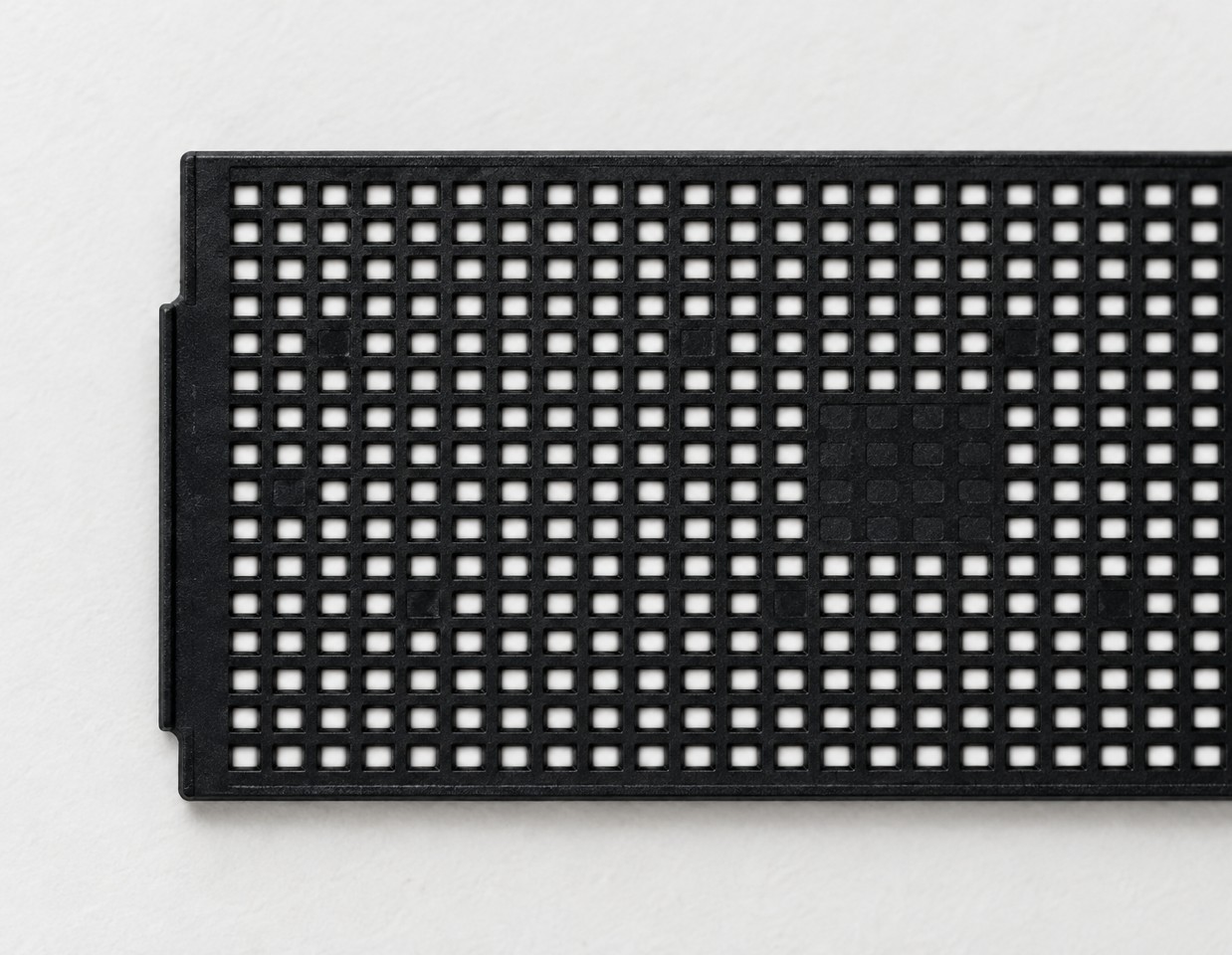
Use a release table that exposes missing evidence
The table below organizes the evidence review. It does not prescribe universal notch positions, tolerances or package rotations. Populate it with the documents and accepted samples for the actual line. Keep unresolved items visible so purchasing and production do not quietly substitute a similar carrier during a delivery shortage.
| 검토 항목 | 필수 증빙 자료 | 홀드 조건 |
|---|---|---|
| Carrier reference | Controlled drawing and locating feature | Unknown revision or unapproved substitute |
| Device reference | Part-specific packing instruction | Unresolved pin-one relationship |
| Viewing direction | Documented operator and machine view | Ambiguous left or right instruction |
| Recipe mapping | Origin, row and column convention | Unverified pickup or final rotation |
| Partial tray | Approved empty-pocket procedure | Undefined restart or replenishment |
| 재포장 | Traceable transfer and orientation check | Unidentified mixed or rotated lot |
This review distinguishes a purchasing description from an approved setup. A quotation stating JEDEC tray or IC tray does not supply a complete orientation instruction. The supplier should identify the actual drawing and describe any packing convention that the customer must retain after opening, repacking or splitting a lot. If the supplier cannot resolve an orientation feature, return the question to the component or carrier technical owner.
Check pocket fit without inferring orientation from fit
Check that the selected device can sit in the intended pocket without unacceptable movement, contact or interference under the approved conditions. Perform the check using accepted samples and the actual loading approach. Do not force a package into a pocket or treat friction as a reliable orientation feature. A package may sit comfortably in more than one rotation even though only one rotation is correct for the downstream process.
Consider how the pickup tool approaches the package. The orientation instruction should preserve access to the approved pickup area and avoid an interference that is hidden when the tray is viewed from above. Confirm clearance with the equipment owner rather than inventing a universal nozzle clearance. Where retention or dimensional condition is uncertain, use the separate JEDEC tray warpage inspection guide to organize the condition review.
Ask receiving inspection to distinguish carrier damage from a packing error. A bent rim, debris in a pocket or a damaged locating feature can prevent repeatable positioning. A clean, dimensionally acceptable carrier containing incorrectly rotated devices is a different problem. Separate those findings in the disposition record so the corrective action addresses the actual cause instead of replacing good trays without resolving the packing instruction.
Validate the machine recipe with an accepted sample
cURL Too many subrequests by single Worker invocation. To configure this limit, refer to https://developers.cloudflare.com/workers/wrangler/configuration/#limits.
cURL Too many subrequests by single Worker invocation. To configure this limit, refer to https://developers.cloudflare.com/workers/wrangler/configuration/#limits.
cURL Too many subrequests by single Worker invocation. To configure this limit, refer to https://developers.cloudflare.com/workers/wrangler/configuration/#limits.
cURL Too many subrequests by single Worker invocation. To configure this limit, refer to https://developers.cloudflare.com/workers/wrangler/configuration/#limits
cURL Too many subrequests by single Worker invocation. To configure this limit, refer to https://developers.cloudflare.com/workers/wrangler/configuration/#limits.
cURL Too many subrequests by single Worker invocation. To configure this limit, refer to https://developers.cloudflare.com/workers/wrangler/configuration/#limits cURL Too many subrequests by single Worker invocation. To configure this limit, refer to https://developers.cloudflare.com/workers/wrangler/configuration/#limits cURL Too many subrequests by single Worker invocation. To configure this limit, refer to https://developers.cloudflare.com/workers/wrangler/configuration/#limits.
cURL Too many subrequests by single Worker invocation. To configure this limit, refer to https://developers.cloudflare.com/workers/wrangler/configuration/#limits.
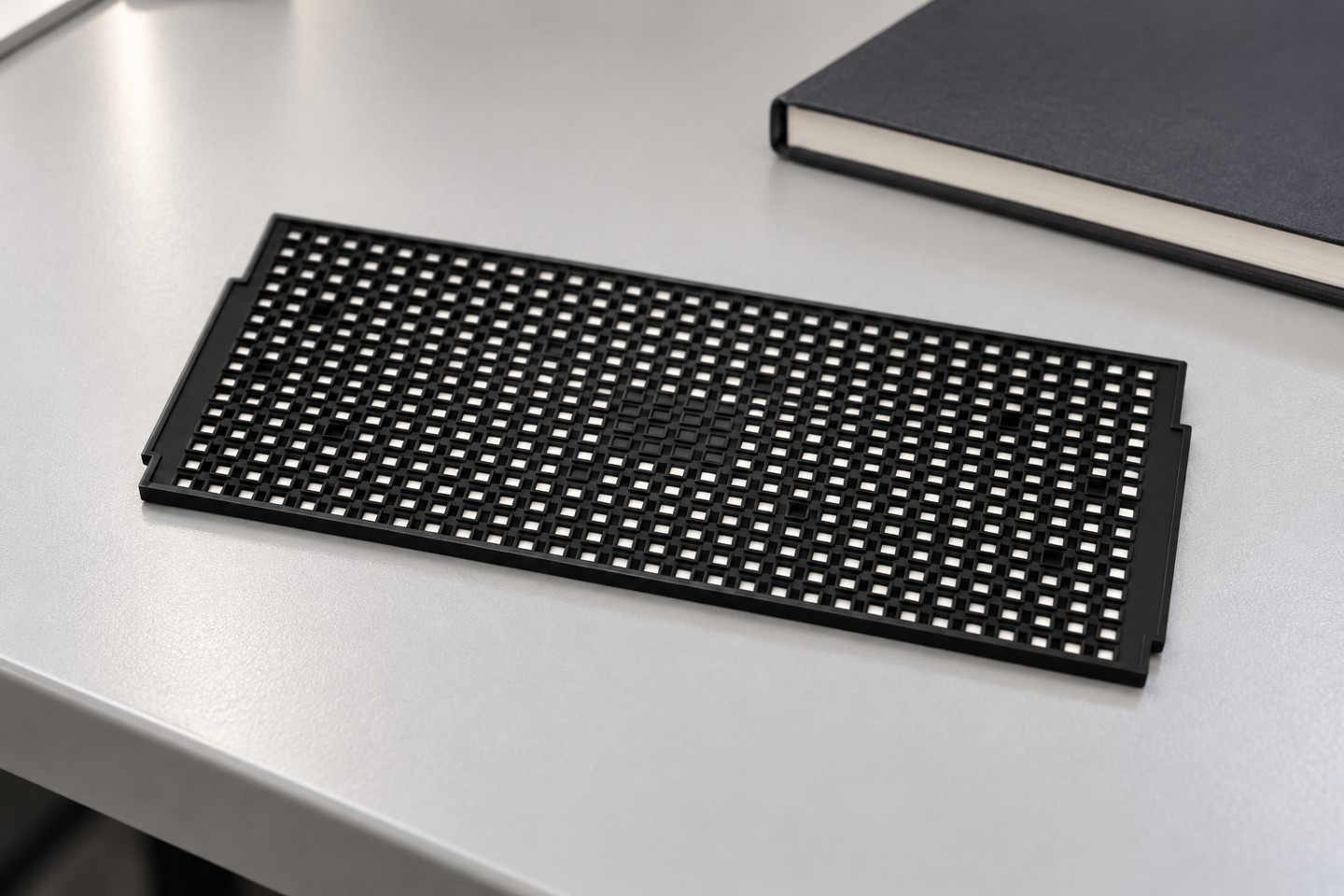
Keep electrostatic handling controls separate and active
Orientation control does not replace ESD protection. A team can position every package correctly and still expose it during opening or transfer. Review the carrier, work area, personnel practices and handling route with the ESD program owner. The EOS/ESD 협회의 제어 원칙 explain why handling materials and grounding practices are considered together rather than judging protection from appearance.
Do not infer electrical performance from a black tray, a surface texture or the illustration in this article. Obtain the evidence required for the specified application and retain it alongside the mechanical approval. The educational video below provides ESD background for the manual handling stages; it is not a demonstration of a universal JEDEC orientation rule or a substitute for the device supplier’s packing information.
Include orientation requirements in the RFQ
An RFQ should identify the device and package revision, carrier drawing, receiving equipment, expected loading direction and the sample approval procedure. Ask the supplier how the tray and packed-unit orientation are specified, how a revision change is communicated and which documents accompany delivered lots. Request photographs of actual proposed samples only as supporting evidence, not as a replacement for the controlled relationship.
State how partial trays and returns will be handled. If the carrier enters a JEDEC tray reuse program, include checks for worn reference features, residual labels and mixed revisions. Agree on which conditions cause quarantine and who can release a carrier after inspection. Procurement then has a defined question to ask when a replacement appears similar but carries a different part number.
Finish approval with a single record linking the accepted sample, documents, machine recipe and training instruction. Revisit that record after a carrier revision, package change, equipment modification or unexplained orientation failure. Maintaining this chain is more dependable than adding increasingly long verbal instructions to a line that still lacks an agreed reference direction.
자주 묻는 질문
JEDEC 개요가 모든 장치 방향을 결정합니까?
No. Match the exact carrier drawing, component packing information and machine loading convention. External similarity does not establish a universal relationship.
포켓이 IC의 올바른 방향을 증명할 수 있나요?
번호. 장치는 여러 회전 위치에 맞출 수 있습니다. 승인된 포장 및 장비 지침에 따라 참조 특징을 확인하십시오.
기계 시험 검사는 첫 번째 포켓만 검사해야 합니까?
No. Select documented positions that can reveal origin, indexing and final-orientation errors, and include the approved partial-tray handling sequence.
사진이 포장 도면을 대체할 수 있습니까?
아니오. 제어된 사진은 작업자 교육에 도움이 될 수 있지만, 승인된 장치, 캐리어 개정판 및 방향 지침을 참조해야 합니다.
Does correct orientation establish ESD protection?
No. Mechanical positioning and electrostatic protection require separate evidence and must both be accepted for the actual handling process.
최근 게시물
-
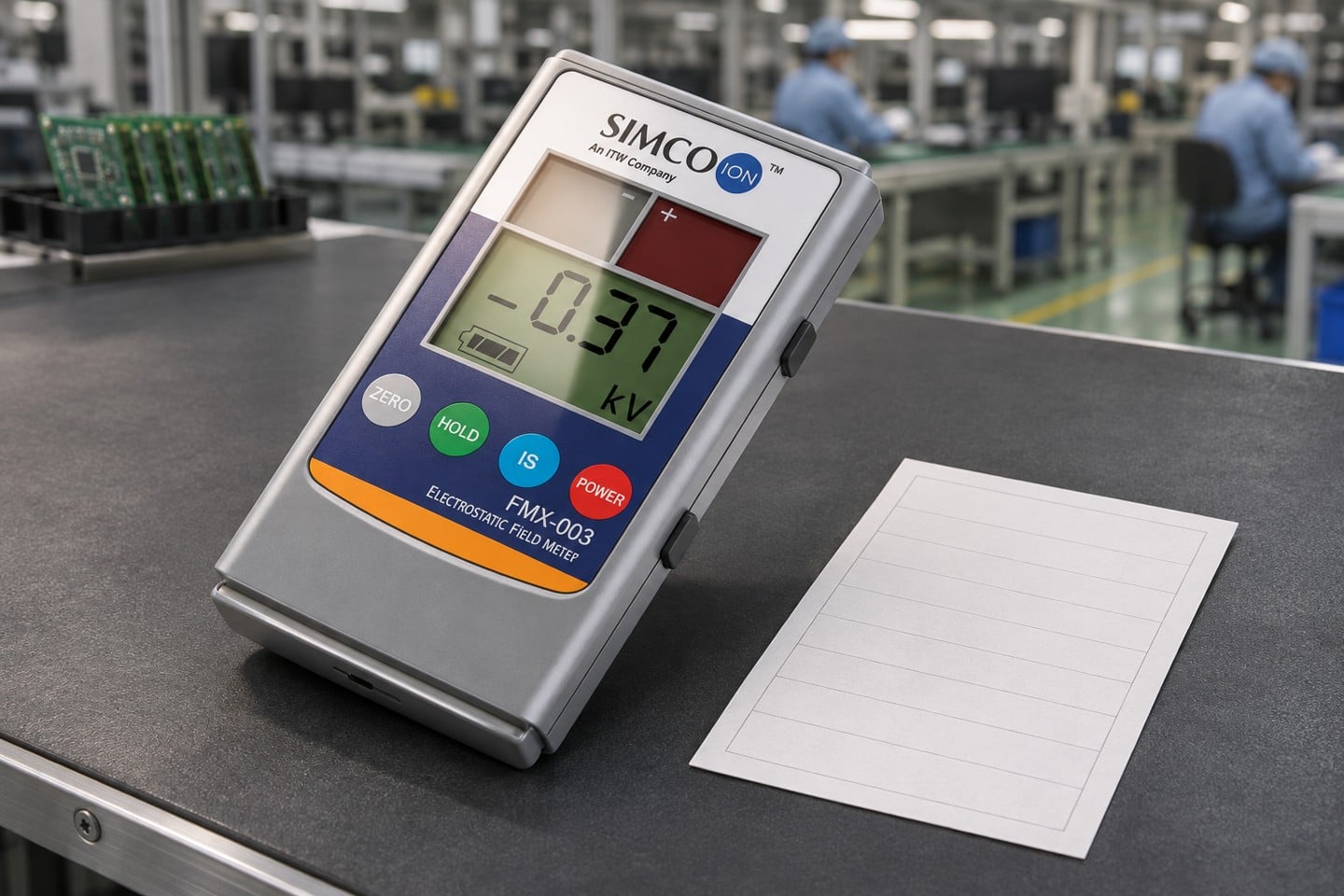 정전기장계 HOLD: 고정된 읽기값 해결하기2026년 11월 27일
-
 클린룸 장갑 혼합 카톤: 출고 전 로트 정체성 조정2026년 11월 26일
-
 ESD 차폐 백 보관: 피할 수 있는 접힘 손상 방지2026년 11월 26일
댓글 남기기