- ターボ
- ブログ
Cleanroom finger cot donning should follow an approved contact-control sequence: prepare the working area and hands as required, take an identified unused cot without contaminating the protected supply, apply it using the approved method, then check coverage before touching the product. Replace it when damage or unapproved contact occurs. A finger cot leaves much of the hand uncovered, so successful donning cannot make an unsuitable handling task acceptable. This guide concerns electronics and controlled manufacturing. It does not establish sterility, medical suitability, chemical protection or a universal gowning sequence for every cleanroom.
Start with the approved coverage decision
Define the part and the handling operation before writing instructions. Record which surfaces may contact fingers, the palm, tools and fixtures. Include turning the item, putting it down and recovering from an awkward grip. If exposed skin can touch a protected surface during a foreseeable action, revisit the coverage decision. A procedure that works only while the operator maintains one perfect pinch grip may not describe the real task.
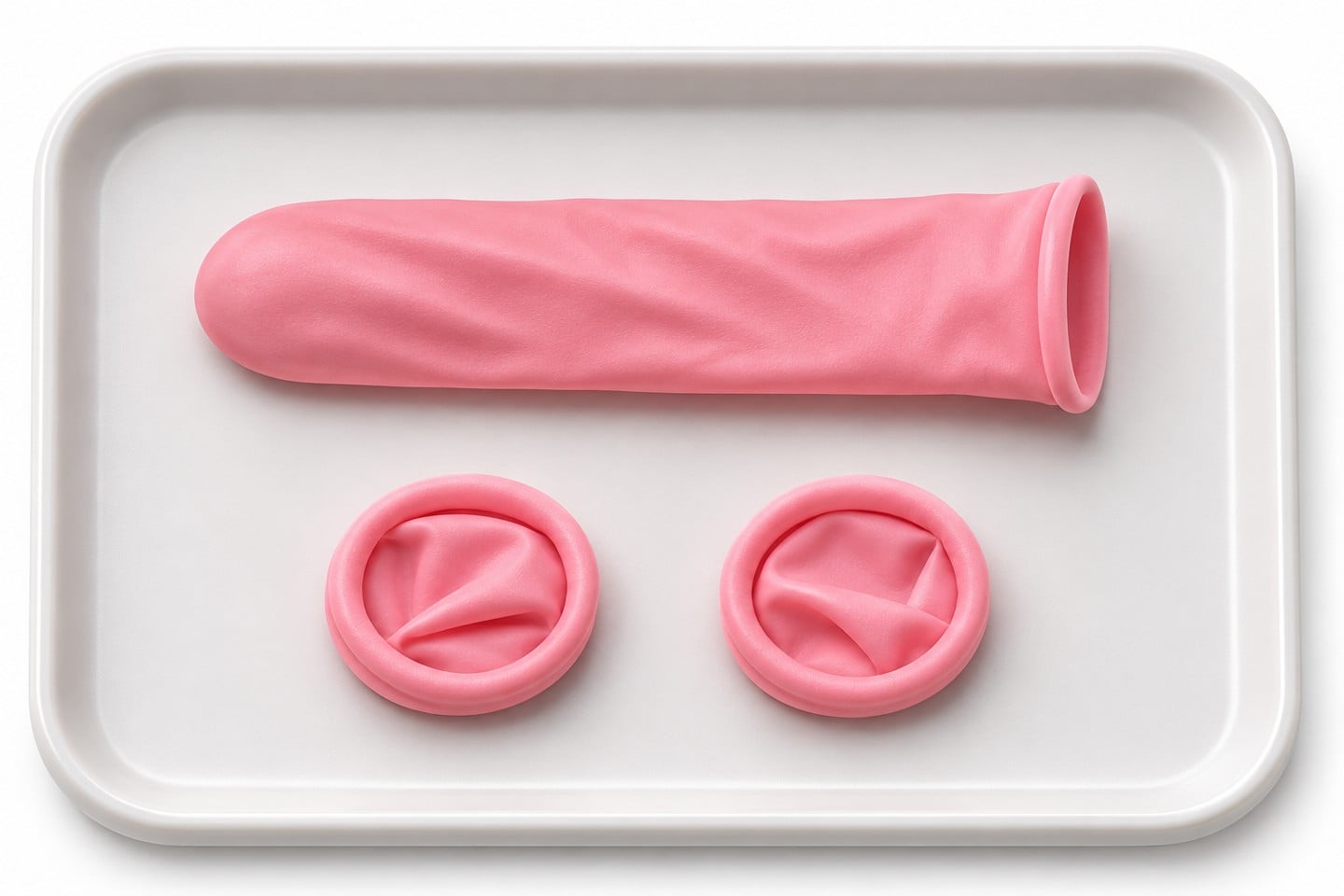
その SWESD使い捨て指サック製品 provides a reference for the rolled individual-finger format. Obtain the exact material, available sizes, supplied condition and relevant cleanliness and electrical evidence for the proposed purchase. Pink color and a smooth surface are visible features, not test results. Do not borrow the certification, dimensions or wearing instructions of another supplier’s product merely because its photograph looks similar.
Use our フィンガーコットと手袋のガイド for the broader coverage choice. This article begins after that choice has been approved and concentrates on preventing contact errors during issue, application and task changes. It does not recommend a specific number of covered fingers for an unidentified process. That decision must follow the actual contact map and applicable site procedure.
Separate local instructions from reference guidance
その IEC/TR 62258-3:2010 public preview discusses finger cots in the context of semiconductor die handling. It identifies limited contamination protection compared with gloves, warns about uncovered-finger contact, and describes replacement rather than reuse. This is a dated technical reference for a defined application, not a current universal cleanroom rule or a qualification of SWESD stock.
Build a local instruction that identifies the task, approved item, supply location, preparation, application method and replacement events. Include where the activity occurs in the site’s actual gowning and entry sequence. Do not splice a sterile pharmaceutical glove sequence into a nonsterile electronics finger-cot instruction. Different contamination objectives and garment arrangements can require different procedures even when both facilities use the word cleanroom.
Ask the process owner to demonstrate the intended method with suitable training material. Record which surface the operator may touch while applying the cot and which area must remain suitable for later product contact. A photograph of a fully donned cot does not answer that sequence question. If the supplier’s directions leave the method unclear, resolve it before distributing a local poster or training several shifts.
Prepare the supply and work area before opening
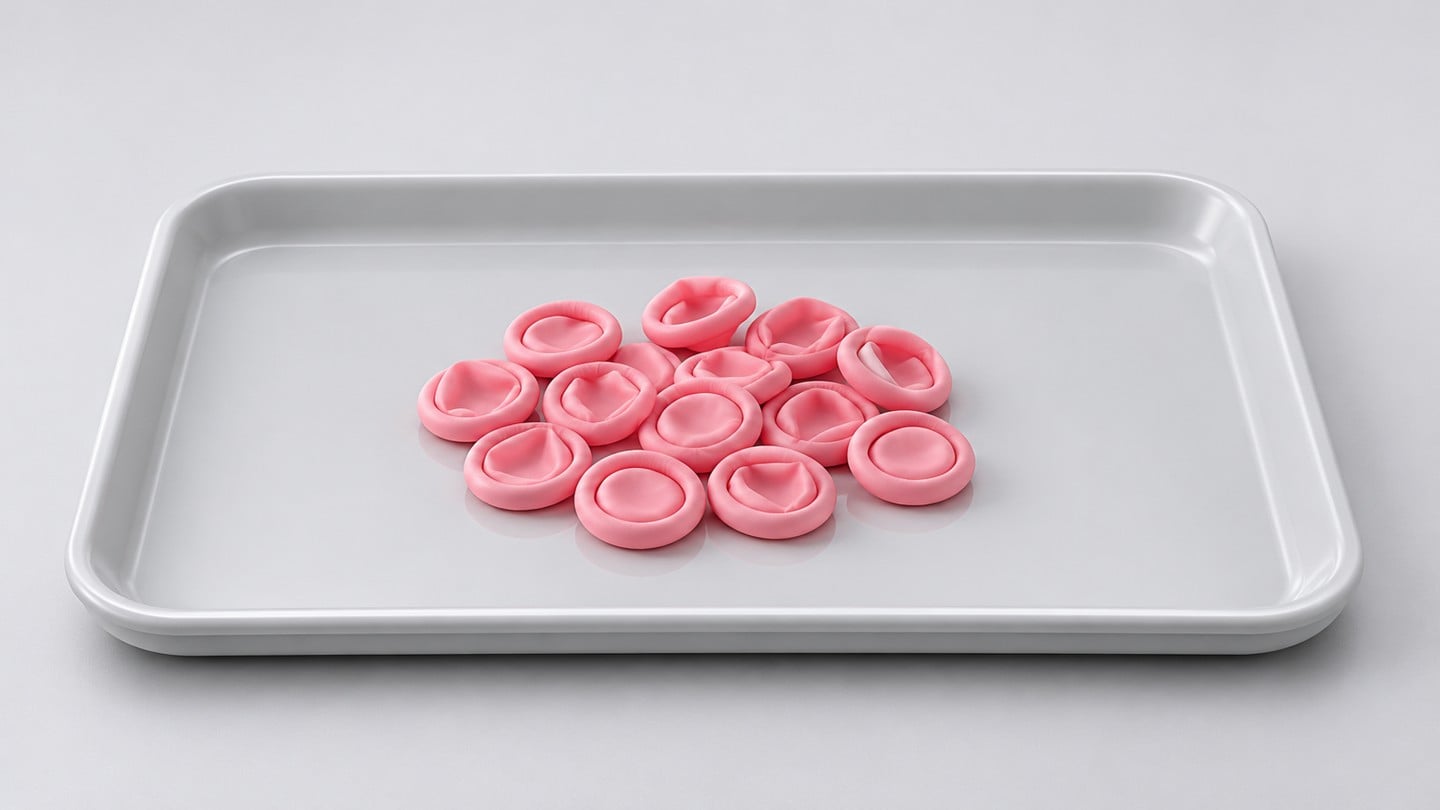
Bring only the identified, released product to the issue point. Confirm that the selected pack and size match the approved task. Keep stock protected while arranging any permitted tray or dispenser. A loose pile in a product photograph should not become the operating method. The supply arrangement needs to preserve identity, prevent contact with used items and permit removal without repeatedly exposing the entire quantity.
Follow the facility’s hand preparation and garment requirements. Avoid adding an unapproved lotion, cleaner or sanitizer because it appears useful in a general online guide. Such products may leave residues or be incompatible with the task. Let the authorized procedure specify the preparation and any drying requirement. If the task also involves an occupational hazard, obtain the separate protective-equipment decision; this electronics handling guide does not establish worker protection.
Position waste collection so that used cots can be discarded without reaching across fresh stock or the protected product area. Keep records or shared controls where they can be operated without undermining the contact sequence. For example, an operator who must touch a common keyboard immediately after donning needs a defined response. The procedure should accommodate normal work rather than assume those shared surfaces will never be touched.
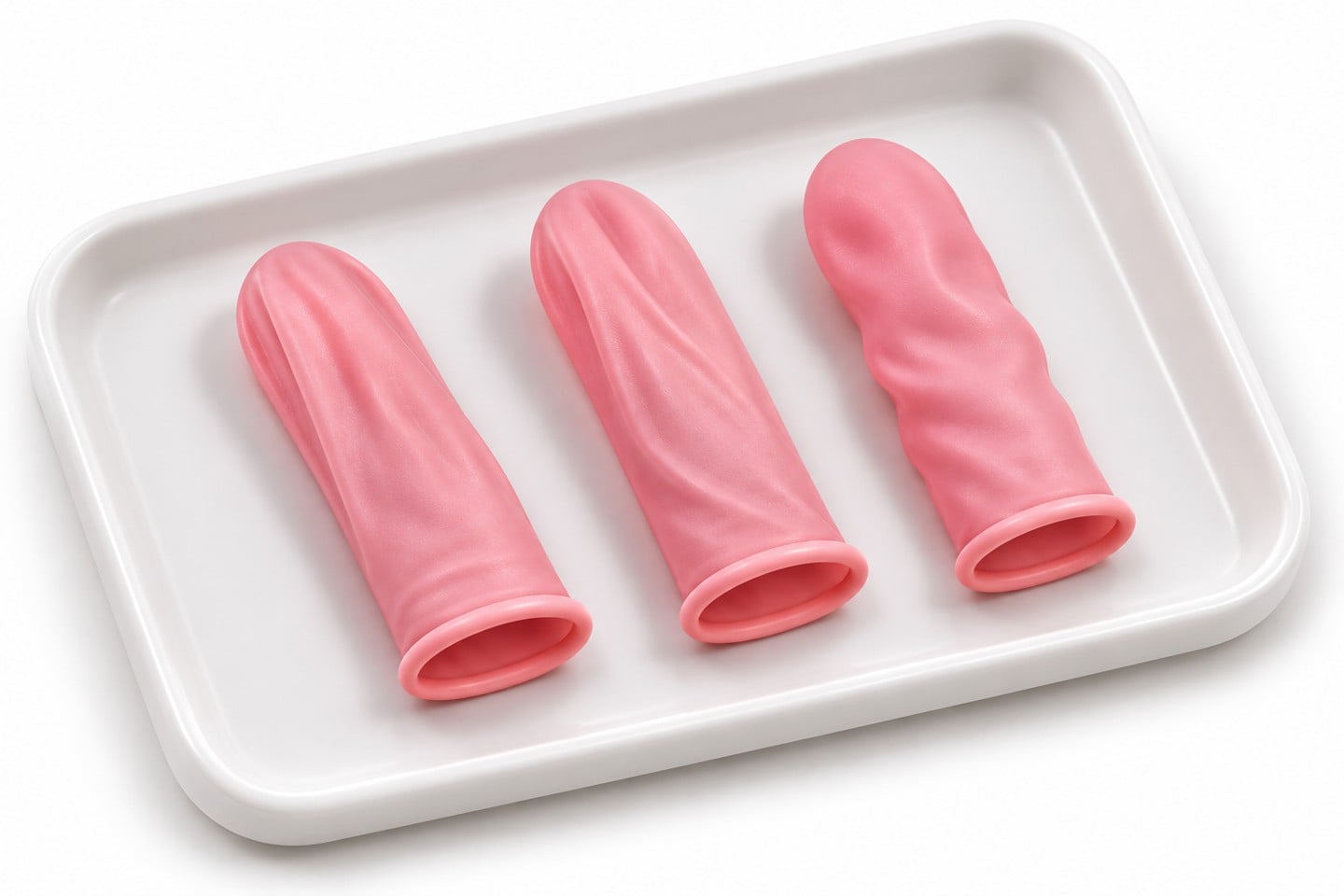
Apply the cot without losing control of contact surfaces
Use the supplier-informed method approved for the exact rolled or unrolled format. Do not force a cot that appears too small, pull it with an unsuitable tool or repeatedly stretch it to make it cover an area beyond its design. Stop if application is difficult or the material appears damaged. Fit problems need a size or coverage review rather than a more aggressive wearing technique.
Distinguish the intended product-contact area from the rim and any surfaces touched during application. Avoid assuming that an area remains suitable after an unapproved touch simply because no mark is visible. If the sequence is interrupted, follow a defined restart or replacement rule. Do not return a partly worn item to the supply pack or use it as a reference sample for another operator.
Once applied, check that the approved contact area is covered and the cot remains in position through a safe representative movement. Observe tip clearance, rolling at the rim and signs of tearing. The finger cot fit and size trial guide addresses how to evaluate candidate sizes before routine issue. A daily donning check confirms the approved arrangement is present; it should not become an improvised trial of several unidentified sizes.
Use clear change triggers during the task
Define replacement events that operators can recognize. Visible damage, loss of coverage, contact with an unapproved surface and leaving the controlled task are examples requiring an explicit local decision. Do not invent a universal wear time or number of components per cot. The appropriate rule depends on the process, supplied product and contamination requirements. If the rule is uncertain, ask the process owner before extending use.
Make task transitions visible in the instruction. Moving from handling a protected component to clearing scrap, adjusting a shared control or handling an outer carton can change the contact state. Returning immediately to the component may then be inappropriate. List the common transitions observed at the workstation and state the approved response. A useful procedure addresses the ordinary sequence that actually happens on a shift.
The table below is a proposed training aid. It identifies questions for local approval rather than adding product specifications or claiming compliance with a particular cleanroom class. Replace general wording with the site’s actual permitted contact areas and restart decisions before using it as an operating instruction.
| 段階 | Contact to control | Response to an error |
|---|---|---|
| Opening the pack | Unused cot and protected supply | Keep affected pieces separate; do not return used pieces |
| Applying the cot | Intended external contact area | Replace if unapproved contact occurs |
| Checking the task | Covered finger versus exposed skin | Stop and revisit coverage if skin can touch the product |
| Changing tasks | Tools, fixtures and shared controls | Follow task-specific replacement trigger |
| cURL Too many subrequests by single Worker invocation. To configure this limit, refer to https://developers.cloudflare.com/workers/wrangler/configuration/#limits | cURL Too many subrequests by single Worker invocation. To configure this limit, refer to https://developers.cloudflare.com/workers/wrangler/configuration/#limits | cURL Too many subrequests by single Worker invocation. To configure this limit, refer to https://developers.cloudflare.com/workers/wrangler/configuration/#limits |
cURL Too many subrequests by single Worker invocation. To configure this limit, refer to https://developers.cloudflare.com/workers/wrangler/configuration/#limits
cURL Too many subrequests by single Worker invocation. To configure this limit, refer to https://developers.cloudflare.com/workers/wrangler/configuration/#limits.
cURL Too many subrequests by single Worker invocation. To configure this limit, refer to https://developers.cloudflare.com/workers/wrangler/configuration/#limits.
cURL Too many subrequests by single Worker invocation. To configure this limit, refer to https://developers.cloudflare.com/workers/wrangler/configuration/#limits.
cURL Too many subrequests by single Worker invocation. To configure this limit, refer to https://developers.cloudflare.com/workers/wrangler/configuration/#limits
A finger cot does not replace the personnel-grounding arrangement or the other controls specified by the site ESD plan. Its color, fit and successful application cannot establish electrical behavior. Request the relevant product evidence and have the ESD program owner determine how the arrangement is evaluated. Keep electrical acceptance distinct from the visual wearing check so that a comfortable product is not mistaken for a qualified system.
その EOS/ESD協会の訓練と監査の概要 describes training, verification and corrective-action records within an ESD control program. Use it as context for documenting the actual procedure and confirming that people can apply it. It does not supply a cleanliness limit or a finger-cot donning sequence. The educational video below is additional ESD background, not proof of the supplied cot’s performance.
Train by demonstration and retain a usable record
Ask the trainee to show preparation, removal from supply, application, coverage check, an ordinary task transition and disposal using safe representative materials. Observe where hands contact the dispenser, rim, tools and fixture. A verbal answer alone can miss an inconvenient reach or a habit that transfers between tasks. Correct the sequence before the operator moves to production work under the site’s authorization process.
Keep the training record practical: procedure version, product identity, approved task, date, observed issue and completion decision. Where an error occurred, record the correction and successful repeat rather than marking the first attempt as acceptable. Review training when the product, size, dispenser, workstation or task changes. A supplier substitution that looks similar may still require evaluation before the existing instruction is reused.
Link issue records to the finger cot incoming inspection process so that production uses released stock with a traceable identity. Receiving approval and correct donning are complementary controls. One does not repair a failure of the other, and a training record should never be presented as a certificate for the delivered material.
Ask the supplier questions that resolve the method
Provide the handling task, intended contact area, size concerns, supplied format and packaging requirements. Ask for the actual material description, storage and use instructions, relevant cleanliness information and electrical test context. Where the product is intended to be disposable, confirm the supplier’s use boundaries rather than developing a washing or reuse process from general advice.
Request clarification in terms the operator can use: how the offered cot is supplied, how its size is defined, what application precautions apply and which evidence identifies the delivered item. Retain the answer with the approved local instruction. A clear method should let another shift reproduce the same contact-control decisions without relying on a photograph, an assumed color code or the memory of the person who bought the samples.
よくある質問
Are finger cots equivalent to full gloves?
No. They leave much of the hand uncovered. Approve them only where the task contact map supports limited coverage.
Can I return a worn finger cot to the supply pack?
No. Keep used items out of fresh stock and follow the approved disposal procedure.
Does pink color prove a finger cot is cleanroom qualified?
No. Obtain product-specific cleanliness and electrical evidence for the intended process.
What if I touch an unapproved surface after donning?
Stop handling the product and follow the replacement and affected-work review procedure. Do not wipe the incident away without an approved method.
Can a finger cot replace personnel grounding?
No. Maintain the personnel grounding and other controls required by the site ESD plan.
コメントを送信