- Turbo
- Blog
Cleanroom suit sizing should be qualified through the actual dressing sequence and permitted work movements, not selected only from a worker’s ordinary clothing size. The jacket, trousers, hood, closures, cuffs, and interfaces with other approved items need to remain appropriate while the person reaches, sits, stands, and handles the task. Start with the exact garment supplier’s size information, then run a controlled fit and gowning trial. This guide concerns two-piece suit fit and practical issue decisions; it does not assign a cleanroom class or infer electrical performance from appearance.
Identify the exact suit and wearing arrangement
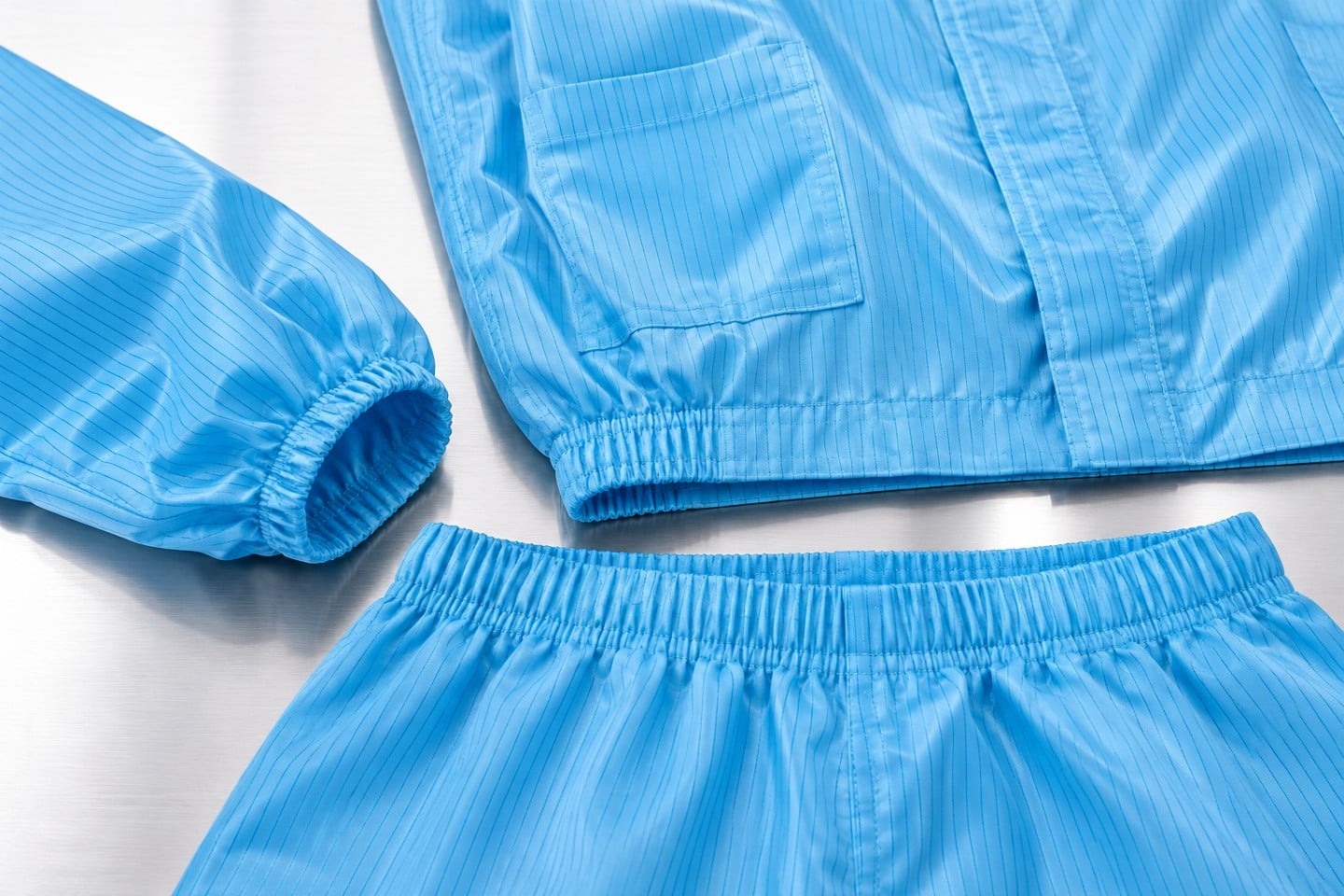
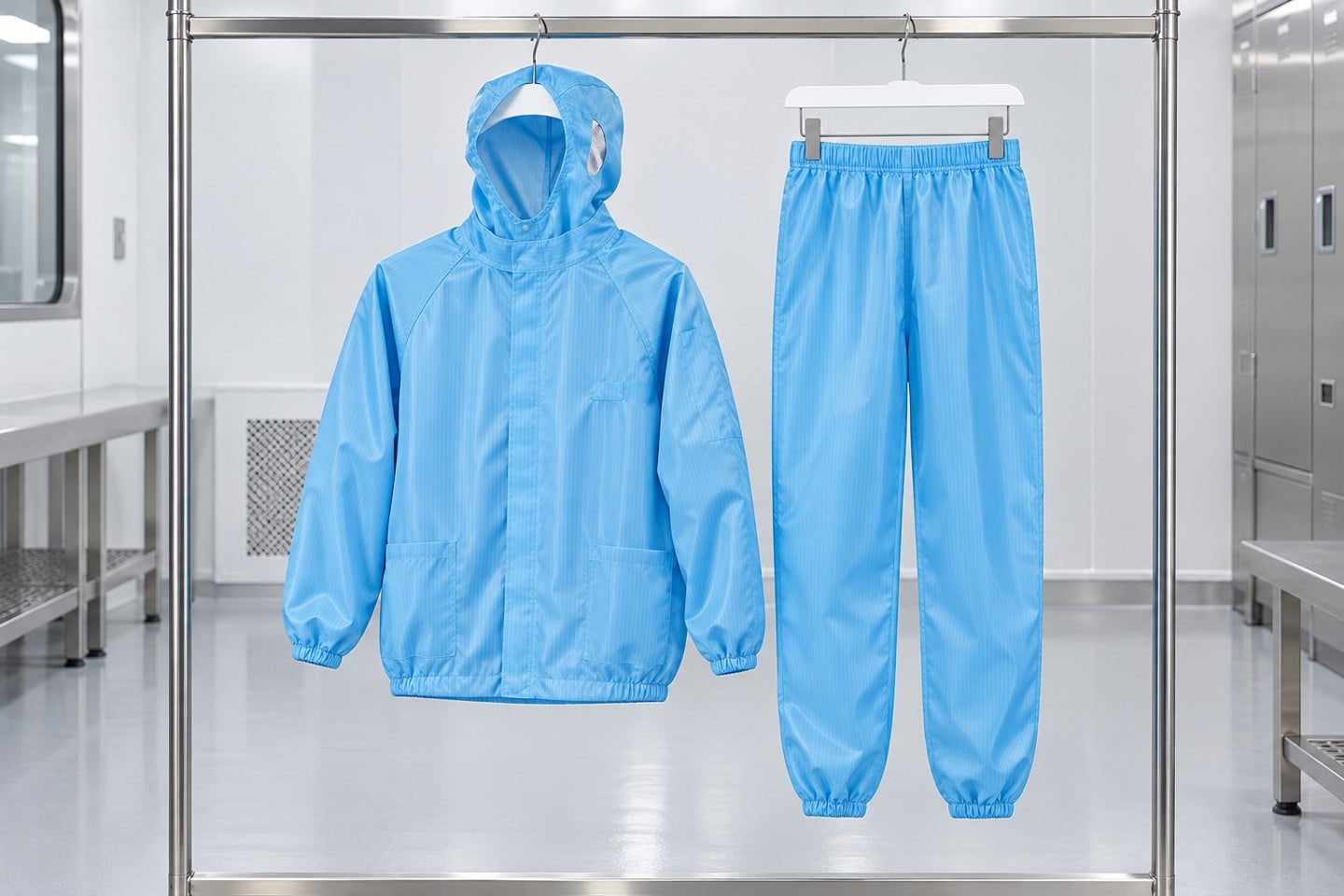
Record the model, size system, construction revision, hooded or unhooded variant, jacket, trousers, and any required accessories. A size marked large can mean different dimensions across suppliers or product families. Confirm whether the quoted size applies to a complete set or separately selected pieces.
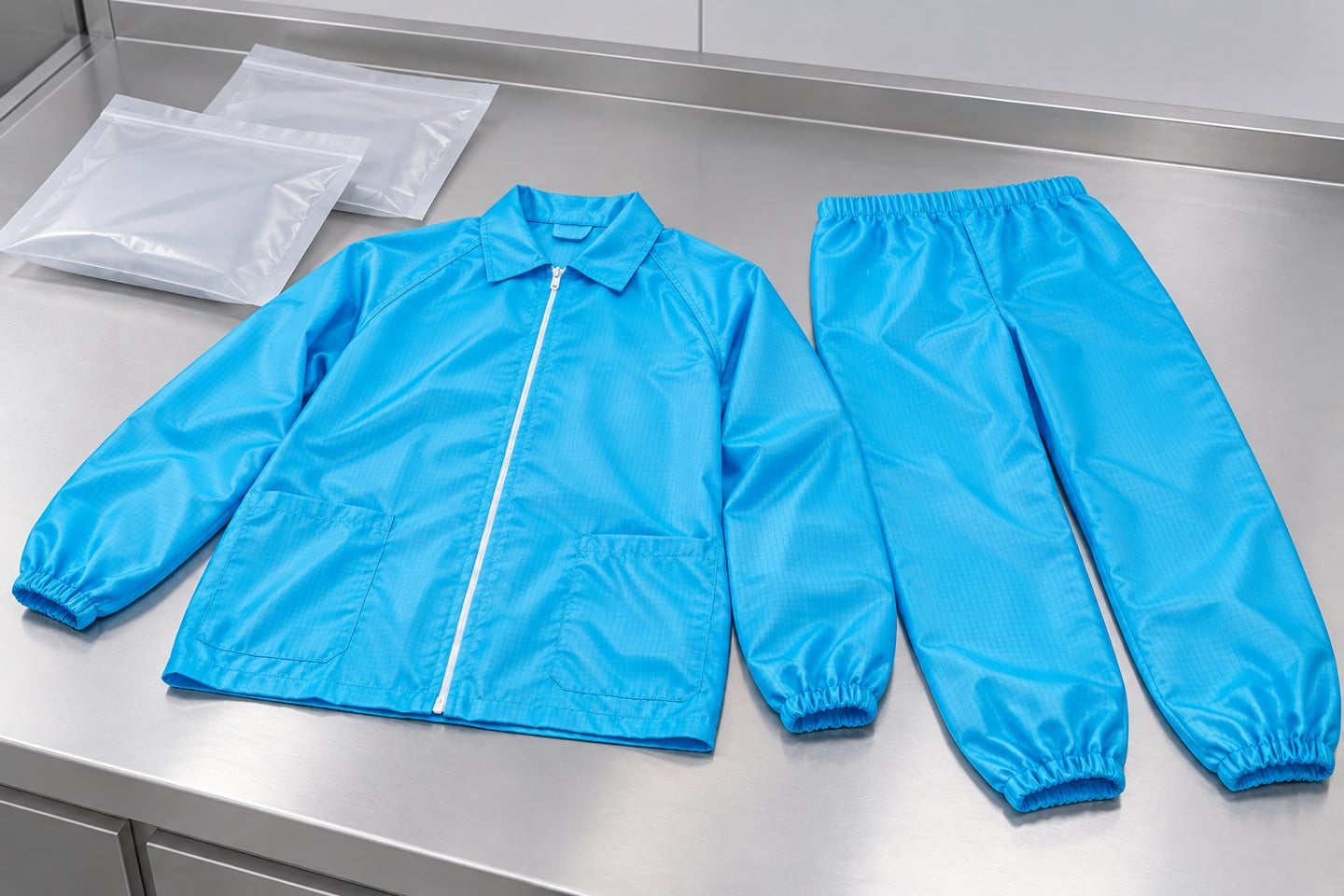
Itu SWESD two-piece cleanroom suit provides a visible product reference for the trial. Match the delivered construction to the proposed order, including the hood, front closure, pockets, cuffs, and ankle openings where applicable. Do not extend fit observations from another garment simply because both are blue. The garment purchasing guide supplies the broader RFQ context; this article addresses the actual wearer and dressing interface.
Start with the supplier's measurement instructions
Obtain the current size chart and the instructions for taking the measurements it uses. Clarify whether published dimensions describe the body, garment, or another basis. Confusing those bases can create an unsuitable order even when staff measure carefully. Keep the chart revision with the trial record.
Use an appropriate and respectful workplace sizing process. Record only the information needed to issue the approved garment and handle it under the organization’s normal privacy practices. Do not invent a universal allowance in centimeters or select sizes from a photograph. Where a worker falls between sizes, request supplier guidance and evaluate the actual permitted options rather than guessing how the fabric will behave.
Define the complete dressing sequence
Write down the order in which the suit and other approved items are donned in the actual gowning area. Identify where garments are handled, where seating or supports are used, and which surfaces must remain in the required state. A suit that fits while standing still may be difficult to put on without unintended contact in the real space.
Observe representative users following the authorized sequence. Record awkward handling, contact with uncontrolled surfaces, difficulty operating closures, and any need to step outside the permitted route. Do not import an unrelated gowning procedure without review. The process owner should determine the sequence appropriate to the workplace, garment construction, and cleanliness requirements.
Check closures and coverage during normal movement
Evaluate the movements the task actually requires. Include permitted reaching, bending, sitting, standing, walking, and handling at relevant work heights. Check whether closures remain correctly positioned and whether cuffs or ankle openings move in a way that changes the intended coverage. Use safe representative tasks rather than asking workers to perform exaggerated movements unrelated to the operation.
Record specific observations. The sleeve pulled back during the normal reach to the terminal is more useful than too small. Similarly, fabric caught on the authorized seat or excess material interfered with the fixture identifies a real problem to investigate. The aim is to approve a usable range of motion within the intended task, not to establish a universal exercise test.
Review the interfaces with gloves and footwear
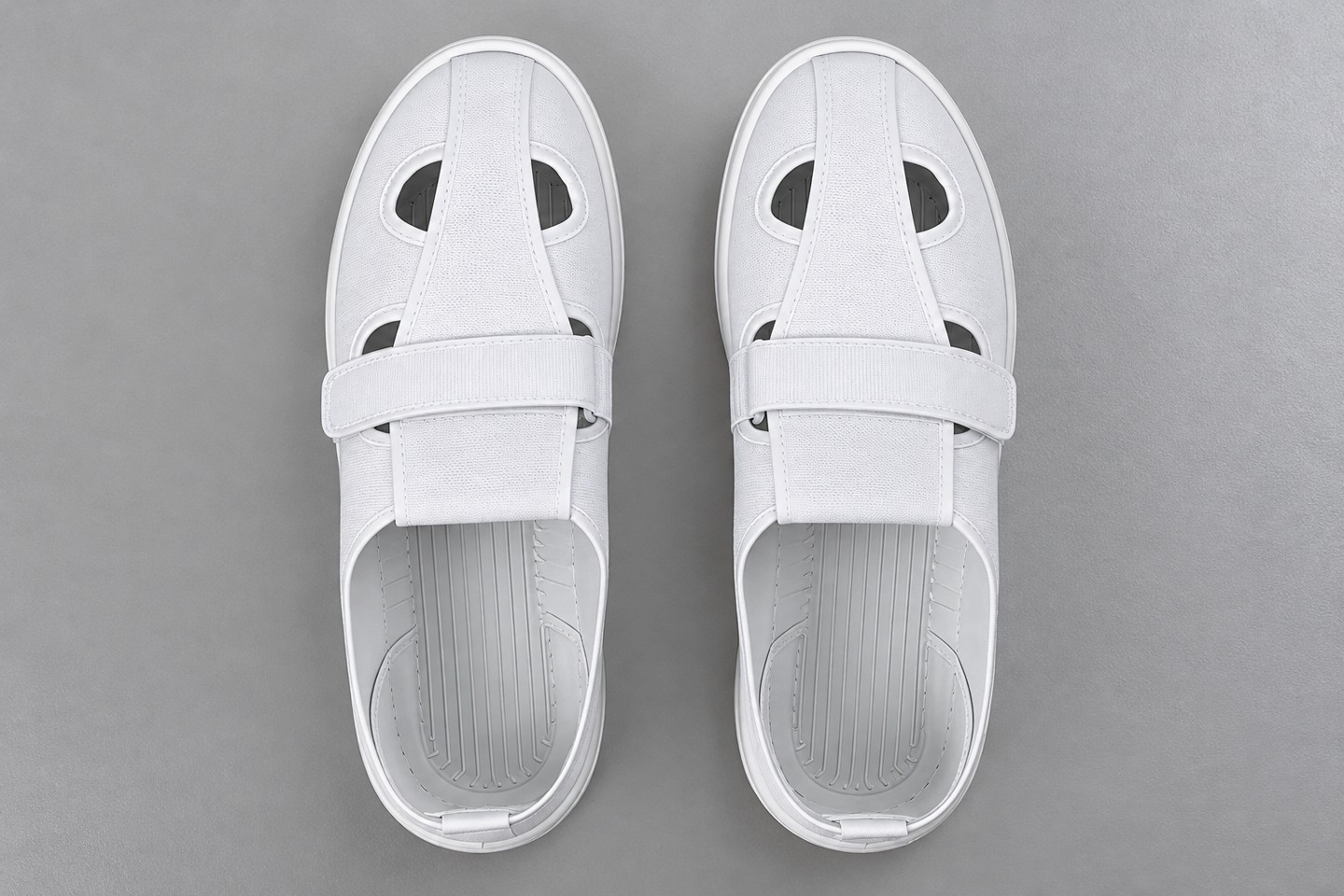
The garment does not operate in isolation. Define the approved relationship between sleeves and gloves, trousers and footwear, hood and other head coverings, and any permitted grounding accessories. Follow the applicable product instructions and site procedure. Do not assume that an arbitrary overlap length or improvised closure establishes the required result.
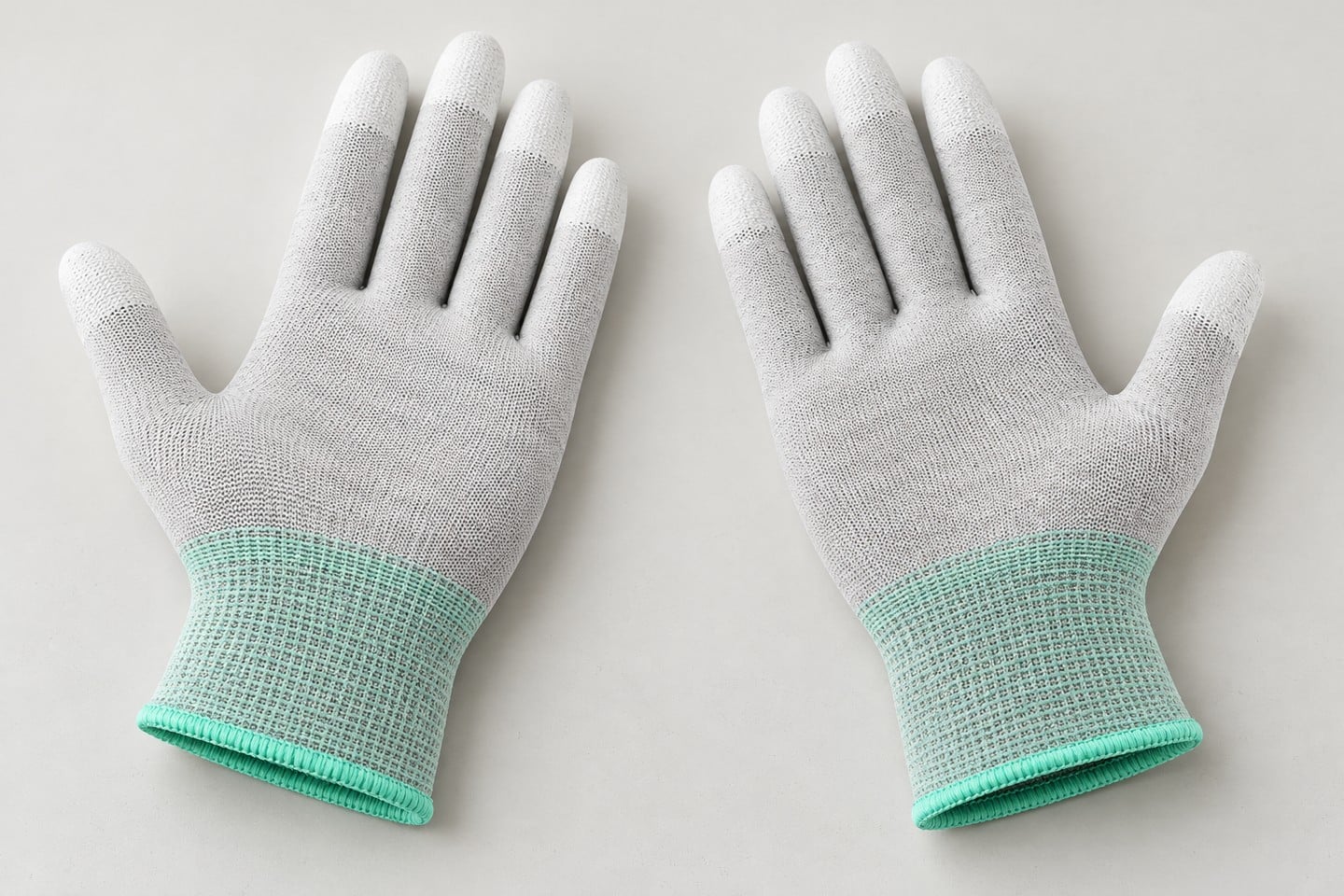
For the glove side of the interface, the glove fit and dexterity guide provides a complementary trial framework. Evaluate the actual combination used at work. A suit trial without the required gloves or footwear may miss a practical conflict that appears only when the full arrangement is worn. Record the models and relevant sizes used in the approved combination.
Use a fit-and-gowning observation table
| Observation | Trial condition | Record the finding |
|---|---|---|
| Size basis | Current exact-product chart and measurement instructions | Body or garment dimension basis |
| Dressing | Authorized sequence in representative space | Unintended contact or awkward handling |
| Gerakan | Actual permitted reach, sitting and standing | Closure movement or coverage change |
| Interfaces | Approved gloves, footwear and accessories | Conflict at sleeve, ankle or other interface |
| Issue | Identified accepted garment and service state | Size combinations, limitations and change triggers |
The table is a record structure, not a standard size specification. Define the actual pass criteria with the supplier and responsible process owner. A trial should identify the garment sizes and combinations that work, the conditions under which they work, and the specific failures needing a different option.
Do not combine several sizes or variants into a single comfortable statement. Where different workers need different piece combinations, define how those combinations are ordered, issued, and identified. Keep the issue process simple enough that an accepted jacket cannot be paired accidentally with an unsuitable trouser size merely because complete sets were stored together.
Keep electrical and cleanliness evidence separate
Itu EOS/ESD Association control-material overview explains garments as part of the approved ESD arrangement. A fit trial does not establish garment resistance, continuity, or a grounding function. Obtain the applicable evidence for the actual construction and intended role.
Cleanliness requirements also remain separate. A correctly fitting suit does not automatically meet a particular controlled area’s particle, residue, or other requirements. Conversely, an accepted product may be worn incorrectly if sizing and dressing were never evaluated. Keep the decisions connected but distinct, so the release record shows which evidence supports each requirement and which limitations remain.
Include the condition in which suits are issued
Decide whether the trial represents new garments, garments after the approved laundry route, or another defined state. Relevant changes in dimensions, closure operation, cuff behavior, or fabric condition should be reviewed within the applicable care instructions and program. Do not assume that a new-sample fit covers every later servicing history.
Itu garment laundering guide covers wash, dry, handling, and release qualification. Connect that record to the fit decision when laundering is part of normal service. If an altered fit is found, investigate the actual garment and history rather than compensating automatically with an unauthorized repair, shortened sleeve, or substituted component.
Keep the sizing trial representative of the proposed release. If only one size or one body pattern has been evaluated, state that scope rather than announcing approval for the entire size range. A supplier may provide a documented basis for extending the conclusion, or additional samples may be needed. Retain which jacket and trouser combinations were actually worn, because a complete-set size label can conceal different practical outcomes when pieces are mixed during issue.
Turn trial findings into an issue specification
Specify the accepted garment model, size range, permitted combinations, chart revision, issue condition, dressing instructions, and task scope. Define how staff handle an individual for whom no accepted size is available. That should lead to an authorized alternative or further review, not an improvised modification at the issue point.
Include replacement triggers for damaged closures, unsuitable cuffs, unacceptable condition, or loss of the required fit. If a different construction or size chart is introduced, review the effect before extending the original decision. A purchase order that says same as before is weak control when the delivered pattern or dimensions have changed.
Train staff to observe the practical requirements
Issue personnel need to identify the correct product and size, explain the approved sequence, and recognize when a worker needs another authorized option. Operators need clear instructions on closures, interfaces, movement restrictions if any, and what to do when the arrangement becomes unsuitable. Do not ask them to infer electrical properties from a visible fabric grid.
Itu EOS/ESD Association training and auditing overview provides the program context for observing actual practice. Review whether workers can follow the procedure in the real gowning space and work area. Repeated difficulties or informal workarounds are useful evidence that the original trial or issue arrangement needs correction.
Educational context and purchasing handoff
The following introductory lecture from the EOS/ESD Association explains the electrical-control principles behind the separate garment approval. It is not a sizing demonstration, gowning qualification, or certification of the pictured suit. Use the supplier’s size instructions and the site’s approved process for the fit decision.
Give purchasing a specification that can be repeated: exact construction, accepted sizes and combinations, current chart, representative task, wearing arrangement, required electrical and cleanliness evidence, service state, and change controls. A useful fit approval reduces avoidable issue problems while preserving the separate technical requirements that the garment must satisfy in use.
Pertanyaan yang sering diajukan
Can ordinary clothing size select every cleanroom suit?
No. Use the exact supplier size system and an appropriate fit trial.
Does a fit pass prove electrical suitability?
No. Electrical and cleanliness requirements need their own evidence.
Should gloves and footwear be included in the trial?
Include the actual approved arrangement where the interfaces affect fit or dressing.
Can an unsuitable size be altered informally?
Do not improvise changes. Use a supplier-supported option and the approved review route.
Does new-suit fit cover every later laundry state?
Not automatically. Connect the fit decision to the actual permitted service and issue condition.
Tinggalkan Balasan