An ESD chair is EPA seating that helps control charge on the operator while they work at a grounded workstation; buyers should specify resistance class...
A moisture-proof cabinet is a controlled dry-storage enclosure used for moisture-sensitive electronics; buyers should define humidity ownership, shelving or box class inside the cabinet, EPA...
Conductive foam is a cushioning and staging material used to nest ESD-sensitive modules; buyers should specify density class intent, cell geometry, cut method, cleanliness or...
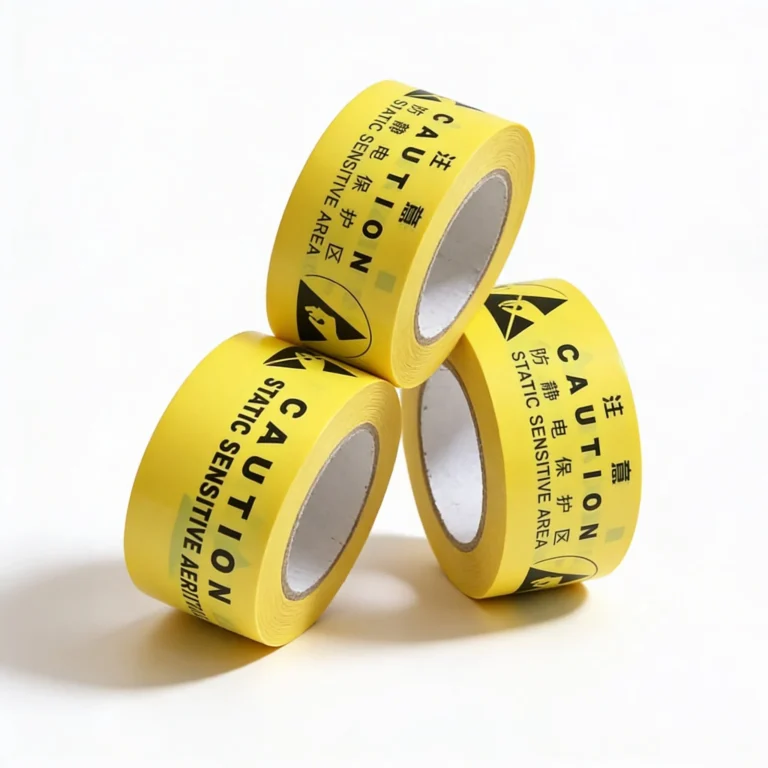
An ESD mat is a work-surface control layer that helps bleed charge from tools and parts at the bench; buyers should define surface class, ground...
An ESD smock is an EPA garment that helps control charge on clothing surfaces while operators work near sensitive electronics; buyers should specify fabric class,...
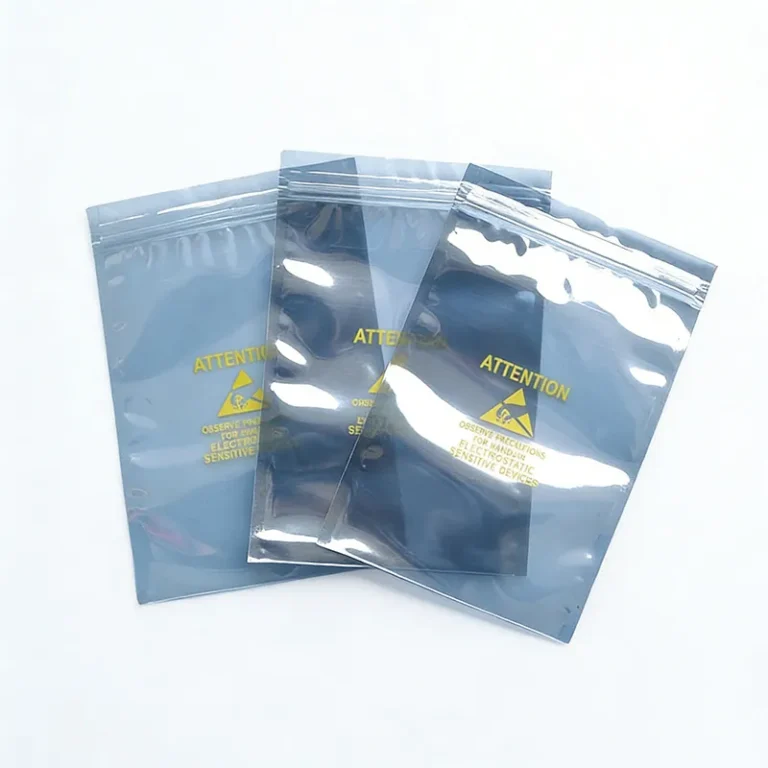
An ESD shielding bag is a barrier pack that limits electrostatic fields reaching sensitive components during storage and transport; buyers should map barrier class, size,...
ESD gloves are EPA handling PPE that limit charge generation and contamination on sensitive parts; buyers should specify material class, size range, particle expectations, and...

How should buyers compare PP, PS, and conductive polymers for ESD packaging? starts with one rule: start with the handling task and program acceptance criteria,...
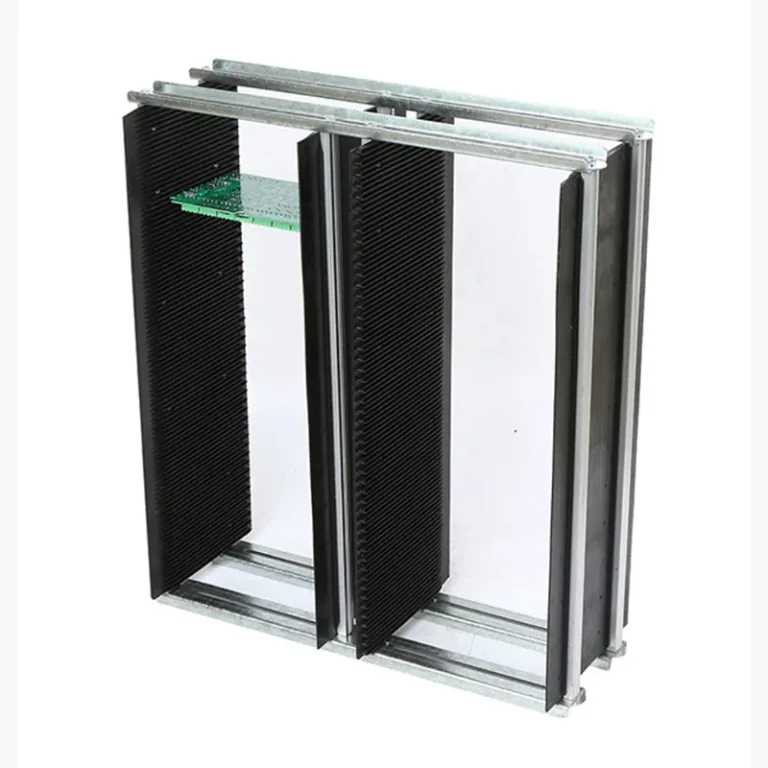
An adjustable-width ESD rack pays off when a documented range of PCB and panel sizes must share storage positions — and when every width change...
What should buyers verify about ESD packaging in their control program? starts with one rule: translate the buyer’s own program requirement into a traceable request...
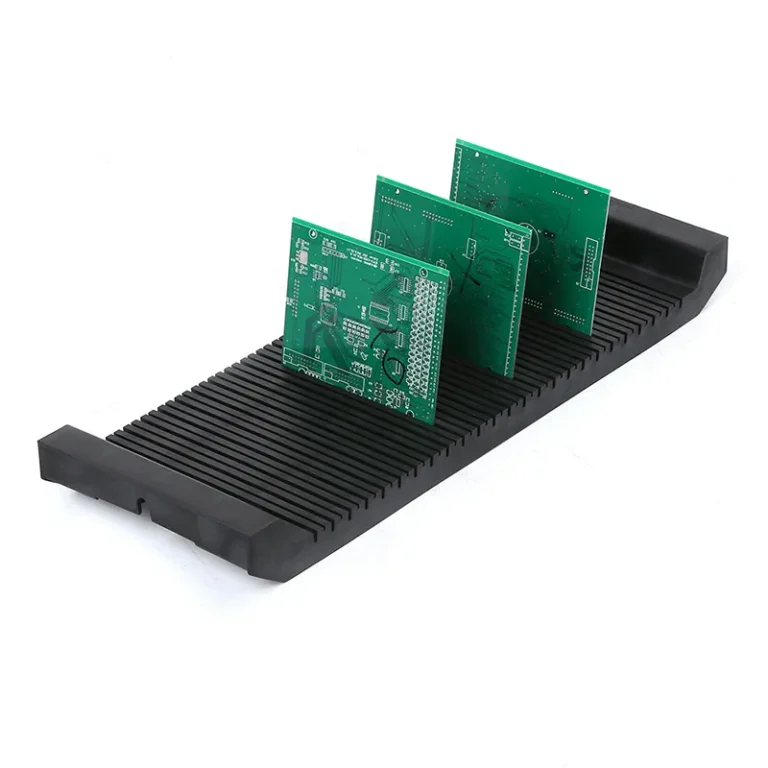
An L-shaped ESD rack request makes sense when a corner or line-end position needs a slotted PCB buffer that hugs the wall or machine end...
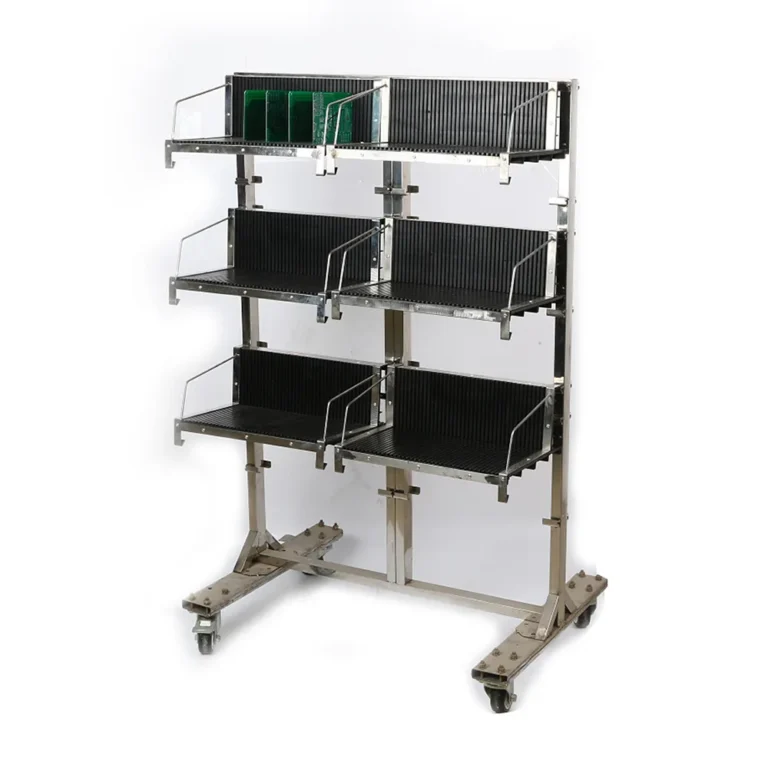
What should teams check before choosing a gradient-handle ESD cart? starts with one rule: treat handle geometry as a route-and-task trial, then document the chosen...