- Blog
A wrist strap or heel strap is only one link in an EPA entry control. The correct choice depends on the work, the floor, the operator’s movement and the buyer’s documented test method. A useful checklist therefore records the grounding path, the tester result and the response to failure before the person handles an ESD-sensitive item.
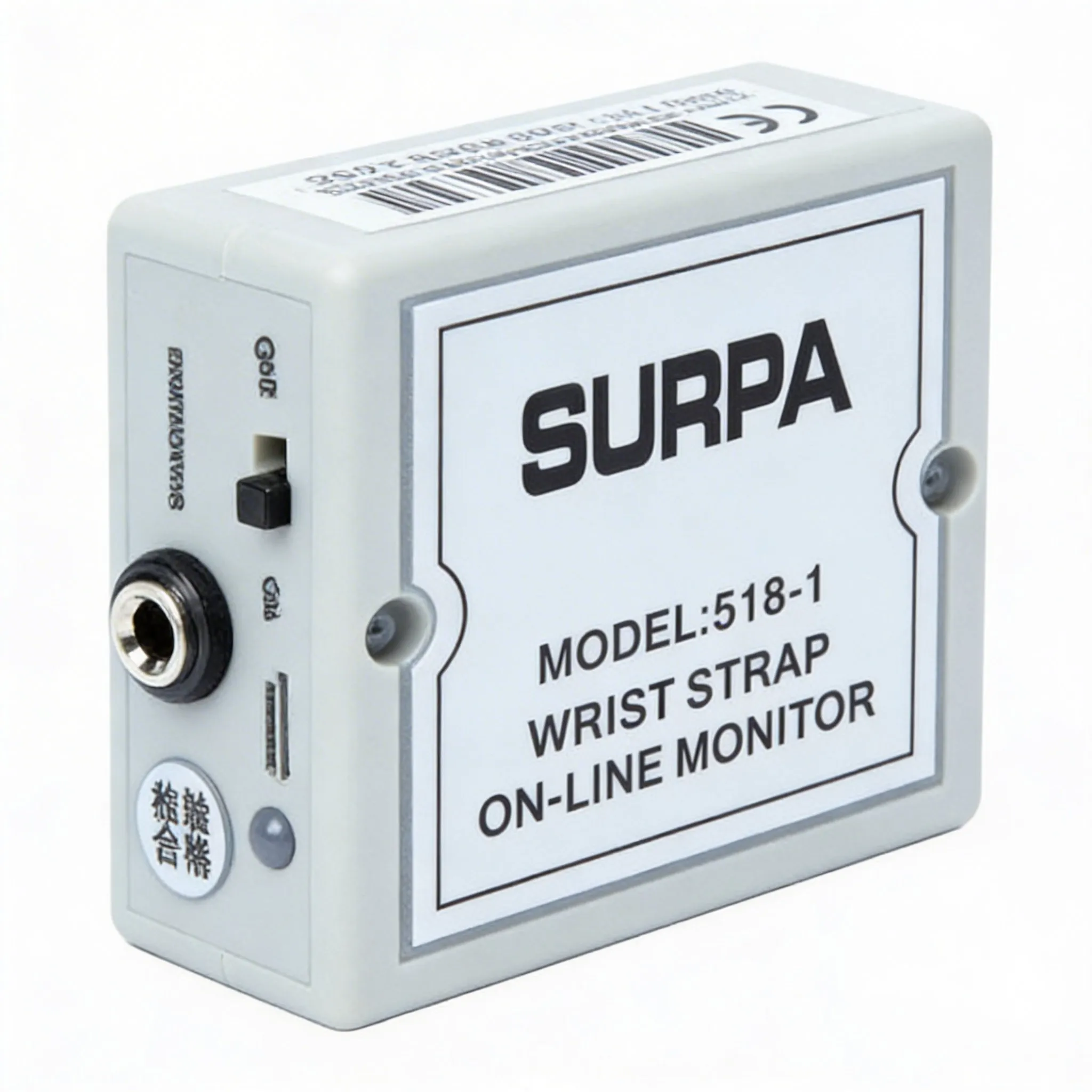
Choose the grounding path from the work
Use a wrist strap when the operator performs seated or fixed-position work with a defined connection point. Use heel or foot grounding when the work requires regular walking on a qualified floor system and the program accepts that method. Some sites use both for different tasks.
La Principes de l'ESD Association treat personnel grounding as part of a complete control program. GoToPAC’s personal-grounding guide also separates wrist straps, footwear and testers by application. Neither source says that one product is universally correct.
| Work condition | Candidate path | Confirm before release |
|---|---|---|
| Fixed bench work | Wrist strap and cord | Connection, cord condition and tester result |
| Walking between stations | Heel/foot grounder with qualified floor | Footwear, floor and tester combination |
| Mixed seated and mobile work | Site-defined combination | Which path applies at each task |
| High-voltage or special process | Local safety review first | ESD control must not override electrical safety |
Run a repeatable EPA entry checklist
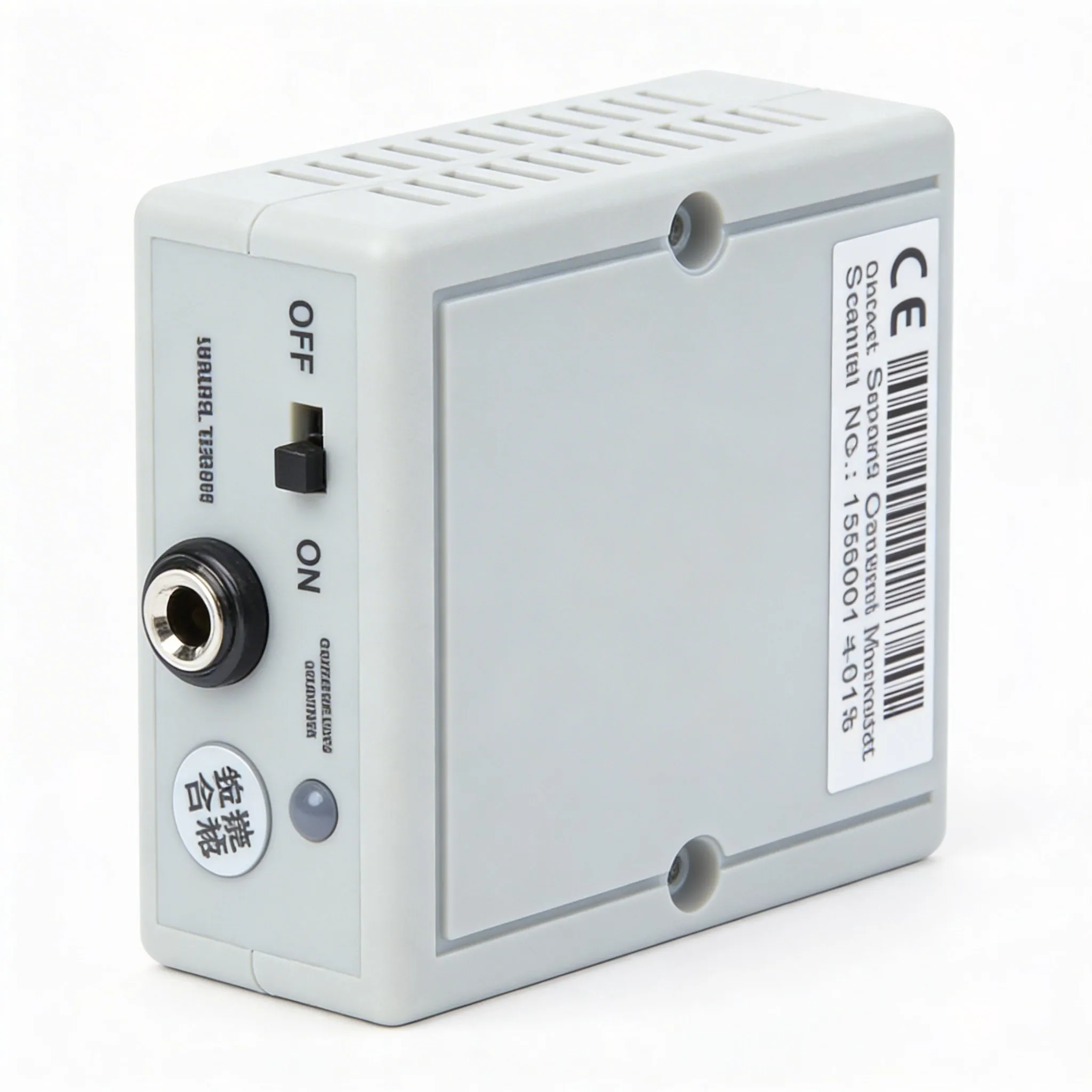
The entrance should make the sequence visible and leave a record. A practical sequence is:
- Confirm the person, task and EPA destination.
- Inspect the strap, cord, heel grounder, footwear and visible contacts.
- Confirm the tester is powered, identified and within its verification interval.
- Apply the grounding method exactly as the site’s procedure describes.
- Run the test without bypassing the contact or standing-position instruction.
- Record pass/fail, time, person, station and any corrective action.
- Allow handling only after a pass and repeat the check when the procedure requires it.
La SCS tester checklist emphasizes the connection between a test result and a response. The record is part of the control, not administrative decoration.
Understand footwear and floor as a system
Heel grounders cannot be judged in isolation. The Desco footwear and flooring guidance explains that footwear, floor and test instrument interact. Surface contamination, poor contact, unsuitable shoes or a different floor finish can change the result.
When the test fails, stop the person from handling sensitive items. Check the visible connection and fit, repeat the site’s troubleshooting sequence, and escalate to the ESD coordinator when the result remains outside the approved limit. Never “pass” a failed test by changing the limit at the entrance.
| Signal d'échec | Immediate containment | Record and follow-up |
|---|---|---|
| Open cord or loose snap | Keep person out of handling | Replace/repair and document |
| Heel grounder has poor contact | Use an approved alternative | Check footwear and floor condition |
| Tester behaves unexpectedly | Use a verified station | Quarantine suspect instrument |
| Repeated person failure | Assign a safe task away from ESDS | Escalate per site procedure |
Set the program boundary
La ESD Association procedures and materials guidance makes clear that personnel controls sit beside work surfaces, packaging and other materials. GNDZero’s garment discussion is a useful reminder that garments can add control but do not replace a grounding path, training or verification.
Specify the entry-control station
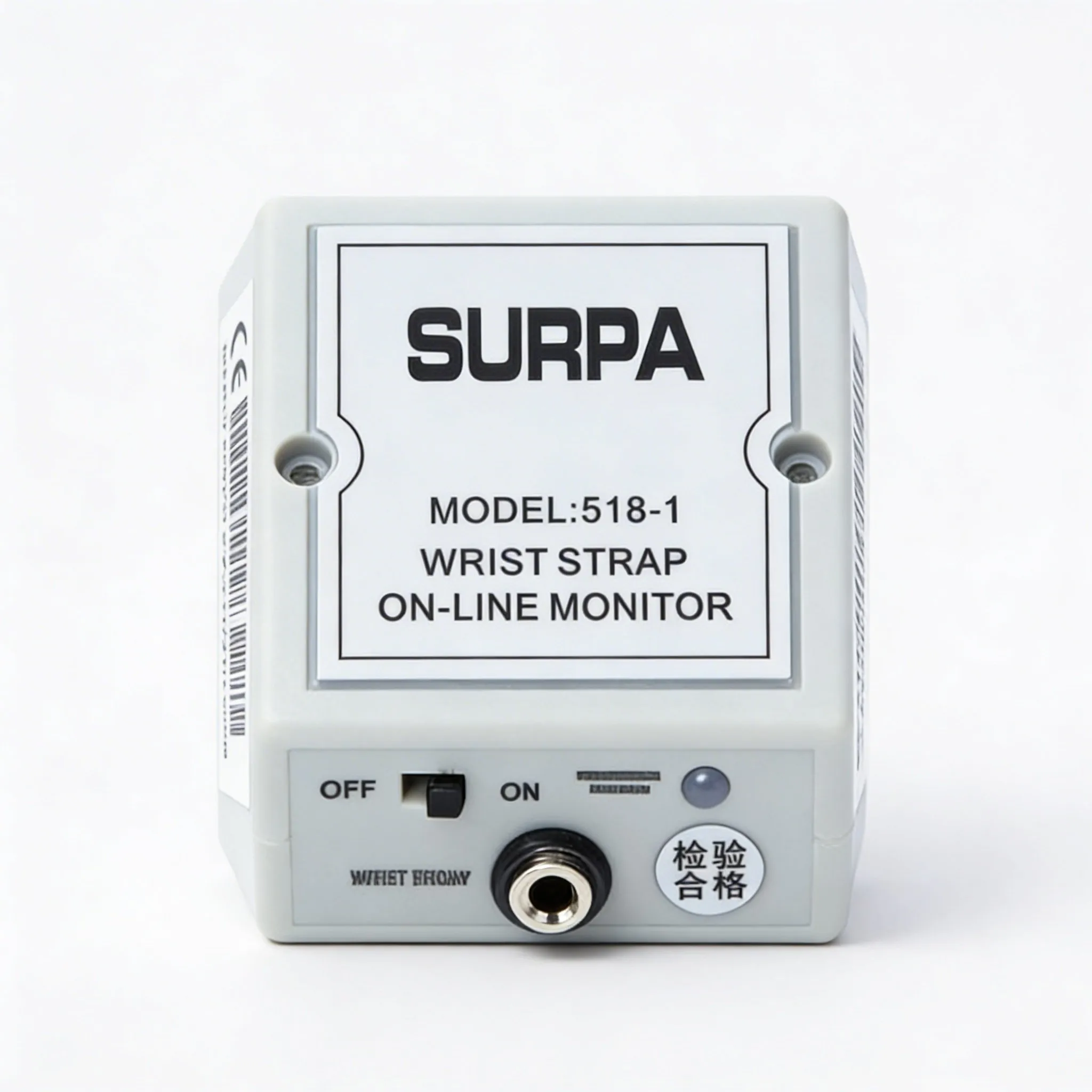
Utilisez SWESD ESD Footwear et Fournitures ESD routes to start a quotation discussion. Send Contacter Sanwei the grounding path, environment, tester interface, records required, quantities and any sample or trial plan. Ask for evidence for the quoted configuration; a catalog image does not prove a person’s result.
FAQ
Is a wrist strap always better than a heel strap?
No. The work position, walking requirement, floor system and buyer’s program determine the acceptable path.
What should happen after a failed entry test?
Stop ESDS handling, follow the documented troubleshooting sequence, record the result and escalate if it remains outside the approved limit.
Do ESD garments replace grounding?
No. They may support the program in a defined application but do not remove the need for an approved grounding method and test.

Laisser un commentaire