- Blog
ESD component box and ESD bin are overlapping catalogue names, not two defined product classes. Write the RFQ around one controlled description — a supplier family page, the structural style, the stated requirements, and the ESD evidence request — and check the quotation against that description instead of the name.
The overlap is visible on first-party pages: the ESD Bin category lists open-front parts containers whose own product page also calls them anti-static parts boxes. This guide shows how to keep that mixed wording from producing the wrong quotation.
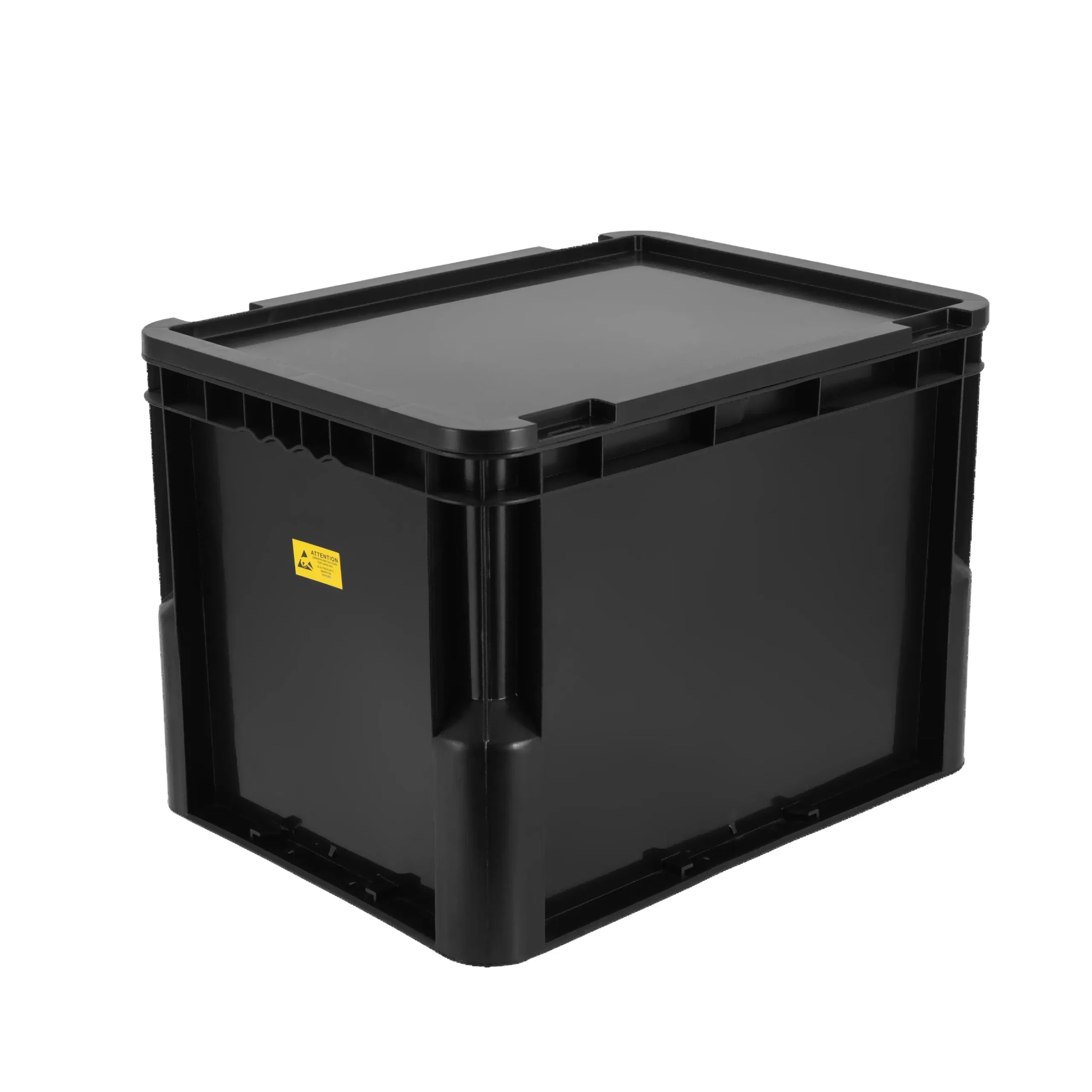
Part 1. Why do box and bin overlap in catalogues?
Suppliers, distributors, and internal ERP systems grew their container names independently. One plant’s component box is another catalogue’s parts bin, and both may point at the same open-front container family.
Sanwei’s own ESD Component Bin page states that the bin is also known as an anti-static parts box. That synonym is first-party evidence of the overlap: the name records a naming habit, not a technical boundary.
Naming is a separate question from task selection. When the real decision is whether the line needs movement, presentation, enclosure, or workpiece support, use the task-based container comparison; this guide only controls the words in the document.
Part 2. What does each name signal on Sanwei’s pages?
On swesd.com, the two names anchor different family pages. The ESD Bin category collects open-front component containers, while the ESD Box pages describe enclosure-style storage families; the anti-static box overview shows how broad the box word can be.
Neither page converts one name into the other. A buyer who writes component box while meaning an open-front picking container can receive an enclosure quotation that is technically responsive and operationally wrong.
| Written name in the RFQ | Family page a supplier may read it against | Risk if left unstated |
|---|---|---|
| ESD component box | An enclosure family or a parts-bin family, depending on the reader | Enclosure quoted where open-front picking was intended |
| Bac ESD | An open-front component-bin family | Structural style and accessories still undefined |
| Anti-static parts box | Either family; the synonym appears on Sanwei’s bin page | Two suppliers quote two different products |
| Internal ERP name only | No public page | The supplier guesses, and plants diverge |
Part 3. How should the RFQ line item name the product?
Give every line item one controlled description with four elements: the internal name, the supplier family page URL, the structural style words, and the stated requirements. The name can stay — the URL and requirements carry the meaning.
Keep one description per item across plants and revisions. When two sites order under different wording, quotations stop being comparable, and the stores catalogue inherits the confusion.
| Line-item element | Example of what to record | Pourquoi c'est important |
|---|---|---|
| Internal name | The ERP or stores name the team already uses | Continuity with existing systems |
| Family page URL | The supplier category or product page selected | The quotation maps to a public reference |
| Structural style | Open-front, covered, drawer, or hanging wording | Steers the model family before the quote |
| Stated requirements | Envelope, accessories, evidence, and quantity bands | Removes everything the name cannot say |
Part 4. Which structural words change the quotation?
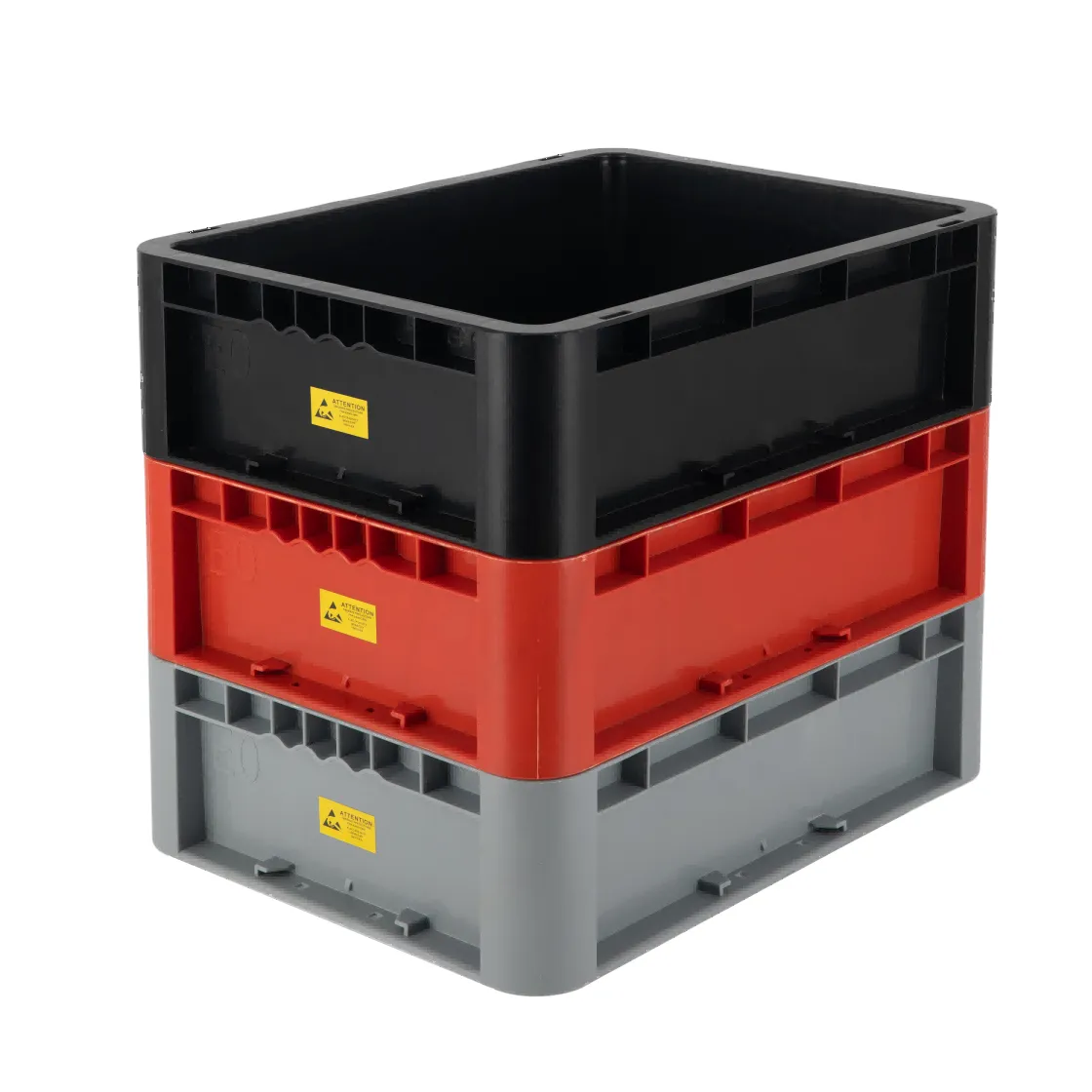
Structural words carry more selection signal than the family name. Sanwei’s ESD Component Bin page lists classifications by structural performance — stacked, hanging, flip-top, covered, oblique-mouth, flat-mouth, and drawer types — and those words are what separate one quotation from another.
Use the classification word that matches the operating intent, then let the supplier confirm which named model rows offer it. A classification list on a family page is not a promise that every model carries every structure.
For enclosure-side wording, material words behave the same way; the ESD box material guide covers why a material claim belongs to a quoted model rather than to a name.
Part 5. Which requirements must be stated regardless of name?
No container name implies a dimension, load behavior, material specification, protection level, color, accessory, MOQ, price, or lead time. Every one of those is a requirement field, and the RFQ must state it or accept the supplier’s default.
Accessories deserve their own wording care. Sanwei’s bin family page lists optional anti-static labels, covers, and partitions; an RFQ that writes lid while the page writes cover should still be understood, but the quotation cross-check works better when the document reuses the supplier’s own option words with quantities.
| Requirement field | State it as | Never infer it from |
|---|---|---|
| Item envelope | Occupied length, width, height, and packaging condition | The word box or bin |
| Accessories | The supplier’s option words with quantities per container | A product photo |
| Identification | Label fields, status marks, and facing direction | Catalogue color |
| Commercial terms | Quantity bands and requested evidence of availability | Family-page presence |
Part 6. What ESD evidence applies under either name?
The ESD acceptance path is identical for a box and a bin: the buyer’s program defines the requirement, and the quoted model carries the evidence. ANSI/ESD S20.20-2021 describes requirements for an ESD control program; it does not certify a container name.
Sanwei’s ESD Component Bin page publishes a static-index row at family level. Request the test method, evidence, and traceability the program requires for the selected model, in the same quotation that confirms structure and accessories.
Part 7. How should the quotation be cross-checked?
Check the quotation against the controlled description, element by element, before commercial review. The point of the naming rule is that this check becomes mechanical rather than interpretive.
| Cross-check | Question to answer |
|---|---|
| Family page | Does the quoted model belong to the family page named in the RFQ? |
| Structural style | Does the quoted row carry the structure word the document requested? |
| Requirements | Are envelope, accessories, and identification restated, not assumed? |
| ESD evidence | Is the requested method and evidence tied to the quoted model? |
| Sample review | Will a loaded sample be checked against the same description? |
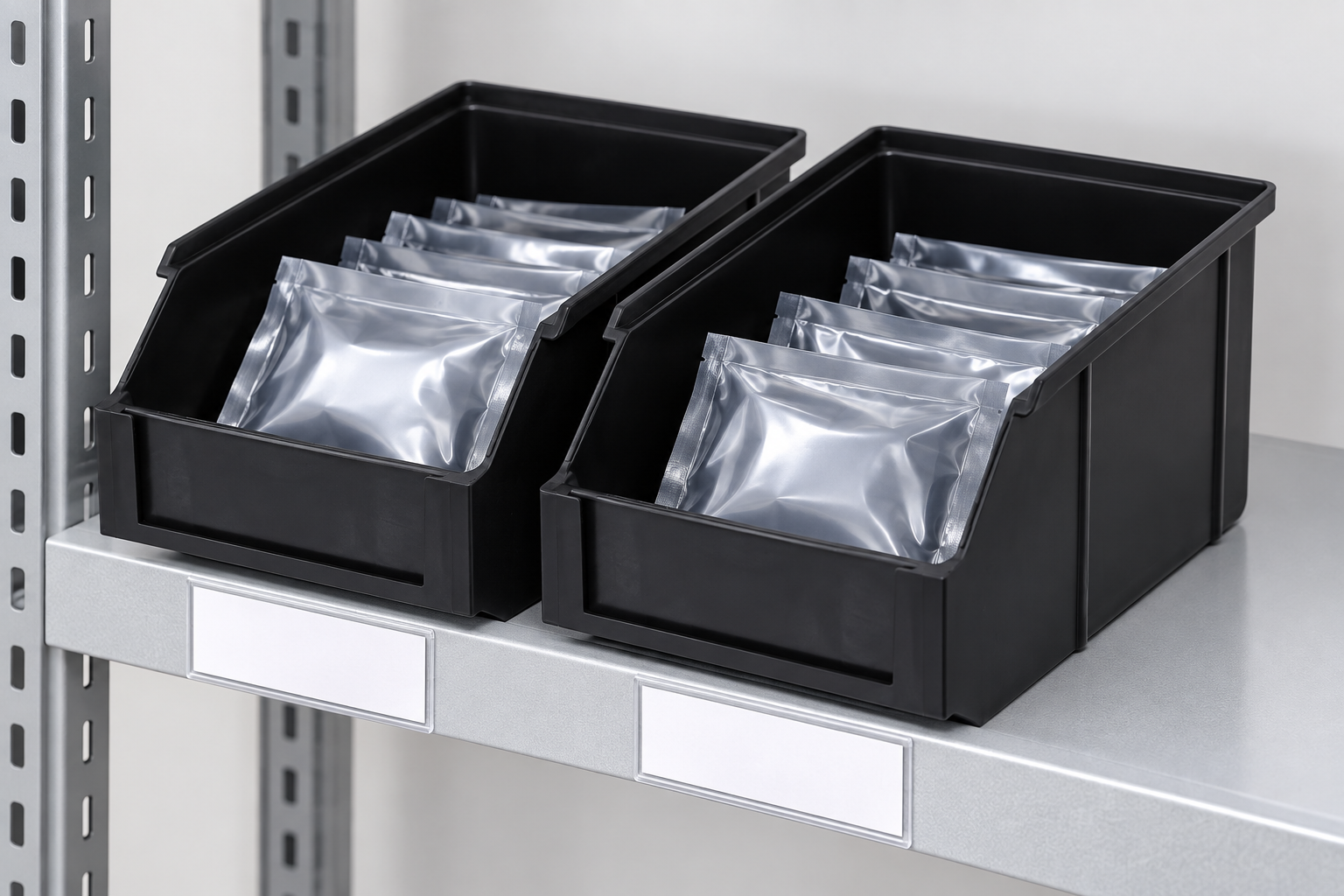
For open-front, point-of-use parts presentation — the product most often written up under both names — start the model review from the Sanwei ESD Component Bin family. The family page carries the synonym wording, structural classifications, and option rows the description should reference.
Ajuster la limite
| Situation de l'acheteur | Voie raisonnable | Éviter |
|---|---|---|
| RFQs and catalogues that mix box and bin wording | One controlled description per item with a family page URL | Relying on the name to carry meaning |
| Choosing between totes, carriers, bins, and boxes by task | The task-based comparison article | Treating this naming guide as a role-selection tool |
| Enclosure material decisions | The box material guide and quoted model rows | Inferring material or protection level from a name |
| Two plants ordering the same item differently | A shared description with the supplier’s option words | Letting each site translate names independently |
Send the controlled description, structural words, requirement fields, and ESD evidence request through Contacter Sanwei for a quotation that can be checked against the document rather than the name.
FAQ
Is an ESD component box the same as an ESD bin?
Often, yes — the names overlap, and Sanwei’s own bin page records the anti-static parts-box synonym. Treat the wording as a catalogue habit and let the family page URL plus stated requirements define the product.
Why do suppliers use both names for similar products?
Container naming grew independently across suppliers, regions, and internal systems, so the same open-front family collected several names. No standard converts one term into the other.
Which name should go in the RFQ line item?
Keep the internal name the team already uses, then bind it to a supplier family page URL, structural style words, and stated requirements. The description, not the name, controls the quotation.
Do box and bin imply different materials or protection levels?
No. Material, protection behavior, and every other property belong to the quoted model row and the buyer’s stated requirements, never to the name on the line item.
Which structural words matter more than the family name?
Words such as open-front, stacked, hanging, flip-top, covered, oblique-mouth, flat-mouth, and drawer steer the quotation toward a structure. Sanwei lists such classifications on its bin family page; availability is confirmed per named model.
How should accessories be named in the quotation?
Reuse the supplier’s own option words — for example anti-static label, cover, and partition on Sanwei’s bin page — with quantities per container, and ask the quotation to restate them for the selected model.
What ESD evidence applies regardless of the name?
The buyer’s program requirement applies to any container: request the test method, evidence, and traceability for the quoted model, using the program context of ANSI/ESD S20.20 rather than the product name.
How can a buyer check that the quoted product matches intent?
Cross-check the quotation element by element against the controlled description: family page, structural style, requirement fields, ESD evidence, and the sample-review criteria. A quote that matches the name but not the description is not acceptable.
Laisser un commentaire