- wp_kexun
- Blog
When a production planner in Austin, Texas, prepared a new surface-mount line, the equipment list was complete but the support materials were not. Operators had reels and feeders, yet boards waited in ordinary bins, stencil cleaning relied on an unqualified cloth, and grounding checks were recorded on paper with no owner. Within three shifts, paste-print variation and an ESD hold slowed the ramp. The line did not need more machines; it needed the right SMT supplies in the right process locations.
Résumé : SMT supplies are the materials, tools, and control items that keep surface mount assembly moving—from component handling and stencil cleaning to grounding, storage, inspection, and shipment. A dependable set combines ESD protection, cleanliness, mechanical fit, traceability, and verification. Buyers should map each supply to a process step, specify measurable acceptance criteria, and review the material route under ANSI/ESD S20.20 and IEC 61340-5-1.
What Are SMT Supplies?
SMT supplies support the work around placement and soldering rather than replacing the placement machines themselves. They include stencil wipes, ESD tapes, labels, gloves, cleaning materials, ESD bins, trays, racks, trolleys, wrist-strap testers, surface-resistance meters, and continuous monitors.
L'expression SMT supplies is broad because every line has a different mix of package sizes, board formats, cleanroom requirements, changeover frequency, and ESD sensitivity. A useful specification names the process step, the item being protected, the environmental conditions, and the evidence required at receiving and during use.

SMT Supplies by Process Step
Follow a board through the line. At incoming inspection, protective packaging, labels, ESD bins, and grounded carts preserve identity and charge control. During kitting, trays, component boxes, and racks keep reels and moisture-sensitive parts organized. At printing and placement, stencil wipes, approved cleaners, gloves, and splice materials protect both the machine and the board. Inspection and rework require grounded surfaces, wrist straps or footwear controls, low-lint Fournitures ESD, and a defined quarantine container.
| Process step | Typical SMT supplies | Control question |
|---|---|---|
| Incoming and kitting | ESD bins, trays, labels, shielding packaging | Can lot identity and ESD protection survive unpacking? |
| Printing and placement | Stencil wipes, approved cleaner, gloves, splice supplies | Do consumables fit the machine and leave no harmful residue? |
| Inspection and rework | Mats, wrist straps, monitors, ESD wipes | Is the operator and work surface verified? |
| Storage and shipment | ESD boxes, racks, trolleys, shielding bags | Does protection continue through every handoff? |
Why ESD Supplies Matter in Surface Mount Assembly
Surface mount devices can be damaged by events operators never feel. A suitable ESD supply does not simply carry an “anti-static” label; it has a defined role in the site control plan. A mat needs a verified ground path, a tray needs the right material and geometry, a wrist strap needs a functioning connection, and a wipe needs acceptable charge and contamination behavior.
ANSI/ESD S20.20 and IEC 61340-5-1 provide the program framework, but the site must define technical limits, test method, frequency, training, and corrective action. A product certificate is supporting evidence—not a substitute for installation and use controls.
Cleanliness and Machine Fit Are Part of the Specification
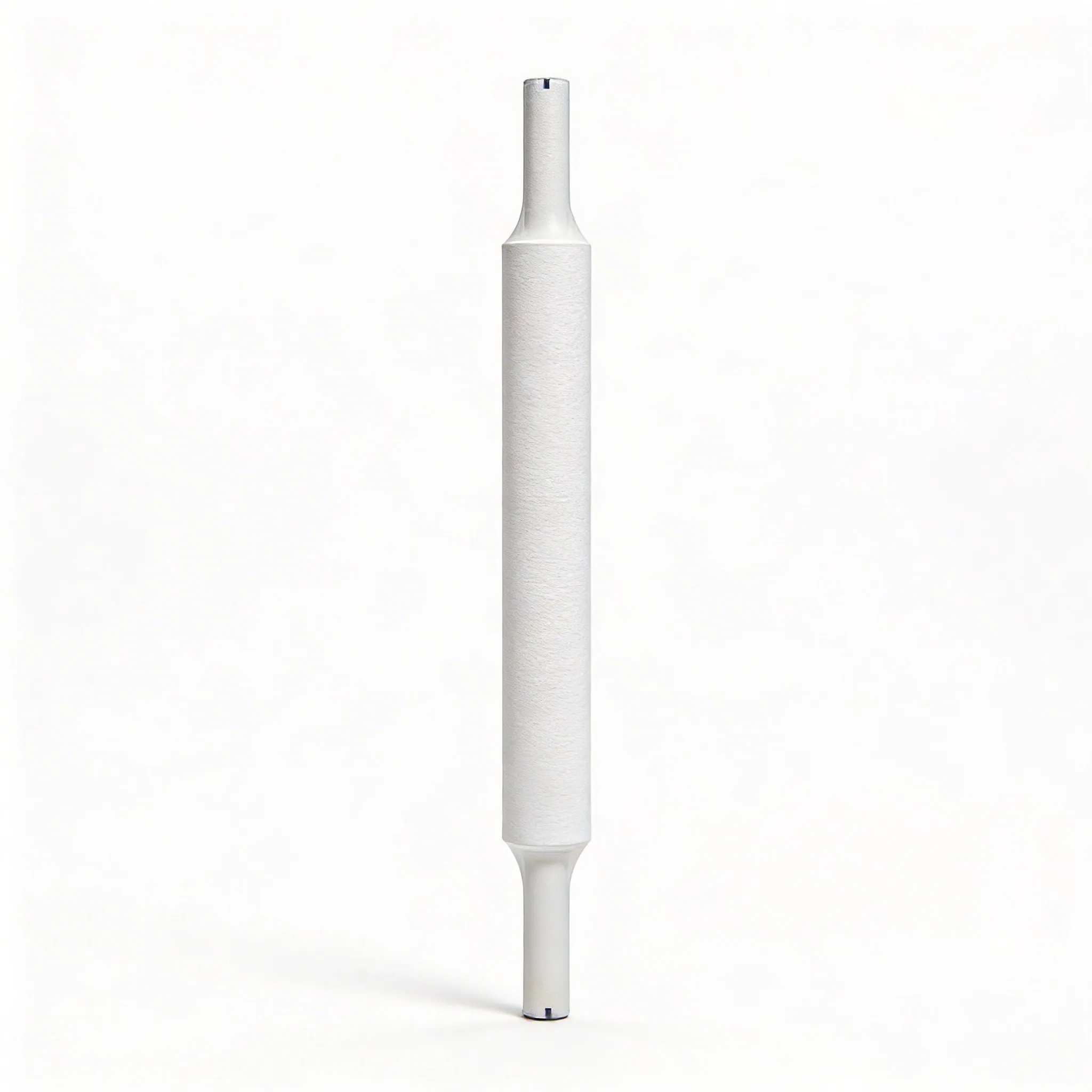
A cleanroom wipe is not automatically a suitable stencil wipe. Printer rolls have requirements for width, core, winding, tensile strength, absorbency, lint, solvent compatibility, and tracking. A wipe that performs well by hand may telescope or tear inside an automated printer. Qualification should run on the actual machine and inspect apertures, underside residue, print quality, and waste handling.
The same principle applies to Rubans ESD, labels, and splice materials. Adhesive residue, peel charging, loss of adhesion, or a poor splice can create downtime. Specify the use, substrate, temperature, removal method, and change-notification requirement.
How to Qualify SMT Supplies Before Line Release
- Define the process step, ESDS item, dimensions, and environmental conditions.
- Request material, cleanliness, resistance, and compatibility evidence appropriate to the item.
- Run a representative trial at normal line speed or handling frequency.
- Record the result, acceptance limit, lot, owner, and replacement trigger.
- Requalify changes in resin, adhesive, fiber composition, thickness, packaging, or machine format.
The Total Cost of the Right SMT Supplies
Unit price is only one part of the decision. An inexpensive wipe that causes printer residue can add cleaning time and rejected boards; a weak tray can add handling damage; an unverified mat can create audit findings. Compare cost per accepted board, changeover time, replacement frequency, verification labor, and containment cost.
FAQ
What are SMT supplies?
SMT supplies are the consumables, handling products, cleaning materials, grounding items, and verification tools used around surface mount assembly.
What is the difference between SMT supplies and SMT equipment?
Equipment includes printers, placement machines, ovens, and inspection systems; supplies support their operation, material flow, cleanliness, and ESD control.
What ESD supplies are needed for an SMT line?
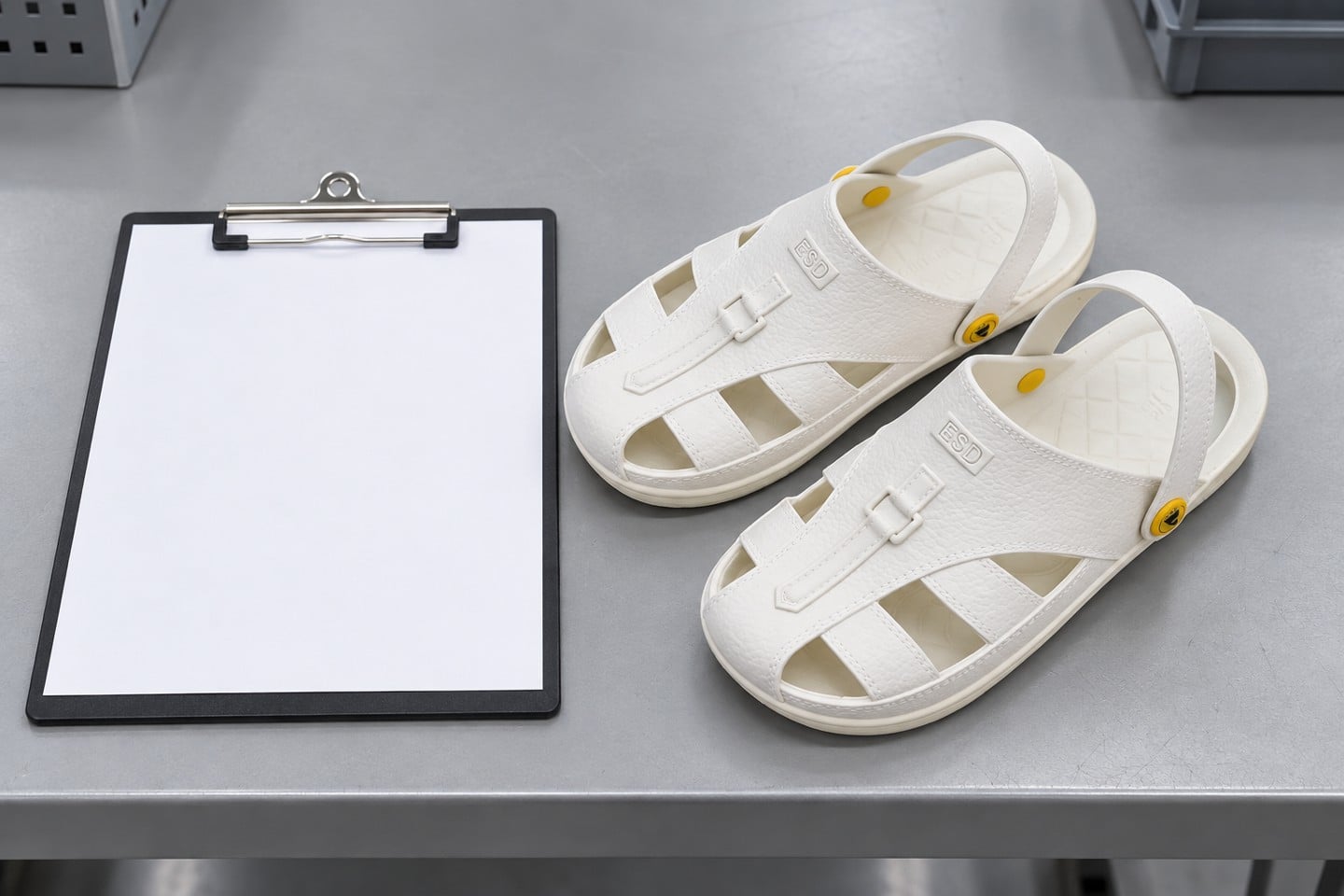
Common items include grounded mats, wrist straps or footwear controls, monitors, ESD bins, trays, racks, trolleys, protective packaging, wipes, and approved tapes.
How are SMT supplies tested?
The method depends on the item: resistance-to-ground, point-to-point resistance, personnel-system testing, charge behavior, lint, chemistry compatibility, dimensions, or machine trials may apply.
Can any cleanroom wipe be used for SMT stencil cleaning?
No. The wipe must match printer dimensions, solvent, absorbency, tensile strength, lint requirement, and the site ESD and cleanliness controls.
Références
The difference is not in how many supplies a line can store—it is in whether each item protects a defined process decision. Sanwei builds ESD bins, boxes, trays, racks, trolleys, and related control products for that work; contacter l'équipe Sanwei to review your SMT material flow.


Laisser un commentaire