- Blog
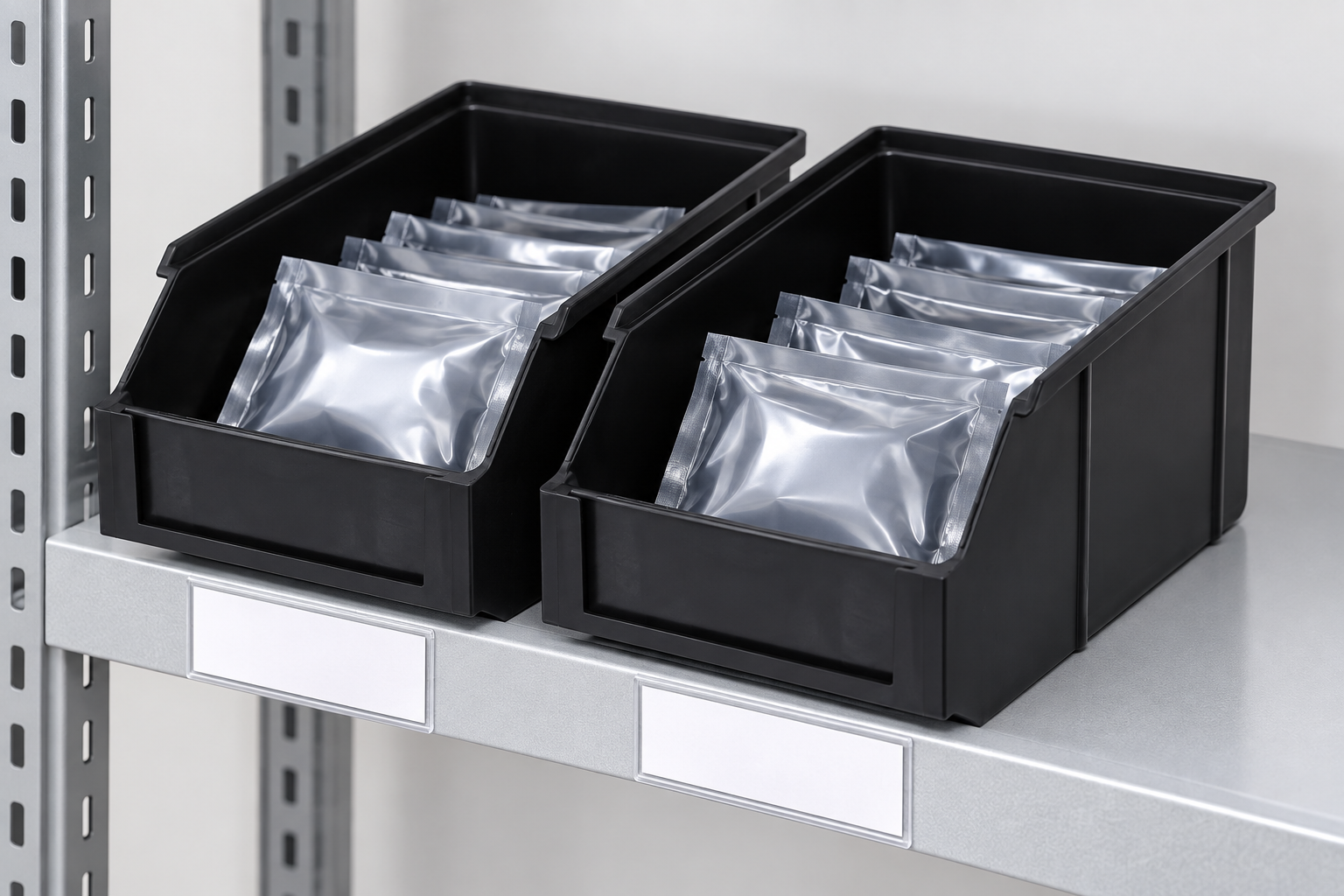
An ESD bag and a static-shielding tote are not interchangeable names for the same package. Start with the job: a bag usually contains one unit or a small parcel, while a tote is designed for repeatable in-plant handling. Then specify shielding, cushioning, closure, labeling and reuse as separate requirements.
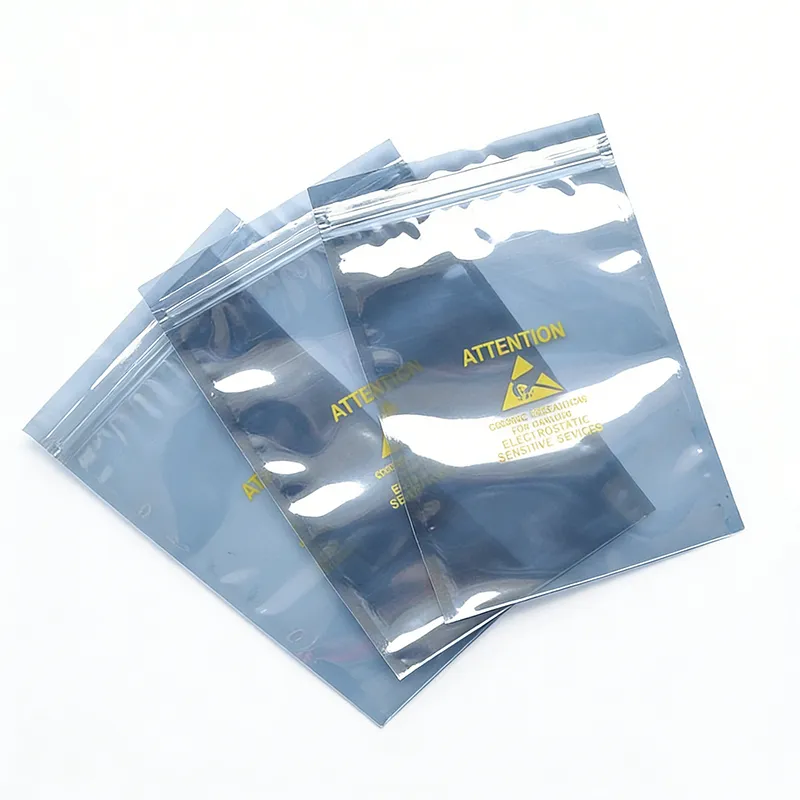
Start with the package job
Ask four questions before asking for a price:
- Is the item moving inside the controlled area, between buildings or to a customer?
- Will the operator open and close the package repeatedly?
- Does the item need cushioning, separation or a fixed orientation?
- What must remain visible: part number, lot, status or inspection result?
La Guide sur les matériaux de l'ESD Association places packaging in the control plan because the environment may change during movement. The package job determines the practical format.
| Requirement | Bag is often a starting point | Tote is often a starting point |
|---|---|---|
| One board, device or small kit | Flexible, low-volume containment | More structure than needed |
| Repeated line-side handling | Closure and wear need review | Reusable access and status labeling |
| Multiple boards with fixed separation | Needs inserts or individual bags | Dividers, slots or a defined carrier |
| Outbound parcel | Combine with approved outer packaging | Use only if return/reuse is part of the route |
Do not confuse antistatic with shielding
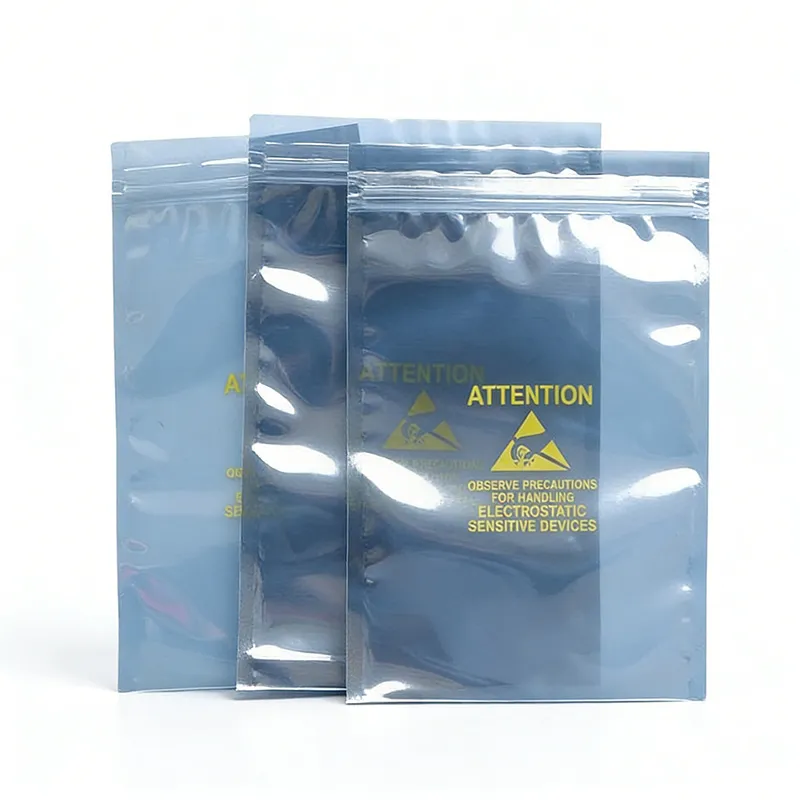
La Antistat comparison explains that antistatic behavior and shielding address different risks. A bag that reduces charge generation is not automatically a Faraday-style shield against an external field. Ask what protection the buyer’s program requires and which test method demonstrates it.
Likewise, “conductive,” “dissipative” and “antistatic” are material descriptors, not a complete package specification. DieCut123’s foam guide et Rogers Foam’s comparison show why the intended discharge behavior and contact design must be stated.
Decide whether a reusable tote earns its complexity
A tote makes sense when the same route repeats and the plant needs a stable footprint, label area, stack or lid behavior, and controlled return loop. It may be the wrong choice for a one-time shipment or an item that cannot tolerate the tote’s contact geometry.
La American Additive packaging overview treats shielding, cushioning and identification as distinct packaging needs. Apply that logic to a tote: confirm board support, cushioning, closure, cleaning, label retention and the condition at return. Do not assume reusability means unlimited life.
Set the fit boundary
| Situation de l'acheteur | Route to test | Éléments de preuve à demander |
|---|---|---|
| Unit enters or leaves an EPA | Bag or closed package | required protection, closure and label method |
| Repeated WIP between stations | Reusable tote or box | dimensions, partitions, cleaning and trial record |
| Sensitive pins or fragile components | Tote/box with defined foam | foam type, contact design and cushioning trial |
| Mixed routes | Bag inside tote or approved outer package | responsibility at each handoff |
Do not use a tote as proof of shielding, or a bag as proof of mechanical protection. The selected combination must be accepted against the buyer’s own ESD and handling requirements.
Turn the packaging choice into an RFQ

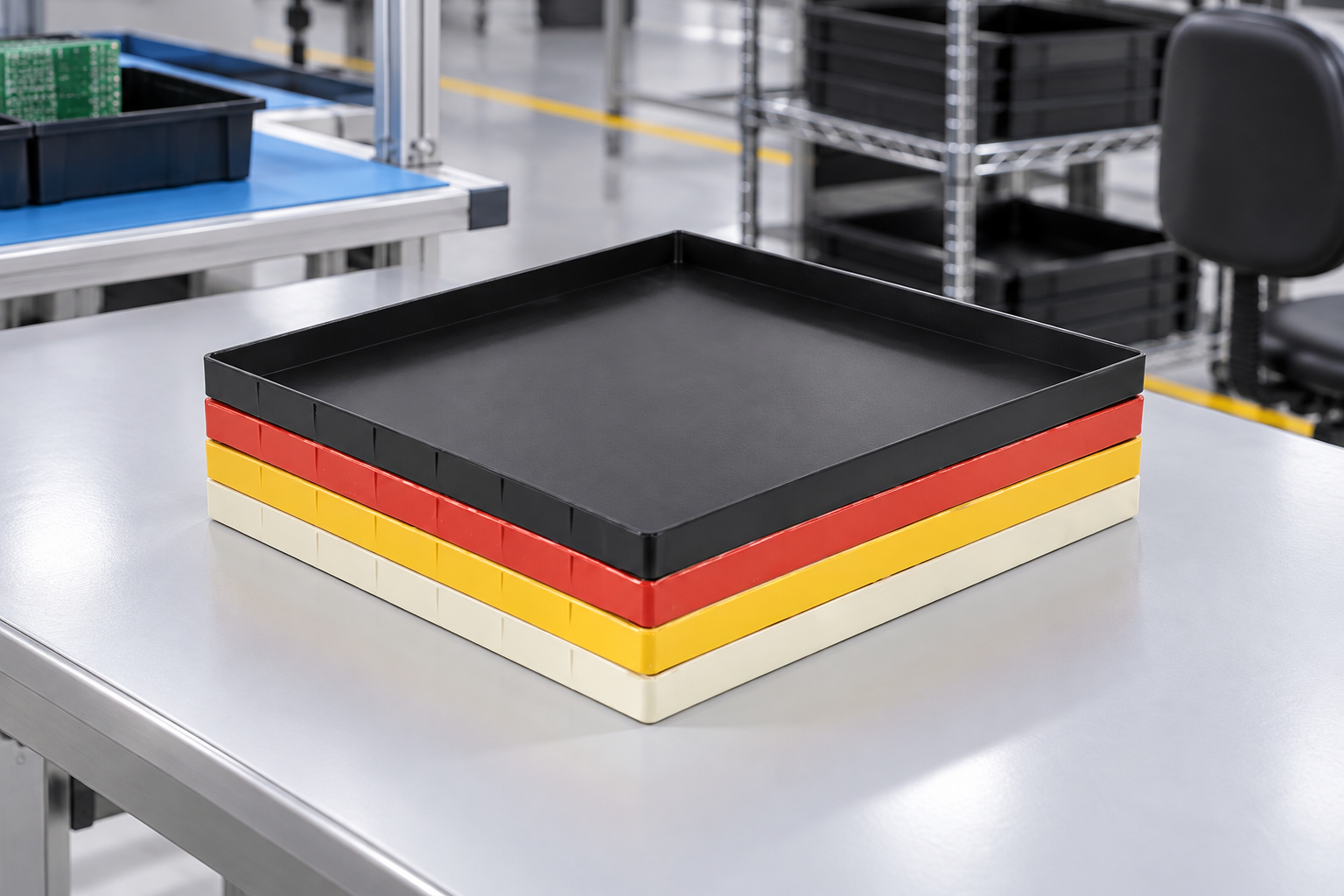
Utilisez SWESD ESD Box route when reusable in-plant containment is the job. Add the Plateau ESD route when orientation or separation is central. Send Contacter Sanwei the part envelope, quantity per package, route, opening frequency, cushioning, label, cleaning, stacking and test evidence required.
FAQ
Is every silver bag static-shielding?
No. Verify the construction, intended use and test evidence for the quoted bag.
Can a tote replace an outbound package?
Only when the buyer’s route, return loop and external protection requirements explicitly accept it.
Is conductive foam a complete ESD package?
No. Foam is one material element; the enclosure, contact path, cushioning and acceptance method still need definition.
Laisser un commentaire