
Review ESD packaging shelf life using exact material identity, manufacturer storage conditions, stock traceability and a documented requalification decision.

Evaluate ESD foam compression recovery with material-specific methods, traceable loading conditions and component retention checks before approving reuse.
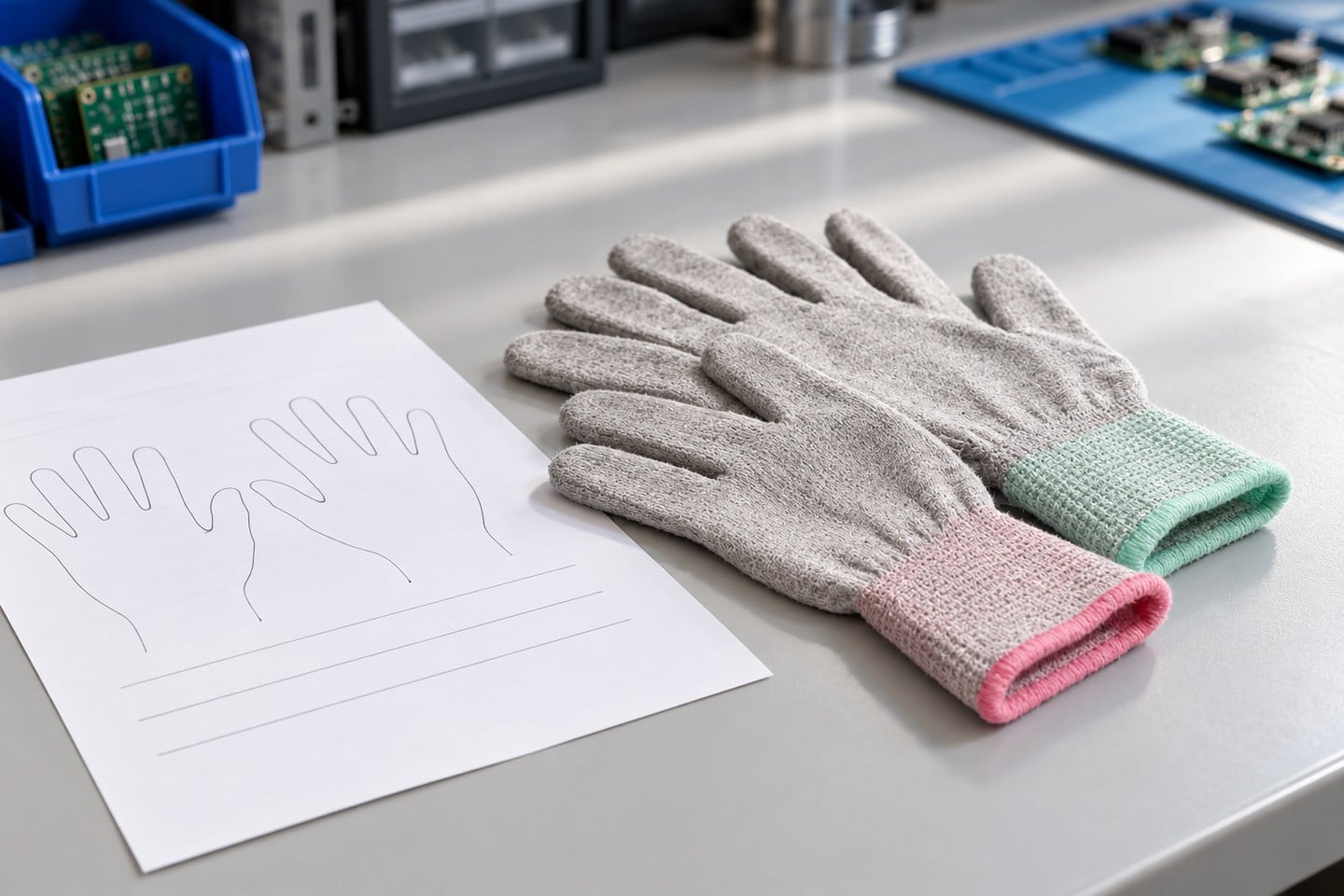
Choose ESD glove sizes through hand measurements, fit checks and controlled dexterity trials, keeping handling approval separate from electrical qualification.

Distinguish low charging, conductive and shielding packaging claims, compare test scope and build a traceable RFQ for the actual finished package.
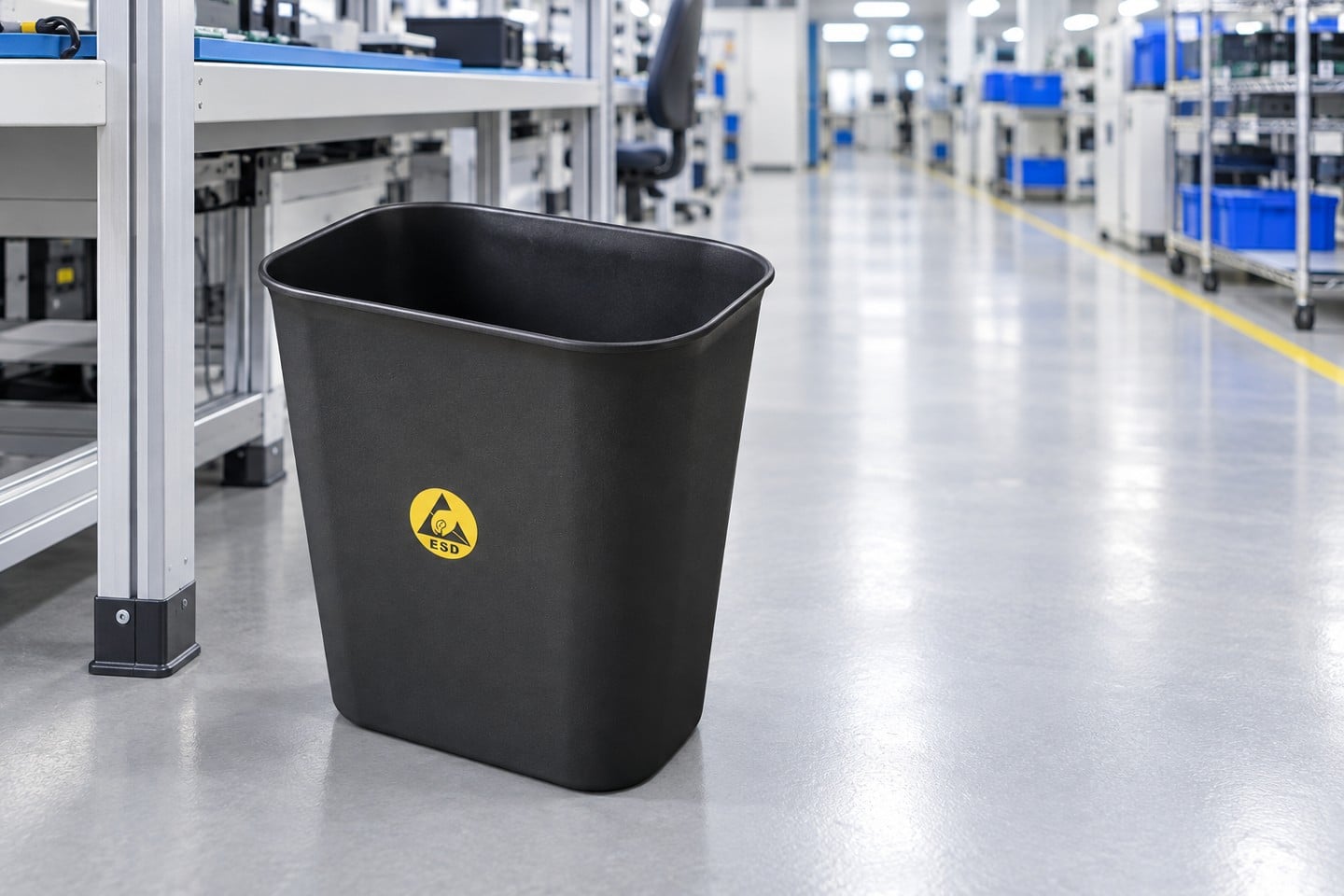
Select ESD waste bins for electronics work areas by defining waste streams, checking bin and liner evidence, planning collection and controlling substitutions.
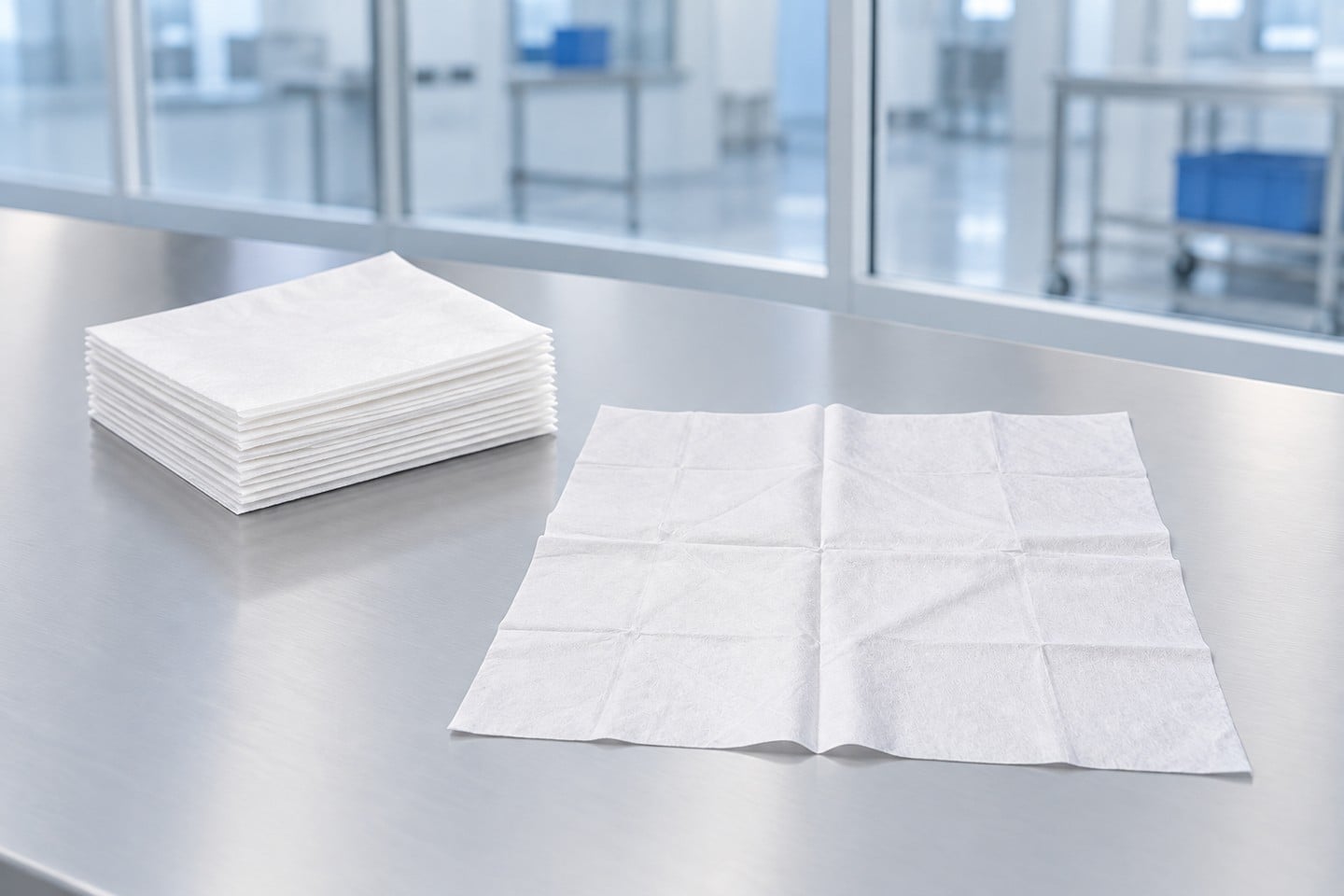
Compare laundered and nonwoven ESD wipes using construction, cleanliness, compatibility and controlled process trials rather than relying on product labels.
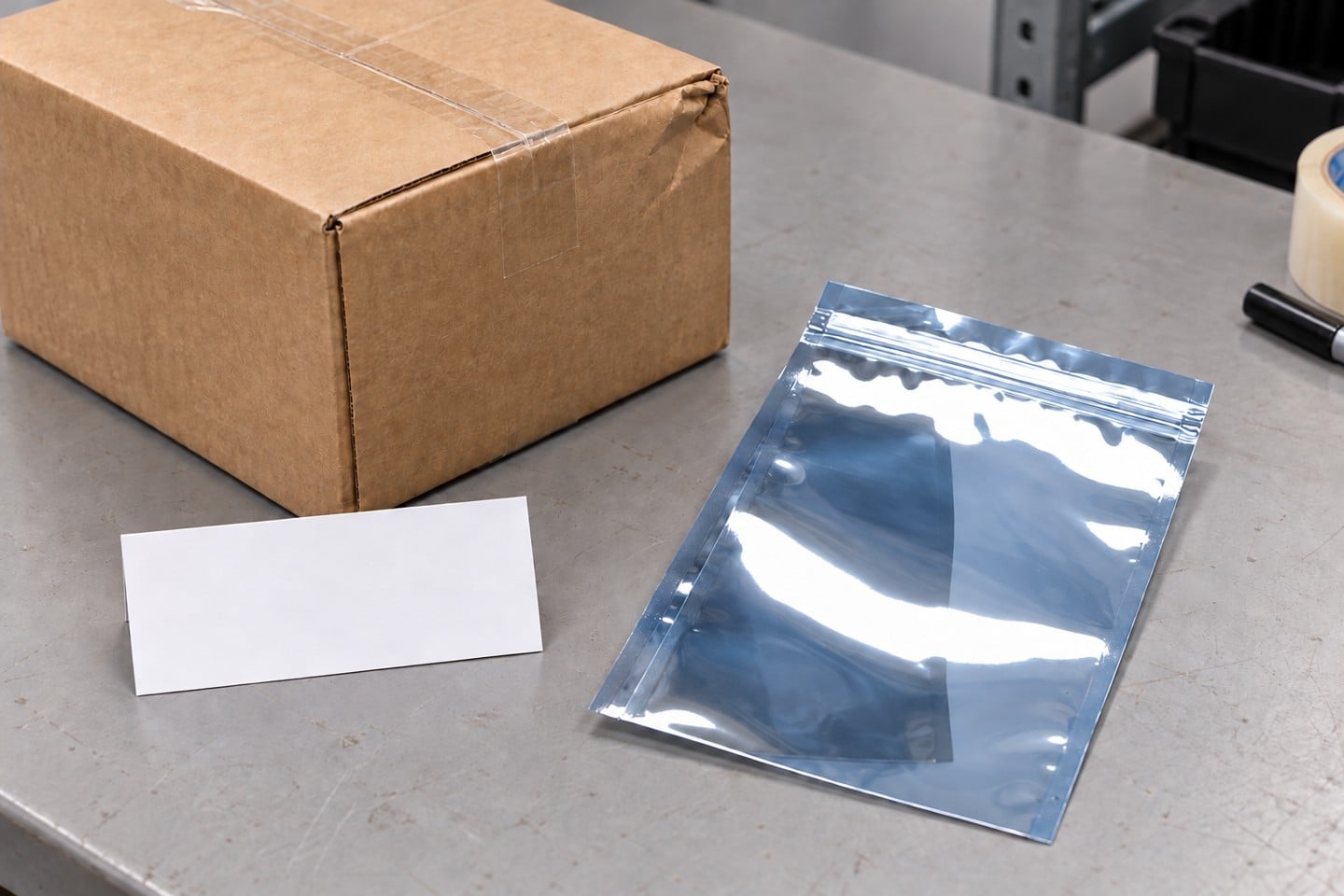
Investigate damaged ESD shipments by preserving package layers, separating mechanical and electrical findings and verifying evidence-based corrective actions.

Plan ESD glove resistance qualification by separating intrinsic and worn-system tests, reviewing supplier evidence and setting condition-based replacement rules.

Compare ESD slippers and safety shoes through workplace hazards, protective evidence, grounding-system qualification and a task-based footwear approval matrix.

Interpret ESD footwear resistance tests by separating specimen, wearer and floor-system evidence, defining the method and reviewing acceptance criteria.

Evaluate cleanroom sticky mat effectiveness with comparable baseline sampling, controlled traffic, sheet-life observations and a documented acceptance decision.
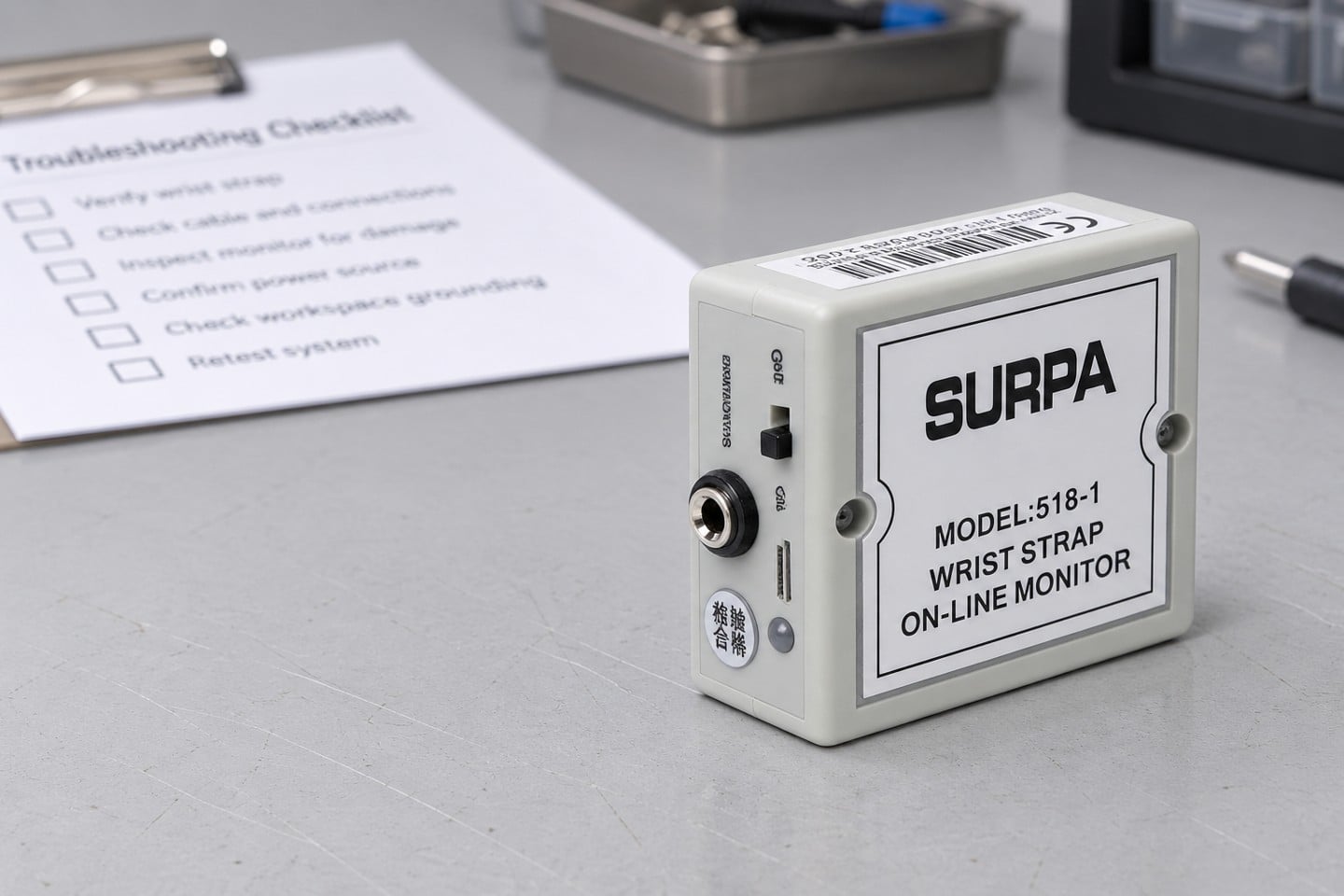
Troubleshoot wrist strap monitor alarms with a controlled contact, cord, connection and verification sequence, plus records for safe workstation release.