- Turbo
- Blog
ESD finger cots vs gloves should be compared by the coverage the task needs, the contamination pathways that remain exposed, and the electrical-control evidence for the actual arrangement. A finger cot covers an individual finger; a glove covers more of the hand. Neither format automatically qualifies a process, replaces personnel grounding, or establishes chemical or medical protection. Map every relevant contact, identify the exact product, and evaluate representative handling before approval. This guide helps electronics buyers decide when limited coverage is defensible and when a full-hand arrangement needs to be considered.
Begin with a complete contact map
Watch the entire task, including taking a part from its carrier, positioning it, operating tools, and returning it to packaging. Identify which fingers, palm areas, wrists, or uncovered skin can contact the product or a surface that later contacts the product. The intended pinch grip is only one part of that route.
A limited finger-contact task can become a palm-contact task when a part is turned or a tray is moved. Record that change explicitly. Also observe how operators recover from a dropped item or an awkward placement. The normal procedure should not depend on perfect execution while leaving predictable contacts uncontrolled. Use safe representative samples where direct production trials are not authorized.
Understand the difference in physical coverage
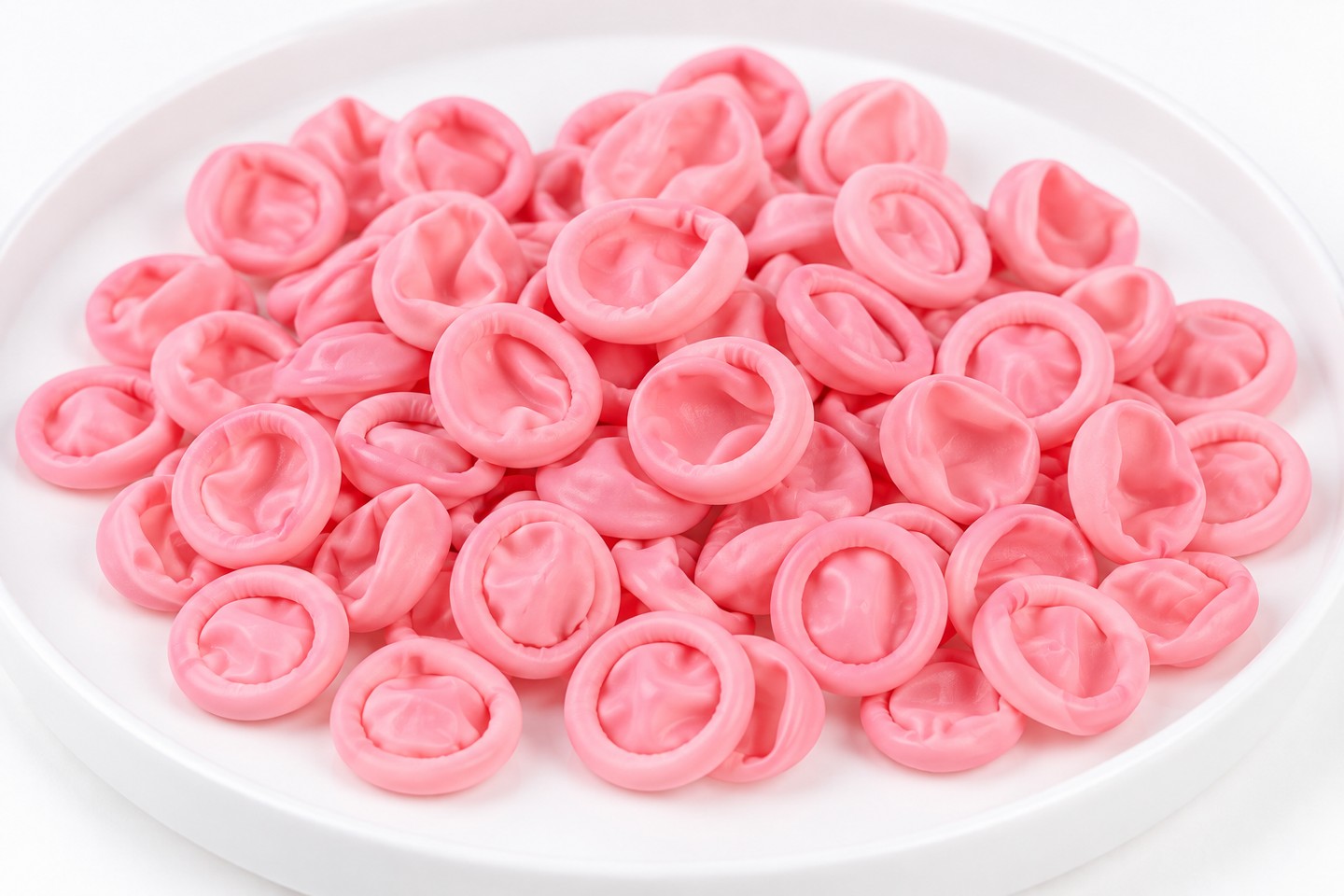
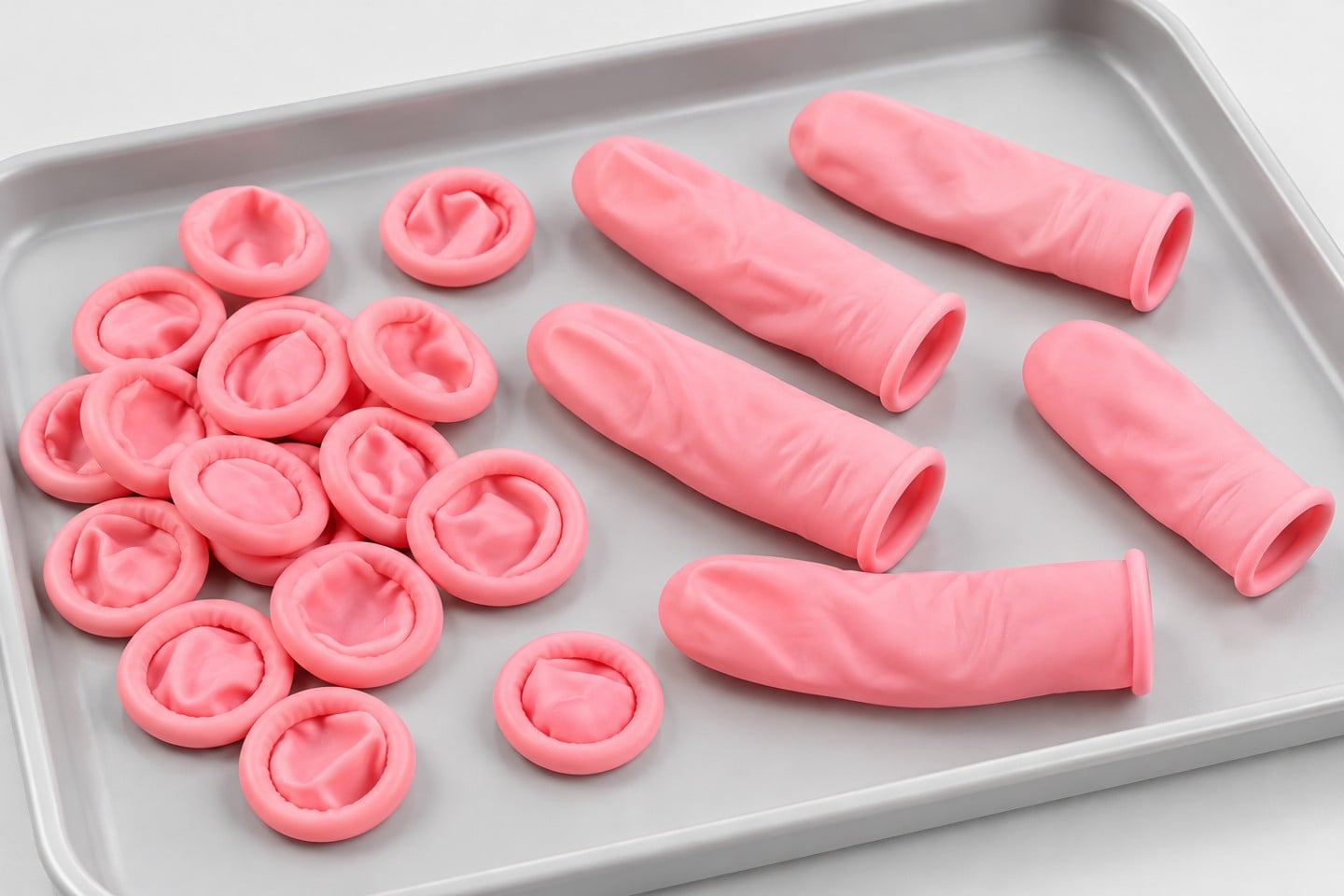
A finger cot normally has a closed finger end and an open rolled rim. It covers a local area and leaves the remaining hand exposed. A glove provides broader coverage, but its fit, construction, cuffs, condition, and wearing method still matter. Neither description establishes the cleanliness of the supplied product.
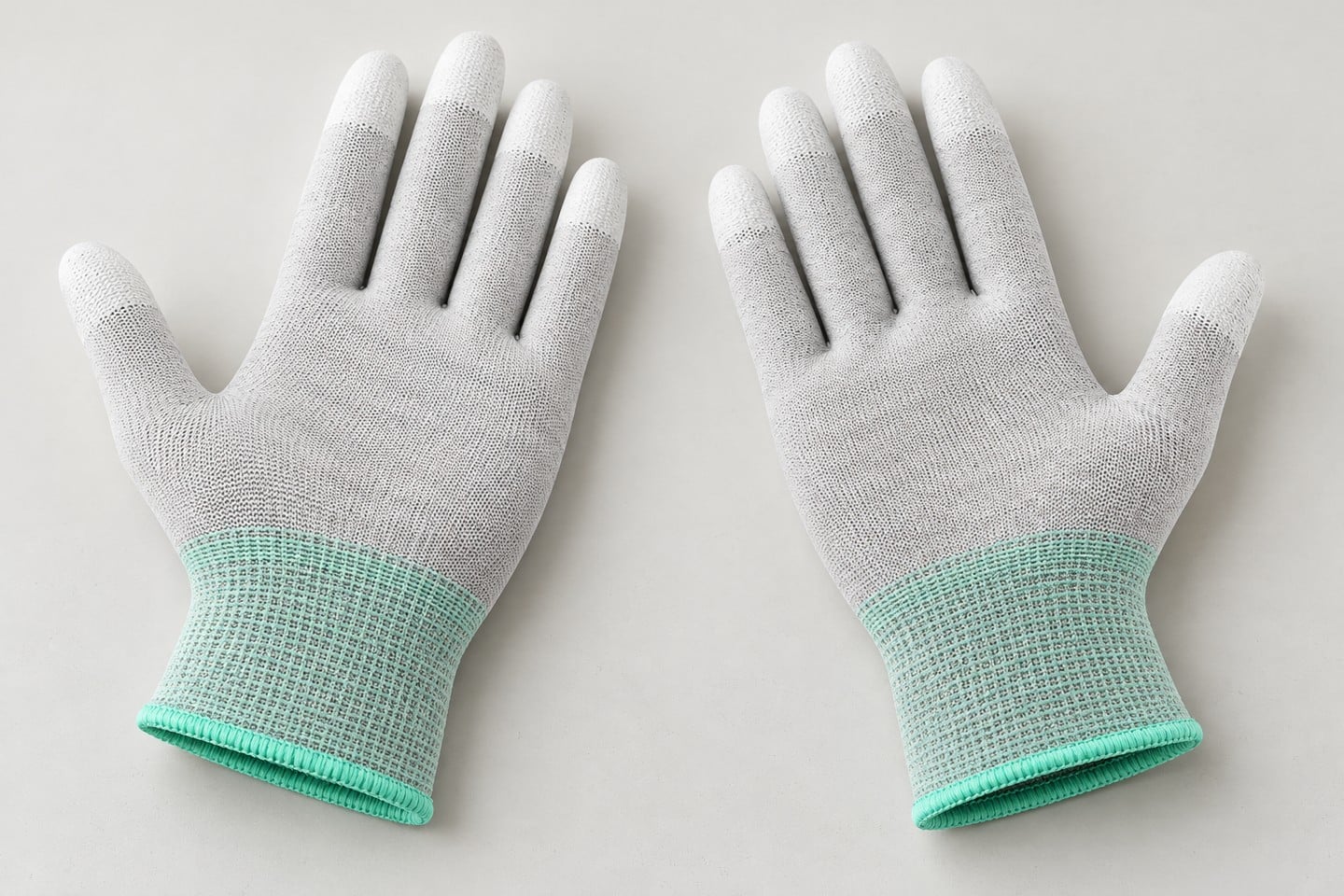
Das SWESD disposable finger cot illustrates the limited-coverage format. For a broader-hand comparison, review the SWESD knit handling glove and request evidence for the actual proposed construction. The two products are not interchangeable merely because both are listed for electronics work. Product photographs identify visible features; they do not prove cleanliness, electrical performance, or a validated protection claim.
Separate component protection from worker protection
This comparison concerns controlled handling of electronic components. It does not approve finger cots or gloves as chemical, biological, thermal, cut, or electrical-insulating protection. A task with such hazards needs its own assessment and suitable protective equipment. Do not extend a disposable product’s electronics-use description to those separate hazards.
Similarly, broader skin coverage does not automatically mean better protection against every contamination mechanism. The supplied cleanliness, material compatibility, handling method, and condition are relevant. Define what the process must prevent: skin contact, visible marking, particles, residues, or another specified transfer. A general statement such as keep parts clean is too vague to establish an acceptance decision.
Keep personnel grounding in the approved program
Das EOS/ESD Association basic control guidance explains personnel and material controls as parts of a coordinated program. A finger cot is not permission to remove an approved wrist strap or bypass the site’s personnel-grounding rules. Nor does a glove name establish every required contact path.
Ask the ESD coordinator what the exact product must demonstrate in its intended arrangement. A material-level report and a worn-use evaluation may answer different questions. Do not carry a result from one cot thickness, formulation, glove construction, or preparation into another without a documented basis. The ESD glove testing guide explains why specimen identity and measurement scope matter when reviewing hand-contact products.
Compare the formats through a decision table
| Entscheidung | Finger cot review | Glove review |
|---|---|---|
| Coverage | Identify every finger and uncovered skin contact | Identify hand and cuff contacts |
| Fit | Check retention and rolled-rim movement | Check finger length, cuff and loose material |
| Contamination | Evaluate local contact and exposed pathways | Evaluate the complete supplied construction |
| Elektrische Rolle | Do not substitute for approved personnel grounding | Do not infer performance from glove naming |
| Issue and replacement | Control small-item dispensing and rejects | Control package opening, sizing and rejects |
Use the table to identify what must be tested, rather than selecting automatically by coverage area. The most useful comparison records where each format works, where it fails, and which controls remain necessary. If both formats are accepted for different tasks, define those tasks clearly enough that issue staff and operators can distinguish them.
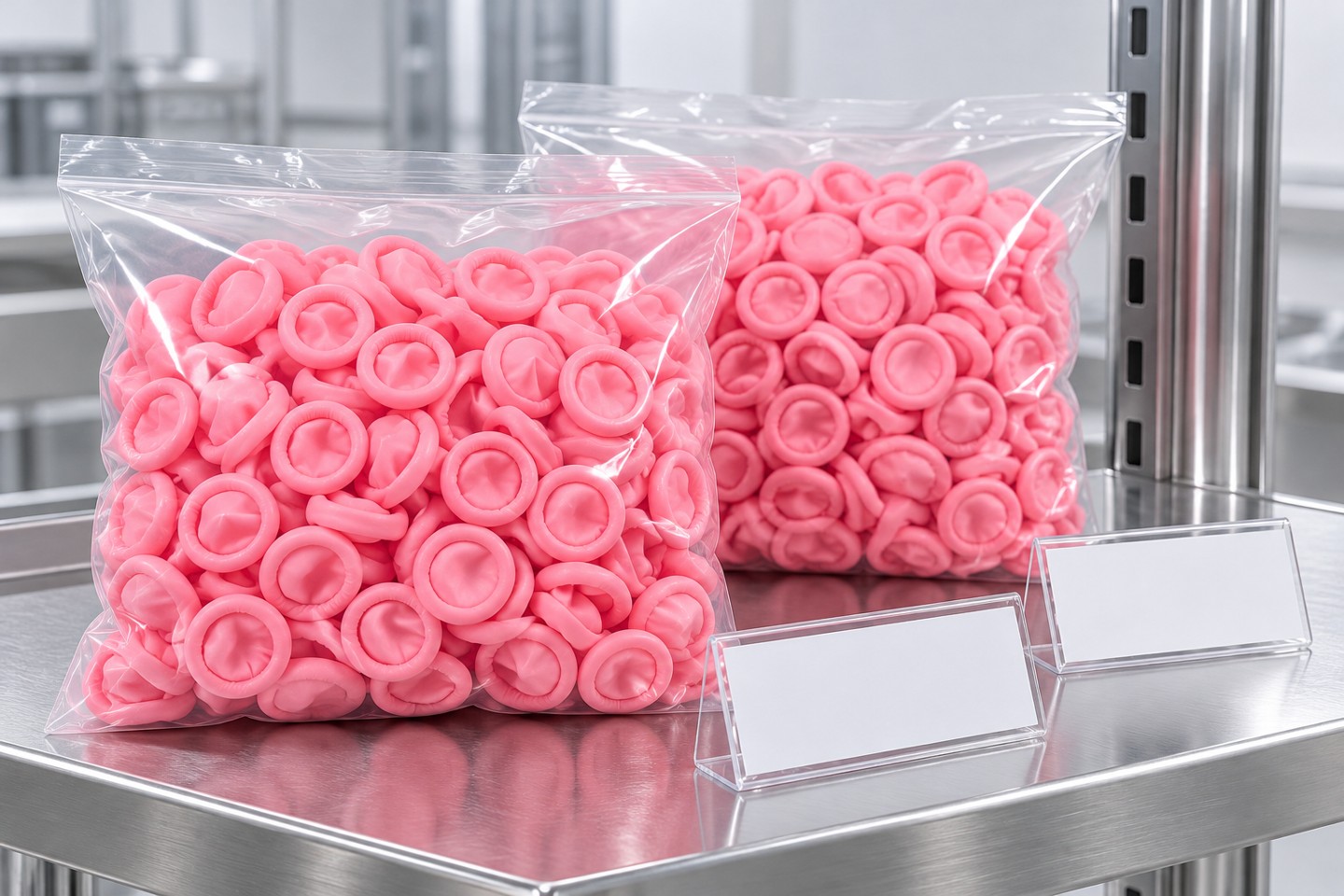
Consider supply and handling as well as the contact itself. A small item dispensed from an open mixed container can be difficult to trace or keep in the required state. A glove package can also be mishandled. The release decision should cover the actual issue method and packaging condition, rather than approving a sample presented differently from normal production supply.
Check fit, retention and controlled movement
Select the correct size and follow the supplier’s wearing instructions. A cot that rolls back, slips, tears, or restricts movement can alter the contact map during the task. Excess material at a fingertip can interfere with precise placement. For gloves, loose fingers or an unsuitable cuff can create different problems. Do not solve one format’s poor fit by assuming the other format must be better.
Run a controlled pickup, placement, and release exercise with representative parts. Record regripping, loss of control, rolled rims, snagging, and contacts with uncovered skin. The glove sizing and dexterity guide provides complementary trial principles. Retain the conditions of the exercise so a later supplier sample can be compared fairly.
Evaluate surface transfer in the intended state
Define the relevant surface and observation method before testing. A polished housing, optical surface, connector, or ordinary carrier may have different acceptance requirements. Use the process owner’s criteria and a justified evaluation method. Do not invent a universal particle or residue limit for all electronics work.
Record the initial surface condition and the handling route. Where needed, include a reference observation to distinguish background contamination from transfer during use. A result based only on looking at the cot after handling does not necessarily establish what was left on the product. Likewise, a glove that feels clean can still require product-specific evidence before use on a critical surface.
Define replacement around the actual task
Obtain the supplier’s restrictions on reuse, cleaning, storage, and disposal. A disposable designation should not be converted into an informal cleaning program. If reuse is proposed for another product, it needs its own approved evidence and controlled method. Do not assign a universal replacement interval without a basis.
Establish observable reasons to stop using an item: damage, unacceptable contamination, loss of retention, uncertain identity, or a process-specific rejection. Decide whether changing products or moving between operations requires a change of hand covering. Record who authorizes exceptions. An operator should not have to improvise a decision while holding sensitive parts.
Control donning, removal and issue
The method used to put on a cot or glove can contaminate the surface intended to touch the part. Develop the wearing and removal sequence within the approved area procedure. Include the handling of unused stock, opened packs, rejected items, and waste. Keep the instructions appropriate to the actual product and workplace rather than importing a medical procedure without review.
Training should include practical observation. Ask whether operators can identify the correct item, fit it consistently, avoid unapproved contacts, and remove it without carrying unwanted material to the next task. The EOS/ESD Association training and auditing overview provides the program context for checking that approved procedures are understood and followed.
Write an RFQ that distinguishes the formats
Send the supplier the intended task, contact map, required size range, material restrictions, supplied condition, packaging, traceability, relevant reports, and change-notification expectations. Request an explanation of any difference between the tested sample and the proposed production supply. A broad family certificate is not a substitute for identifying the delivered product.
Benutzen Sie hand-contact product RFQ checklist to organize the commercial discussion. Compare cost per accepted task only after the format is qualified. A lower unit price can be misleading if more frequent replacement, inconsistent fit, or additional rejected parts change the practical cost. Do not assign those consequences a value until they have been measured in the actual process.
Educational background and approval scope
The following EOS/ESD Association introduction explains the ESD principles behind controlled personnel and material handling. It does not qualify finger cots or gloves and is not a demonstration of chemical or medical protection. Use it to explain why a familiar product label cannot replace the complete control program.
A final approval should identify the exact format, model, size, task, preparation, issue method, required evidence, replacement triggers, and remaining limitations. If limited coverage leaves an unacceptable contact uncontrolled, revisit the task or covering arrangement. If a full glove creates a separate handling problem, investigate that problem directly. The aim is a verifiable operating decision, not a universal winner between the two formats.
Häufig gestellte Fragen
Can finger cots replace personnel grounding?
No. Follow the facility ESD program and its approved personnel-grounding arrangement.
Are gloves always cleaner than finger cots?
No. Cleanliness depends on the exact construction, supplied state, handling and task.
Does this guide approve chemical or medical protection?
No. Such hazards require a separate assessment and suitable protective equipment.
Can disposable finger cots be washed and reused?
Do not invent a reuse route. Follow the exact supplier restrictions and approved process.
What should a task approval identify?
Identify the exact product, size, contact map, preparation, required evidence and replacement rules.

Schreiben Sie eine Antwort